I'm a college student that has been studying for the past two years in Social Science in the Psychology field.
My glossary could help so many future students to get to know the specific words that I have learned during my program. These specific words will help those students to understand clearly what the terms mean. This glossary has a total of 18 psychological terms used in my program. This glossary includes clear definitions, simple examples, and trusted sources to help make psychology terms easy to understand.
The terms that are in this glossary came either from my notes or from the internet. The same goes for the definition.
I want my readers to understand these terms because they’ll be useful when they start the Psychology program.
aggression
noun
Aggression, according to social psychology, describes any behavior or act aimed at harming a person or animal or damaging physical property.
Example: His sudden aggression surprised everyone at the meeting.
fr: agression
behaviorism
noun
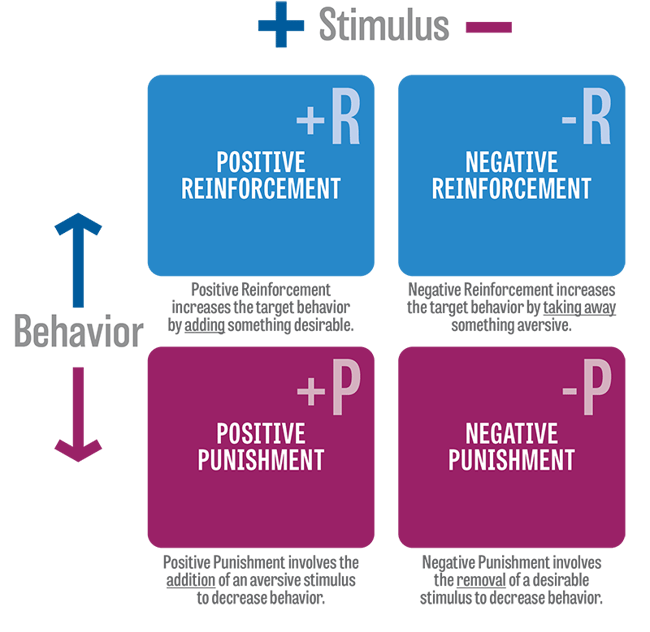
Behaviorism is a theory of learning based on the idea that all behaviors are acquired through conditioning, and conditioning occurs through interaction with the environment.
Example: Behaviorism focuses on how people learn through rewards and punishments.
fr: behaviorisme
bias
noun
In a scientific research study or clinical trial, a flaw in the study design or the method of collecting or interpreting information. Biases can lead to incorrect conclusions about what the study or clinical trial showed.
Example: She tried to give a fair opinion without any bias.
fr: biais
cognitive dissonance
noun
Cognitive dissonance refers to the internal psychological process in which an individual experiences conflicting knowledge elements and makes an effort to reduce the resulting dissonance.
Example: Cognitive dissonance refers to the internal psychological process in which an individual experiences conflicting knowledge elements and makes an effort to reduce the resulting dissonance.
fr: dissonance cognitive
conditioning
noun
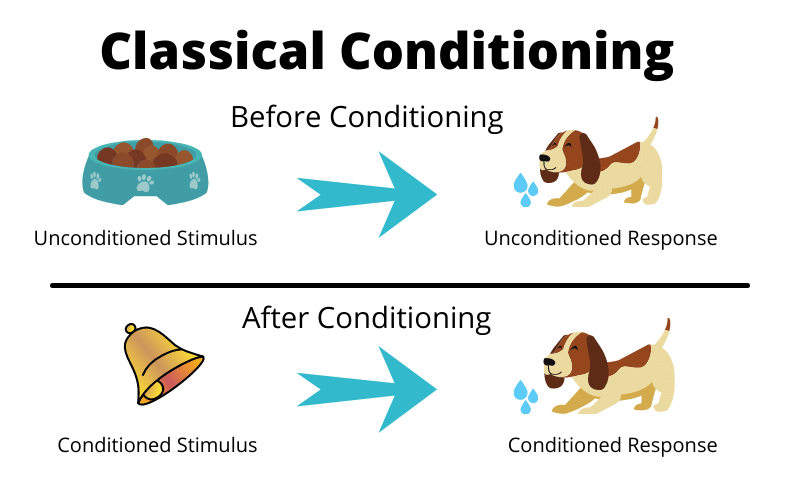
Conditioning is a behavioral process whereby a response becomes more frequent or more predictable in a given environment as a result of reinforcement, with reinforcement typically being a stimulus or reward for a desired response.
Example: The dog learned to sit through repeated conditioning with treats.
fr: conditionnement
coping mechanism
noun
A coping mechanism is a psychological strategy or adaptation that a person relies on to manage stress. Sometimes, coping mechanisms are intentional choices, while other times a person may be unaware that they're using them.
Example: Journaling every night became her coping mechanism during stressful times.
fr: mécanisme d'adaptation
depression
noun
Changes in brain chemistry, especially disruptions in neurotransmitters like serotonin, that play an important role in regulating many bodily functions, including mood, sleep, and appetite, are thought to play a particularly important role in depression.
Example: He talked to a doctor about his depression.
fr: dépression
emotion
noun
Emotions have been described as consisting of a coordinated set of responses, which may include verbal, physiological, behavioral, and neural mechanisms.
Example: The movie was so touching that it stirred a deep emotion in the audience.
fr: émotion
memory
noun
Memory is defined as the cognitive process of acquiring, storing, and retrieving information essential for environmental adaptation and survival, involving neurotransmitters like dopamine and nor epinephrine to regulate various aspects of memory formation and stability.
Example: Her memory of the summer vacation stayed vivid even after many years.
fr: mémoire
mental health
noun
Mental health is a state of mental well-being that enables people to cope with the stresses of life, realize their abilities, learn well and work well, and contribute to their community.
Example: Taking care of your mental health is just as important as your physical health.
fr: santé mentale
neurotransmitter
noun
Neurotransmitters are endogenous chemicals that allow neurons to communicate with each other throughout the body. They enable the brain to provide a variety of functions, through the process of chemical synaptic transmission.
Example: Serotonin is a neurotransmitter that helps regulate mood, sleep, and appetite.
fr: neurotransmetteur
personality
noun
Personality embraces moods, attitudes, and opinions and is most clearly expressed in interactions with other people. It includes behavioral characteristics, both inherent and acquired, that distinguish one person from another and that can be observed in people's relations to the environment and to the social group.
Example: She has a warm personality that makes everyone feel comfortable.
fr: personnalité
psychology
noun
Psychology, in a scientific context, is defined as the study of the mind and behavior, encompassing both conscious and unconscious phenomena, as well as mental processes like thoughts, feelings, and motives.
Example: I have been studying in the Psychology program for the past two years.
fr: psychologie
rehabilitation
noun
Rehabilitation psychology is one of the branch of psychology dedicated to improve the overall progress, independence, day to day activities, general and mental health, and social involvement of people with disabilities and chronic illnesses in general, as well as in getting and maintaining work.
Example: Rehabilitation programs can help people stop vaping and improve their health.
fr: réhabilitation
reinforcement
noun
Reinforcement is a fundamental concept in psychology that refers to consequences of behavior that increase the likelihood of that behavior being repeated in the future.
Example: Positive reinforcement helps encourage good behavior in children.
fr: renforcement
resilience
noun
The process and outcome of successfully adapting to difficult or challenging life experiences, especially through mental, emotional, and behavioral flexibility and adjustment to external and internal demands.
Example: After losing her job, Maria showed great resilience by finding a new one quickly.
fr: résilience
self-esteem
noun
Self-esteem is the evaluation people make and maintain about themselves and has been defined as evaluation of one's own worth, value, or importance.
Example: Building self-esteem helps people feel more confident in themselves.
fr: estime de soi
stress
noun
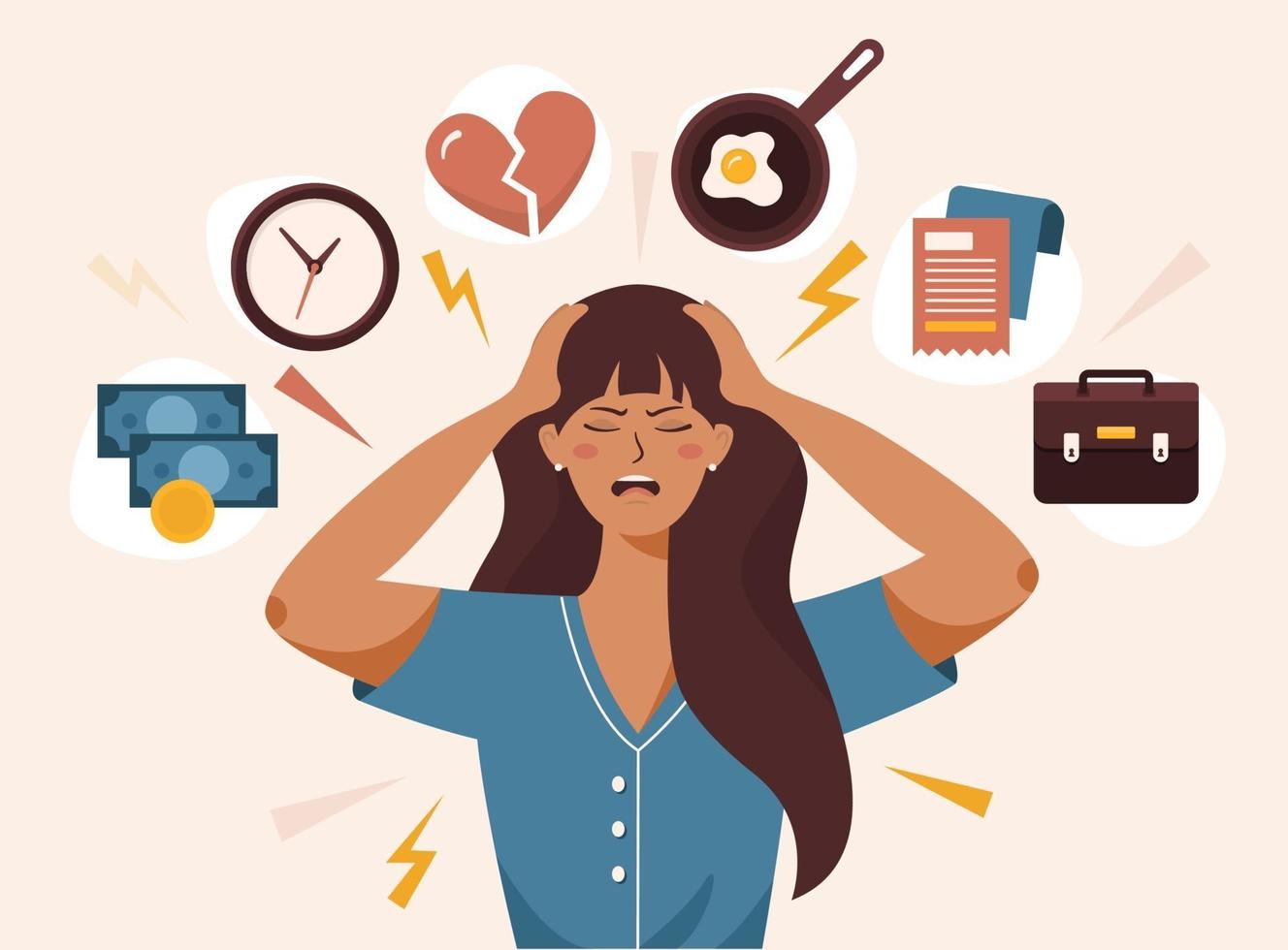
Stress is a normal reaction to everyday pressures, but can become unhealthy when it upsets your day-to-day functioning. Stress involves changes affecting nearly every system of the body, influencing how people feel and behave.
By causing mind–body changes, stress contributes directly to psychological and physiological disorder and disease and affects mental and physical health, reducing quality of life.
Example: Nowadays, people stress a lot from responsibilities.
fr: stress
therapy
noun
A therapy or medical treatment is the attempted remediation of a health problem, usually following a medical diagnosis.
Example: She began therapy to help manage her anxiety and improve her mental health.
fr: thérapie
trauma
noun
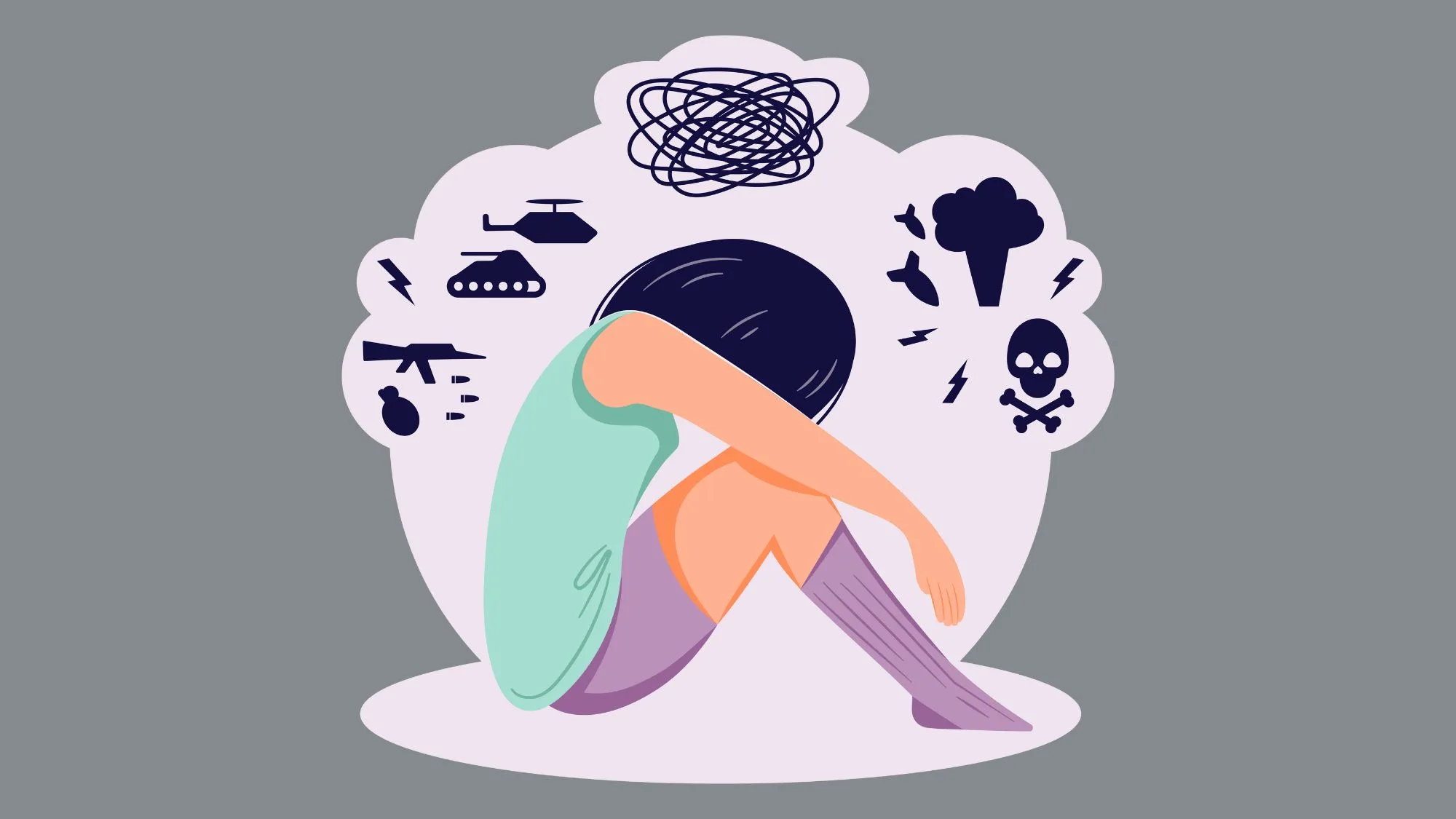
Trauma is when we experience very stressful, frightening or distressing events that are difficult to cope with or out of our control. It could be one incident, or an ongoing event that happens over a long period of time.
Example: The accident left him with both physical injuries and emotional trauma.





:max_bytes(150000):strip_icc()/what-is-personality-2795416_sketch-5b63480c46e0fb00250e38b2.png)