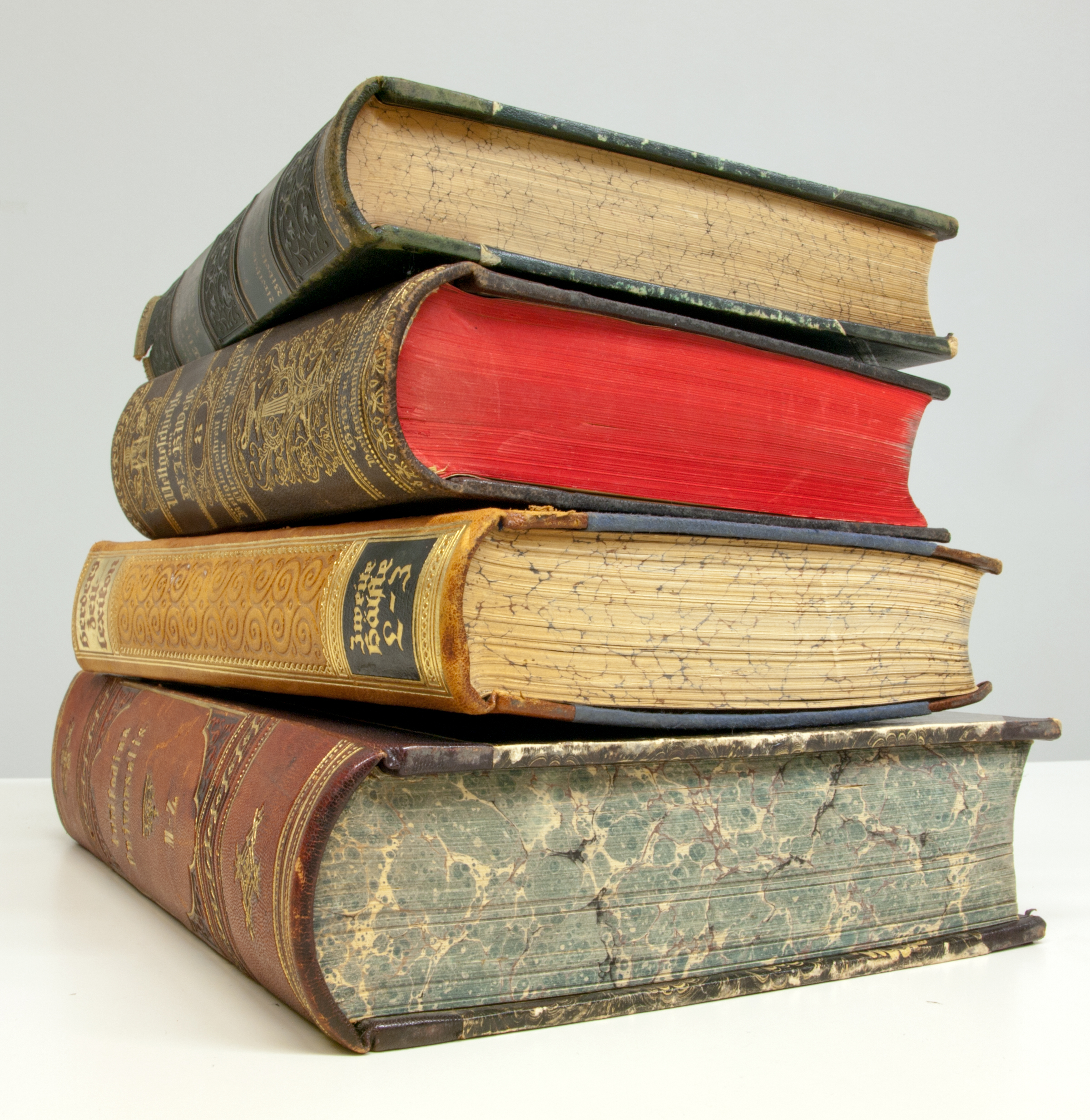
Good morning, my name is Isabelle and I’m studying to be a library/government technician in the program information and library technologies. I have a lot of reasons to chose and recommend this glossary. First of all, this idea of a creation glossary is a very essential lifehack. It would bring lots of interest to the students who doesn't know the program and help them build lots of passion for the use of research and how to master the way of writing good biographies. The students build interest for the use of gaining knowledge for the purpose of curiosity. I'm almost in my third year and I'm doing my program in Maisonneuve college. It’s a very interesting program, it focuses on the knowledge and how to repair and find the right information using accurate research. In the field, you have to learn and apply many techniques for example, for repairing books that are damaged, there will be propre tools that should be applied and used. And thanks to the use of this glossary, it can help many people in this interesting field.
Article
Noun
A piece of writing or type of text that can be shown in multiple forms for example, in a newspaper, online site and it can be shown on official publication.
Example: My teacher researched online and found many articles that speak of the mentionned subject.
en: Article
Author
Noun
a writer of a book, article, or report:
"he is the author of several books on the subject"
Example: My favorite author is a french author from Canada.
en: écrivain, auteur
Bibliography
List of sources used extensively.
Example: To site a research, a bibliography is considered a very important factor to verify its accuracy.
en: Bibliographie
Book
Noun
A written or printed work consisting of pages glued or sewn together along one side and bound in covers.
Example: This book is a book that was one of the best books I've read in a long time and was recommended by the teacher.
en: Livre, bouquin
Catalogue
Noun
A catalogue is a list of things such as the goods you can buy from a particular company, the objects in a museum, or the books in a library.
Example: The most known catalogue that is used in public libraries of Montreal is know as catalogue de Montreal.
en: catalogue, registre,liste
Classification
Noun
Classification is the activity of assigning objects to some pre-existing classes or categories. This is distinct from the task of establishing the classes themselves (for example through cluster analysis). Examples include diagnostic tests, identifying spam emails and deciding whether to give someone a driving license. (taken from wikipedia)
Example: the classification system that is most used in most libraries is the system of classification of Dewey.
en: Classification
Collection
Noun
A collection library, often simply called a "library", is a collection of organized books, or other materials (like documents, multimedia, and publications), that are available for public or institutional use.
Example: This library compared to the other libraries has the most bigger book and document collection.
en: Collection
Index
Noun
an alphabetical list of names, subjects, etc., with references to the places where they occur, typically found at the end of a book:
"clear cross references supplemented by a thorough index
Example: An index in any book can be found easily at the last page of a book.
en: Index, glossaire
Information Science
Noun
The study of processes for storing and retrieving information, especially scientific or technical information.
Example: In order to become a librarian, I need to do a master in Information science.
en: Science de l'information, biblioteconomie
Library Policy
Noun
Policies are principles or guidelines which assist the library board to make decisions and to achieve its mandate. They give definition to the philosophy of library service in the community and provide for the establishment of consistent operational procedures. It's also a written document that provides guidelines and standards for a library's operations and services.
Example: When users enter a public library, they have to abide and respect the policy that is instaured.
en: Politique, code déontologiques, réglements
Library Software
Noun
Example: The library software Koha is being used in school like colleges and universities.
en: Logiciel de bibliotheque, systeme de gestion
Periodical
noun
A periodical is any collection of articles that comes out periodically. Magazines, newspapers, and journals are all periodicals. They may come out daily, weekly, monthly, quarterly or annually, but new issues, full of new articles, are released on a fixed schedule.
Example: The biggest library in Montreal contains multiple sections for books and like the periodicals.
en: periodique
Research
Noun
Research is creative and systematic work undertaken to increase the stock of knowledge.[1] It involves the collection, organization, and analysis of evidence to increase understanding of a topic, characterized by a particular attentiveness to controlling sources of bias and error. (taken from wikipédia)
Example: She conducts research into the causes of Alzheimer's disease. (taken from google)
en: Recherche
to arrange (classify)
Noun
To put something in its right place
Example: In my line of work, I work to arrange books so the spaces stay organised.
en: Arranger, classer, mettre à sa place
To borrow
verb
Take and use something that belongs to somebody else, with the promise to return it later.
Example: For my french class, my teacher gave me a book name that i need to borrow from the library.
en: Emprunter, preter,
To Repair
verb
to fix something that was or is broken
Example: In my class, we had to repair some books who are damaged by other students.
en: réparer,
To Return
verb
Give, send, or put something back where it came from.
Example: I have to return a book that was due to the library
en: Retourner, remettre, deposer (livre)
User
Noun
Personne qui vient utiliser les service d'un endroit
Example: The people who visited the library daily are considered its most important users.