Hi, my name is Laurence. I have been a student at Collège Ahuntsic for the past two years, and I’ve been in the same program the whole time, which is called Global and Social Issues in Social Science.
In this program, we explore major global challenges such as poverty, climate change, human rights, and even the different ways people think and live in a city like Montreal.
I believe my glossary can be a valuable resource for both future students and older individuals who want to learn more about the global issues affecting our world today.
This glossary have 20 well-defined terms. I gathered them from various sources: some came from books I studied a few years ago, while others are inspired by my environment, my family, and my friends. We often have deep conversations—especially about politics and current events—which helped me shape the glossary's content.
activism
noun
the policy or action of using vigorous campaigning to bring about political or social change.
Example: "there is growing activism seeking social transformation"
fr: activisme
civil society
noun
society considered as a community of citizens linked by common interests and collective activity.
Example: "they make important contributions to civil society"
fr: société civil
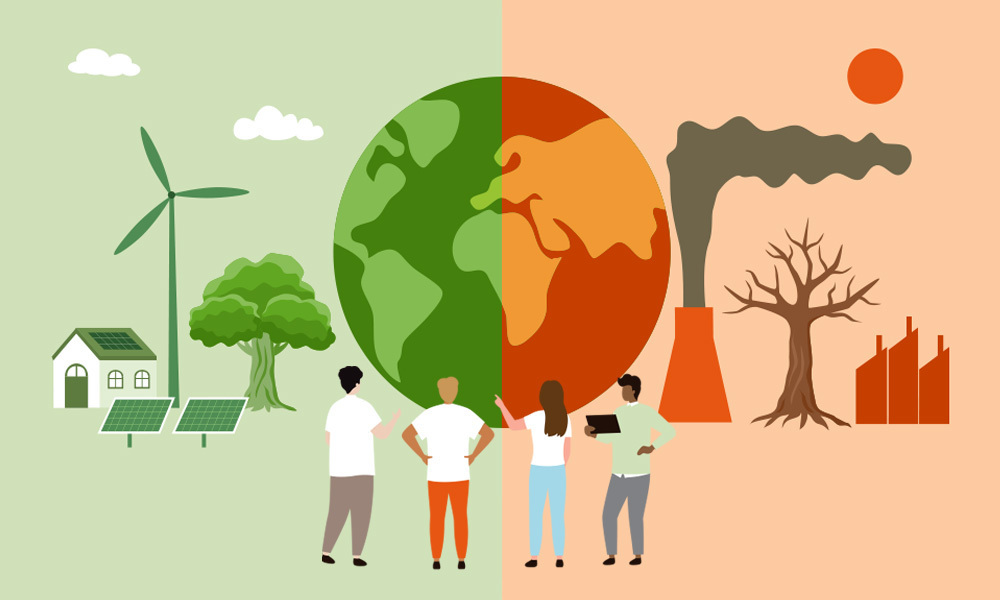
climate change
nouns.
Climate change refers to long-term shifts in temperatures and weather patterns. Such shifts can be natural, due to changes in the sun's activity or large volcanic eruptions.
Example: "Climate change is a serious threat to our planet."
fr: changement climatique
colonialism
noun.
the policy or practice of acquiring full or partial political control over another country, occupying it with settlers, and exploiting it economically.
Example: "The history of colonialism has left a lasting impact on many countries."
fr: colonialisme
cultural diversity
noun
It a appreciating that society is made up of many different groups with different interests, skills, talents and. needs
Example: this showcases the incorporation of diverse traditions and beliefs.
fr: diversité culturelle
development
noun
the process in which someone or something grows or changes and becomes more advanced
Example: The city's recent economic development has led to increased job opportunities and a thriving business community.
fr: développement
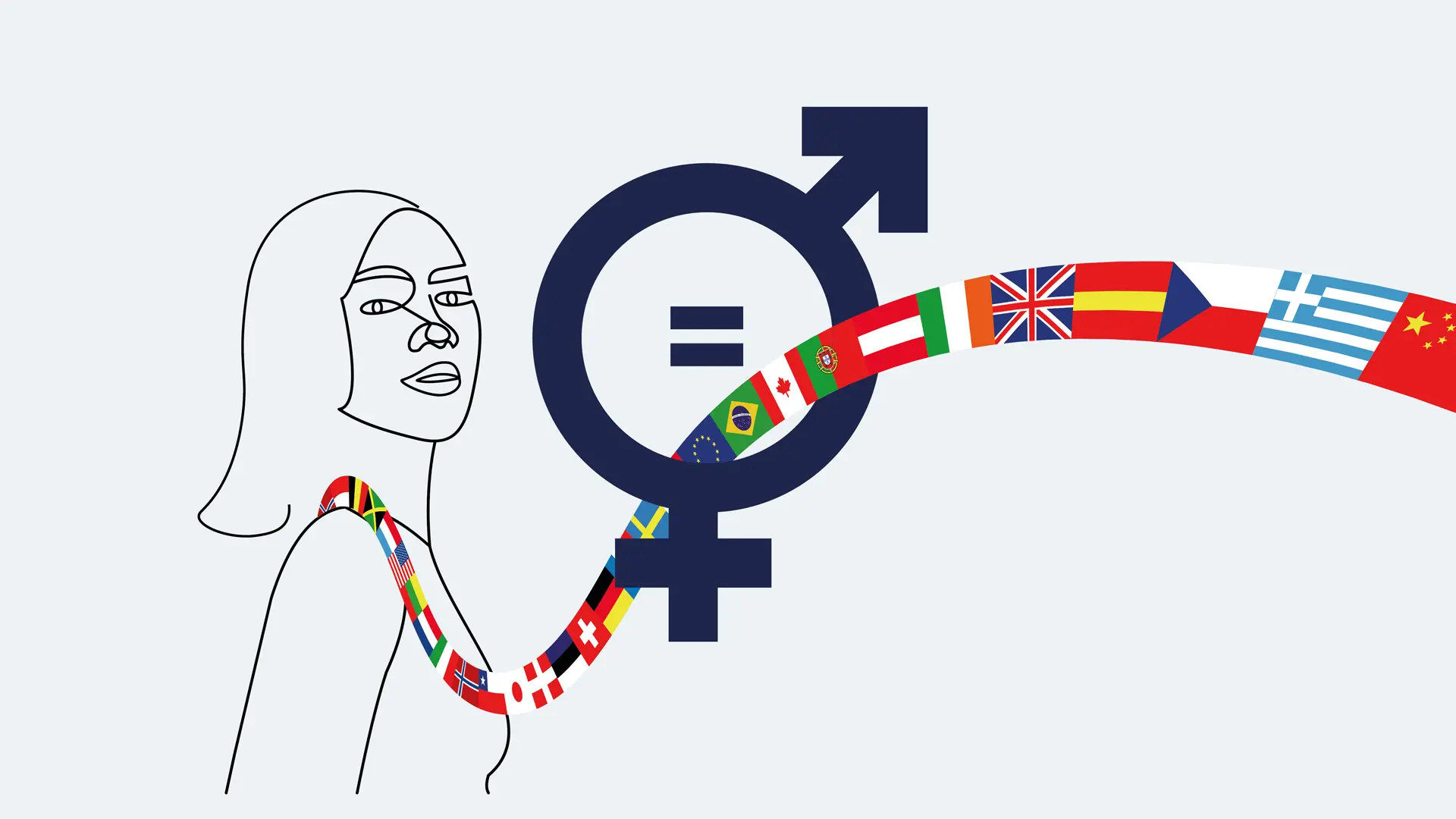
gender equality
noun
A situation in which access to rights or opportunities is unaffected by gender.
Example: Gender equality is not just a matter of fairness; it's a fundamental human right.
fr: égalité des sexes
global governance
noun
the processes and structures by which the world manages transnational issues, involving international cooperation and coordination across various actors, including nations, organizations, and individuals.
Example: the United Nations plays a crucial role in global governance, coordinating international efforts on various issues.
fr: gouvernance mondiale
globalization
noun.
Globalization is a term used to describe how trade and technology have made the world into a more connected and interdependent place. Globalization also captures in its scope the economic and social changes that have come about as a result.
Example: « Globalization has made it easier for people to communicate and do buisness across contries ».
fr: mondialisation
human rights
plural noun.
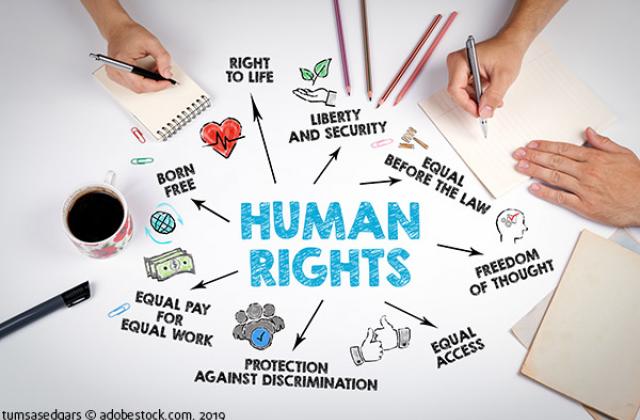
a right that is believed to belong justifiably to every person.
Example: Human rights, as recognized in the Universal Declaration of Human Rights, are fundamental rights inherent to all individuals, regardless of their background or circumstances. Here are some examples of human rights:
fr: droits de la personne
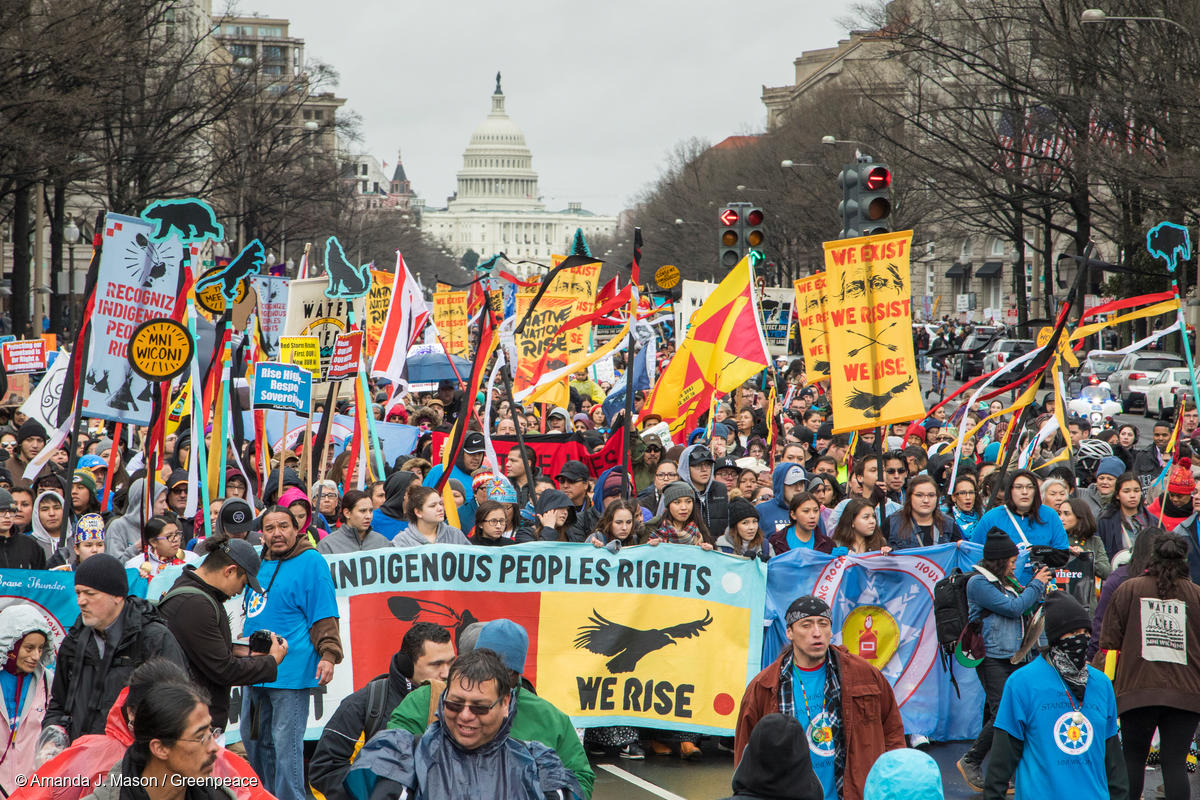
idigenous rights
noun.
Indigenous rights are the human rights of indigenous peoples, recognized and affirmed by the UN Declaration on the Rights of Indigenous Peoples. These rights include self-determination, rights to land and resources, cultural and social rights, and the right to participate in decisions affecting their lives.
Example: The United Nations Declaration on the Rights of Indigenous Peoples affirms their indigenous rights to self-determination and land ownership".
fr: droits des Autochtones
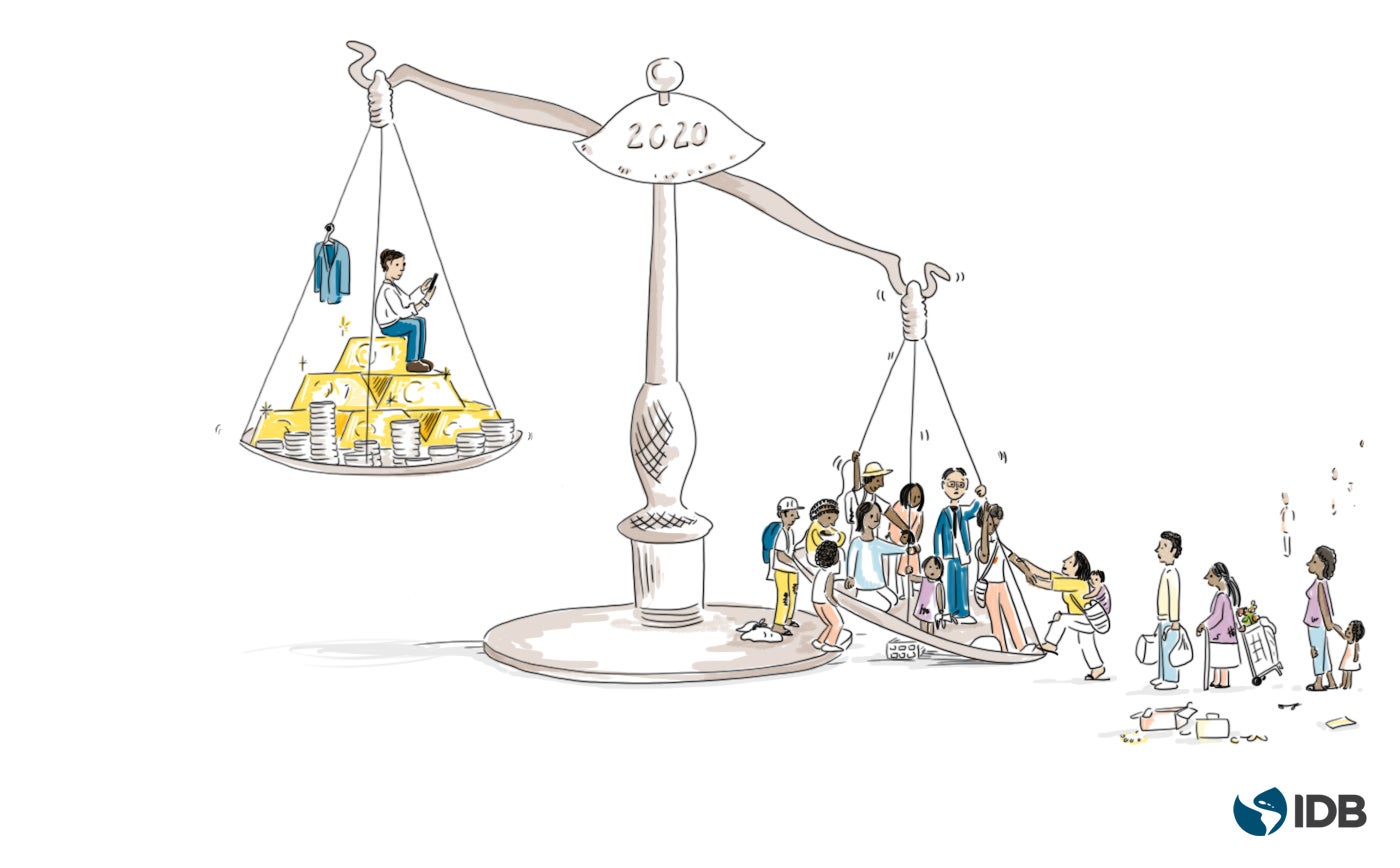
inequality
noun
"Inequality" refers to the state or condition of being unequal, lack of equality, or a difference in status, rights, or opportunities. This fits the definition of a noun, which is a word used to name a person, place, thing, or idea.
Example: The company's policies contribute to inequality within the workplace."
fr: inégalité
migration
noun.
The movement of people or animals from one place to another, often over long distances, typically for reasons such as seeking better living conditions, work, safety, or climate.
Example: There was a mass migration of poverty-stricken farmers into the cities.
fr: migration
non-governmental organizations
noun phrase
organisation à but non lucratif, souvent privée, qui agit indépendamment des gouvernements et des institutions internationales.
Example: Provides medical care in conflict zones and other areas with limited access to healthcare.
fr: organisations non gouvernementales
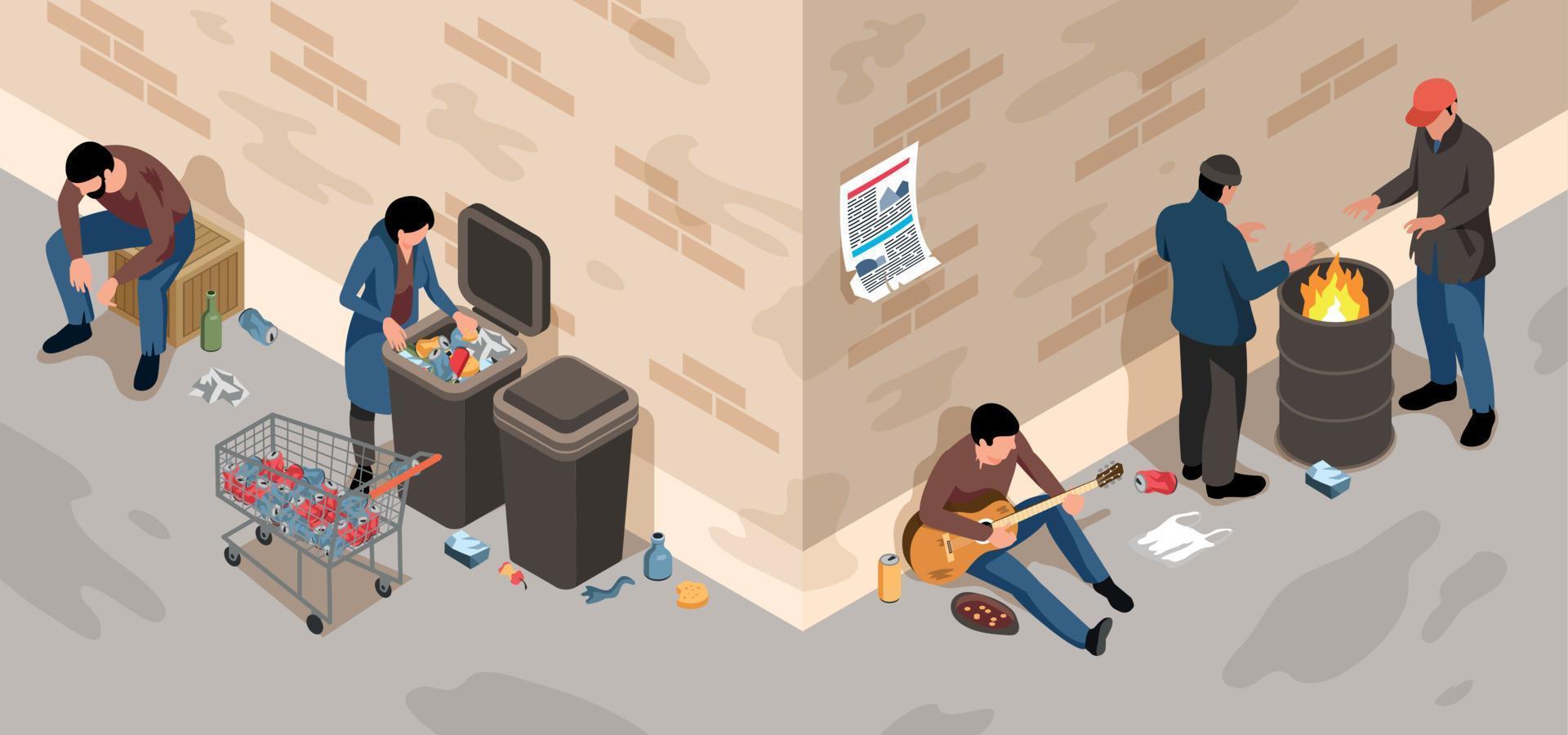
poverty
noun.
It describes the state of being poor or lacking.
Example: ''The children's school had a severe poverty of resources, making it difficult for them to receive a proper education."
fr: pauvreté
racism
noun
the belief that different races possess distinct characteristics, abilities, or qualities, especially so as to distinguish them as inferior or superior to one another.
Example: The pervasive nature of racism has created deep social divisions.
fr: racisme
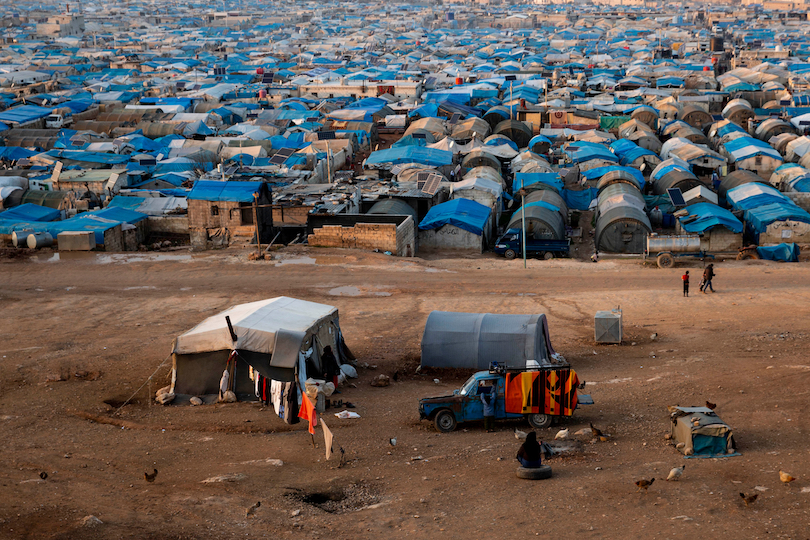
refugee crisis
noun.
a person who has been forced to leave their country in order to escape war, persecution, or natural disaster.
Example: The refugee crisis has strained resources in the host country.
fr: crise des réfugiés
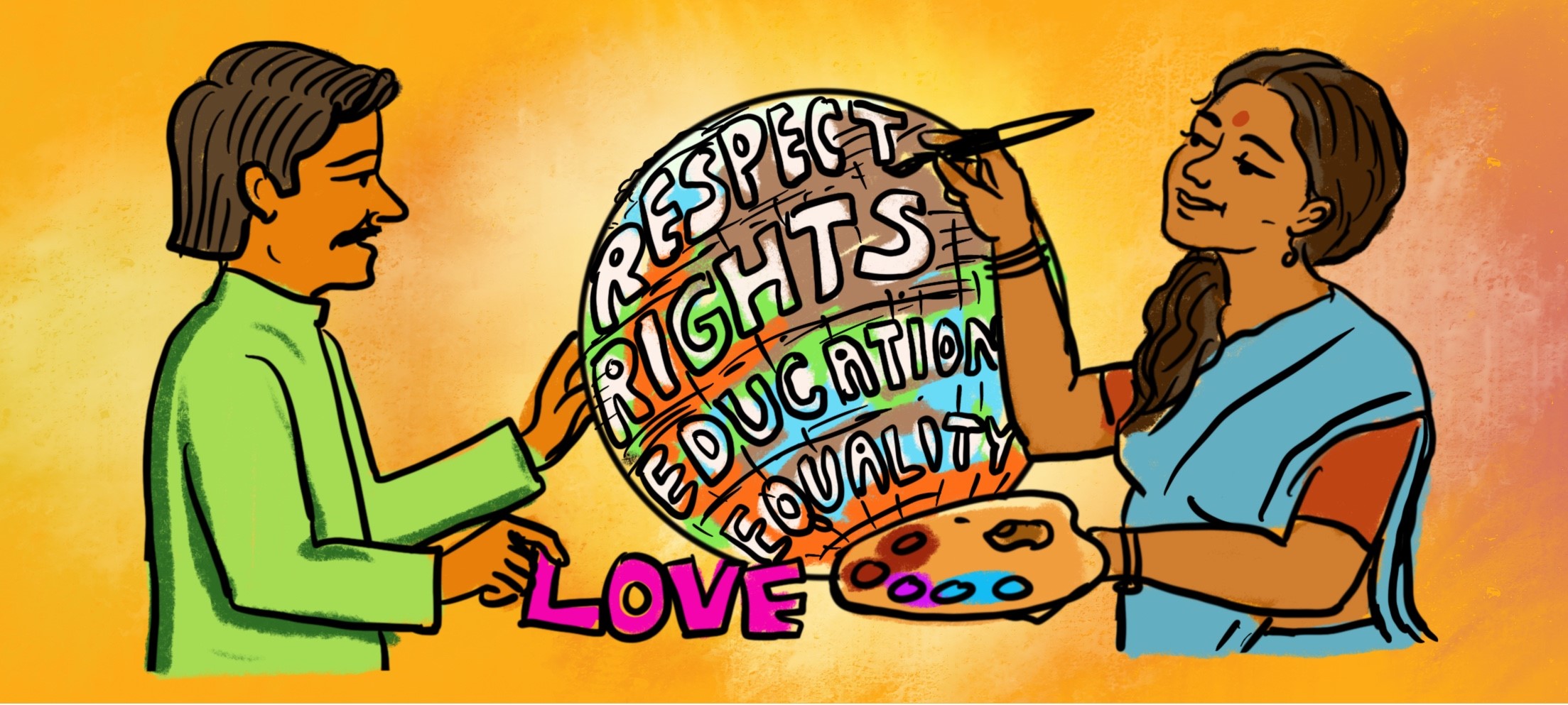
social justice
noun
justice in terms of the distribution of wealth, opportunities, and privileges within a society.
Example: Social justice aims for a fair and equitable society where all individuals have equal opportunities and rights. It's about ensuring everyone benefits from society's resources and institutions, addressing systemic inequalities and injustices.
fr: justice sociale
social movements
noun
It a organized efforts by groups to achieve social or political change, either by promoting or resisting it.
Example: The Civil Rights Movement was a powerful social movement that challenged racial segregation in the United States.
fr: mouvements sociaux
sustainability
noun.
Sustainability, a word that is increasingly bandied about, particularly with the uptake of the UN Sustainable Development Goals (SDGs) and the growing awareness of their ambitions
Example: the company's commitment to sustainability is reflected in its eco-friendly practices."







:max_bytes(150000):strip_icc()/social-justice.asp-Final-1fe6785a6c6e4e8f8771e2e0603a7d7b.png)
