Some scientific terms are sometimes complicated to understand, and the more specific the professions are, the more complicated the words become. The field we will focus on is endocrinology. If you wish to become an endocrinologist, here is a glossary that gathers some terms that are frequently used in that profession.
allergic reaction
noun
An allergic response is a hypersensitive immune reaction to a substance that normally is harmless or would not cause an immune response in everyone. An allergic response may cause harmful symptoms such as itching or inflammation or tissue injury.
Example: An allergic reaction may require a hospital visit.
en: réaction allergique
antihistamine
noun
Antihistamines are drugs that block the effects of histamine, a chemical involved in allergic reactions and other functions.
Example: I took an antihistamine to relieve my allergy symptoms.
en: antihistaminique
autoimmune disease
noun
Autoimmune disease happens when the body’s natural defense system can’t tell the difference between your own cells and foreign cells, causing the body to mistakenly attack normal cells.
Example: The lupus is an autoimmune disease.
en: maladie auto-immune
drug
noun
A medicine or other substance which has a physiological effect when ingested or otherwise introduced into the body.
Example: A new drug aimed at sufferers from Parkinson's disease.
en: drogue
endocrine system
noun
The endocrine system is a collection of ductless glands that produce hormones and secrete them into the circulatory system, regulating various bodily functions. It serves as a network of glands that help cells communicate with each other, influencing almost every cell, organ, and function in the body.
Example: The endocrine system produces chemical messengers or hormones which have an effect on almost every organ in the body.
en: système endocrinien
erythrocyte
noun
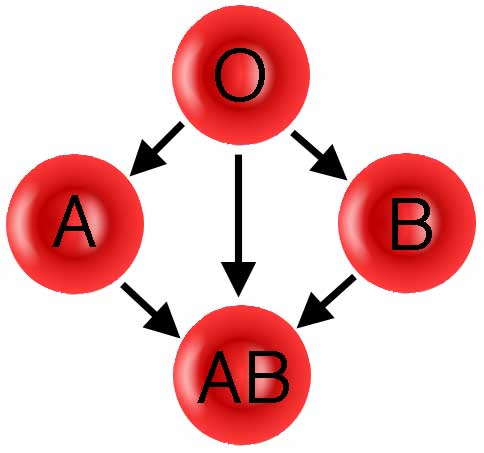
A red blood cell that (in humans) is typically a biconcave disc without a nucleus. Erythrocytes contain the pigment hemoglobin, which imparts the red color to blood, and transport oxygen and carbon dioxide to and from the tissues.
Example: We have erythrocytes in our blood vessels.
en: érythrocyte
homeostasis
noun
Homeostasis is how your body regulates and maintains itself to function at its best. Learn about the types, examples and importance of homeostasis, and how it can go wrong in diseases and conditions.
Example: Exercise helps to regulate our homeostasis equilibrium by ensuring that our hormones are functioning properly.
en: homéostasie
hormone
noun
A regulatory substance produced in an organism and transported in tissue fluids such as blood or sap to stimulate specific cells or tissues into action.
Example: Insulin is a hormone, and one of its main jobs is fuel storage.
en: hormone
hormone replacement therapy (HRT)
noun
Hormone replacement therapy (HRT) is the use of synthetic or natural female hormones to make up for the decline or lack of natural hormones produced in a woman's body.
Example: Alternative, natural substitutes to HRT are increasing in popularity, but need to be taken with a good level of knowledge and understanding.
en: thérapie hormonale de substitution
hypothalamus
noun
The hypothalamus is a small structure deep in the brain that acts as the body’s control center for maintaining homeostasis. It influences the autonomic nervous system and manages hormones.
Example: A stroke or tumor can damage the hypothalamus, causing the body's thermostat to malfunction.
en: hypothalamus
metabolism
noun
The chemical processes that occur within a living organism in order to maintain life.
Example: The body’s metabolism slows from not eating for long stretches.
en: métabolisme
nerve impulse
noun
A signal transmitted along a nerve fiber. It consists of a wave of electrical depolarization that reverses the potential difference across the nerve cell membranes.
Example: A single long axon carries the nerve impulse away from the cell body.
en: influx nerveux
parasympathetic nervous system (PSNS)
noun
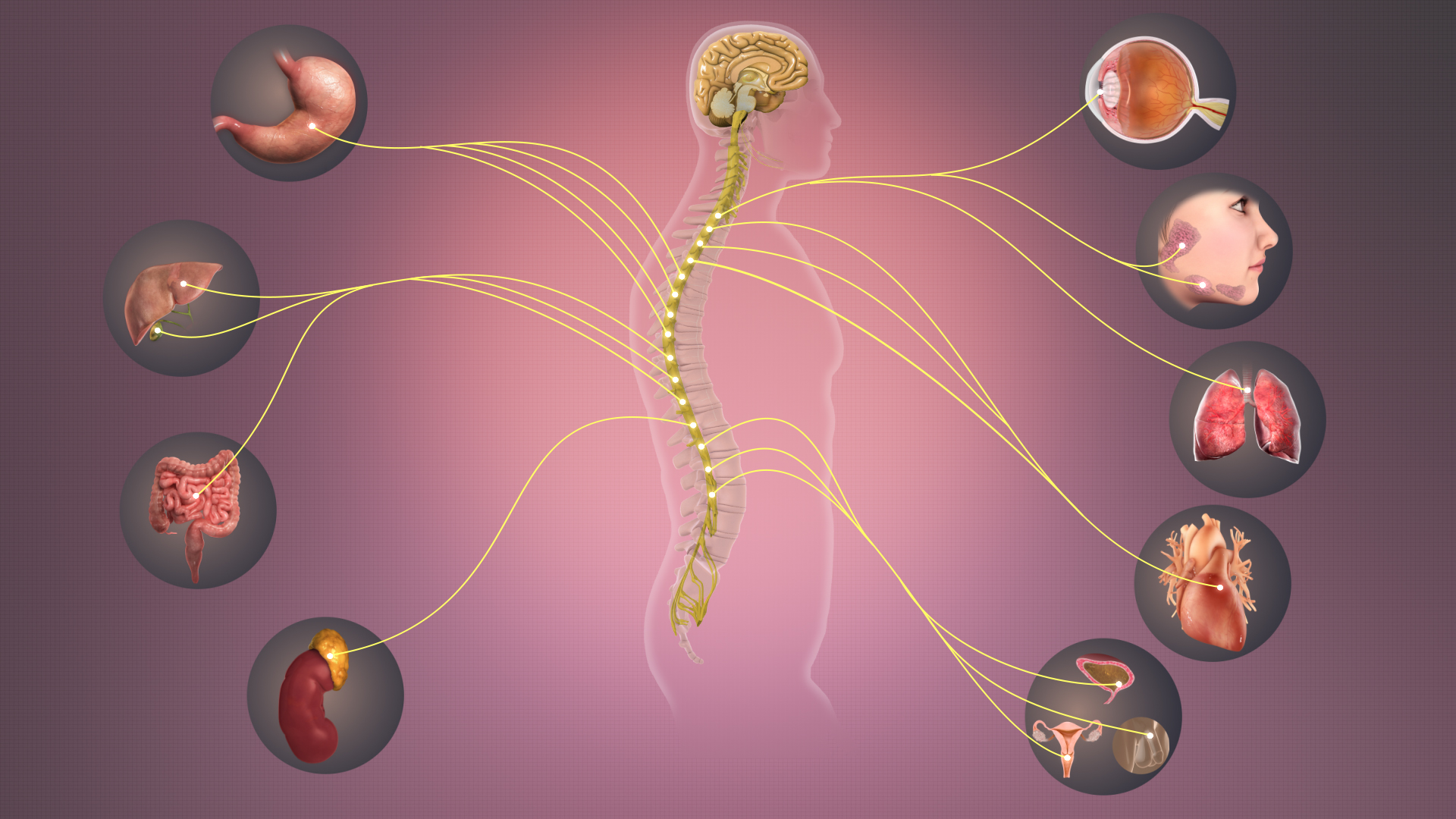
The parasympathetic nervous system is a division of the autonomic nervous system that controls the activity of smooth and cardiac muscles and glands. It works in synergy with the sympathetic nervous system, complementing its activity. Informally, it is known as the "rest and digest" system.
Example: The parasympathetic nervous system is responsible for preparing the body for rest and relaxation.
en: système nerveux autonome parasympathique (SNAP)
peristalsis
noun
The involuntary constriction and relaxation of the muscles of the intestine or another canal, creating wave-like movements that push the contents of the canal forward.
Example: Sometimes there is too little peristalsis, which can slow the passage of undigested material through the colon and cause constipation.
en: péristaltisme
phagocytosis
noun
The ingestion of bacteria or other material by phagocytes and amoeboid protozoans.
Example: During phagocytosis, cells engulf and digest foreign particles.
en: phagocytose
pituitary glands
noun
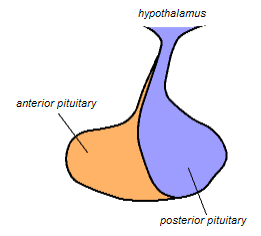
The pituitary gland, often referred to as the "master gland," is a small, pea-sized endocrine gland located at the base of the brain, just below the hypothalamus. It plays a crucial role in regulating hormone production from other glands in the body, influencing various bodily functions such as growth, metabolism, and reproduction. The pituitary gland is anatomically and functionally connected to the hypothalamus, acting as a key interface between the central nervous system and the endocrine system. Its proper functioning is essential for overall health and well-being.
Example: The pituitary gland regulates adrenal cortisol production by responding to the amount of cortisol production by responding to the amount of cortisol in the blood.
en: hypophyse
receptor
noun
An organ or cell able to respond to light, heat, or other external stimulus and transmit a signal to a sensory nerve.
Example: The researchers studied the gene for the androgen receptor, which is located on the X-chromosome.
en: récepteur
releasing hormone
noun
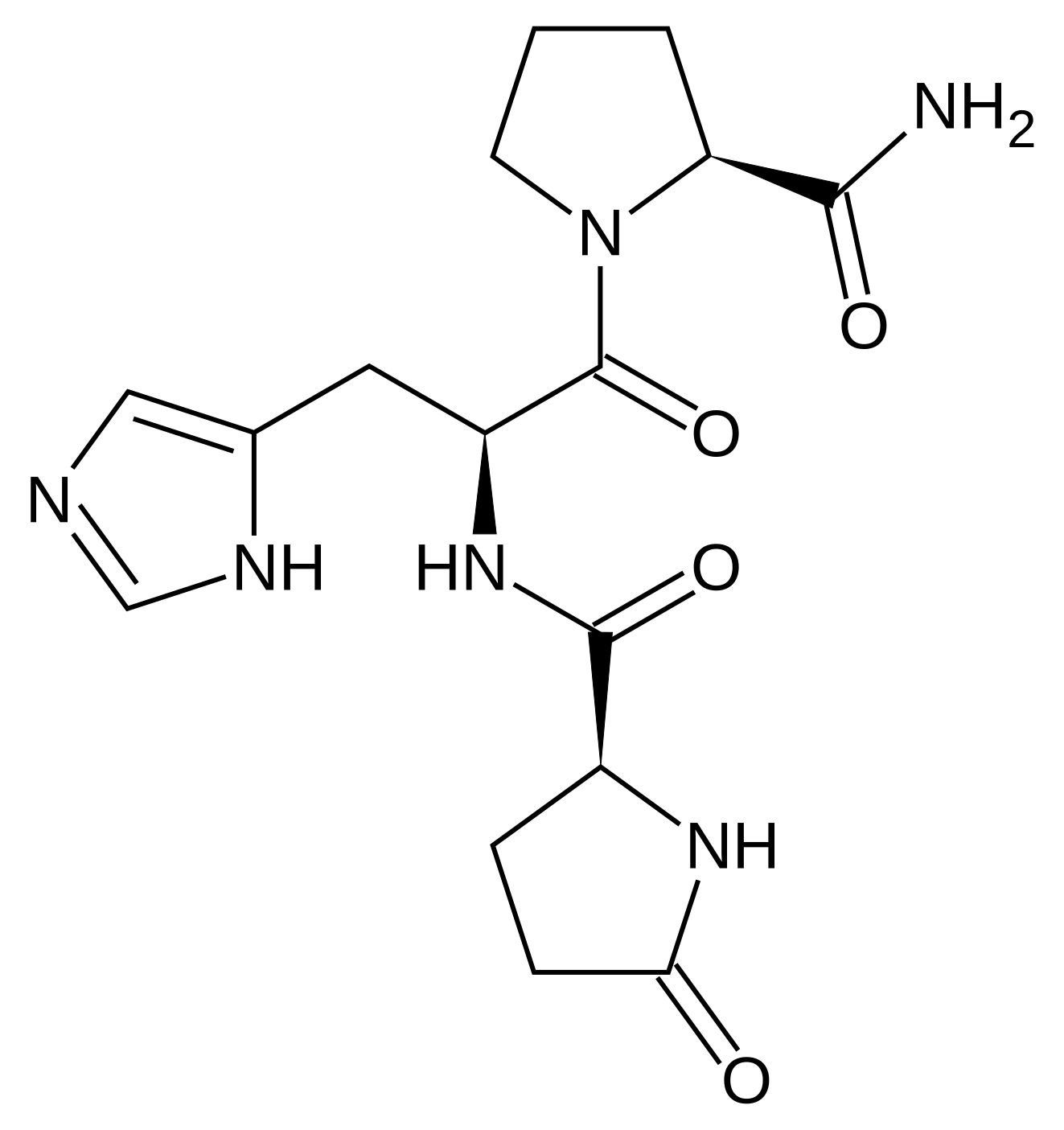
A releasing hormone is a type of peptide hormone produced in the hypothalamus that regulates the synthesis or release of other hormones in the adenohypophysis, such as luteinizing hormone (LH) and follicle-stimulating hormone (FSH) involved in reproduction.
Example: Corticotropin-releasing hormone (CRH) is an important hormone in the neuroendocrine system that plays a wide role in the central nervous system.
en: libérine
sympathetic nervous system (SNS)
noun
The sympathetic nervous system is a branch of the autonomic nervous system that prepares the body for “fight or flight” responses during stressful situations.
Example: The sympathetic nervous system is triggered when you feel stress.
en: système nerveux autonome sympathique (SNAS)
synapse
noun
The pituitary gland, often referred to as the "master gland," is a small, pea-sized endocrine gland located at the base of the brain, just below the hypothalamus. It plays a crucial role in regulating hormone production from other glands in the body, influencing various bodily functions such as growth, metabolism, and reproduction. The pituitary gland is anatomically and functionally connected to the hypothalamus, acting as a key interface between the central nervous system and the endocrine system. Its proper functioning is essential for overall health and well-being.
Example: An electrical signal travels down one nerve cell, causing it to release the neurotransmitter into a small gap between cells called the synapse.