This glossary is made for students in computer science. The purpose of it is to extend their vocabulary by introducing them with words commonly used in the field enhancing their understanding.
Algorithm
Adjective
A step-by-step procedure for solving problems or performing a computation.
Example: "the program used a basic algorithm for division"
en: algorithme
argument
Noun
A data value passed to a method or function as required by its defined parameters
Example: "The function takes two arguments: a username and a password."
en: argument
array
noun
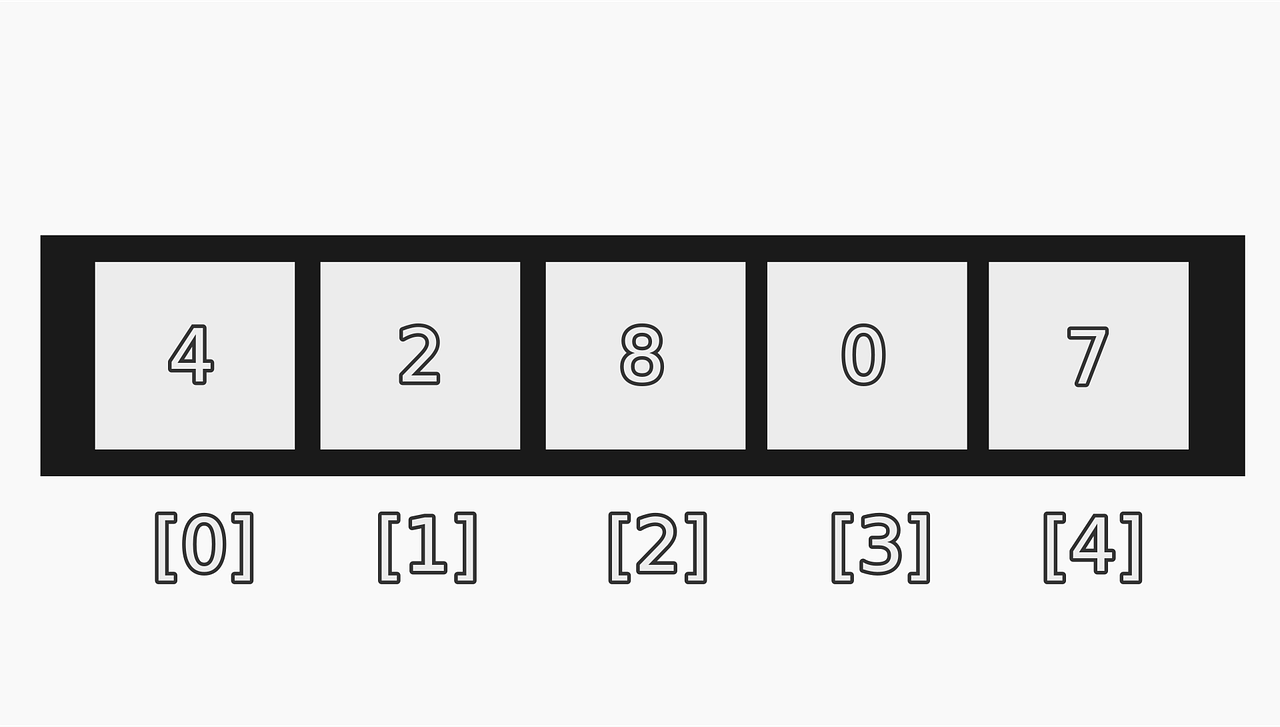
A data structure that holds a fixed number of values of the same type.
Example: "Each item in the array can be accessed by its index."
en: tableau
automation
The deployment of technology to solve a problem with reduced human assistance.
en: automatisation
bandwidth
noun
The amount of data that can be transferred over a network in a given time.
Example: "Streaming video consumes a lot of bandwidth."
en: bande passante
binary
Adjective
A number system that uses only two symbols, 0 and 1. In computer science, binary is the foundation of representing data and performing computations in digital systems. Each bit represents an on or off state.
Example: "Here are the two methods, used to convert the binary number 11001 to base 10."
en: binaire
boolean
adjective/noun
A data type with only two possible values: true or false.
Example: "This boolean variable determines if the light is on."
en: booléan
compiler
Noun
A Compiler is a software tool that translates high-level programming code written in C, C++, or Java into machine code that a computer can execute.
Example: "The compiler generates error messages if it encounters syntax errors in the source code."
en: compilateur
database
noun
An organized collection of data stored and accessed electronically.
Example: "The website pulls user info from a database."
en: base de données
encrypt
verb
To convert data into a secure format to prevent unauthorized access.
Example: "You should encrypt user passwords for security."
en: chiffrer
framework
noun
A reusable set of libraries or tools to simplify development.
Example: "React is a popular JavaScript framework."
en: cadre de développement
function
noun
A block of code designed to perform a specific task.
Example: "The function returns the sum of two numbers."
en: fonction
inherit
verb
To receive properties or methods from a parent class.
Example: "The child class can inherit behavior from the parent class."
en: hériter
interface
noun
A shared boundary for communication between systems or components.
Example: "The API provides an interface for external software."
en: interface
loop
noun
A sequence that repeats instructions until a condition is met.
Example: "The loop runs until the user enters 'exit'."
en: boucle
recursion
noun
A process in which a function calls itself.
Example: "I stayed up late to debug my code."
en: déboguer
syntax
noun
The rules that define how code must be written.
Example: "A missing semicolon causes a syntax error."
en: syntaxe
variable
noun
A storage location identified by a name that holds data in programming.
Example: "You must initialize the variable before using it."