This glossary is a curated collection of essential terms and concepts in the field of psychology. It's made by me, Jacky Lafleur, a psychology student a College Ahuntsic. The primary purpose of the glossary is to serve as a learning and reference tool for students, educators, and professionals working in psychology or related fields such as education, social work, and healthcare.
Understanding psychological terminology can be a major barrier for learners and non-specialists. Complex or unfamiliar terms can prevent full comprehension of research articles, textbooks, or mental health resources. This glossary helps by providing clear, accessible definitions and explanations. The definition were found in psychological article and I had to read the articles to really understand them.
What I wan any ready of the glossary to do next is to find new psychological words that they don't know and make a glossary about them. After that, they can publish it to help other students, educators, and professionals working in psychology or related fields such as education, social work, and healthcare like I did.
abience
noun
A tendency to withdraw from a stimulus object or situation.
Example: Her abience toward social gatherings lately might be a sign of growing anxiety or burnout.
en: abience
antipsychotic
noun
Tranquilizer used to treat psychotic conditions when a calming effect is desired.
Example: In the needle was a cocktail of sedatives and antipsychotics.
en: antipsychotique
behaviorism
noun
Behaviorism, in psychology, is a school of thought that focuses on observable behaviors and their responses to environmental stimuli, rather than internal mental processes like thoughts and feelings.
Example: But he gives no argument for behaviourism, even though some of his discussion seems to rest on vaguely behaviourist assumptions.
en: Behaviorisme
cognition
noun
the mental action or process of acquiring knowledge and understanding through thought, experience, and the senses:
Example: The therapist assessed the patient's cognition after the traumatic event.
en: cognition
delusion
noun
A false belief that persists despite evidence to the contrary, often as a result of a mental disorder.
Example: It was heartbreaking to witness my ailing grandmother’s delusion that her deceased husband was alive.
en: délire
functionalism
noun
In psychology, functionalism focuses on the purpose and utility of mental processes and behaviors, emphasizing how they adapt to the environment and serve an individual's needs. It contrasts with structuralism, which sought to break down consciousness into its basic elements.
Example: He implicitly criticized the structural functionalism of anthropology believing in the importance of personal choice.
en: Fonctionnalisme
inhibition
noun
A feeling that makes one self-conscious and unable to act in a relaxed and natural way:.
Example: My inhibition makes me nervous about being watched so I try to blend into the scenery.
en: inhibition
introvert
noun
A person who is reserved, quiet, and enjoys spending time alone.
Example: If you're an introvert, this might not be a problem.
en: introvert
phobia
noun
An exaggerated usually inexplicable and illogical fear of a particular object, class of objects, or situation.
Example: I should have realized you had a phobia about snakes.
en: phobie
psychodynamic
noun
Psychodynamics, in the context of psychology, refers to the study of the mental and emotional processes that underlie human behavior and motivation, particularly those operating at the unconscious level. It explores the interplay of internal forces, often stemming from childhood experiences and unconscious conflicts, that shape an individual's thoughts, feelings, and actions.
Example: Psychodynamic therapy can help individuals understand how past experiences influence their current relationships.
en: psychodynamique
psycholinguistics
noun
The branch of cognitive psychology that studies the psychological basis of linguistic competence and performance.
Example: PsycInfo References to and summaries of journal articles, books and book chapters from 1974 onwards, covering psychology and related fields including psycholinguistics.
en: psycholinguistique
psychometry
noun
Psychometrics is the science of measuring the psychological characteristics of individuals.
Example: Atasha uses psychometry, and Kiell uses Shere Khan to " sniff out " Harris.
en: psychométrie
psychonomics
noun
Psychonomics is a field of cognitive science and psychology that uses mathematical modeling to discover the laws governing the workings of the mind. It is directly related to experimental psychology1.
Example: Researchers in psychonomics use various experimental methods to understand the cognitive processes underlying economic choices.
en: psychonomie
psychopathology
noun
The study of mental disorders and unusual or maladaptive behaviors.
Example: The psychologist specializes in the diagnosis and treatment of psychopathology.
en: psychopathologie
psychophysics
noun
Psychophysics, study of quantitative relations between psychological events and physical events or, more specifically, between sensations and the stimuli that produce them.
Example: Having satisfied himself in what he called " outer psychophysics," that the stimulus causes only the nervous process and not sensation, he passed to what he called " inner psychophysics," or the theory of the relation between nervous and psychical processes.
en: psychophysique
psychophysiology
noun
Psychophysiology is the branch of physiology that studies the relationship between mental and physical processes1. It examines the interaction between mind and body, focusing on the physiological bases of psychological processes.
Example: Its establishment has allowed the promotion of research in cardiovascular physiology and human neurophysiology and psychophysiology on a professional level in Slovakia.
en: psychophysiologie
psychosis
noun
Psychosis is the term for a collection of symptoms that happen when a person has trouble telling the difference between what’s real and what’s not. This disconnection from reality can happen for several reasons, including many different mental and physical conditions. It’s usually treatable with medication and other techniques.
Example: He was diagnosed with psychosis and was admitted to a mental hospital.
en: psychose
reflexology
noun
A natural therapeutic methods derived from this study based on the principle that there are reflexes in the body that map to other parts, glands, and organs of the body. Through the application of pressure on these reflexes, reflexology therapy can: Relieve tension, Improve circulation, Support the body’s efforts to function optimally.
Example: I tried reflexology to relieve my stress and anxiety.
en: réflexologie
schizophrenia
noun
Schizophrenia is a mental disorder that affects reality perception and behaviour, and can cause disability and stigma.
Example: Experiences such as hearing voices always seem very real to the person affected by schizophrenia, who may not recognize that they are unwell.
en: schizophrénie
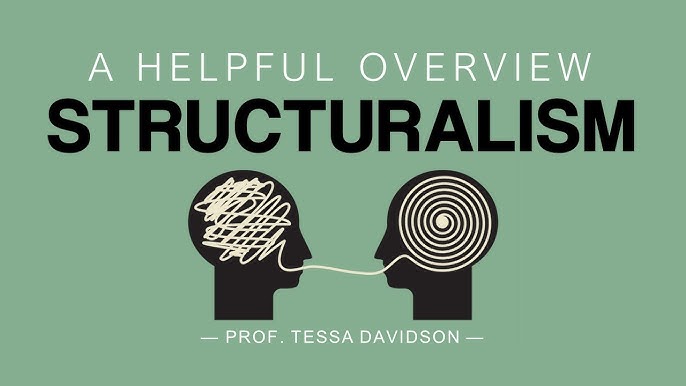
structuralism
noun
A method of interpretation and analysis of aspects of human cognition, behavior, culture, and experience that focuses on relationships of contrast between elements in a conceptual system that reflect patterns underlying a superficial diversity.
Example: He advocated structuralism as an alternative to survival of the fittest in governing the form of species.
en: structuralisme
sublimation
noun
The diversion or modification of an instinctual impulse into a culturally higher or socially more acceptable activity.
Example: While research on sublimation isn't yet widespread, some studies have explored how it may impact our mental and emotional wellbeing.




:max_bytes(150000):strip_icc()/Reflexology-f0678a74fe244ba2b514786310027777.jpg)