Hi my name is Derek. I am 23 years old, and i studied Industrial engineering at college Ahuntsic. I am currently in my third year, which is also my final session here. I have created this glossary to help people learn and understand common words used in my field, industrial engineering includes many technical terms that can be difficult to understand.This glossary will make it easier for students and anyone interested in Industrial engineering to follow that engineers are saying. Each word in this glossary will include a clear definition, an audio to help you say the word correctly, an example sentence to show how is used, and in some cases, an image to illustrate the concept.
5d methodology
Noun
The 5D methodology is a problem-solving framework that involves five sequential steps: Discover, Define, Design, Develop, and Deploy
Example: we implemented the 5s methodology in the workshop to organize workspaces for efficiency and safety.
fr: Méthodologie 5s
Bottleneck
noun
A bottleneck refers to a stage in a project that stalls or completely stops subsequent tasks and outcomes
Example: Rough cut capacity planning is about the potential problem in capacity such as BOTTLENECK. They need to be solved before execution of MPS. Finally' the MPS decentralize all input information to material requirement planning (MRP) system.
fr: poste goulot
cycle time
noun
Cycle time, in its most general sense, refers to the total elapsed time from the start to the completion of a process or task.
Example: effective engineering of CYCLE TIME reduction always leads to significant bottom line improvements in manufacturing costs and productivity (Towill, 1996).
fr: temps de cycle
Flowchart
noun
a diagram of the sequence of movements or actions of people or things involved in a complex system or activity.
Example: Decision FLOWCHART To identify whether or not outsourcing is appropriate, several background questions must be answered.
fr: Diagramme de flux
Flux de processus
noun
It refers to the sequential steps or actions involved in a business process, often visualized using a diagram or flow chart. This diagram, sometimes called a process flow diagram or process flowsheet, maps out the flow of materials, information, or activities within a process, from start to finish
Example: to visualize how materials or information move through a system
fr: flux de processus
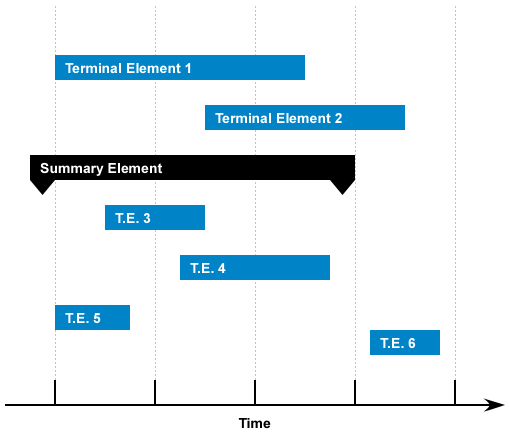
Gantt chart
noun
a chart in which a series of horizontal lines shows the amount of work done or production completed in certain periods of time in relation to the amount planned for those periods.
Example: FIGURE 3 (Orr, 2003) Strengths of GANTT CHART: Gantt charts are widely accepted and used in various industries all over the world. Summarising the strengths of Gantt charts the following could be mentioned (Grover, 2002); Time is always in the foreword direction, i.e. linear.
fr: Diagramme de gantt
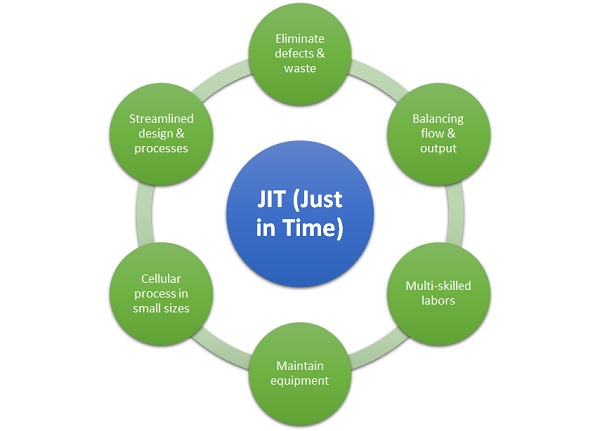
Just-in-time
noun
The just-in-time (JIT) inventory system is a management strategy that aligns raw-material orders from suppliers directly with production schedules. Companies employ this inventory strategy to increase efficiency and decrease waste by receiving goods only as they need them for the production process, which reduces inventory costs. This method requires producers to forecast demand accurately.
Example: The term is often used in connection with lean manufacturing (Womack et al., 1990) to imply a "zero inventory", JUST-IN-TIME approach.
fr: Juste- à - temps
Kanban
noun
a Japanese manufacturing system in which the supply of components is regulated through the use of an instruction card sent along the production line.
Example: A card type system as KANBAN which works as authority of production controls the basic transaction.
fr: kanban
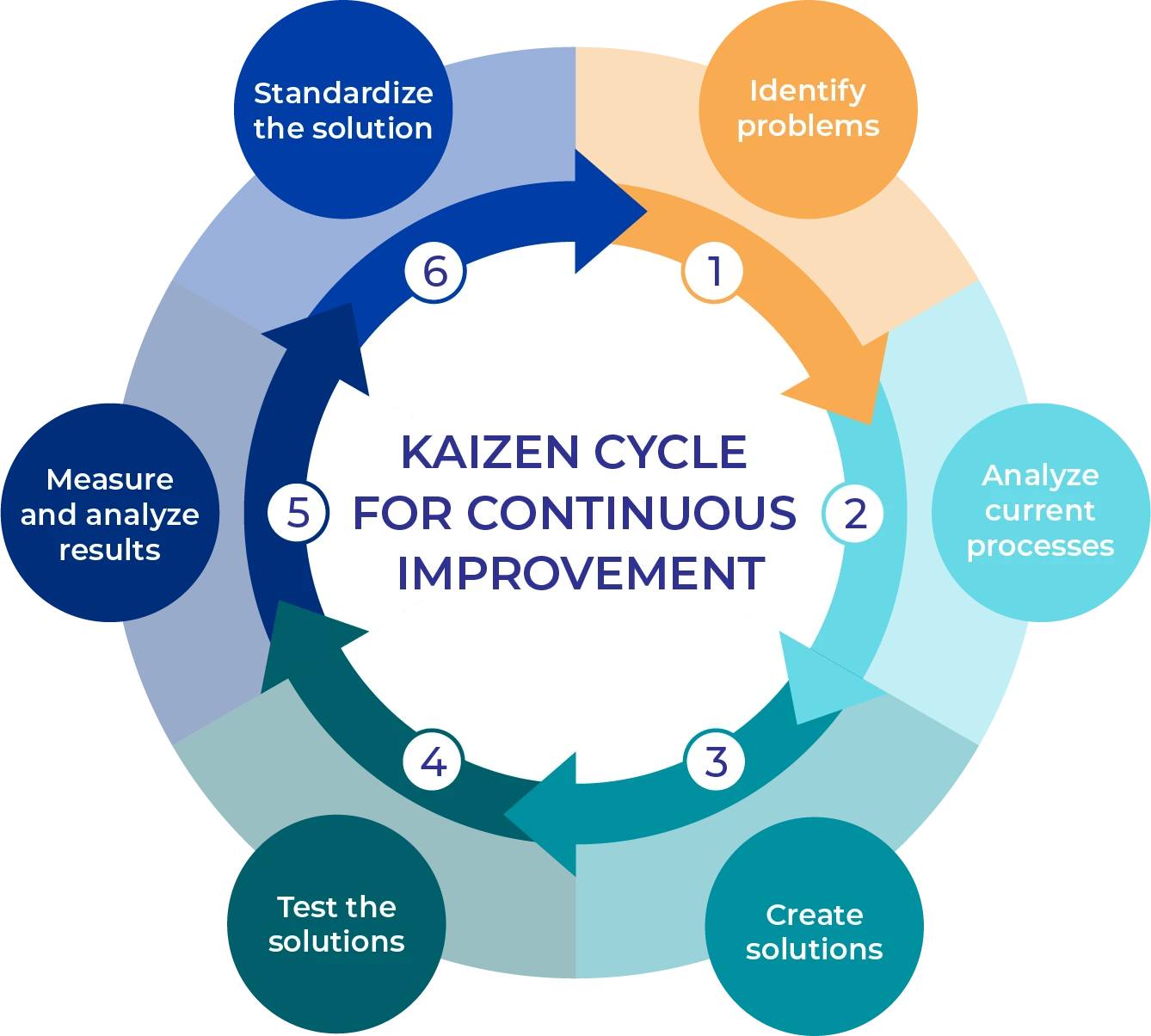
Keizen
noun
Kaizen, a Japanese term, refers to a philosophy and practice of continuous improvement in both personal and professional contexts
Lean manufacturing is a production philosophy that focuses on minimizing waste while maximizing customer value.
Example: Lean is about doing more with less. The term is often used in connection with LEAN MANUFACTURING (Womack et al., 1990) to imply a "zero inventory", just-in-time approach. In practice Minimum Reasonable Inventory (MRI) is a more relevant philosophy (Grunwald and Fortuin, 1992). Paradoxically, many companies that have adopted LEAN MANUFACTURING as a business practice are anything but agile in their supply chain. The car industry in many ways illustrates this conundrum.
fr: Fabrication Lean
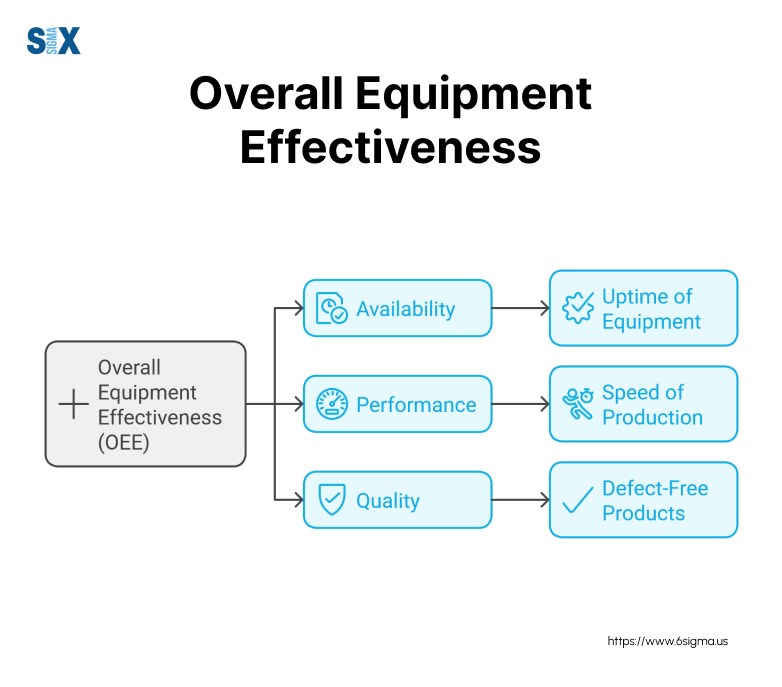
overall equipement effectiveness
noun
Overall Equipment Effectiveness (OEE) is a metric that measures how efficiently a manufacturing process or piece of equipment is utilized, considering three main factors: availability, performance, and quality.
Example: we monitor the overall equipment effectiveness daily
fr: efficacité globale des équipements
Poka-yoke
noun
Poka-yoke, meaning "error-proofing" in Japanese, is a Lean Manufacturing strategy that aims to prevent or immediately identify errors during a process
Example: to prevent human errors in assembly
fr: poka - yoke
Root cause analysis
noun
Root Cause Analysis (RCA) is a systematic problem-solving approach used to identify the fundamental reasons behind issues or failures, rather than just addressing the immediate symptoms
Example: to investigate and solve recurring problems
fr: cause rascine
six sigma
noun
a set of management techniques intended to improve business processes by greatly reducing the probability that an error or defect will occur.
Example: Improve quality Rework, scrap and all kinds of defects have negative effect in productivity, so quality improvement is a significant method for increasing production capacity. we can employ some advanced quality control methods such as SIX SIGMA. SIX SIGMA project aims to continually improve process quality and reduce defects which include five steps: Define, Measure, Analyze, Improve, and Control (DMAIC).
fr: six sigma
Standard operating procedure
noun
A Standard Operating Procedure (SOP) is a written set of instructions detailing the step-by-step process for performing a routine task or activity within an organization
Example: SOPs should be followed the same way every time to guarantee that the organization remains consistent and in compliance with industry regulations and business standards.
fr: procédure opératoire normalisée
Total productive maintenance
noun
Total Productive Maintenance (TPM) is a method of improving equipment effectiveness by engaging all employees in maintenance, not just the maintenance team.
Example: to involve all employees in maintaining equipment
fr: Maintenance productive totale
Value stream mapping
noun
Value Stream Mapping (VSM) is a lean management tool that uses a flowchart to visualize and analyze the flow of materials and information required to deliver a product or service from ideation to the customer
Example: To visualize and analyse the flow of materials and information.
fr: Cartographie de la chaine de valeur
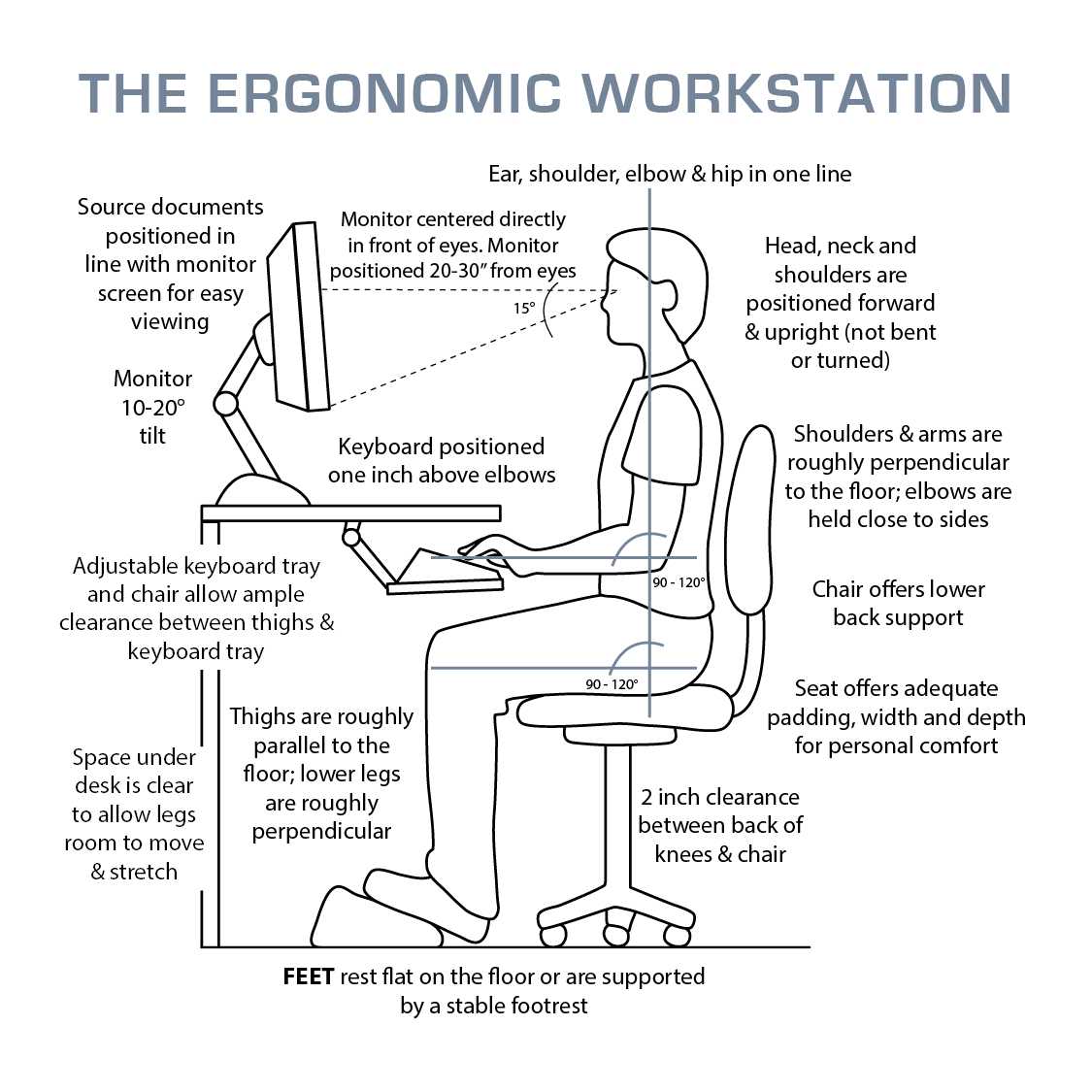
workstation ergonomics
noun
Workstation ergonomics is the science of designing a workspace and its components (like chairs, desks, and equipment) to fit the individual, minimizing strain and discomfort and promoting health and safety
Example: Good workstation ergonomics reduces injury risk