Hi, my name is Simone and I have been doing Sciences, Letters, and Arts for a year which is a comprehensive pre-university program, open to the world and its growing complexity.
Developed at the request of universities, this program enables students to explore the different fields of knowledge: natural sciences, social sciences, mathematics, arts, philosophy, and literature. It also includes the study of language and concepts related to each of these disciplines. The versatility of this program enables students to acquire an in-depth general culture and gain access to all university study programs. I have created this glossary to help students or people interested in Science, Letters and Art. The glossary will help understand the meaning of 18 words related to this program. Each word will have a definition, an audio pronunciation to help people say the word correctly, an example of how we can use the word in a sentence and images.
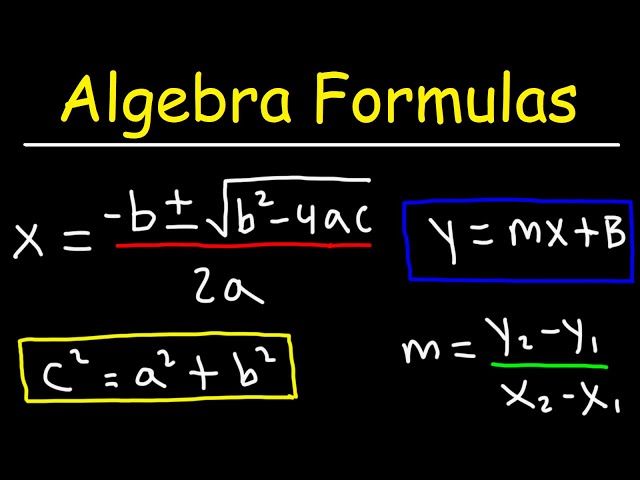
algebra
noun
A part of mathematics in which signs and letters represent numbers.
Example: Correctly solving the algebra problem was taken as a demonstration that the system understood the written statement of the problem.
en: algèbre
art history
phrase
The study of artistic expressions and their evolution across time and cultures. It encompasses the analysis of art objects, their creation, and their significance within their historical and cultural contexts.
Example: Employing classical art history in combination with post-processualism it offers a radically new account of the southern part of the island in this period.
en: histoire de l'art
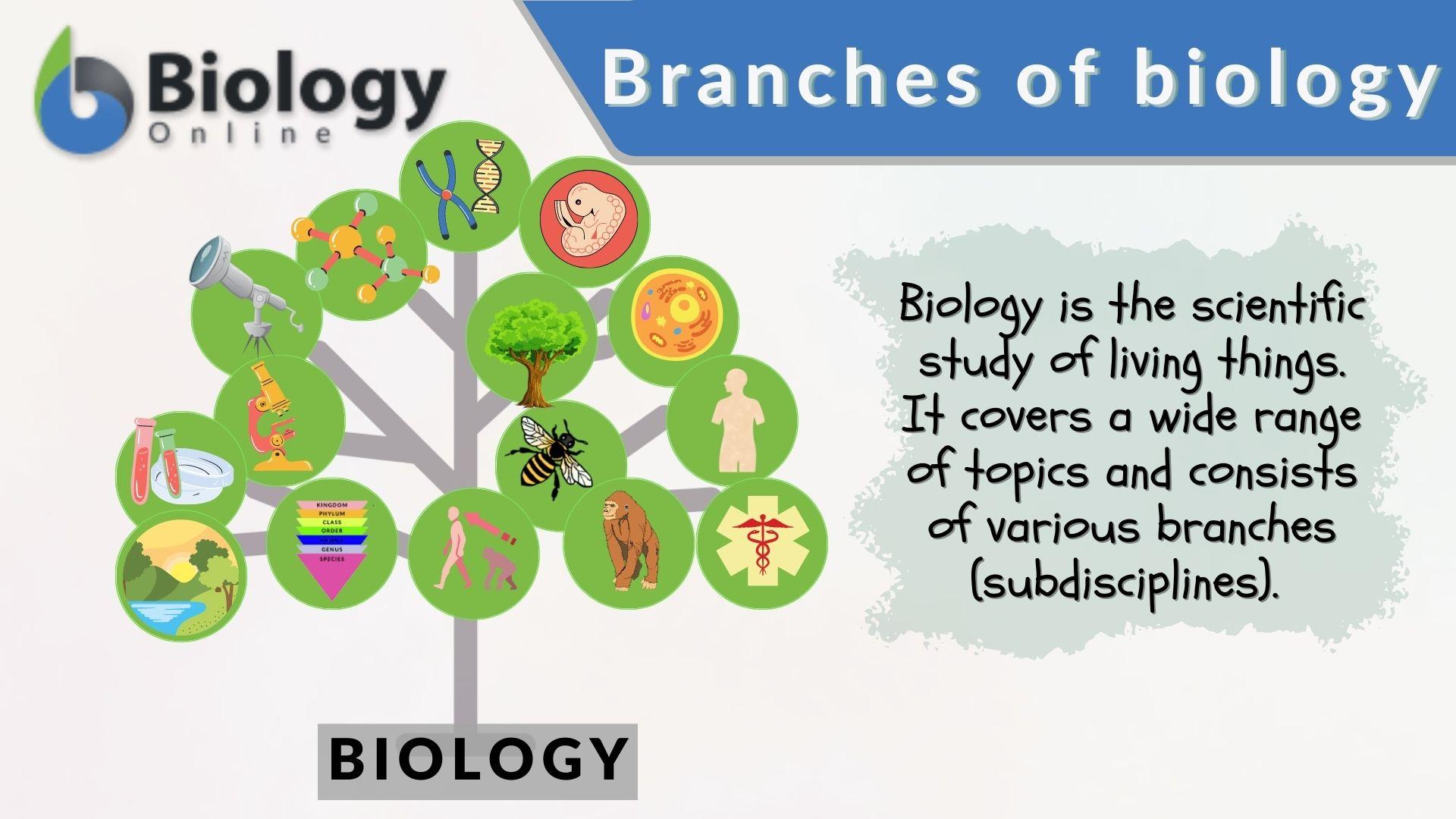
biology
noun
The scientific study of the natural processes of living things like human biology, marine biology and molecular biology.
Example: We had to dissect a worm and a frog in our biology practical today.
en: biologie
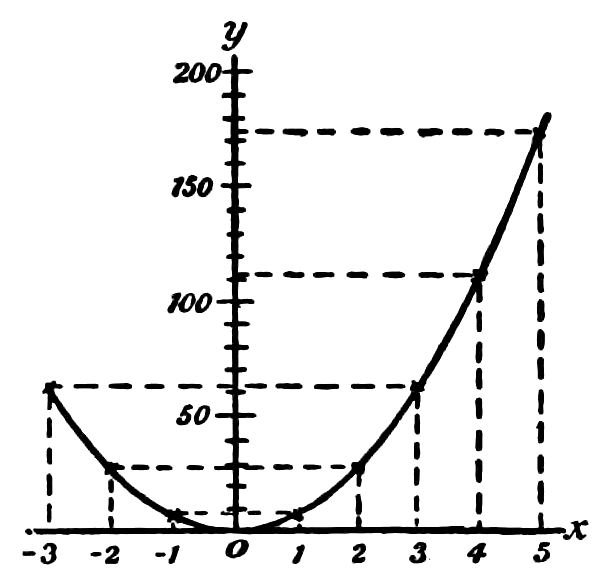
calculus
noun
An area of advanced mathematics in which continuously changing values are studied.
Example: It is essential to understand functions and derivatives, key building blocks in calculus.
en: calcul
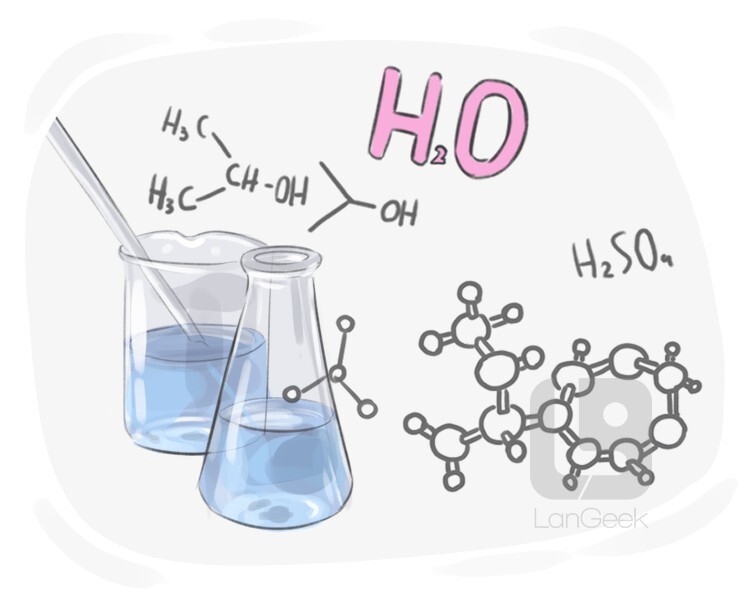
chemistry
noun
the scientific study of the composition, structure, properties, and reactions of matter, especially at the atomic and molecular level.
Example: a chemistry department/laboratory
en: chimie
ecology
noun
The relationships between the air, land, water, animals, plants, etc., usually of a particular area, or the scientific study of ecology.
Example: The oil spill caused great damage to the fragile ecology of the coastline.
en: écologie
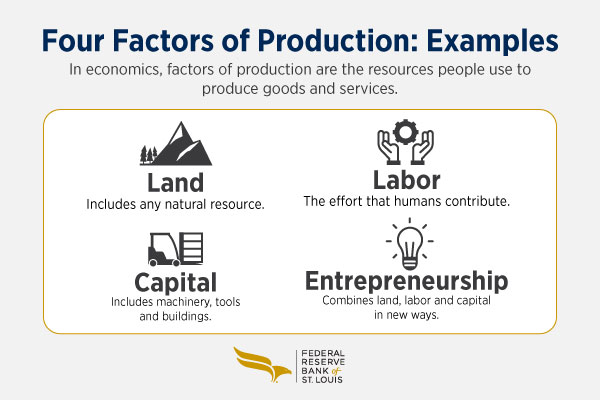
economics
noun
Study that addresses contemporary issues related to economics and international politics.
Example: Their ideas sound fine in principle, but they haven't worked out the economics behind the policies.
en: économies
ethics
noun
The study of what is morally right and wrong, or a set of beliefs about what is morally right and wrong.
Example: The student can make an ethic judgment on political problems in contemporary society. He or she must position himself or herself critically and independently in relation to the ethical and political issues and debates in today's society.
en: éthique
history
noun
The study of or a record of past events considered together, especially events of a particular period, country, or subject.
Example: The histories of urban administration and class (now, alas, in the doldrums), politics and social and occupational structure have also received regular attention.
en: histoire
literature
noun
A research method involving the systematic examination of existing scholarly works on a specific topic. It aims to analyze and synthesize research findings, identify trends, and reveal gaps in the existing body of knowledge.
Example: In academic writing, a literature study is a crucial component of research papers, dissertations, and other scholarly works.
en: littérature
man-world relation
phrase
Concept explored in philosophy, sociology, and various other fields. It encompasses the interconnection and interdependence between individuals, society, and the natural environment.
Example: The paper analyzes the ontological dialectic of man and world, including the cosmological dimension, offers a critique of the traditional “anthropocentric” approach, and reflects on the civilizational impact of a comprehensive “ontological anthropology.”.
en: l'homme et le monde
philosophy
noun
The study of the nature of reality and existence, of what it is possible to know, and of right and wrong behaviour, or a particular sets of beliefs of this type.
Example: Their philosophy is one of cooperation, differentiation and maximizing the potential of all members of staff and adults in the school community.
en: philosophie
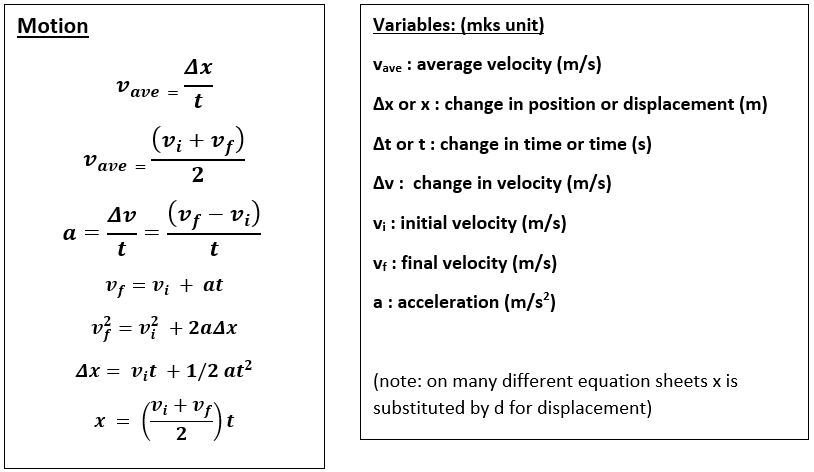
physics
noun
The branch of science concerned with the nature and properties of matter and energy. The subject matter of physics, distinguished from that of chemistry and biology, includes mechanics, heat, light and other radiation, sound, electricity, magnetism, and the structure of atoms.
Example: The effects of these forces on water penetration through exterior building walls follow the basic laws of physics and are well documented.
en: physique
politics
noun
The activities associated with the governance of a country or other area, especially the debate or conflict among individuals or parties having or hoping to achieve power.
Example: These proposals will help shape the politics of the country for years to come.
en: politique
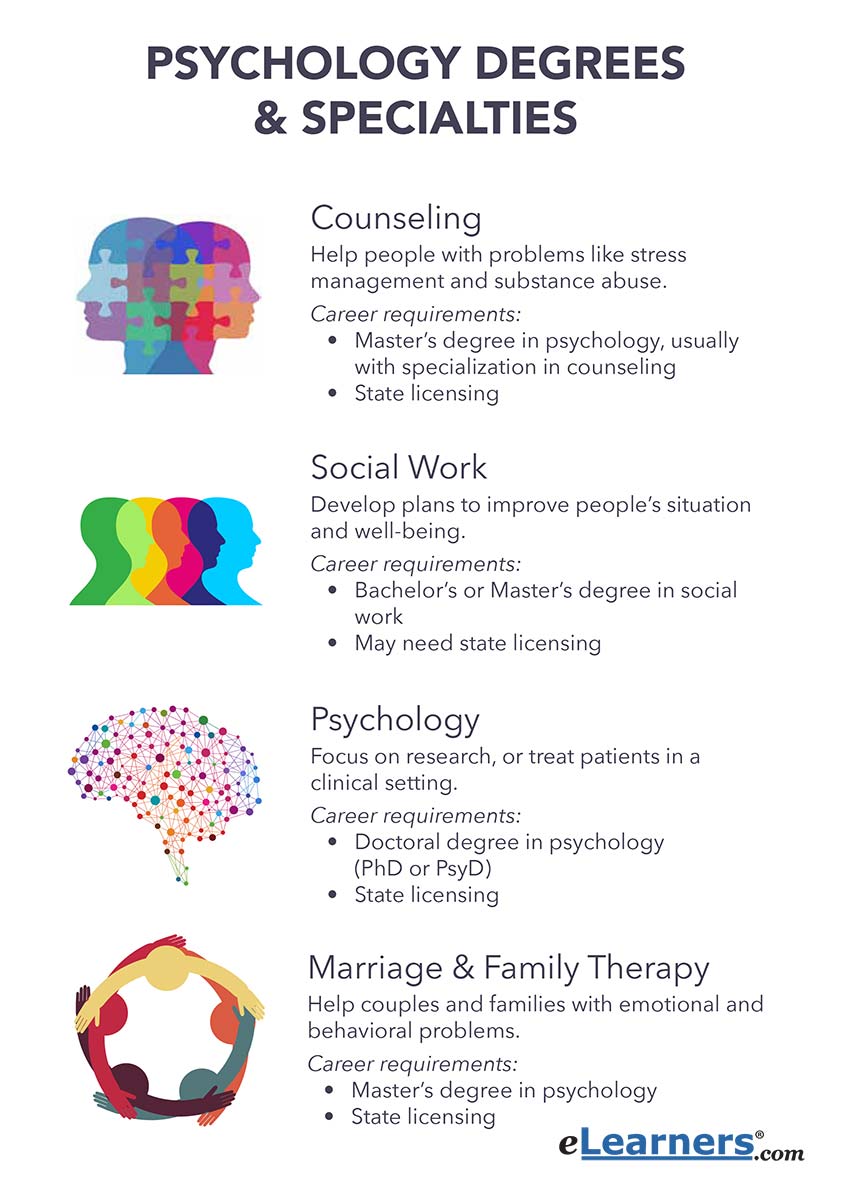
psychology
noun
The scientific study of the way the human mind works and how it influences behaviour, or the influence of a particular person's character on their behaviour.
Example: Understandings from neuropsychology, cognitive psychology and learning theory are combined within a rehabilitation framework that takes account of the personal context and surrounding social system.
en: psychologie
sociology
noun
The study of the relationships between people living in groups, especially in industrial societies.
Example: The concept of the life course is often subsumed within a contemporary sociology that assumes a high degree of diversity, fluidity and individual choice.
en: sociologie
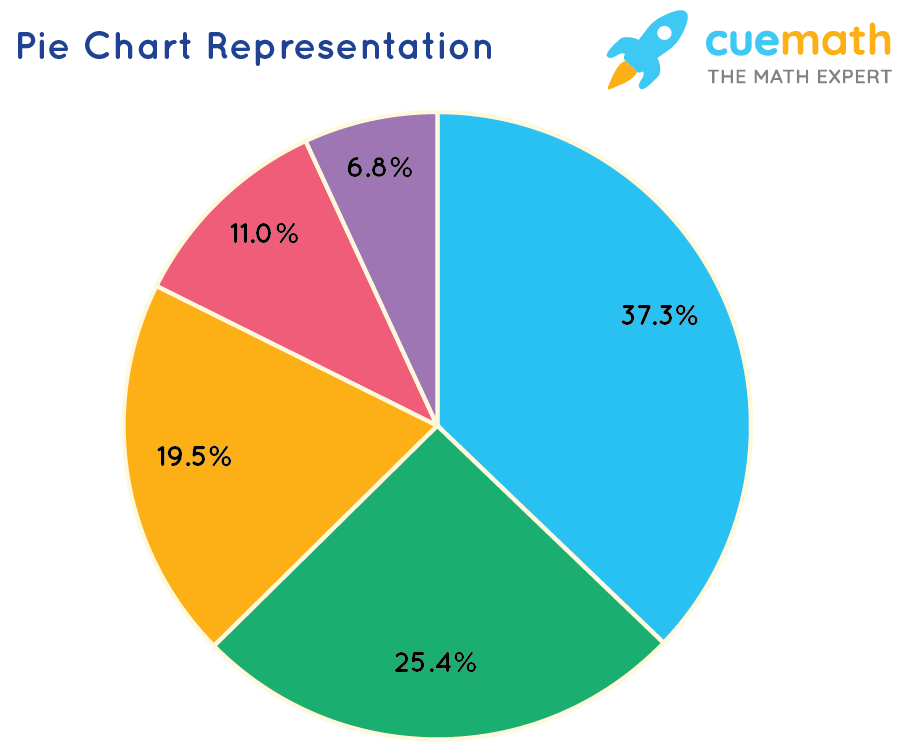
statistic
noun
A branch of mathematics dealing with the collection, analysis, interpretation, and presentation of masses of numerical data.
Example: The statistics show that, in general, women live longer than men.
en: statistique
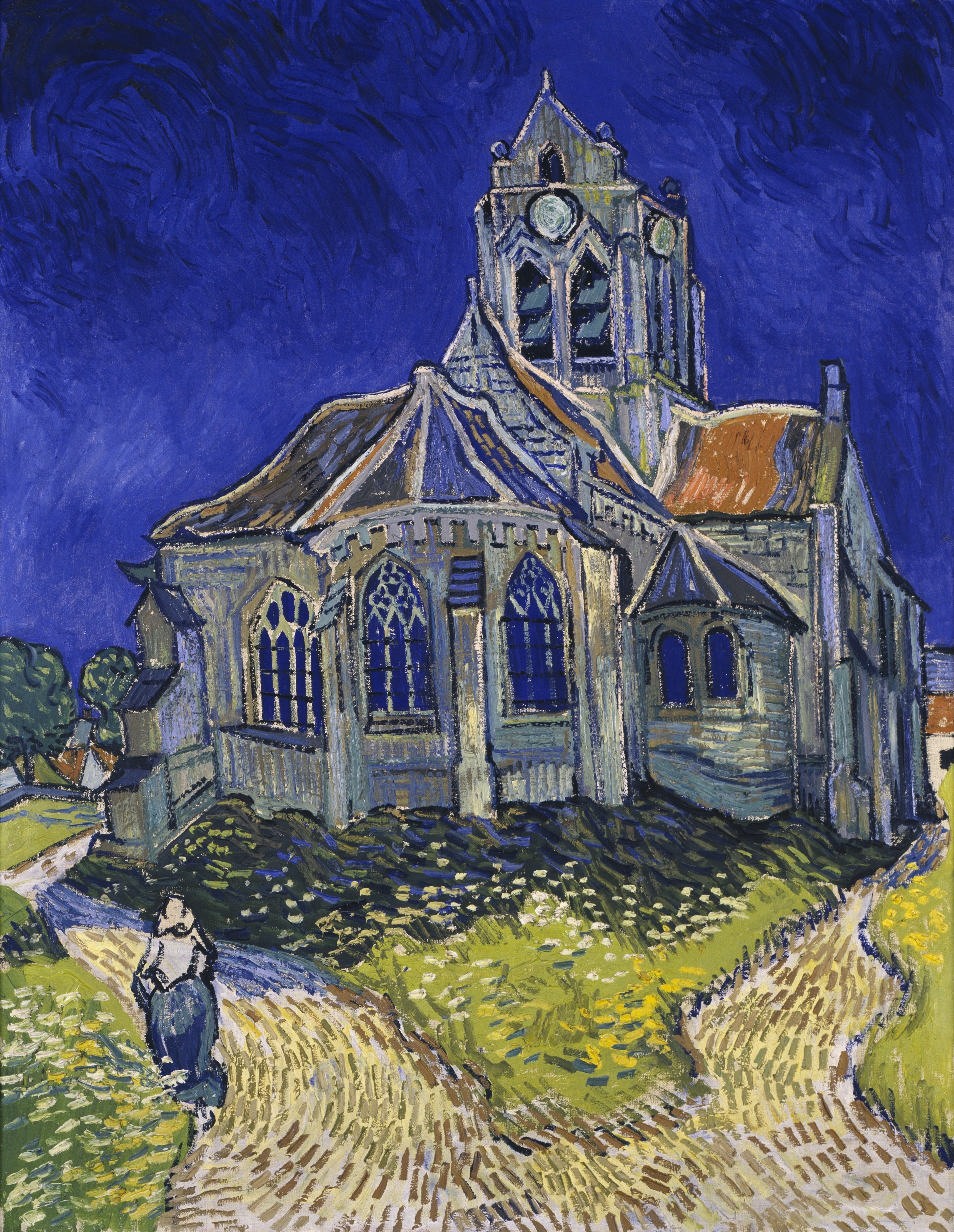
visual arts
noun
Creative art whose products are to be appreciated by sight, such as painting, sculpture, and film.
Example: An advantage: the presentation gives an unusually broad overview of the many interweavings and interconnections of the visual arts, literature and music.