Hi! I am a student at a college. I have been studying in the program named “Paralegal Technology” since 2024. It's a program where we study the laws, especially in Quebec. For example, we must read most of the Civil Code of Quebec articles. This glossary is, without a doubt, for the people who are curious about this program, the ones who want to apply to this program or the students who are already in the program. I believe it's important to understand specific words in our field of study. This is why this glossary will provide you with words that aren't taught at school, either hard to understand, or new.
act
noun
A proceeding designed to have a legal effect. An act by an individual aimed at altering, terminated, or otherwise affecting a legal right.
Example: A road accident can result in civil liability for the at-fault of the driver and compensation obligations for the victim.
fr: acte, fait juridique
affidavit
noun
A written statement confirmed by oath or affirmation, for use as evidence in court.
Example: In front of the judge, a witness affirms that all the facts he will present are true and solely true.
fr: déclaration sous serment
appellant
noun
A person who applies to a higher court for the reversal of the decision of a lower court.
Example: A person was unsatisfied with the Court of Quebec (lower court) decision. So, to get a reversal of the decision, this person went to the Court of Appeal (higher court).
fr: appelant
attorney
noun
One who is legally appointed to transact business on another's behalf; especially: a lawyer.
Example: A person who has a degree and has passed the bar exam. So, because of the bar exam, this person has the license to represent someone in front of a court.
fr: avocat
bail bond
noun
Bond provided by an insurance company through a bail bondsman acting as an agent for the company.
Example: A sum of money that a defendant or bail bond agency provides to the court to guarantee the defendant's presence at trial. It allows someone to be released from pretrial custody as they await their court appearance.
fr: caution
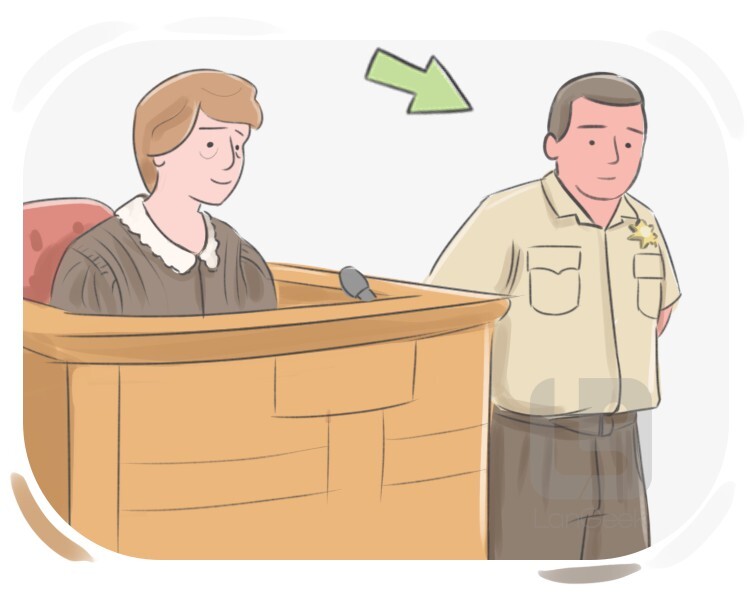
bailiff
noun
An officer, similar to a sheriff's deputy, employed to execute writs and processes, make arrests, and keep the order in the court.
Example: In courtrooms, bailiffs may assist with courtroom-related duties and maintain order.
fr: huissier
clause
noun
A particular and separate article, stipulation, or proviso in a treaty, bill, or contract.
fr: clause
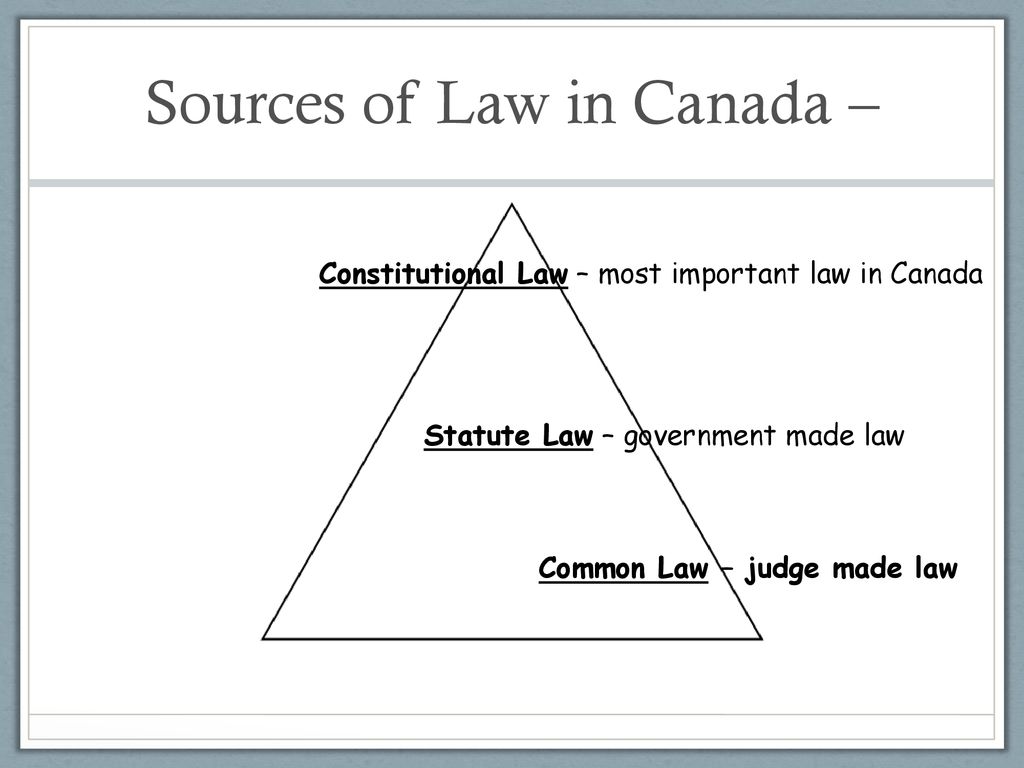
common law
noun
The part of the unwritten English law that is derived from custom and judicial precedent rather than statutes. Often contrasted with statutory law.
Example: Court decisions are a major source of law, unlike the civil law system, which is based mainly on written and codified laws.
fr: common law
constitutional law
noun
The body of law which defines the relationship of different entities within a state, namely, the executive, the legislature, and the judiciary.
Example: This substantial law is the body of legal rules and principles that govern the structure and powers of the Canadian government.
fr: loi constitutionnelle
custody
noun
The act of keeping safe or guarding; the right of guardianship of a minor.
Example: Parents have the right to make important decisions for their child (minor).
fr: garde
default judgment
noun
A judgment entered in favor of the plaintiff when the defendant defaults (fails to appear in court).
Example: The defendant didn't show up to court. So, the plaintiff will have more chances to be declared the "winner" of the case.
fr: jugement par défaut
dismiss
verb
To bid or allow a person to go.
Example: The judge ordered the plaintiff to be dismissed for this case.
fr: décharger, partir
expunge
verb
Erase or remove completely (something unwanted or unpleasant).
Example: Once an order of expunging is issued, the Royal Canadian Mounted Police (RCMP) must destroy or remove the judicial record from its repositories and systems.
fr: effacer, enlever
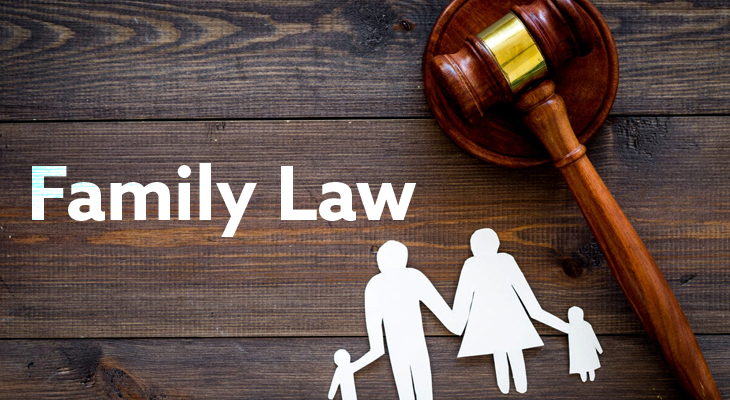
family law
noun
An area of the law that deals with family-related matters and domestic relations, including marriage, civil unions, and domestic partnerships; adoption and surrogacy, etc.
Example: A lawyer is only studying family law, especially divorce and separation.
fr: droit de la famille
habeas corpus
noun
From Latin for “to have the body”. A writ requiring a person under arrest to be brought before a judge or into court. To secure the person's release, unless lawful grounds are shown for their detention.
Example: The writ of habeas corpus allows lawyers to ask a judge whether their client's detention by the state is valid.
fr: habeas corpus
lawyer
noun
A person who practices or studies law; an attorney or a counselor.
Example: A person who has graduated from law school and earned a degree. This person doesn't have a license to represent someone like an attorney because this person didn't accomplish the bar exam. This person practices the law.
fr: avocat
notification
noun
The action of notifying someone or something.
Example: The plaintiff notified the defendant that he/she will take legal action.
fr: notification
prejudice
noun
Harm or injury that results or may result from some action or judgment.
Example: Legal prejudice can be caused by “serious delay” in a case, affecting the ability to defend.
fr: préjudice
subrogation
noun
The substitution of one person in the place of another concerning a lawful claim, demand, or right.
Example: C is selling a boat to Z. However, B pays for C's boat in the place of Z. Therefore, Z has to refund the boat's payment to B.
fr: subrogation
verdict
noun
A decision on a disputed issue in a civil or criminal case or an inquest.
Example: The jury returned a verdict in favor of the plaintiff.