18 Electric Genie in Automation and Control. terms
Hello, my name is Jahmal Petit-Frère I am 17 years old and i'm currently studying in Génie électrique: automatisation et contrôle at Ahuntsic CEGEP. It is my first session in this program and there are a lot of words that are specific to this field of study. I made this glossary to help people understand better certain difficult words related to electrical engineering. To help myself and others, I created this glossary to explain 18 key terms related to electrical engineering.
alternating current
Noun
Electric current that reverses direction periodically.
Example: Alternating current is used in household power outlets.
fr: courant alternatif
alternator
Noun
An electrical machine that converts mechanical power into AC electric power.
Example: The alternator helps charge the car's battery.
fr: alternateur
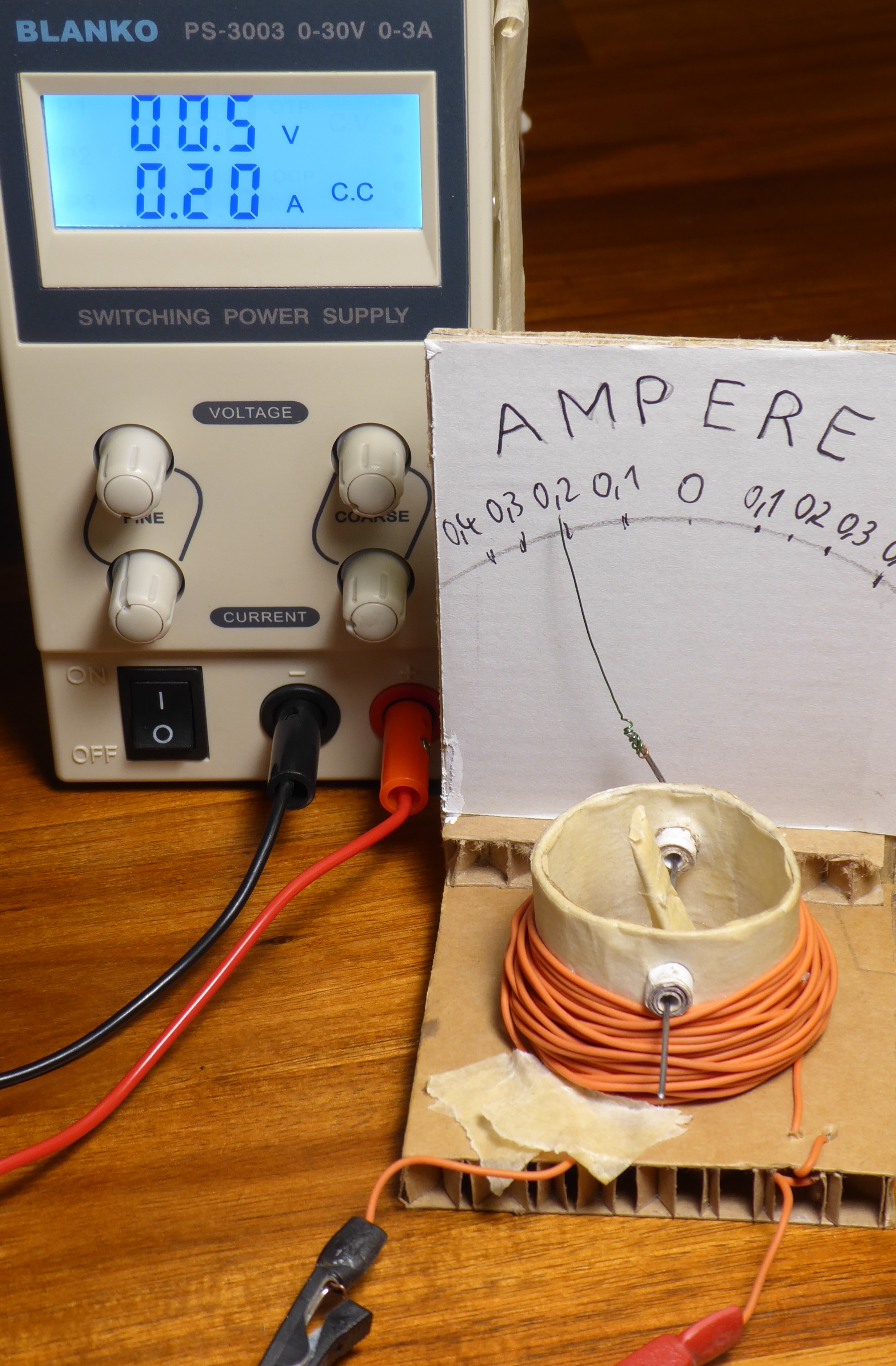
ampere
Noun
The unit of electrical current.
Example: The car uses about 50 amperes of current when starting.
fr: ampère
balun
Noun
A device that connects a balanced transmission line to an unbalanced line.
Example: The balun is used to connect an antenna to a coaxial cable.
fr: balun
capacitance
Noun
The ability of a body to hold an electrical charge.
Example: The capacitance of the capacitor is 10 farads.
fr: capacitance
cathode
Noun
The terminal of an electrochemical or electronic device from which conventional current exits the device.
Example: Electrons enter the tube through the cathode.
fr: cathode
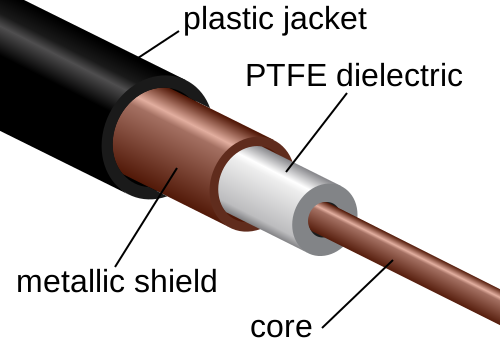
coaxial cable
Noun
A cable with an inner conductor centered inside a flexible tubular conductor, used for radio frequency transmission lines.
Example: The coaxial cable transmits television signals.
fr: câble coaxial
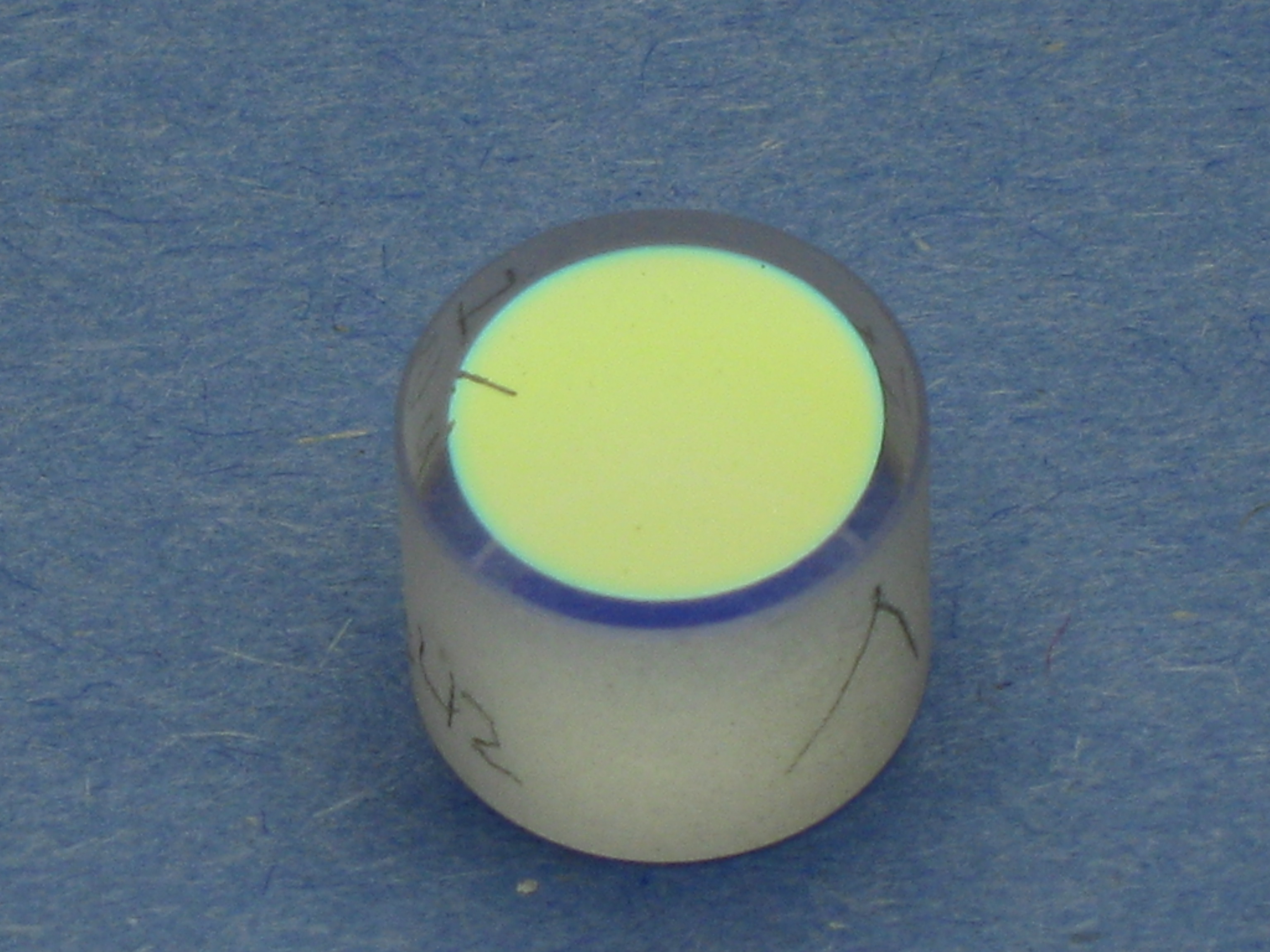
dielectric
Noun
A material that does not allow free flow of electric current.
Example: Plastic is often used as a dielectric material in capacitors.
fr: diélectrique
diode
Noun
A two-terminal passive circuit element, with a preferred direction of current flow.
Example: The diode prevents current from flowing the wrong way.
fr: diode
direct current
Noun
Electric current that flows in one direction only.
Example: Batteries produce direct current.
fr: courant continu
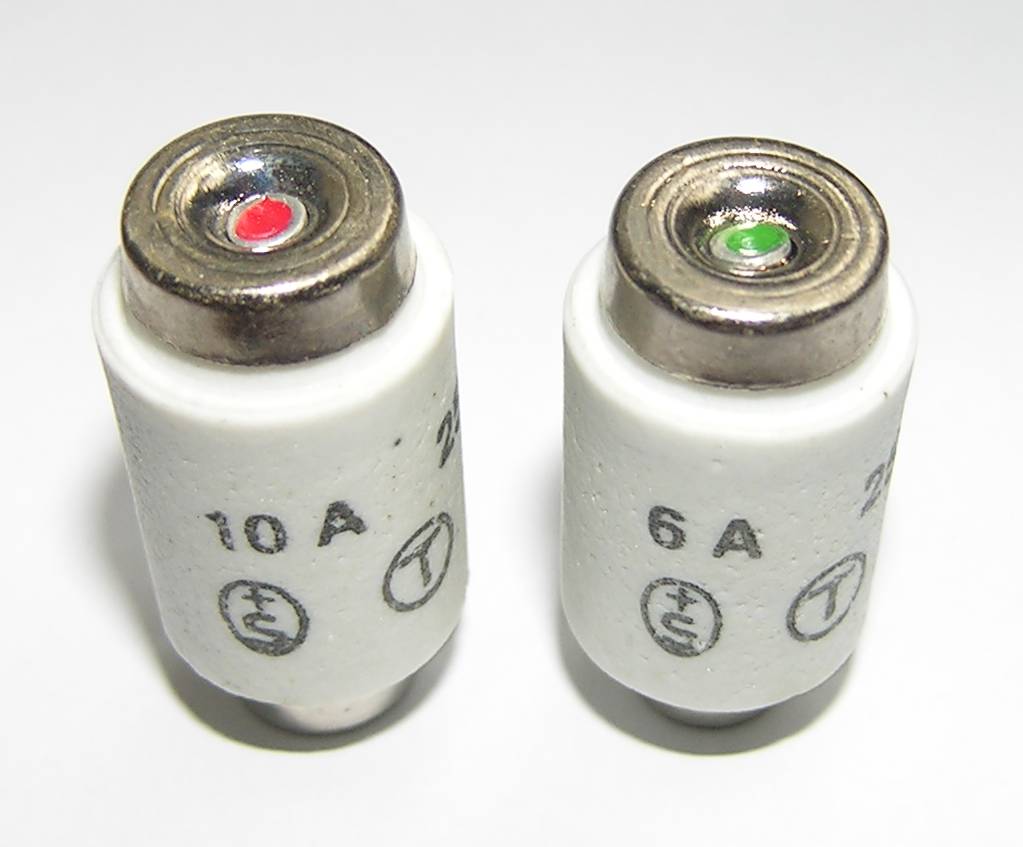
fuse
Noun
A circuit protective device that interrupts excessive current by melting a metal strip.
Example: The fuse blew because of an overload.
fr: fusible
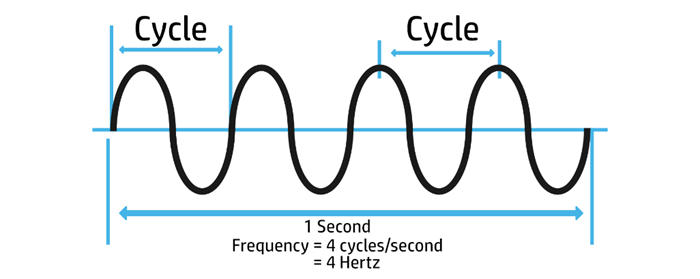
hertz
Noun
The SI unit of frequency, equivalent to one cycle per second.
Example: Household electricity in Quebec has a frequency of 60 hertz.
fr: hertz
LAN
Noun
Local Area Network, an interconnection of computers over a building or small campus.
Example: The school’s computers are connected to a LAN.
fr: réseau local
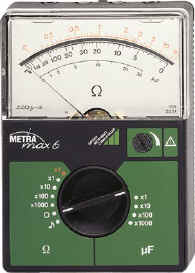
ohmmeter
Noun
An instrument that measures electrical resistance.
Example: He used an ohmmeter to check the wire for resistance.
fr: ohmmètre
oscilloscope
Noun
An instrument for graphically displaying a waveform as a function of time.
Example: The teacher uses an oscilloscope to show the electrical signal.
fr: oscilloscope
sensor
Noun
A device or system that converts some physical event into an electronic signal, for further use in measurement or control.
Example: The sensor detects motion in the room.
fr: capteur
volt
Noun
The unit of electrical potential difference; moving a charge of one coulomb through a potential of one volt transfers one joule of energy.