Hi! My name is Félicia, and I study Natural Science since 2023. The main purpose of this biology glossary is to help student understand complex scientific vocabulary, in order to make scientific texts more accessible. This glossary can also be helpful for students who want to study for exams or write lab reports. Moreover, this glossary makes biology more accessible for anyone who wants to know more about biology. I used a biology dictionary to find the words and their definition. It has 20 words and include images, pronunciations, translation in French, and of course simple definitions. I hope you will like this biology glossary! If you want more information, this is where I found the definitions : https://biologydictionary.net/complete-list-biology-terms/
adenosine triphosphate (ATP)
phrase
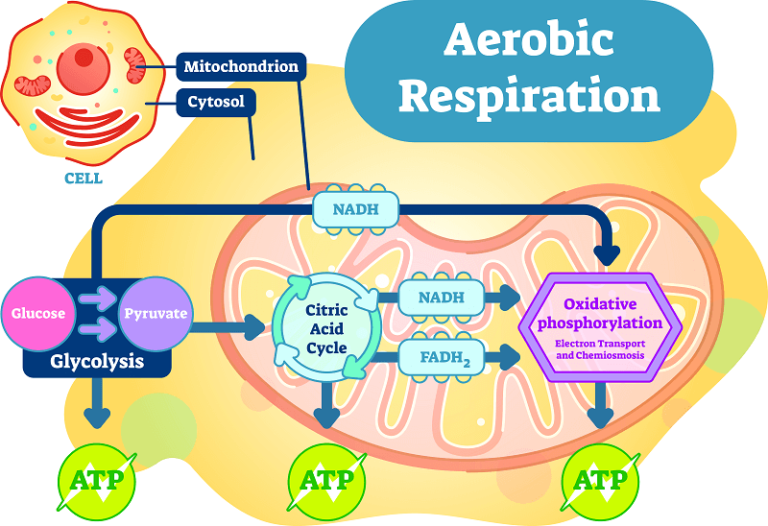
Adenosine triphosphate, also known as ATP, is a molecule that carries energy within cells. It is the main energy currency of the cell, and it is an end product of the processes of photophosphorylation (adding a phosphate group to a molecule using energy from light), cellular respiration, and fermentation. All living things use ATP.
Example: ATP is produced through several different methods.
en: adénosine triphosphate
aerobic respiration
phrase
Aerobic respiration is the process by which organisms use oxygen to turn fuel, such as fats and sugars, into chemical energy. In contrast, anaerobic respiration does not use oxygen.
Example: Aerobic respiration is much more efficient, and produces ATP much more quickly, than anaerobic respiration.
en: respiration aérobie
aldosterone (C21H28O5)
noun
Aldosterone (C21H28O5) is a mineralocorticoid hormone compound secreted by the adrenal gland cortex.The main function of aldosterone is to increase reabsorption within the latter portion of the distal tubule of the nephron and the collecting ducts.
Example: Aldosterone also activates the mechanism of hydrogen ion secretion in the collecting ducts.
en: aldostérone
apoplexy
noun
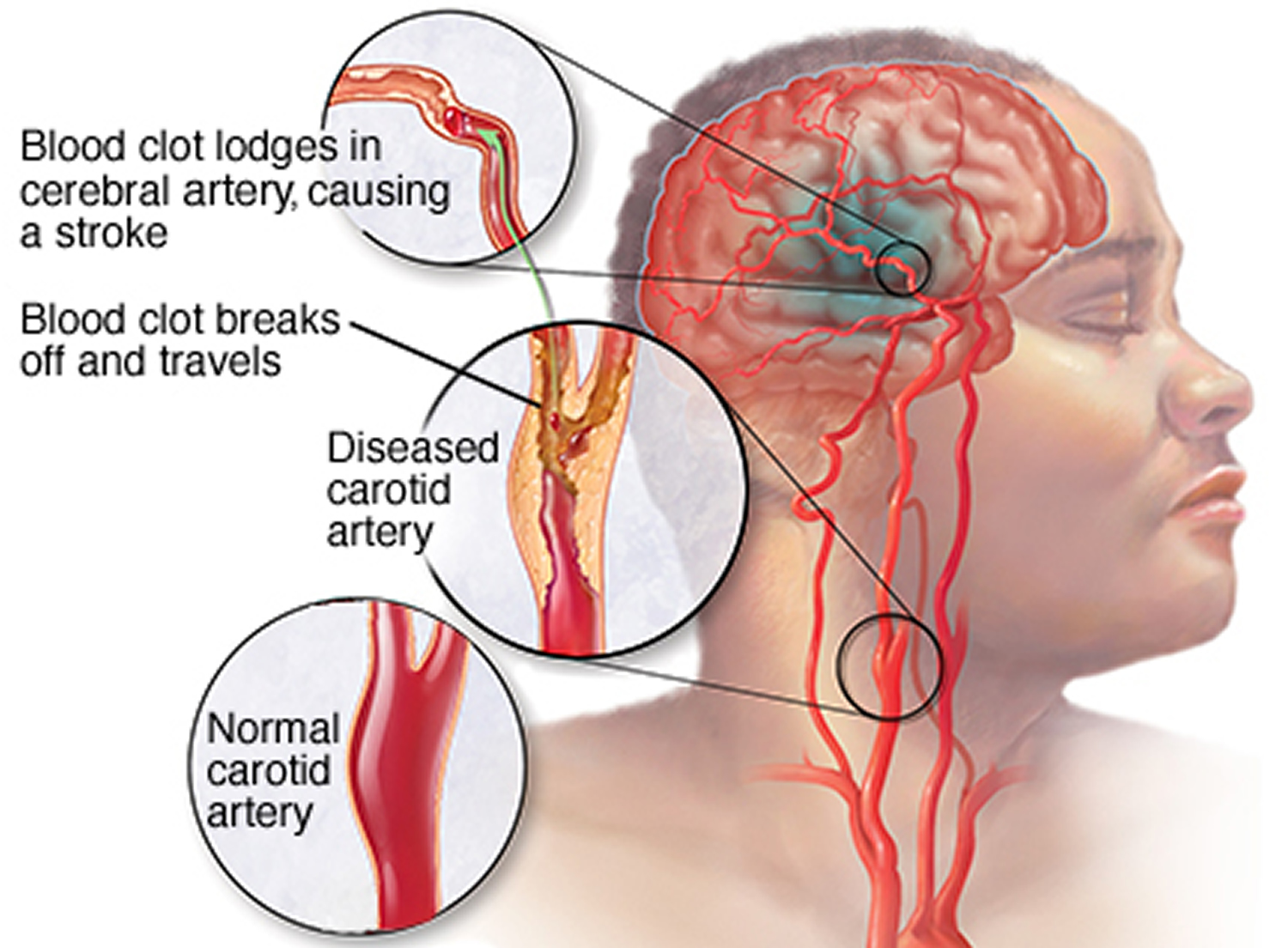
Apoplexy is a term used to describe internal bleeding and the accompanying symptoms.
Example: Because he has apoplexy caused by a cerebral hemorrhage, he can no longer speak.
en: apoplexie
autotroph
noun
Autotrophs are organisms that can produce their own food, using materials from inorganic sources. The word “autotroph” comes from the root words “auto” for “self” and “troph” for “food.”
Example: Autotrophs are extremely important because without them, no other forms of life can exist.
en: autotrophe
bioavailability
noun
When a substance such as a medicine or supplement enters your system, the portion of the total substance introduces which can effectively create a response determines that substance’s bioavailability.
Example: The new drug had a higher bioavailability than the older one.
en: biodisponibilité
clustered regularly interspaced short palindromic repeats (CRISPR)
phrase
Clustered regularly interspaced short palindromic repeats (CRISPR) are short, repeating stretches of DNA. The CRISPR/Cas9 system also provides the basis for a genome editing tool that can be used to permanently modify genes in a specific, targeted manner.
Example: CRISPR has the potential to cure genetic diseases.
en: courtes répétitions palindromiques groupées et régulièrement espacées
convergent Evolution
phrase
Convergent evolution is the process in which organisms that are not closely related independently evolve similar features.
Example: The fact that bats and birds have wings but are not closely related is an example of convergent evolution
en: évolution convergente
denature
verb
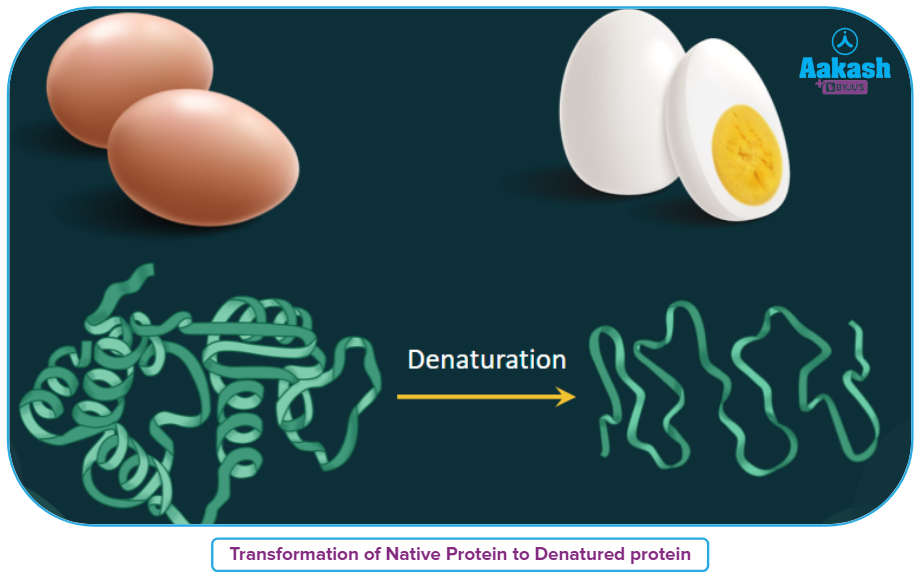
Denaturing a biological molecule refers to the loss of its three-dimensional (3-D) structure. Since molecules like proteins and DNA depend on their structure to accomplish their function, denaturation is accompanied by a loss of function. However, denaturation has no impact on the amino acid sequence of the protein itself.
Example: Cooking meat denature proteins and make them easier to digest
en: dénaturer
dendrite
Noun
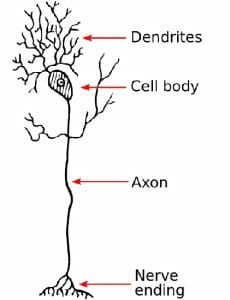
Dendrites are projections of a neuron (nerve cell) that receive signals (information) from other neurons.
Example: If dendrites are damaged, neurons can't communicate properly.
en: dendrite
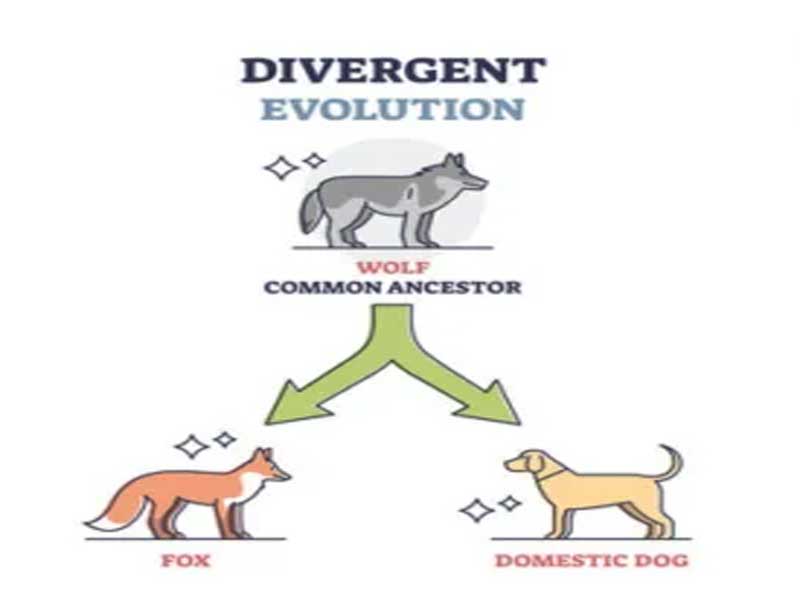
divergent evolution
phrase
Divergent evolution is the process whereby groups from the same common ancestor evolve and accumulate differences, resulting in the formation of new species.
Example: Alternatively, divergent evolution may take place in response to changes in biotic factors, such as increased or decreased pressure from competition or predation.
en: évolution divergente
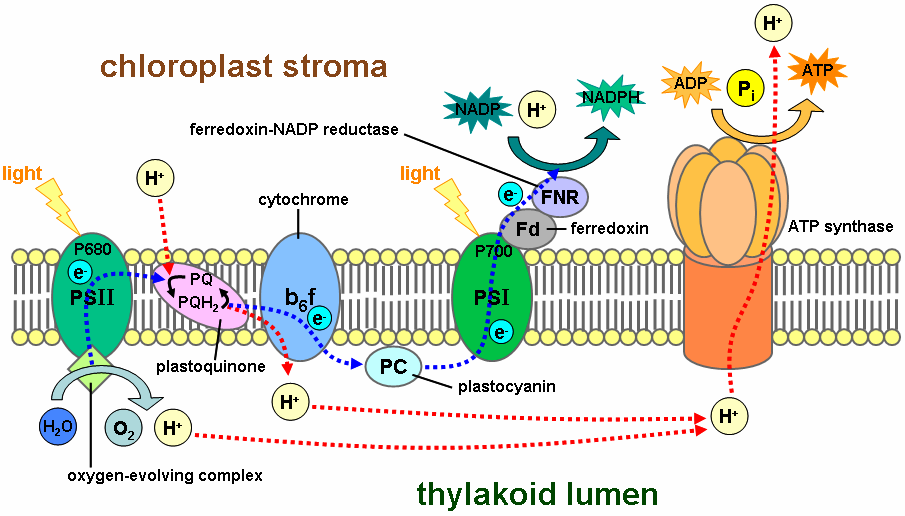
electron transport chain
phrase
The electron transport chain is a cluster of proteins that transfer electrons through a membrane within mitochondria to form a gradient of protons that drives the creation of adenosine triphosphate (ATP).
Example: The electron transport chain involves a series of redox reactions that relies on protein complexes to transfer electrons from a donor molecule to an acceptor molecule.
en: chaine de transport d'électrons
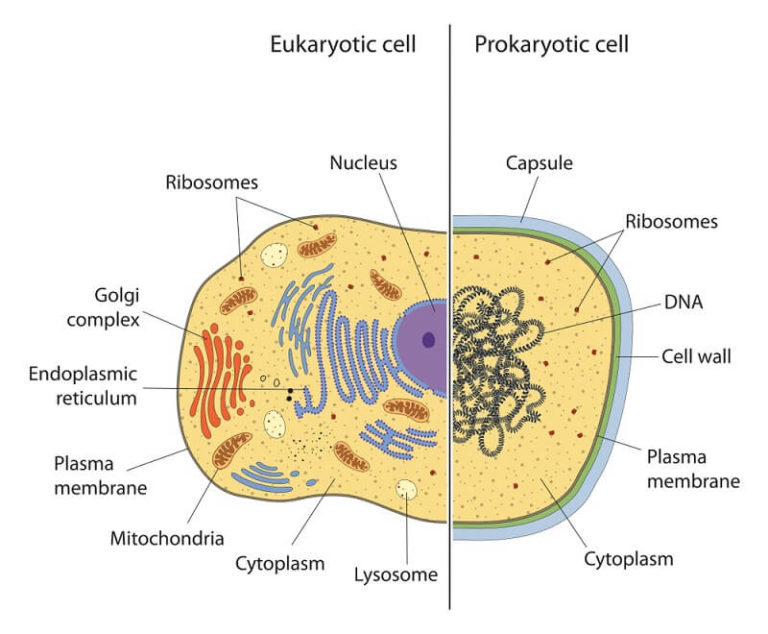
eukaryotic cell
phrase
A eukaryotic cell is one of two different types of cells. A eukaryotic cell contains membrane-bound organelles such as a nucleus, mitochondria, and an endoplasmic reticulum.
Example: Organisms that are based on the eukaryotic cell are called “eukaryotes” and include plants, animals, fungi, and protists. The only organisms that are not based on the eukaryotic cell are organisms based on a prokaryotic cell structure.
en: cellule eucaryote
genetic drift
phrase
Genetic drift is a change in allele frequency in a population, due to a random selection of certain genes.
Example: Genetic drift is much more likely in smaller populations of organisms.
en: dérive génétique
gluconeogenesis
noun
Gluconeogenesis is the formation of new glucose molecules in the body as opposed to glucose that is broken down from the long storage molecule glycogen.
Example: Gluconeogenesis is the opposite process of glycolysis, which is the breakdown of glucose molecules into their components.
en: gluconéogenèse
nephron
noun
A nephron is the basic unit of structure in the kidney. A nephron is used separate to water, ions and small molecules from the blood, filter out wastes and toxins, and return needed molecules to the blood.
Example: Each kidney in a vertebrate has hundreds to millions of nephrons.
en: néphron
nocebo effect
phrase
The nocebo effect, the opposite of the placebo effect, is a negative reaction caused by a non-medicated control substance, such as a sugar pill.
Example: If patients manifest the side-effects they were told about and never took the drug, this is a clear example of the nocebo effect.
en: effet nocébo
organelle
noun
The term organelle is derived from the word ‘organ’ and refers to compartments within the cell that perform a specific function.
Example: The other common organelles seen are mitochondria, plastids (among autotrophs), endoplasmic reticula, Golgi apparatus, lysosomes, and vacuoles.
en: organite
prokaryotic cell
phrase
A prokaryotic cell is a type of cell that does not have a true nucleus or membrane-bound organelles.
Example: Organisms within the domains Bacteria and Archaea are based on the prokaryotic cell, while all other forms of life are eukaryotic.
en: cellule procaryote
systole
noun
Systole is the phase of the cardiac cycle in which the heart muscles are contracted. Systole can be divided into atrial systole in which the atria contract, and ventricular systole when the ventricles contract.
Example: During systole, the ventricular pressure and arterial pressure spike.






:max_bytes(150000):strip_icc():format(webp)/cardiac_cycle-597a5d8168e1a200115e5937.jpg)