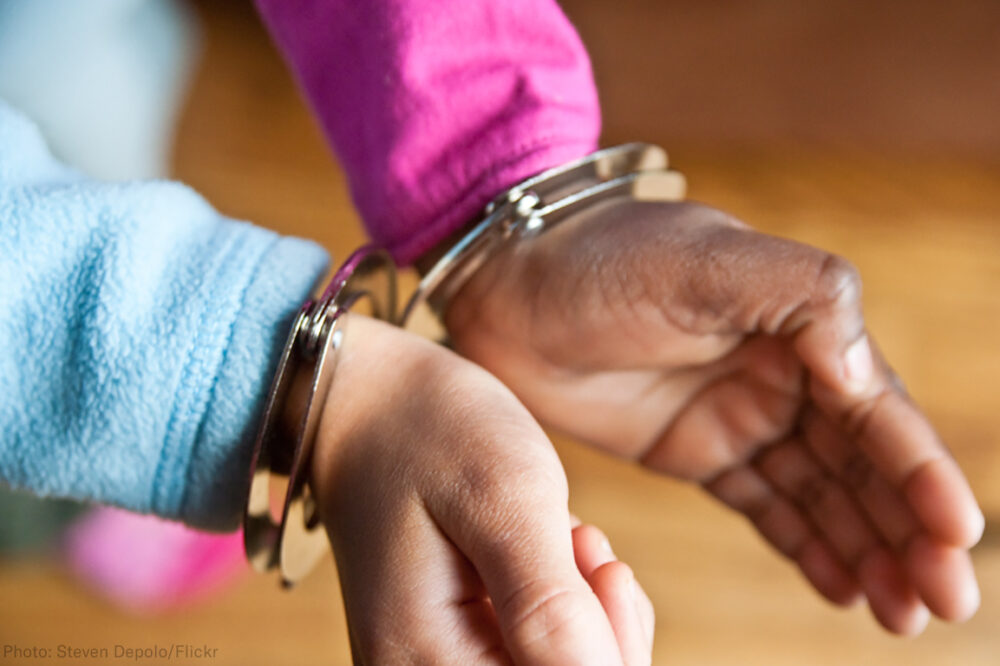
I am a student at Ahuntsic College. I am currently studying in criminology, the academic study of crime, its causes, and social responses to criminal behavior. This is my glossary about linguistics terms that will help you understand the words we use in our field.
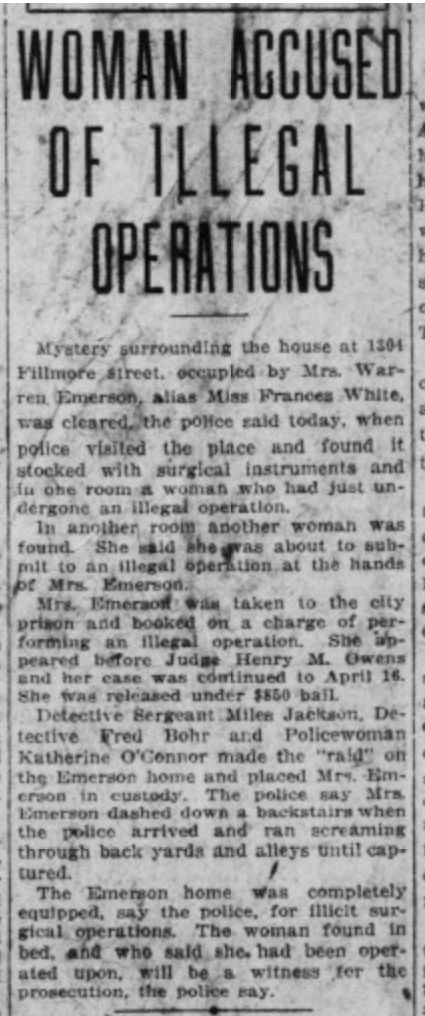
Accused
Noun
A person or group of people who are charged with or on trial for a crime.
Example: She was accused of possession of drogues.
fr: Accusé
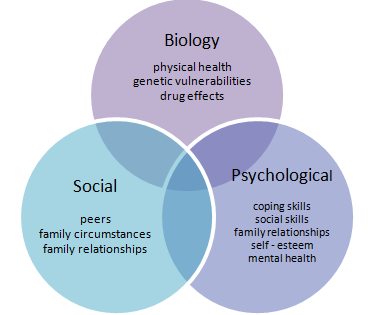
Biopsychosocial approach
Noun
A comprehensive way of understanding and treating diseases or disorders, taking into account the biological, psychological, and social factors that influence them
Example: The social worker used the biopsychosocial approach to understand and help the child
fr: Approche biopsychosociale
Charter Right
Noun
A guaranteed legal right or freedom enshrined in the Constitution, protecting individuals from governmental actions that infringe upon these rights
Example: The police officer told him his Charter rights while arresting him.
fr: Droit garanti par la Charte
Correctional officer
Noun
A law enforcement professional responsible for maintaining the safety and security of correctional facilities and ensuring the custody and regulation of inmates.
Example: The correctional officer saw him smuggling drogues into the prison.
fr: Agent correctionnel
Court order
Noun
A direction issued by a court or a judge requiring a person to do or not do something.
Example: He received a court order from the judge after trespassing a private property.
fr: Ordonnance du tribunal
Criminal record
Noun
A list of a person's previous criminal convictions.
Example: Due to his criminal record, he can't get a job in schools.
fr: Casier judiciaire
Evaluation
Noun
An assessment using systematic data collection and analysis of one or more programs, policies, and organizations intended to assess their effectiveness and efficiency.
Example: An evaluation was done during the admission into prison.
fr: Évaluation
Evidence
Noun
The available body of facts or information indicating whether a belief or proposition is true or valid.
Example: The evidence was found at the scene of the crime.
fr: Preuve
Guilty
Adjective
Culpable of or responsible for a specified wrongdoing.
Example: He was found guilty of possession of drogues.
fr: Coupable
Halfway house
Noun
A center for helping former drug addicts, prisoners, psychiatric patients, or others to adjust to life in general society.
Example: After prison, he went to a halfway house to finish his sentence.
fr: Maison de transition
Inmate
Noun
A person confined to an institution such as a prison or hospital.
Example: The inmate has to stay in prison for ten years.
fr: Détenu
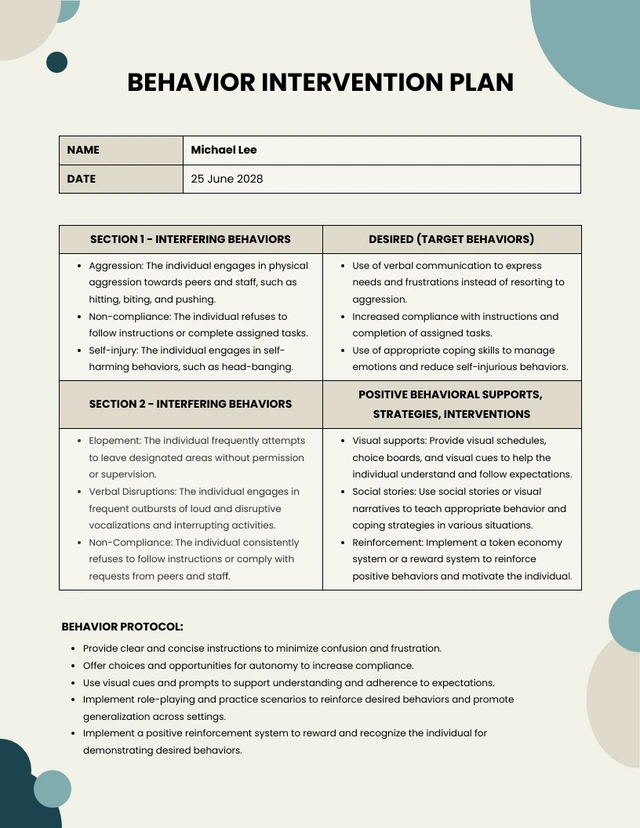
Intervention plan
Noun
A structured approach or strategy designed to address specific issues or challenges, whether in education, behavior, or healthcare.
Example: The social worker discussed the intervention plan with him to ensure he receives the necessary support.
fr: Plan d'intervention
Prison
Noun
A building in which people are legally held as a punishment for a crime they have committed or while awaiting trial.
Example: He went to prison after being found guilty of a crime.
fr: Prison
Prison sentence
Noun
A punishment imposed by a court on an individual found guilty of a crime, involving confinement in a prison for a specified period.
Example: He was sentenced to two years in prison.
fr: Peine de prison
Probation
Noun
The release of an offender from detention, subject to a period of good behavior under supervision.
Example: He was on probation for two years.
fr: Probation
Thief
Noun
A person who steals another person's property, especially by stealth and without using force or violence.
Example: A thief stole his brand new car.
fr: Voleur
Victimology
Noun
The study of individuals and groups who have suffered harm due to crime, accidents, or other traumatic events.
Example: The study of victimology helps the social worker to understand the victims point of view.
fr: Victimologie
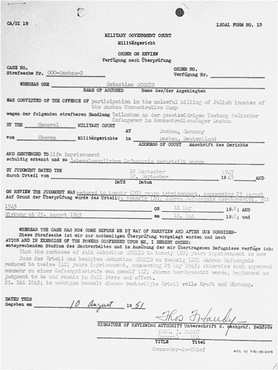
Warrant
Noun
A document issued by a legal or government official authorizing the police or some other body to make an arrest, search premises, or carry out some other action relating to the administration of justice.
Example: The police have a warrant to search your house.
fr: Mandat de police
Witness
Noun
A person who sees an event, typically a crime or accident, take place.
Example: She was a witness in the Ted bunny case.She saw him kill a girl.
fr: Témoin
Youth center
Noun
A facility where young people, typically under the age of majority, are held for various reasons related to the criminal justice system
Example: When he was 15, he was sent to a youth center after robbing the bank.