This glossary is created to explain some important words used in electrical engineering. It will help you understand basic concepts that are often used when dealing with electricity and electronics. This glossary is helpful for anyone learning about or working in electrical engineering.
battery
noun
A device that stores energy and provides electricity.
Example: My car battery runs out quickly.
fr: batterie / pile
capacitor
noun
A capacitor is a small device that stores electricity for a short time. It can release this electricity when needed. It is used in many electronics.
Example: The capacitor helps the radio keep working smoothly when there is a sudden power change.
fr: condensateur
circuit breaker
noun
A safety device that stops the flow of electricity when there is a fault.
Example: A circuit breaker protects homes from electrical overloads.
fr: disjoncteur
electric Current
noun
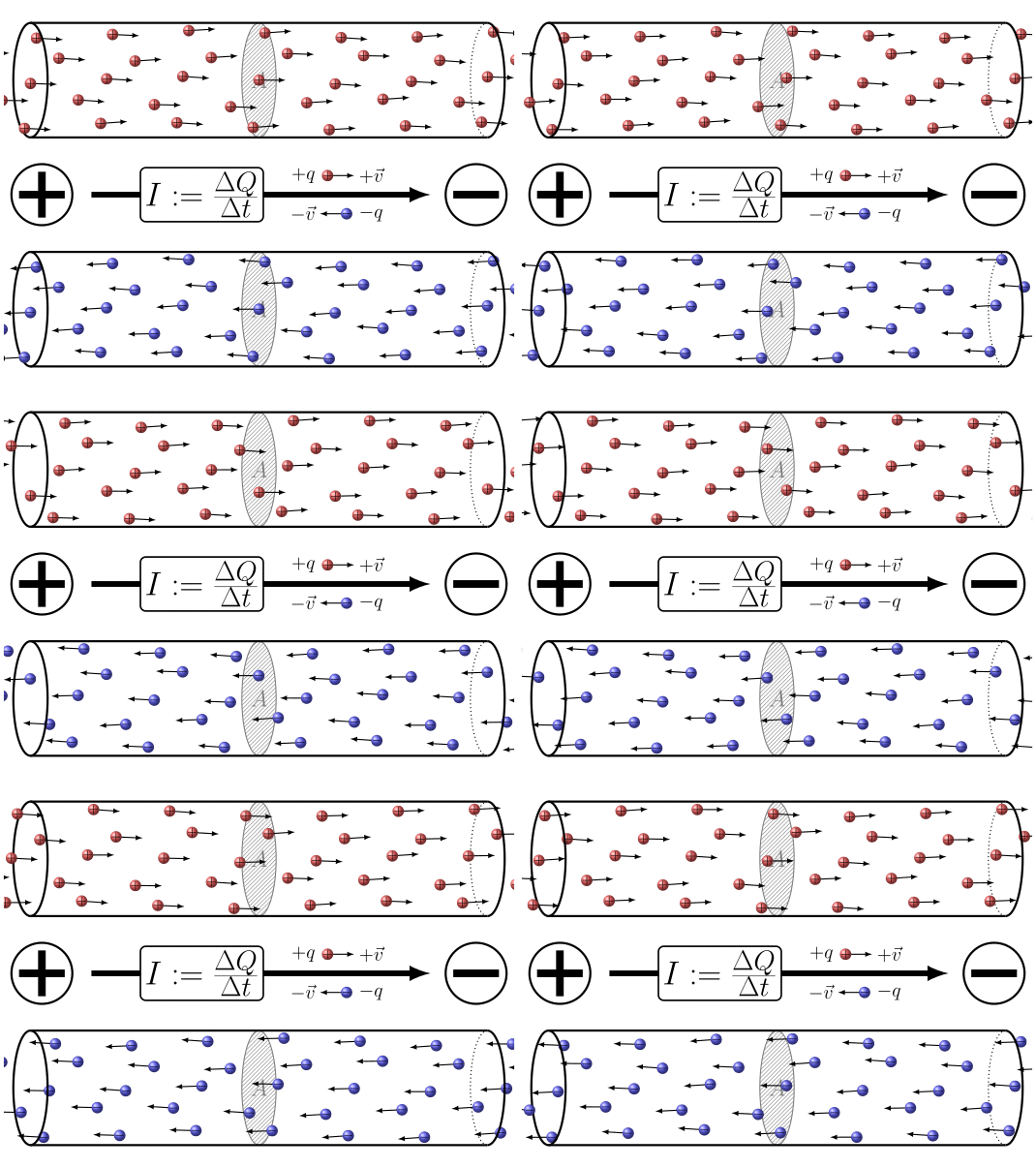
An electric current is a flow of charged particles, such as electrons or ions, moving through an electrical conductor or space.
Example: Electric current flows through the wires to light up the bulbs.
fr: courant électrique
electrical Resistance
noun
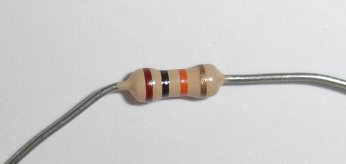
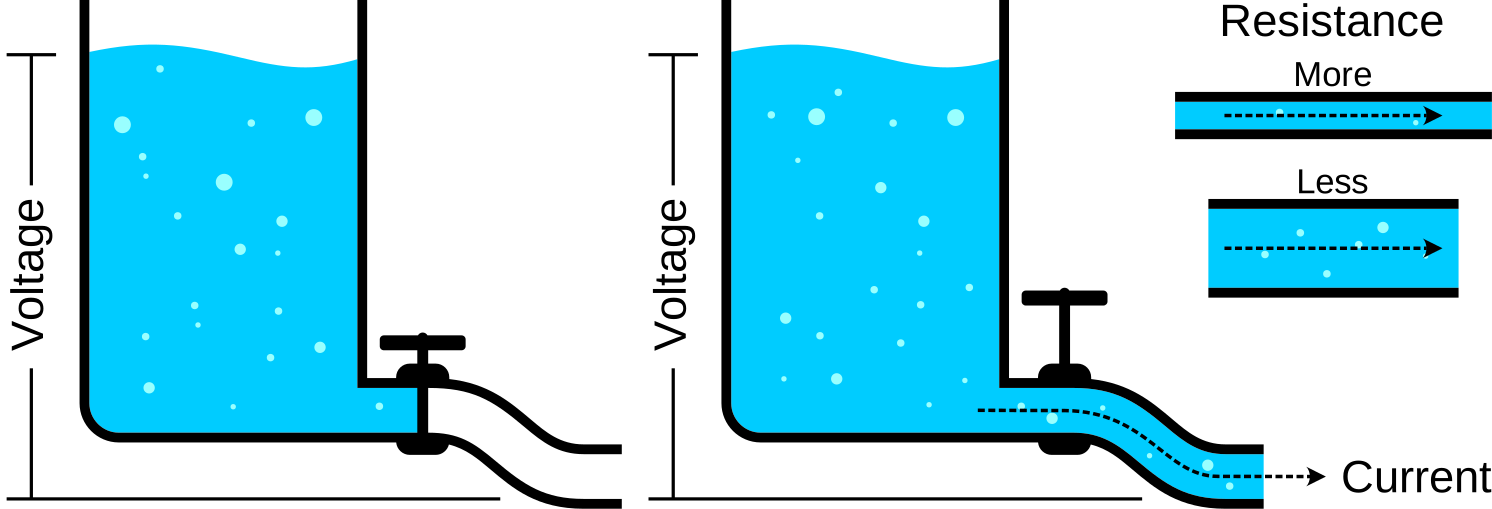
Electrical resistance is a measure of the opposition to the flow of current in an electrical circuit.
Example: Resistance thermometers measure the change in electrical resistance of an electrical conductor.
fr: résistance électrique
inductor
noun
A coil of wire that stores energy in a magnetic field.
Example: An inductor helps reduce sudden changes in current.
fr: inducteur
ohm's Law
noun
A law stating that electric current is proportional to voltage and inversely proportional to resistance.
Example: According to Ohm's Law, if you increase the resistance in a circuit, the current will be lower.
fr: loi d'Ohm
plug
noun
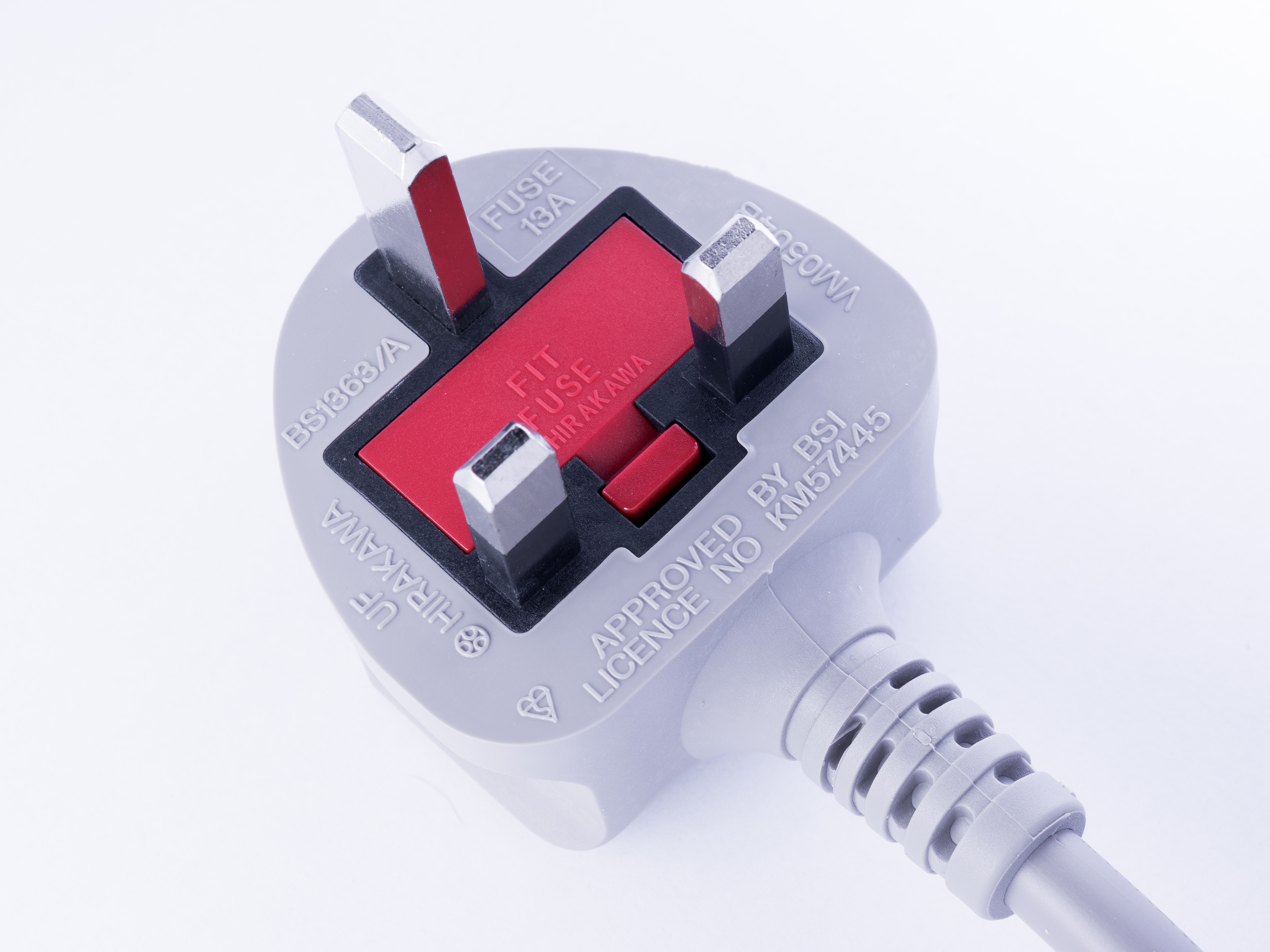
A device with metal pins that connects an electrical device to power.
Example: I put the plug into the socket to charge my laptop.
fr: prise électrique (mâle)
rectifier
noun
A device that converts AC (alternating current) to DC (direct current).
Example: A rectifier is used in phone chargers to provide stable DC voltage.
fr: redresseur
semiconductor
noun
A material that can act as both a conductor and an insulator, used in electronics.
Example: Silicon is the most common semiconductor in microchips.
fr: semi-conducteur
short circuit
noun
A connection that allows electricity to take an unintended path, causing a failure.
fr: court-circuit
switch
noun
A device used to turn electricity on or off.
Example: I flipped the switch to turn on the light.
fr: interrupteur
Transformer
noun
A transformer is a device used to change the amount of voltage in a circuit. It can increase or decrease the voltage to make it safe or suitable for different uses.
Example: The transformer in the power station changes the voltage so electricity can travel long distances.
fr: transformateur
Voltage
noun
. Voltage is the pressure from an electrical circuit's power source that pushes charged electrons (current) through a conducting loop, enabling them to do work such as illuminating a light
Example: The battery has a voltage of 9 volts, enough to power a flashlight.
fr: Tension
wire
noun
A thin, flexible metal strand that carries electricity.