15 The Main Themes of This Dictionary Are the Different Aspects of the Natural Science Program. terms
My name is Ikrame, and I have been studying Natural Science for two sessions now. My glossary is for anyone looking to learn more about the topics covered in Natural Science. My glossary can truly provide a general yet precise idea of what the program offers. There are 15 definitions, all sourced from Wikipedia. To find my words, I used the different courses available in my program. Next time, I would like to explore these topics in greater depth.
Anatomy
Noun
The branch of science concerned with the bodily structure of humans, animals, and other living organisms, especially as revealed by dissection and the separation of parts.
Example: Anatomie helps us understand how the human body works.
fr: Anatomie
Astronomy
Noun
The branch of science that deals with celestial objects, space, and the physical universe as a whole.
Example: Astronomy helps us learn about stars and planets.
fr: Astronomie
Biodiversity
Noun
The variety of life in the world or in a particular habitat or ecosystem.
Example: Biodiversity is essential for the balance of ecosystems.
fr: Biodiversité
Biology
Noun
The study of living organisms, divided into many specialized fields that cover their morphology, physiology, anatomy, behavior, origin, and distribution.
Example: Biology is the study of living things.
fr: Biologie
Chemistry
Noun
The branch of science that deals with the identification of the substances of which matter is composed; the investigation of their properties and the ways in which they interact, combine, and change; and the use of these processes to form new substances.
Example: Chemestry help us understand how substances interact.
fr: Chimie
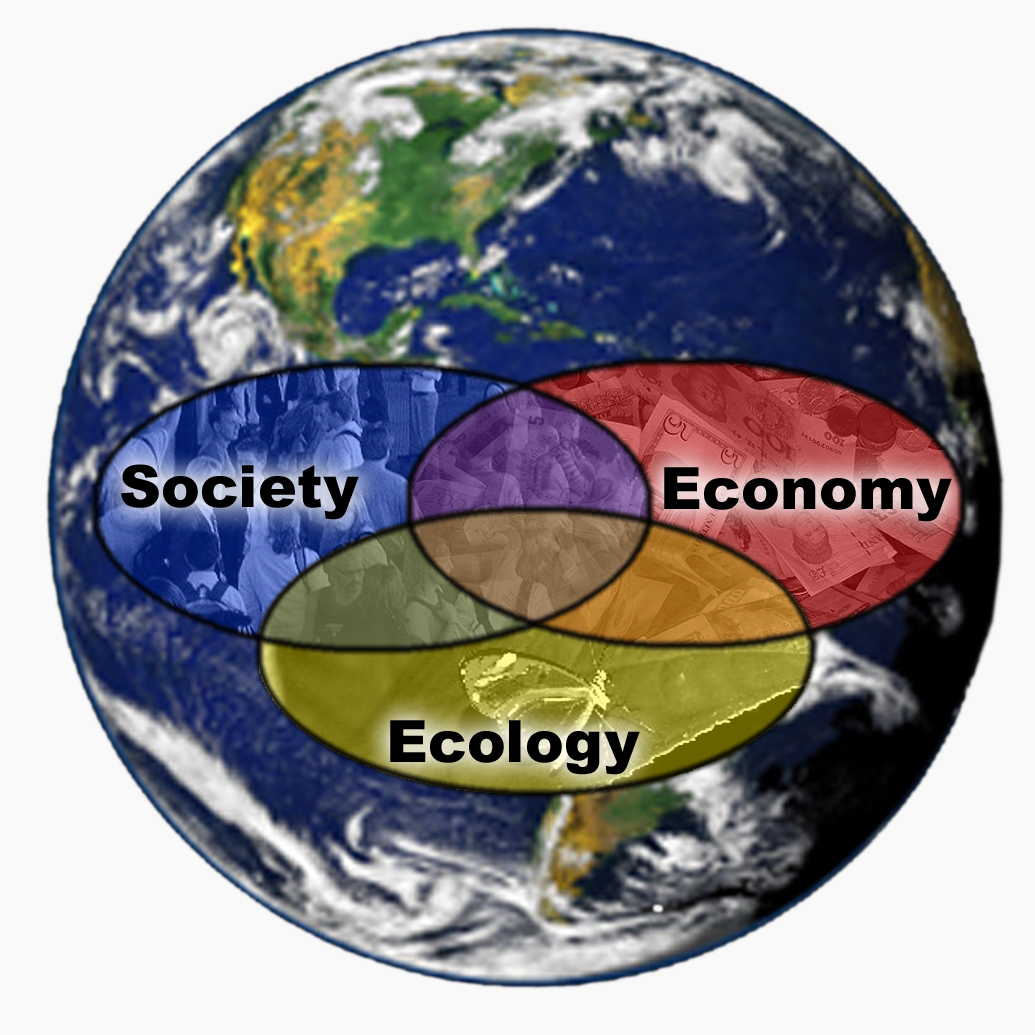
Ecology
Noun
The branch of biology that deals with the relations of organisms to one another and to their physical surroundings.
Example: Ecology studies how living things interact with their environment.
fr: Écologie
Engineering
Noun
The branch of science and technology concerned with the design, building, and use of engines, machines, and structures.
Example: Engineering helps building bridges, machines, and technology.
fr: Ingénierie
Evolution
Noun
The gradual development of something, especially from a simple to a more complex form.
Example: Evolution explains how the world change over time.
fr: Évolution
Genetics
Noun
The study of heredity and the variation of inherited characteristics.
Example: Genetics helps us understand how traits are passed from parents to children.
fr: Génétique
Geology
Noun
The science that deals with the earth's physical structure and substance, its history, and the processes that act on it.
Example: Geology studies rocks and minerals.
fr: Géologie
Imagination
Noun
The ability of the mind to be creative or resourceful.
Example: To be in science, we need imagination.
fr: Imagination
Mathematics
Noun
The abstract science of number, quantity, and space. Mathematics may be studied in its own right ( pure mathematics ), or as it is applied to other disciplines such as physics and engineering ( applied mathematics ).
Example: Every day, mathematics helps us solve problems.
fr: Mathémathique
Microbiology
Noun
The branch of science that deals with microorganisms.
Example: Microbiology studies tiny organisms like bacteria and viruses.
fr: Microbiologie
Physics
Noun
The branch of science concerned with the nature and properties of matter and energy. The subject matter of physics, distinguished from that of chemistry and biology, includes mechanics, heat, light and other radiation, sound, electricity, magnetism, and the structure of atoms.
Example: Physics explains how objects interact.
fr: Physique
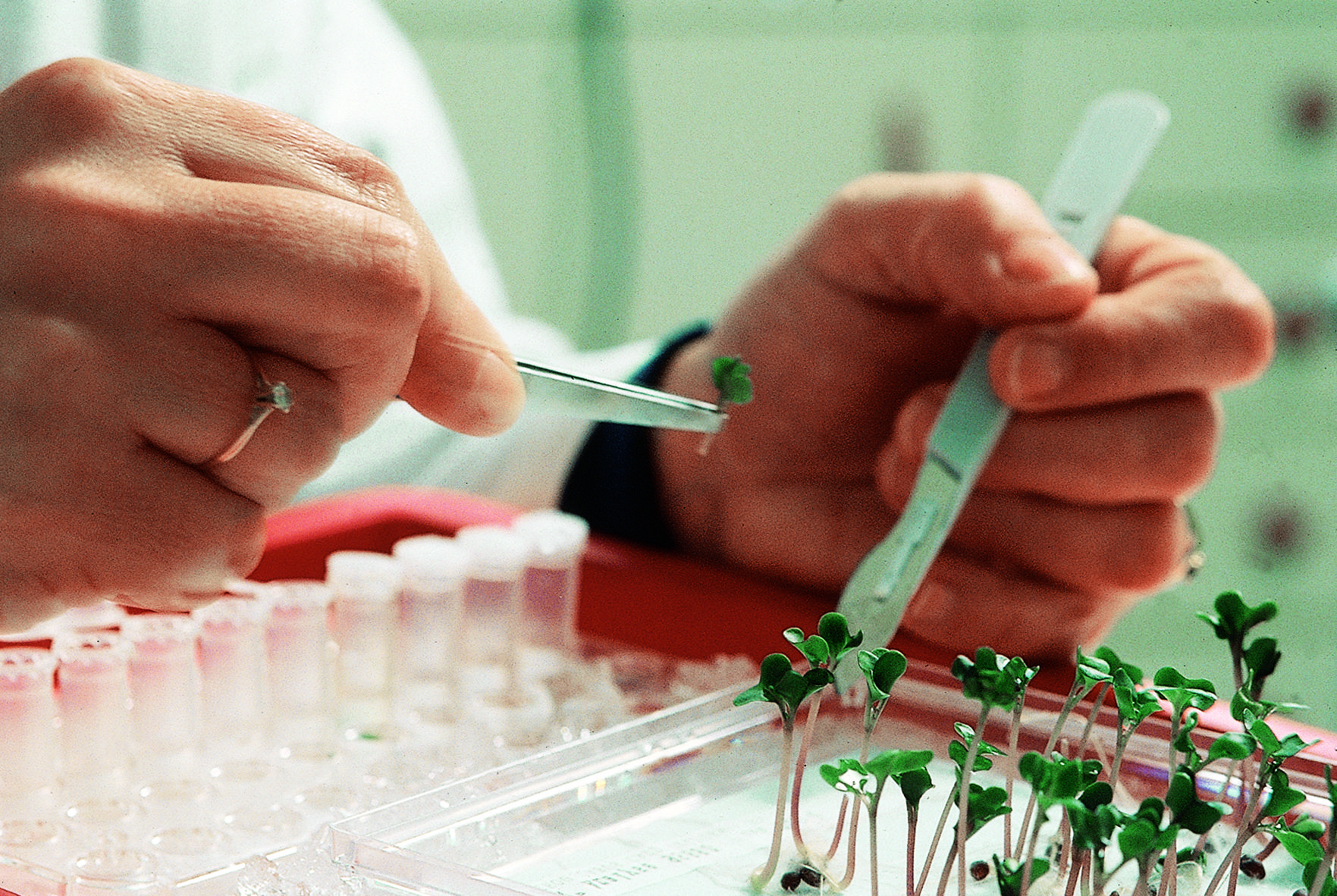
science
Noun
The systematic study of the structure and behavior of the physical and natural world through observation, experimentation, and the testing of theories against the evidence obtained.
Example: Science helps us understand the world and make new discoveries.