Industrial engineering is a dynamic field that focuses on designing, improving, and optimizing systems that integrate people, machines, materials, information, and energy. By combining engineering principles with management practices, industrial engineers aim to enhance productivity, reduce costs, and improve the overall quality of processes across various industries.
This glossary presents essential terms and concepts in industrial engineering, organized into key categories to help students and professionals gain a clearer understanding of the field.
Capacity Planning
noun
Determining the production capacity needed by an organization to meet future demand without overloading resources or causing delays.
fr: Planification des capacités
Ergonomics
noun
The study of designing equipment, workspaces, and tasks to fit human capabilities and limitations. It improves worker comfort, efficiency, and safety while reducing the risk of injury.
fr: Ergonomie
Inventory Management
noun
The practice of tracking and controlling stock levels to maintain the right balance between supply and demand. It helps avoid shortages or excess inventory while minimizing storage costs.
fr: Gestion des stocks
Just-In-Time (JIT)
noun
An inventory management strategy where materials and components are delivered exactly when they are needed in the production process, reducing storage costs and minimizing waste.
fr: Juste à temps
Lean Manufacturing
noun
A production philosophy that aims to minimize waste (such as excess inventory, waiting time, or defective products) without compromising productivity or quality. The goal is to deliver more value to customers using fewer resources.
fr: Fabrication allégée
Logistics
noun
The planning, coordination, and management of the movement, storage, and delivery of goods along the supply chain, from suppliers to customers.
fr: Logistique
Operations Research
noun
The use of mathematical models, statistics, and algorithms to solve complex decision-making problems, such as optimizing production schedules or minimizing transportation costs.
fr: Recherche opérationnelle
Process Optimization
noun
The continuous practice of improving production processes to maximize efficiency, minimize costs, and maintain high-quality standards.
fr: Optimisation des processus
Quality Assurance (QA)
A set of activities and processes designed to ensure that products or services meet established quality standards before they are delivered to customers.
fr: Assurance qualité
Simulation
The use of computer models to replicate real-world systems or processes, allowing engineers to test different scenarios and improve system performance without real-world risks.
fr: Simulation
Six Sigma
noun
A data-driven methodology that improves process quality by identifying and eliminating defects through statistical analysis. It follows the DMAIC process: Define, Measure, Analyze, Improve, and Control.
fr: Six Sigma
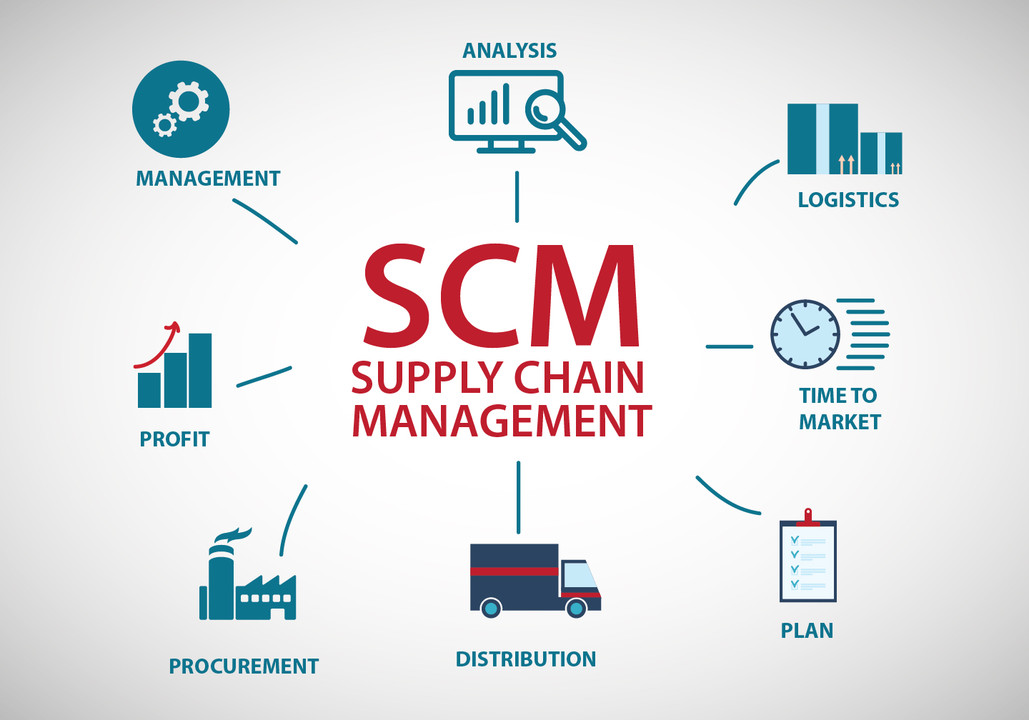
Supply Chain Management (SCM)
noun
The coordination of all activities involved in the production and delivery of goods, from raw material sourcing to final product delivery. It ensures products are delivered on time, at the right cost, and in the right quantity.
fr: Gestion de la chaîne d'approvisionnement
Time and Motion Study
noun
A technique that analyzes the time taken to perform each task in a process, identifying inefficiencies and suggesting improvements to increase productivity.
fr: Étude du temps et du mouvement
Total Quality Management (TQM)
noun
A company-wide philosophy where every employee is involved in improving quality, processes, and customer satisfaction. It promotes a culture of continuous improvement.
fr: Gestion de la qualité totale
Workplace Safety
noun
The design and implementation of processes, equipment, and policies to protect workers from hazards, ensuring a safe and healthy working environment.