My name is Mesli Ilyes Chakib, i am a college ahuntsic student in Natural science since aout 2023. I realy love biology and especially the part of the human body. Biology can be divided in two part, theory and laboratories.
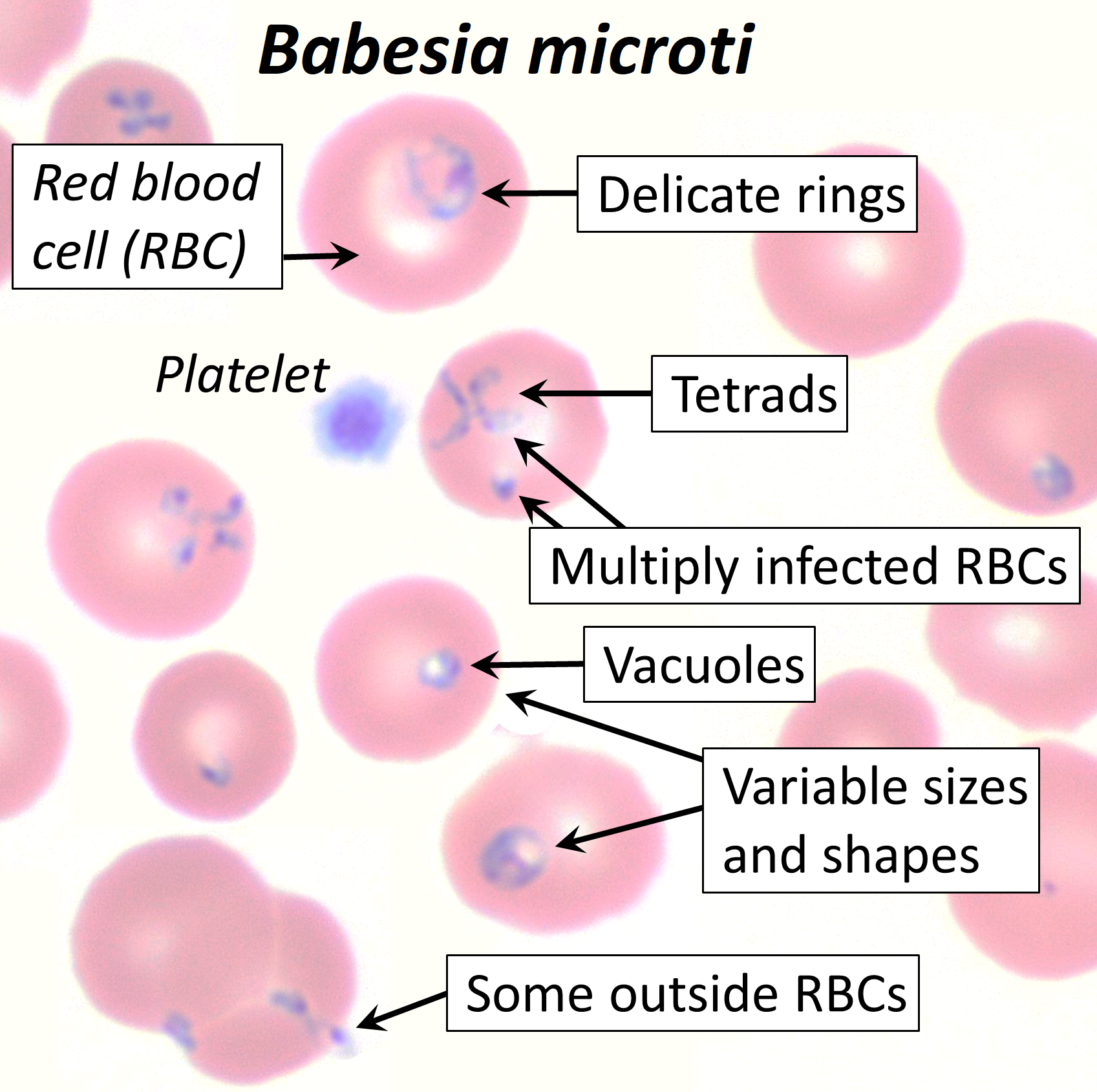
Blood
noun
a member of a North American people belonging to the Blackfoot Confederacy.
Example: The disease itself is caused by two subspecies of hemoflagellate trypanosomes (BLOODmotile), the East African variant caused by Trypanosoma brucei rhodesiense and the West African variant caused by Trypanosoma brucei gambiense.
en: Sang
brain
noun
an organ of soft nervous tissue contained in the skull of vertebrates, functioning as the coordinating center of sensation and intellectual and nervous activity.
Example: Strengthening effects of electrical stimulation of the BRAIN
en: cerveau
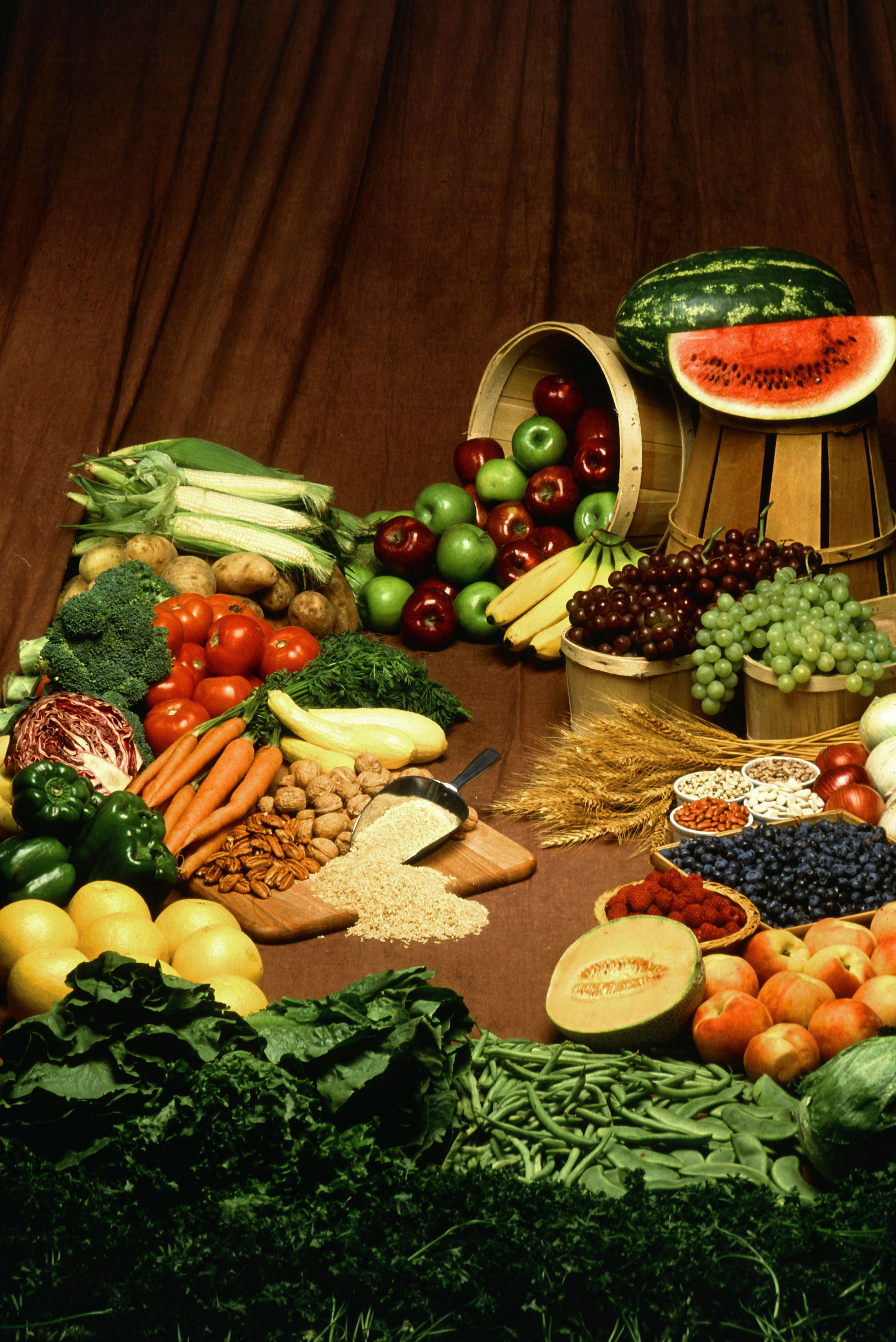
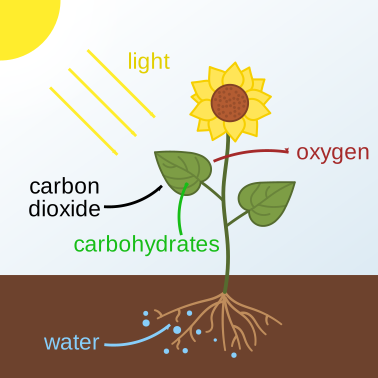
carbohydrates
noun
Example: The transfer of CO2 into the bundle sheath cell separates the light-dependent reaction from the light-independent reaction – hence no oxygen is produced in the bundle sheath cell – increasing carbohydrate productivity.
en: glucides
cell
noun
(sel) In biology, the smallest unit that can live on its own and that makes up all living organisms and the tissues of the body. A cell has three main parts: the cell membrane, the nucleus, and the cytoplasm. The cell membrane surrounds the cell and controls the substances that go into and out of the cell.
Example: Bibliography Alberts B, Johnson A, Lewis J, Raff M, Roberts K, Walter P, (2002) 'Molecular Biology of the CELL' Fourth Edition Garland Science Berg J.M, Tymoczko J.L, and Stryer L, (2002) 'Biochemistry' Fifth Edition W.H. Freeman and Company Danks, S.M, Whittaker, P.A, (1978) 'Mitochondria: Structure, Function and Assembly' Longman Group Limited London Madigan, MT, Martinko J.M, and Parker J, (2003) 'Brock, Biology of Microorganisms' Tenth Edition Pearson Education Inc Margulis L, (1993) 'Symbiosis in Cellular Evolution' Second Edition Freeman, New York Lewin B, (2000) 'Genes VII' Oxford University Press
en: cellule
eyes
noun
each of a pair of globular organs in the head through which people and vertebrate animals see, the visible part typically appearing almond-shaped in animals with eyelids.
"my cat is blind in one eye"
Example: Polymestre predicts her death by saying that she will jump from the top of the mast of the Greek ship and turn into a dog with fiery eyes (Euripides, Hecabe, l. 1265).
en: yeux
glands
noun
(gland) An organ that makes one or more substances, such as hormones, digestive juices, sweat, tears, saliva, or milk. Endocrine glands release the substances directly into the bloodstream. Exocrine glands release the substances into a duct or opening to the inside or outside of the body.
Example: Dogs, as well as other carnivores, do not contain salivary amylase enzymes in saliva; therefore, the primary function of the salivary glands is to lubricate the mouth and esophagus, not digestion.
en: Glandes
glucose
noun
a simple sugar which is an important energy source in living organisms and is a component of many carbohydrates.
Example: In this assay, only GLUCOSE-6-phosphate, acetyl-CoA, and pyruvate will be addressed. GLUCOSE-6-phosphate is formed when GLUCOSE enters the cell; it is rapidly phosphorylated to maintain a favorable concentration gradient.
en: glucose
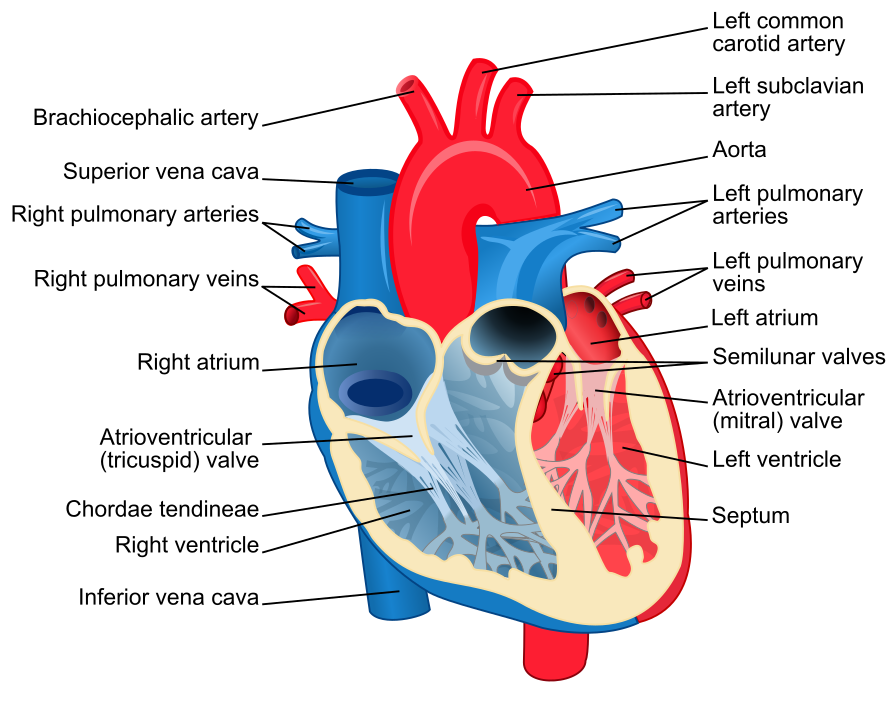
Heart
noun
a hollow muscular organ that pumps the blood through the circulatory system by rhythmic contraction and dilation. In vertebrates there may be up to four chambers (as in humans), with two atria and two ventricles.
Example: Another example of full rhymes that is more distracting than enjoyable is the "HEART part" in the first stanza.
en: cœur
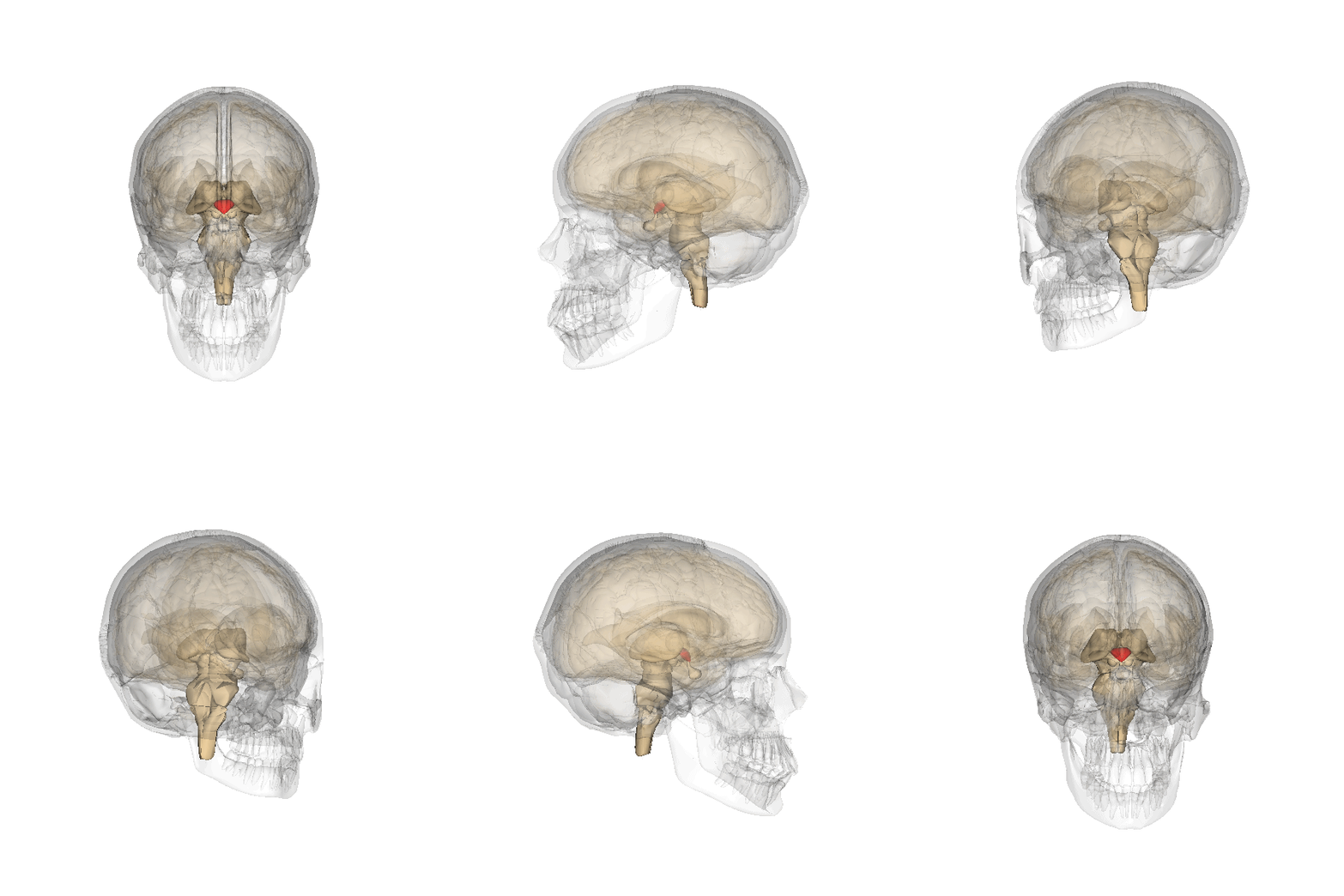
hypothalamus
noun
(HY-poh-THA-luh-mus) The area of the brain that controls body temperature, hunger, and thirst.
Example: Under normal physiological conditions, thirst and water regulation are largely controlled by antidiuretic hormone (ADH, or vasopressin), which is synthesized in the HYPOTHALAMUS.
en: hypothalamus
intestine
noun
(in vertebrates) the lower part of the alimentary canal from the end of the stomach to the anus.
"the contents of the intestine"
Example: Approximately 60–70% of dietary phosphorus intake is efficiently absorbed in the small intestine.
en: intestin
lipids
noun
any of a class of organic compounds that are fatty acids or their derivatives and are insoluble in water but soluble in organic solvents. They include many natural oils, waxes, and steroids.
Example: The main constituents are water (66-84%), proteins (15-24%), lipids (0.1-22%) and mineral substances (0.8-2%) (Jacquot, 1961).
en: lipides
membrane
noun
a microscopic double layer of lipids and proteins that bounds cells and organelles and forms structures within cells.
Example: The outer membrane contains a mitochondrial porin. This is a transmembrane channel protein whose structure is very similar to that of bacterial porins.
en: membrane
Photosynthesis
noun
the process by which green plants and some other organisms use sunlight to synthesize foods from carbon dioxide and water. Photosynthesis in plants generally involves the green pigment chlorophyll and generates oxygen as a byproduct.
"during photosynthesis plants absorb CO₂"
Example: In a change to use C4 fixation, plants evolved a different set of steps to C3 PHOTOSYNTHESIS – which overall makes PHOTOSYNTHESIS a more efficient system for sugar production.
en: Photosynthèse
protein
noun
any of a class of nitrogenous organic compounds that have large molecules composed of one or more long chains of amino acids and are an essential part of all living organisms, especially as structural components of body tissues such as muscle, hair, etc., and as enzymes and antibodies.
"a protein found in wheat"
Example: Carnivores require a high protein intake compared to herbivorous and omnivorous animals, with deficiencies of essential amino acids being more common in carnivores.
en: protéine
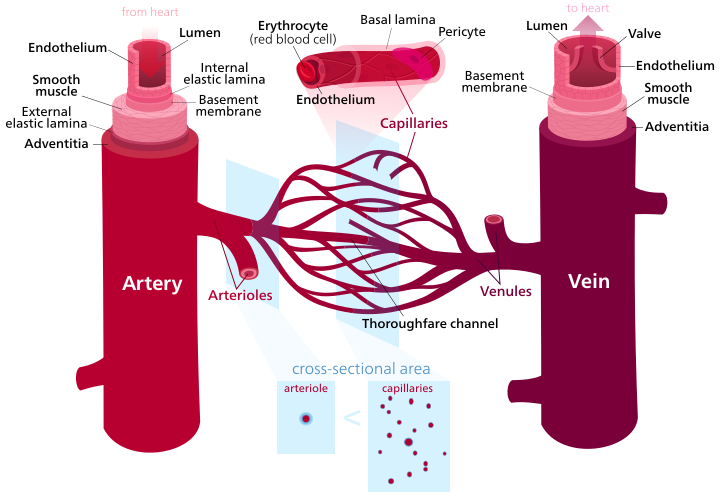
vein
noun
.
any of the tubes forming part of the blood circulation system of the body, carrying in most cases oxygen-depleted blood toward the heart.
Example: Once in the vein container, the angle of the needle should be flattened to ensure that it does not go straight through to the other side. With infusion, needles can become dislodged and damage the vein. Additionally, they can move around inside the vein.