Hello, my name is Lynms Noel, I live in Montreal, and I am in the Electrical Engineering: Automation and Control program. This is a technique offered by very few Cegep's, to my knowledge only Ahuntsic College and Montmorency College. What is new with this program is that it brings together two fields: robotics and programming. This therefore opens more doors to university. So, I will familiarize you with the terms of my program.
actuator
noun
A device that receives an electrical signal and performs an action, such as starting a motor, moving a piston, or opening a valve.
Example: A robotic arm in an assembly line that picks up a part and places it in another compartment after a sensor detects its presence.
automation
noun
The set of technologies that allow machines or processes to operate without human intervention, such as an automated assembly line.
Example: A supermarket uses self-service checkouts where the customer scans their items themselves, without the intervention of a cashier.
fr: automatisation
duty cycle
noun
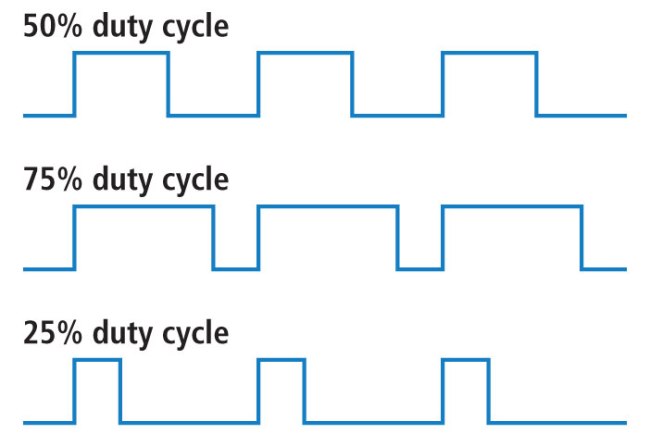
The amount of time a device runs relative to the total time. For example, a motor that runs for 30 seconds and then stops for 30 seconds has a 50% duty cycle.
Example: An automated welder in a factory runs for 2 minutes, then has to cool for 1 minute before starting again, meaning it has a 66% duty cycle.
fr: cycle de fonctionnement
electropneumatics
noun
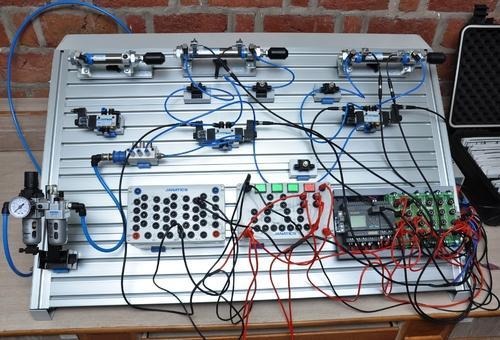
A technology that uses both electricity and compressed air to operate machines, such as robotic arms that use pneumatic cylinders.
Example: A machine that packages food products uses compressed air to push packages under a press, which then closes electrically to seal the package.
fr: électropneumatique
fieldbus
noun
A network that allows the different components of an automated system (sensors, actuators, PLCs) to communicate with each other without the need for many separate cables.
Example: In a modern car, a communication bus allows the speed sensors, engine and brakes to exchange information quickly, without the need for separate cables for each connection.
fr: bus de communication
functional safety
noun
A set of measures and devices (sensors, emergency switches, software) that ensure that machines operate safely and without danger to humans.
Example: An industrial conveyor belt stops automatically when an operator presses an emergency stop button to prevent an accident.
fr: Sécurité fonctionnelle
human-machine interface
noun
A display or control panel that allows a human operator to interact with a machine, displaying information and sending commands.
Example: The touch screen of an automatic coffee machine that allows you to choose the type of drink and display information on the status of the machine.
fr: interface homme–machine
industrial programmable logic controller
noun
It is like the “brain” of an automated system, because it makes decisions based on information received from the sensors.
Example: An automatic sorting system in a logistics company, where an automaton manages the movement of packages on a conveyor belt according to their destination.
fr: Automate Programmable Industriel
PLC - programmable logic controller
noun
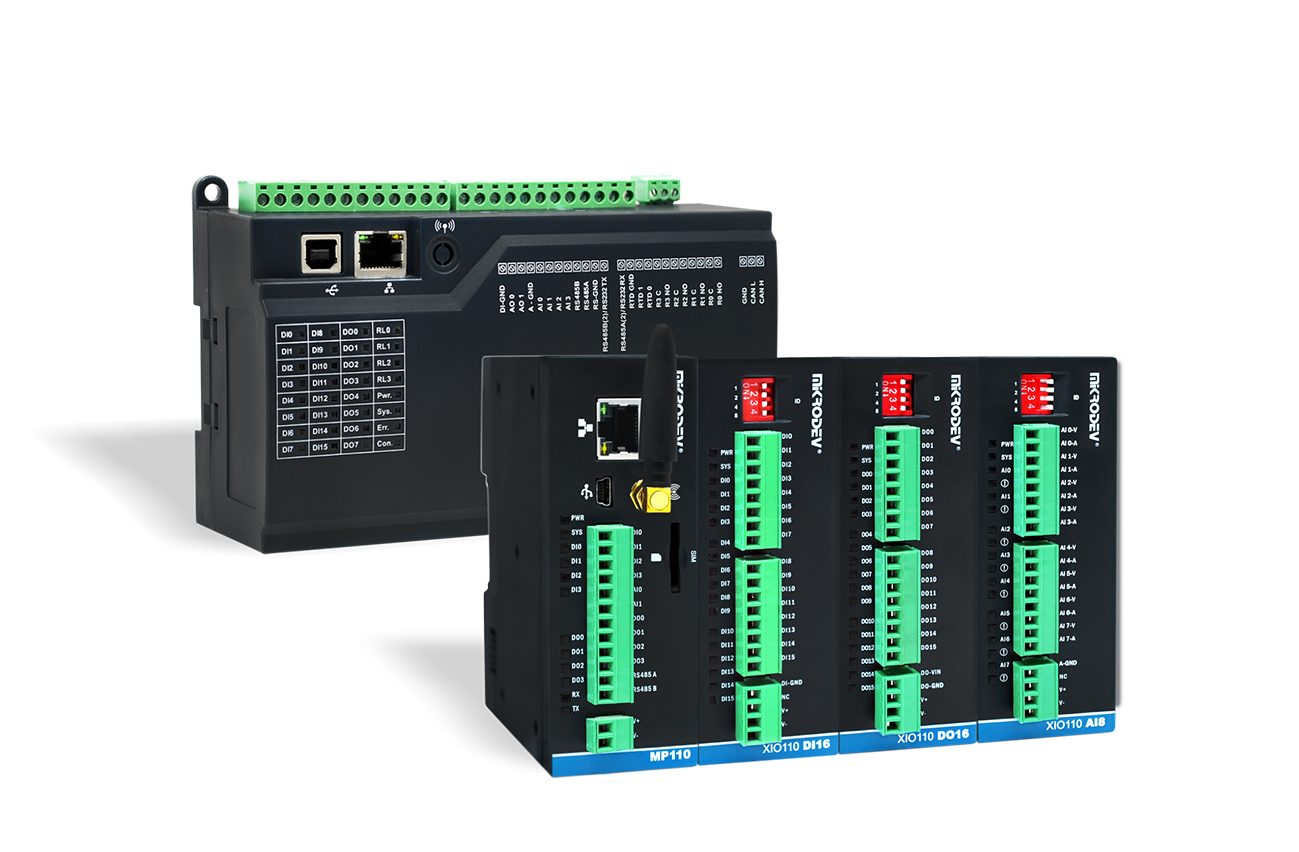
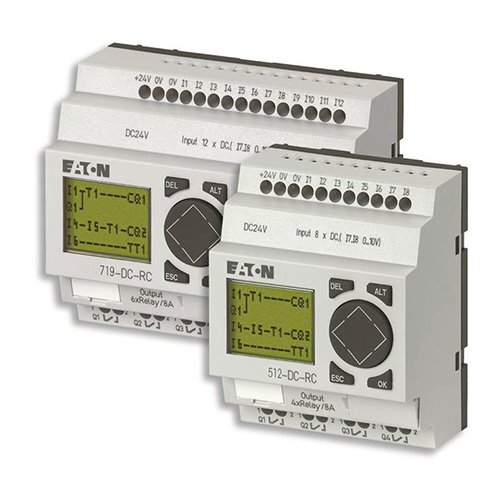
A small, specialized computer that controls industrial machines and processes by running pre-set programs. It replaces conventional electrical circuits and makes systems more flexible.
Example: In a bottling plant, a programmable logic controller controls the machine that fills the bottles. It ensures that each bottle receives exactly the right amount of liquid before moving on to the next step.
fr: Automate programmable
proportional-integral-derivative
noun
A type of intelligent controller that automatically adjusts parameters (such as the speed of a motor or the temperature of an oven) to achieve a desired value precisely.
Example: A smart thermostat uses a PID controller to adjust the temperature of a home by increasing or decreasing the heat smoothly, without sudden changes.
fr: proportionnel-Intégral-Dérivé
relay
noun
A small electrically controlled switch that allows a high-power circuit to be controlled with a low current. Widely used for security and automation
Example: A relay is used in a car to turn on the headlights with a small button on the dashboard, while headlights require a much higher current.
fr: Relai
sensor
noun
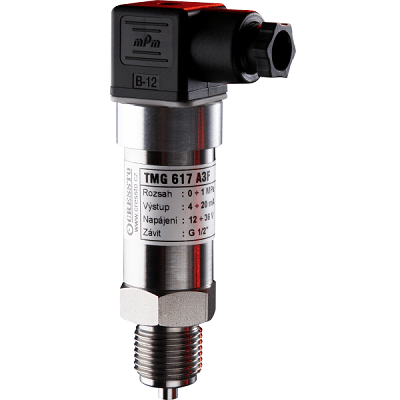
A device that detects a change in its environment, such as temperature, light, or pressure, and sends an electrical signal to inform the system.
Example: A motion sensor used to automatically turn on a light when a person enters a room.
fr: Capteur
servo motor
noun
A motor that can rotate precisely at a certain angle or speed. It is widely used in robotics and precision machinery.
Example: A printer uses a servo motor to precisely position the print head and ensure that ink is deposited in exactly the right place.
fr: servo-moteur
supervisory control and data acquisition
noun
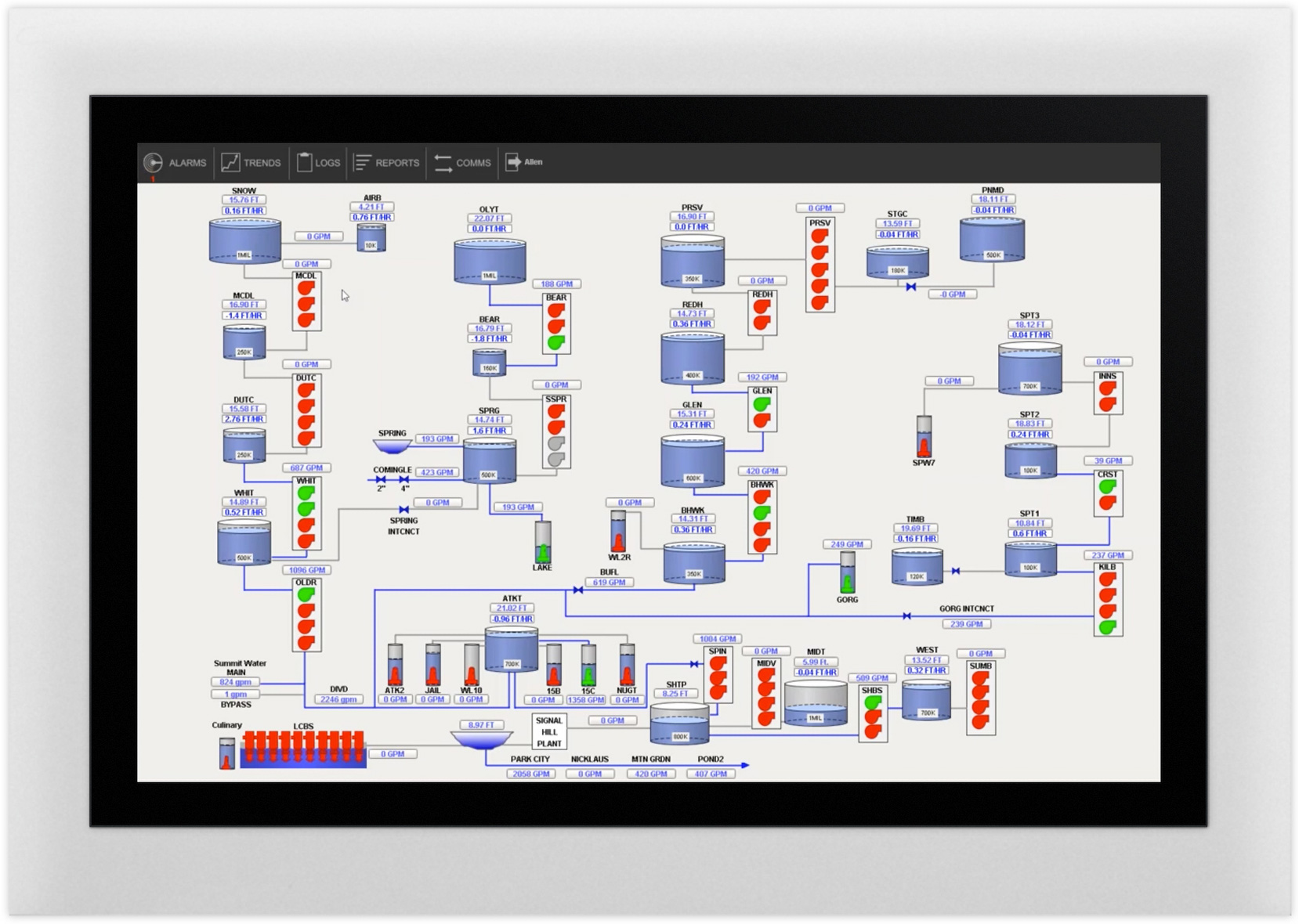
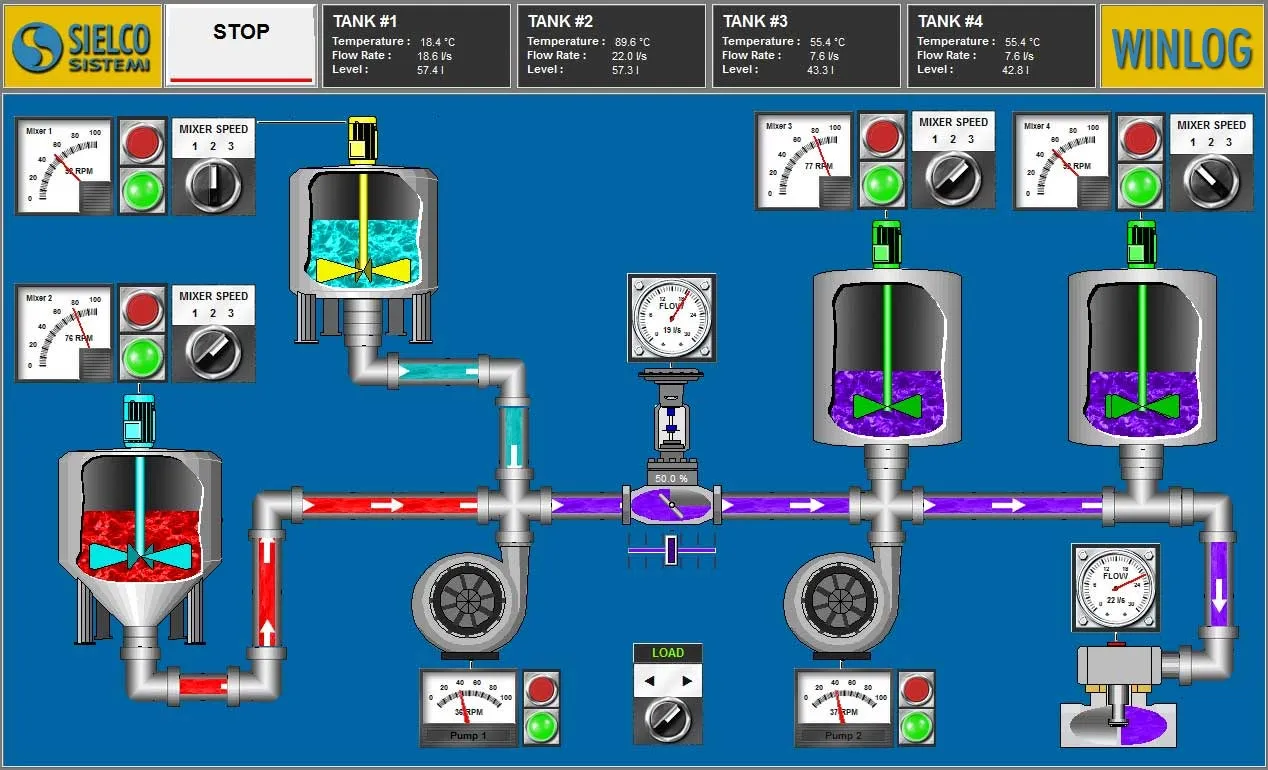
A computer system that allows remote monitoring and control of multiple industrial equipment, often used in large factories.
Example: A water treatment plant uses a SCADA system to monitor tank levels and automatically adjust the supply of drinking water.
fr: sytème de composants matériels et logiciels
VFD - variable frequency drive
noun
A device that controls the speed of an electric motor by adjusting the frequency and voltage of the power supply.
Example: A device that allows the speed of an electric motor to be changed by adjusting the frequency of the current that powers it. This saves energy and improves machine control.