My name is Yanis Farradji. I have been studying in Ahuntsic since fall 2023. I already did chemistry in high school, but since I've been in the CEGEP, it's more interesting. All word of the glossary are used in chemistry to understand the subject. This subject can be divided into two types. There are laboratories and courses.
acid
noun
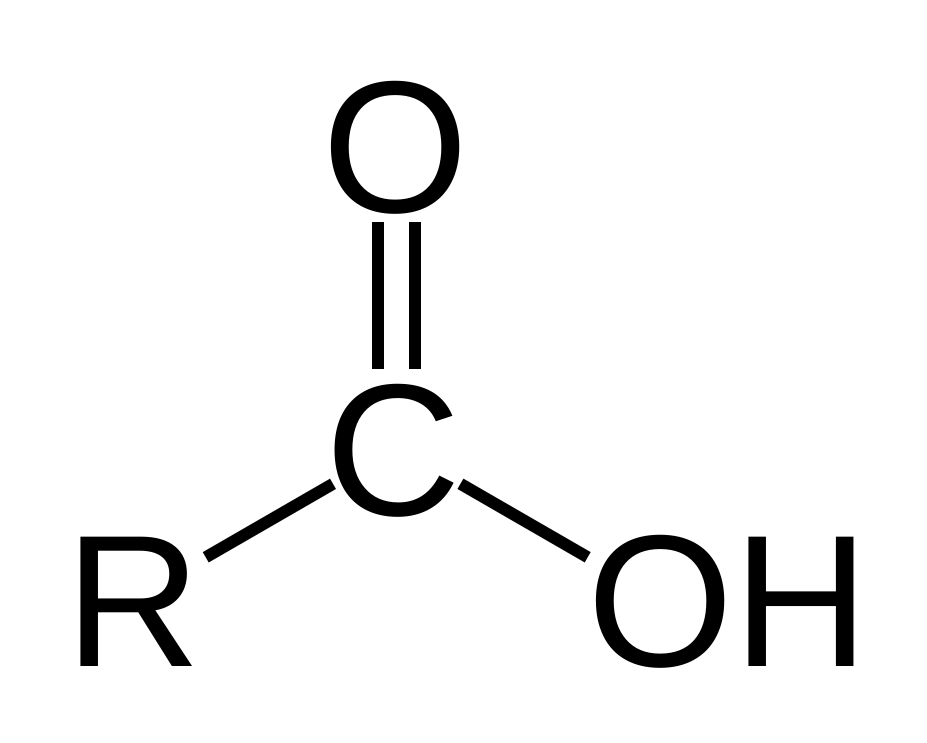
An acid is any hydrogen-containing substance that is capable of donating a proton (hydrogen ion) to another substance.
Example: A single base pair change occurs causing the same amino ACID to be coded for, in the poly peptide.
en: acide
atom
noun
The smallest part of a substance that cannot be broken down chemically.
Example: During this reaction the Hydrogen ATOM, as well as the pair of electrons from the B-H bond are transferred to the Carbon ATOM of the Carbonyl group.
en: atome
beaker
noun
A beaker is typically a cylindrical container with a flat bottom used in lab equipment.
Example: To this was added 1:1 Methanol : HPLC grade water from a 300mL BEAKER, the stock solution was filled to just below the volumetric mark.
en: bécher
Burette
noun
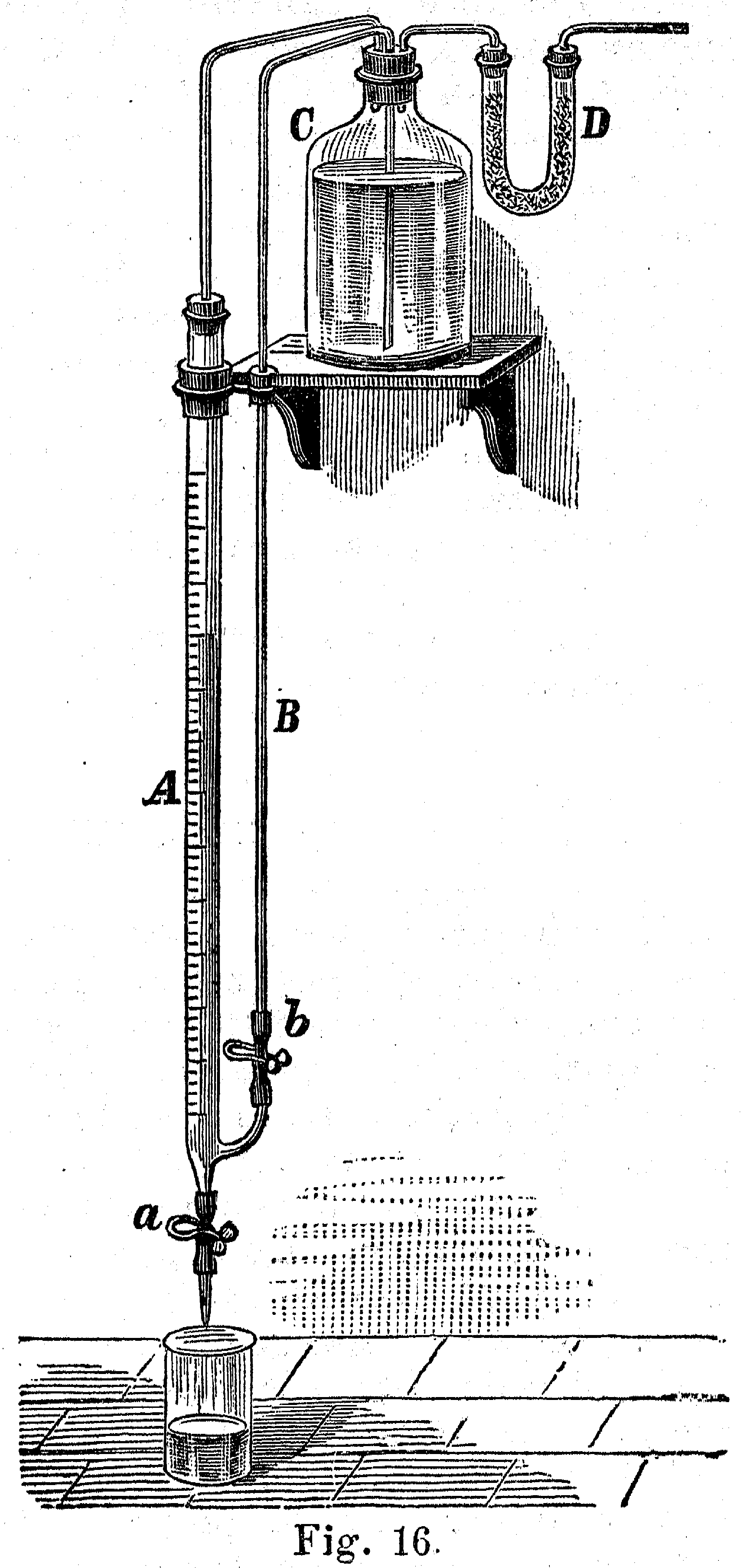
A graduated glass tube with a tap at one end, for delivering known volumes of a liquid, especially in titrations.
Example: Transfer some of the 0.1M sodium hydroxide solution provided in the lab to a 50 cm 3 BURETTE.
en: Burette
carbon
noun
Chemical element; it has symbols C and atomic number 6.
Example: There are no lone electrons on the -CARBON. There are four covalent bonds, one N-H, one C-C and two C-H bonds, which are arranged evenly around the central -CARBON.
en: Carbone
electron
noun
A small particle with a negative charge that is found in all atoms.
Example: The hydrogen bonds are able to form due to the two permanent dipoles on the carboxyl and amine groups and the lone pair of electrons present on the nitrogen atom which acts as an ELECTRON donor.
en: électron
energy
noun
Energy is the ability to do work or make things happen.
Example: They take electrons from food molecules extract the ENERGY and combine them to oxygen and protons.
en: énergie
graduated flask
noun
Items of laboratory glassware or plastic ware calibrated and labeled to contain a specified volume of reagents, solvents, or other liquids.
Example: Method: To begin an Internal standard stock solution was prepared by weighing out 0.0577g of Phenacetin into a 250mL GRADUATED flask.
en: fiole jaugée
hydrogen
noun
Hydrogen (H), a colourless, odourless, tasteless, flammable gaseous substance that is the simplest member of the family of chemical elements.
Example: With the four atoms drawn, the molecule must have attached to it HYDROGEN to complete the valence of each atom. This is done quickly using the "Correct for HYDROGEN" function. With the HYDROGEN added, the charge distribution must be calculated and is done so by selecting Charge from the 'OFF SETUP' menu in the control window.
en: Hydrogène
iron
noun
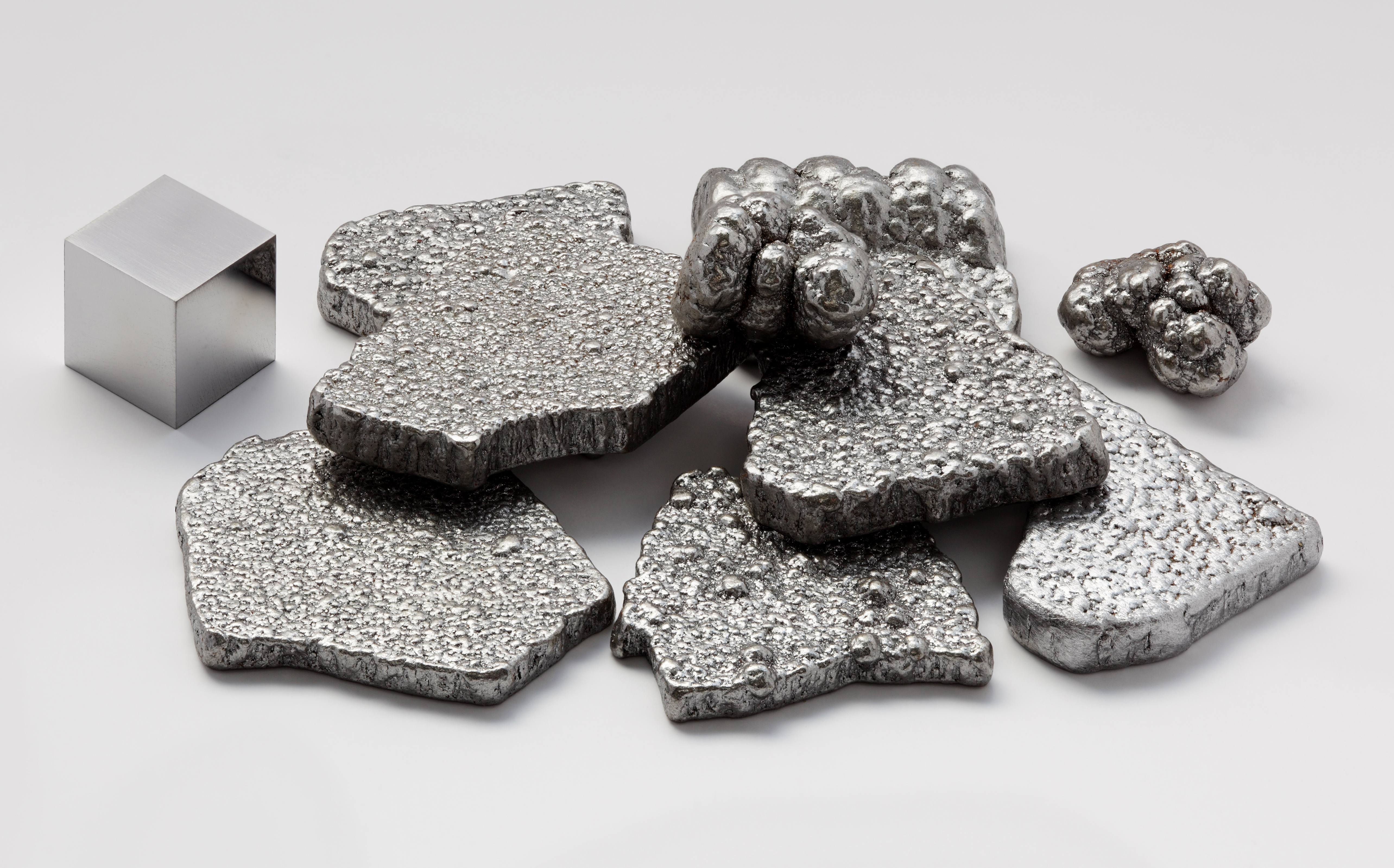
Iron (Fe), chemical element, metal of Group 8 (VIIIb) of the periodic table, the most-used and cheapest metal. Element Properties. atomic number 26.
Example: These protein complexes contain several redox centres, including quinones, flavins, IRON-sulfur clusters, hemes and copper ions.
en: fer
molecule
noun
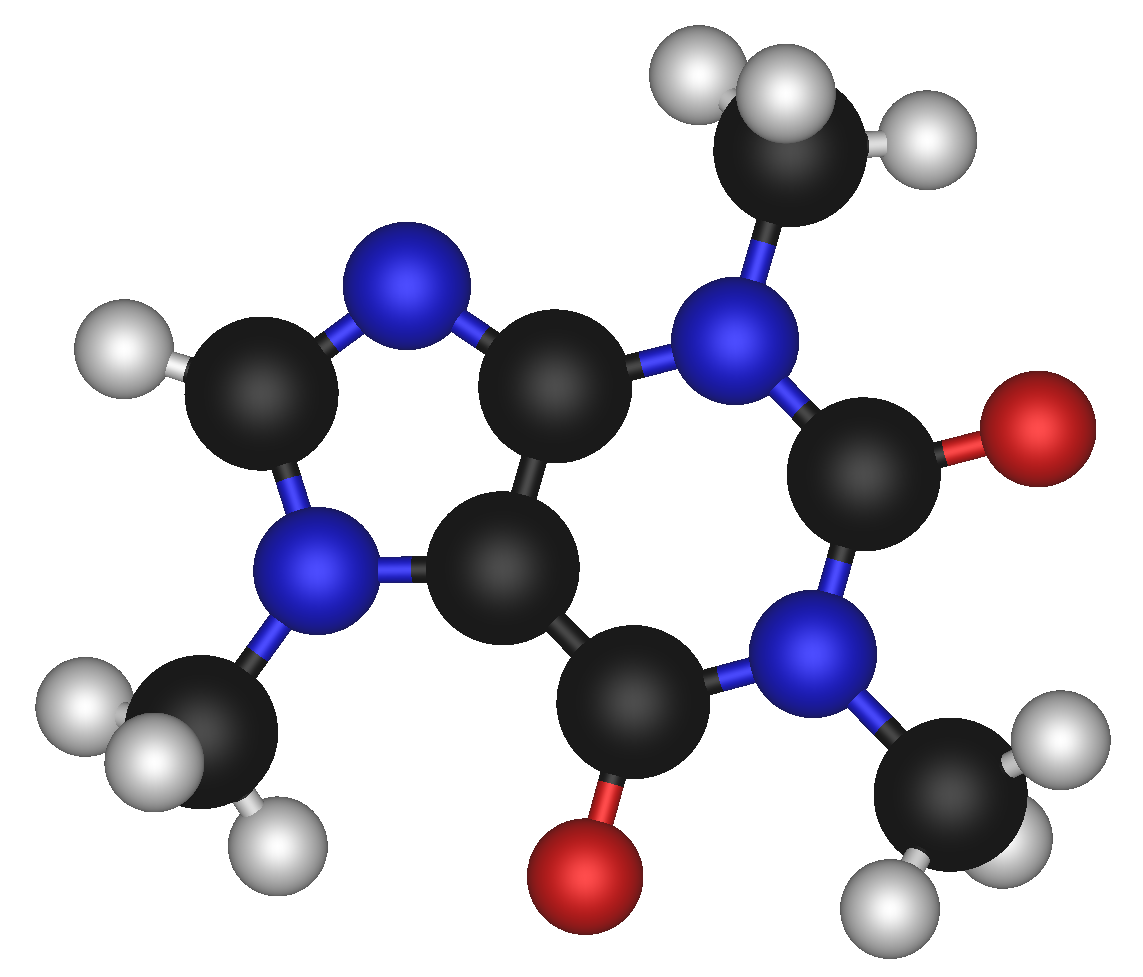
The smallest particle of a substance that has all of the physicals and chemical properties of that substance.
Example: NADH is a high energy MOLECULE due to the high transfer potential of electrons, produced by carbon fuels oxidized in the Krebs cycle.
en: Molécule
pipette
noun
A pipette is a laboratory instrument used to measure out or transfer small quantities of liquid, in volumes of milliliters.
Example: Experimental method: To begin a solution of NaF (0.1M) was taken and diluted to the following concentrations, 10mM, 1mM, 0.1mM, 0.01mM, and 0.001mM This was achieved by using a PIPETTE to transfer 10mL of the NaF solution into a 100mL volumetric flask, and diluted to volume.
en: Pipette
proton
noun
The proton is a subatomic particle with a positive electrical charge.
Example: If TLC shows a clear partition, and the PROTON spectra allow us to identify the species expected in each solvent, whether it be starting material, product, or by-product, this is normally sufficient and efforts are concentrated on purification of the product.
en: proton
scientist
noun
A person who is studying or has expert knowledge of one or more of the natural or physical sciences.
Example: SciFinder is however a very useful tool for the SCIENTIST.
en: scientifique
test tube
noun
A test tube is a clear glass or plastic container that is much longer than it is wide, commonly has a U-shaped bottom, and has an open-top.
Example: When the substances were combined by melting them in a TEST TUBE a small element of the glass may have also melted and combined with the substances.