15 The topic of these terms revolves around the scientific method and scientific inquiry. These concepts are fundamental in conducting experiments, analyzing data, formulating and testing hypotheses, and drawing conclusions. They are integral to the nature o terms
Introduction to the Glossary
This glossary serves as a comprehensive guide to key terms and concepts commonly used in the study and practice of science. The words included here are fundamental to understanding the scientific method, research processes, and the nature of scientific inquiry. Each term is defined clearly, with relevant examples and translations to support learners and professionals alike in navigating the complexities of scientific language. Whether you're conducting experiments, analyzing data, or exploring new theories, this glossary provides the essential vocabulary to effectively communicate and engage in scientific discussions.
Analyze
Verb
To examine something methodically and in detail, typically for purposes of explanation and interpretation.
Example: The researchers will analyze the data to determine any patterns.
fr: Analyser
Conclusion
noun
A judgment or decision reached after consideration of the data and results from an experiment
Example: The conclusion of the experiment was that the hypothesis was correct.
fr: Conclusion
Control
noun
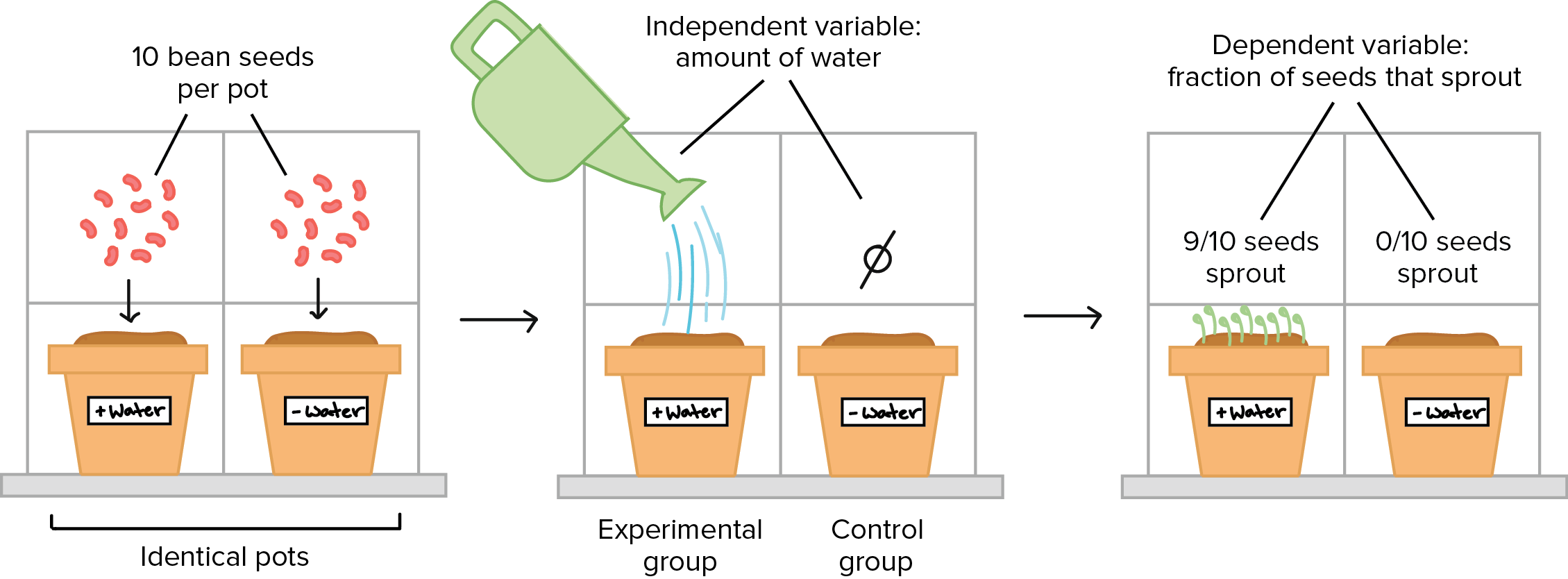
The standard by which experimental observations are evaluated.
Example: The control group was not given the experimental treatment to compare the effects.
fr: Contrôle
Data
noun
Facts and statistics collected for analysis or reference.
Example: The data collected from the study showed a significant trend in temperature changes.
fr: Données
Evidence
Noun
The available body of facts or information indicating whether a belief or proposition is true or valid.
Example: The evidence gathered from the experiment supported the scientist's theory.
fr: Preuve
Experiment
Noun
A scientific procedure undertaken to make a discovery, test a hypothesis, or demonstrate a known fact.
Example: The students conducted an experiment to observe chemical reactions.
fr: Expérience
Hypothesis
Noun
A proposed explanation based on limited evidence as a starting point for further investigation.
Example: The hypothesis suggested that plants grow better with more sunlight.
fr: Hypothèse
Inference
Noun
A conclusion reached based on evidence and reasoning.
Example: From the observed data, the researchers made the inference that the species was endangered.
fr: Inférence
Model
Noun
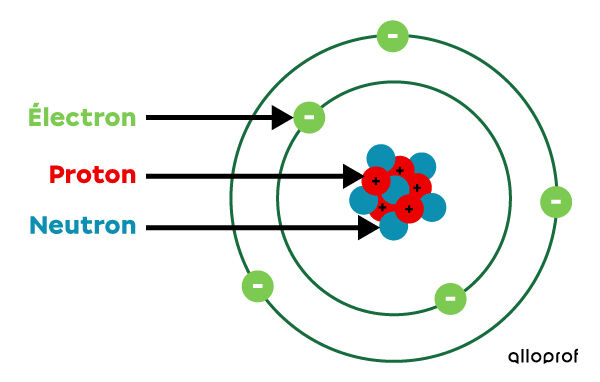
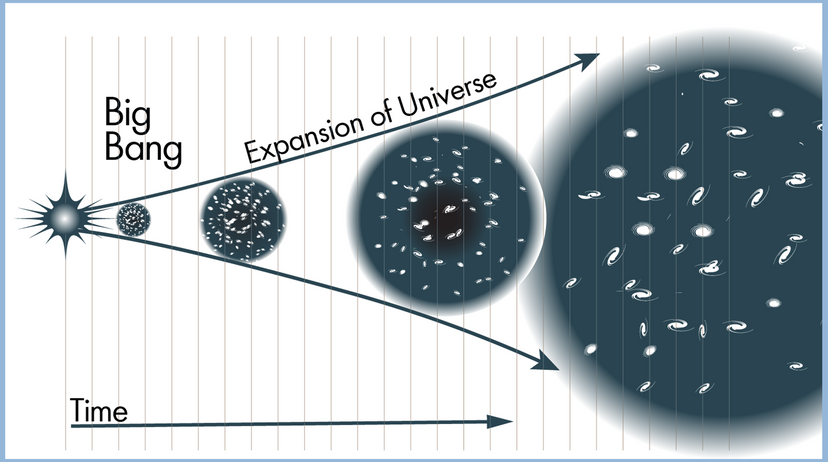
A simplified representation of something more complex, used for explanation or prediction.
Example: The model of the atom helped scientists visualize atomic structure.
fr: Modèle
Observation
noun
The action or process of closely monitoring or studying something for scientific purposes.
Example: After careful observation, the scientist noticed unusual behavior in the test subjects.
fr: Observation
Observation
Verb
To carefully watch and analyze something for scientific purposes.
Example: Scientists observe the behavior of animals in their natural habitat to study survival strategies.
fr: Observer
Precision
Noun
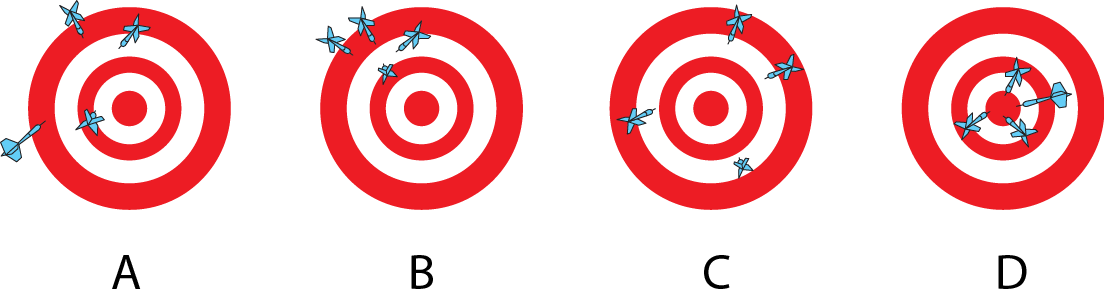
The quality of being exact and accurate in measurement or action.
Example: The precision of the instruments allowed for highly accurate measurements.
fr: Précision
Research
noun
The systematic investigation into and study of materials and sources to establish facts and reach new conclusions.
Example: She conducted extensive research on climate change and its effects.
fr: Recherche
Theory
Noun
A well-substantiated explanation of an aspect of the natural world that has been repeatedly tested and confirmed through observation and experimentation.
Example: The theory of evolution explains the diversity of life on Earth.
fr: Théorie
Variable
Noun
A factor, trait, or condition that can exist in differing amounts or types in an experiment.
Example: The temperature was the independent variable in the experiment.