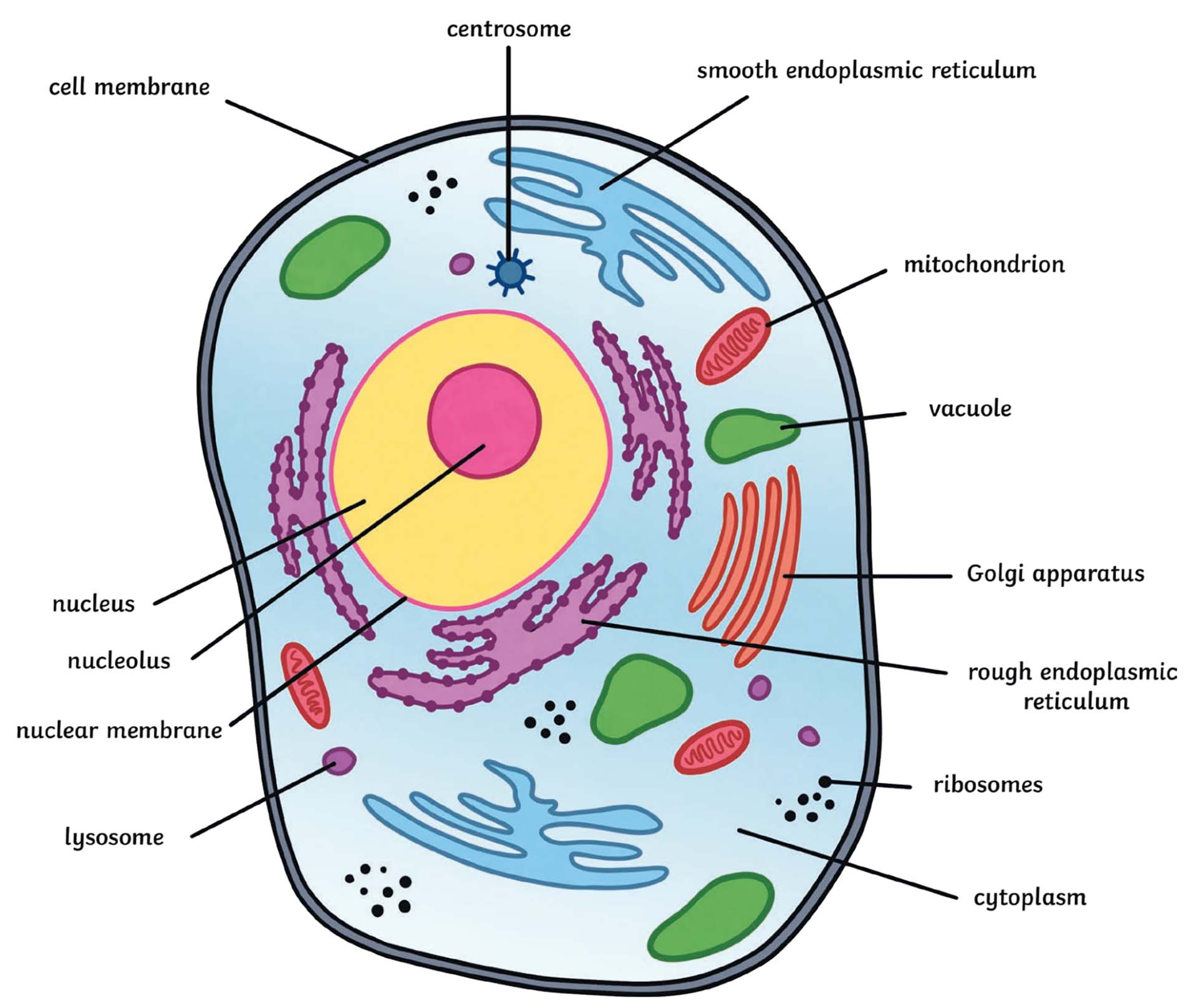
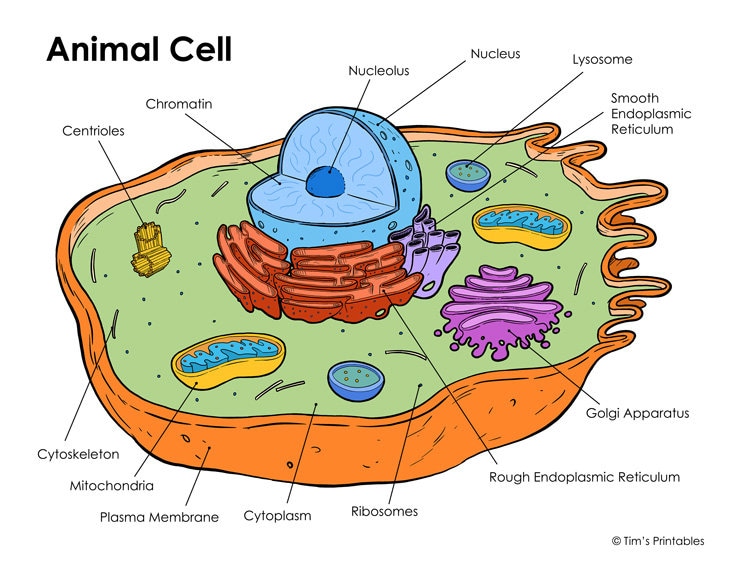
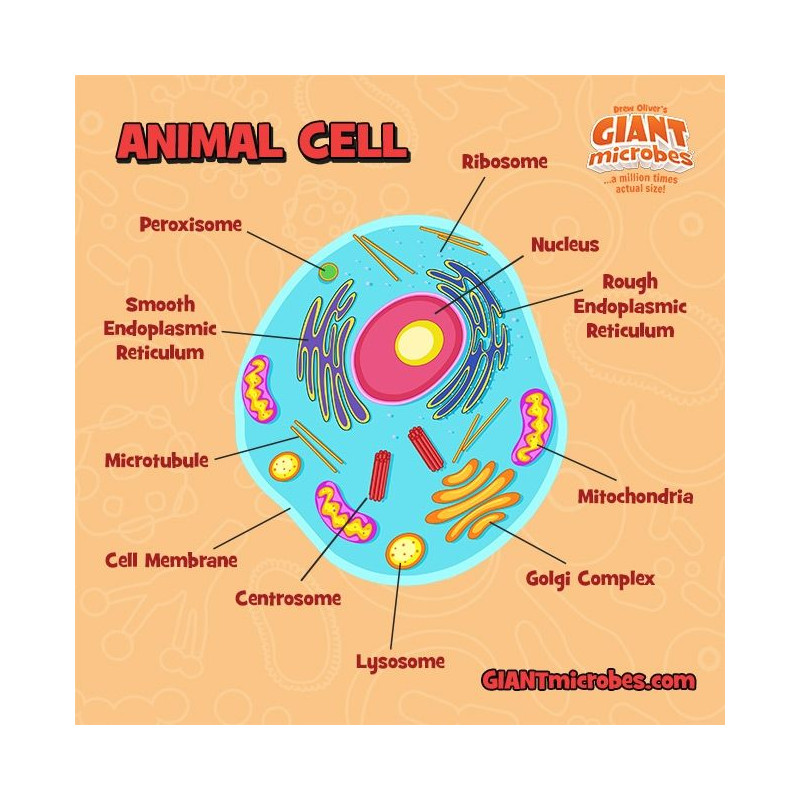
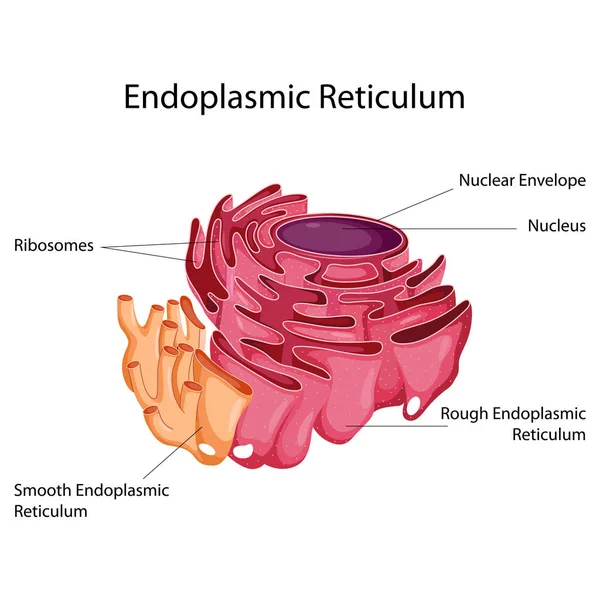
Hey, my name is Jade Gervais. I live in Montreal for my study. I have been in Natural Science for one year at Ahuntsic College, but before I get in that program, I was in Pre-Hospital Emergency Care for one year. My field of study is health. This glossary could be useful for all the person which is related with any kind of biology like me or people who are in advance study in medicine and other. All of my words will be helpful to know the function and to learn by heart those new words. There are 15 words about that subject with the definition, the pronunciation, the translation and an example. I choose those words because they are the basis of biology, so you need to know them before learning something more complicated. I find the definition on Google. So, I want you to check the function of all these when you don't remind them to be up to date when you are going to learn something new.
Cell membrane
noun
The semipermeable membrane surrounding the cytoplasm of a cell.
Example: The cell membrane controls what enters and leaves the cell.
en: membrane cellulaire
centrosome
noun
A centrosome is a region in the cell that organizes microtubules and helps in cell division.
Example: The centrosome plays a key role in cell division by organizing the spindle fibers.
en: centrosome
cytoplasm
noun
The cytoplasm is a jelly-like substance inside a cell that holds its parts in place and helps with cell activities like energy production.
Example: The cytoplasm is where most of the cell's chemical reactions take place.
en: cytoplasme
cytoskeleton
noun
The cytoskeleton is a network of protein fibers in the cytoplasm of eukaryotic cells.
Example: The cytoskeleton gives the cell its shape and helps with movement.
en: cytosquelette
Golgi apparatus
noun
The Golgi apparatus is an organelle in cells that helps process and package proteins and lipids. It sorts and sends them to the right places inside or outside the cell.
Example: The Golgi apparatus is essential for processing cellular products.
en: Appareil de Golgi
lysosome
noun
A lysosome is a membrane-bound cell organelle that contains digestive enzymes.
Example: The lysosome helps break down waste materials in the cell.
en: lysosome
microtubule
noun
A microtubule is a cylindrical structure made of protein subunits called tubulins. It is a key component of the cytoskeleton in eukaryotic cells.
Example: Microtubules help transport materials within the cell and support its structure.
en: microtubule
mitochondrion
noun
The biochemical processes of respiration and energy production occur.
Example: The mitochondrion is known as the powerhouse of the cell.
en: mitochondrie
nuclear membrane
noun
The nuclear membrane is a double-layered structure that surrounds the nucleus in eukaryotic cells.
Example: The nuclear membrane controls the movement of materials in and out of the nucleus.
en: membrane nucléaire
nucleus
noun
The structure in a cell that contains the chromosomes.
Example: The nucleus contains the cell's genetic material.
en: noyau
ribosome
noun
A ribosome is a cell structure that makes proteins.
Example: The ribosome reads genetic information to build proteins.
en: ribosome
rough endoplasmic reticulum
noun
The rough endoplasmic reticulum is a cell structure with ribosomes on its surface that helps make and transport proteins.
Example: The rough endoplasmic reticulum transports proteins throughout the cell.
en: réticulum endoplasmique rugueux
smooth endoplasmic reticulum
noun
The smooth endoplasmic reticulum is a network of tubules and sacs within the cell that lacks ribosomes on its surface.
Example: The smooth endoplasmic reticulum is responsible for lipid synthesis and detoxification in the cell.
en: réticulum endoplasmique lisse
vacuole
noun
A vacuole is a membrane-bound space in a cell that stores water, nutrients, waste products, or other materials.
Example: The vacuole helps maintain the shape and pressure of the cell.