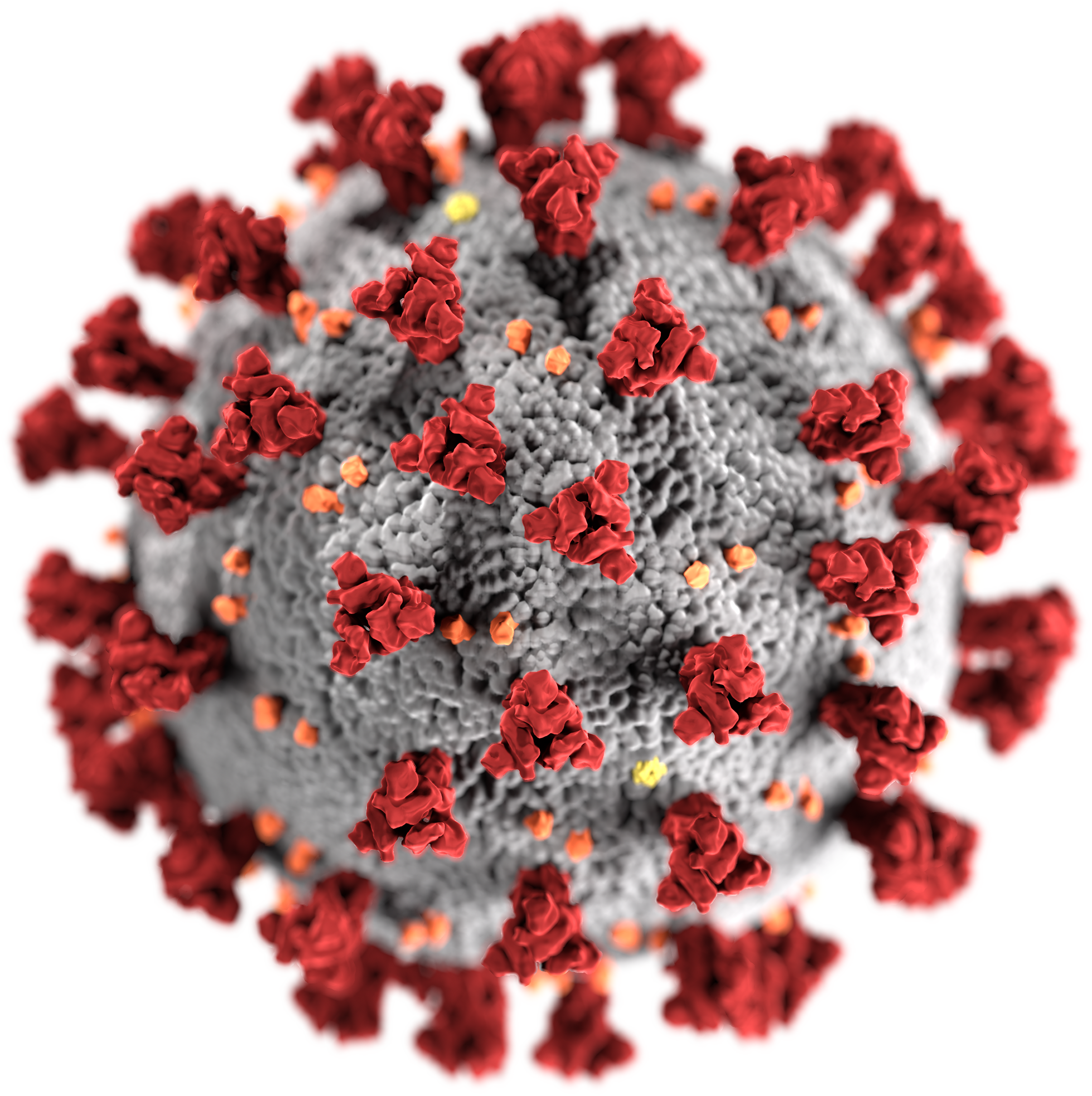
Hello, my name is Inas Mehessem. I have been studying natural sciences for 1 year now. I am making this glossary for the future generation who wishes to study in this program. I decided to present only the subject of biology. Indeed, this course excites me a lot, and I find it very important for the rest of the studies and especially later for the work if we decide to continue in a profession with biology. My glossary can help you understand certain terms quite complicated for the course or even in everyday life. It contains 15 words, and I used lextutor and Wikimedia as resources. To find the words, I used my biology course notes and their definitions, and I also used google to finalize my glossary. By reading my glossary, you will be able to complete your projects without blocking yourself on certain words, you will have a more enriched vocabulary than before, and you will know certain terms of the human body that will help you in everyday old age.
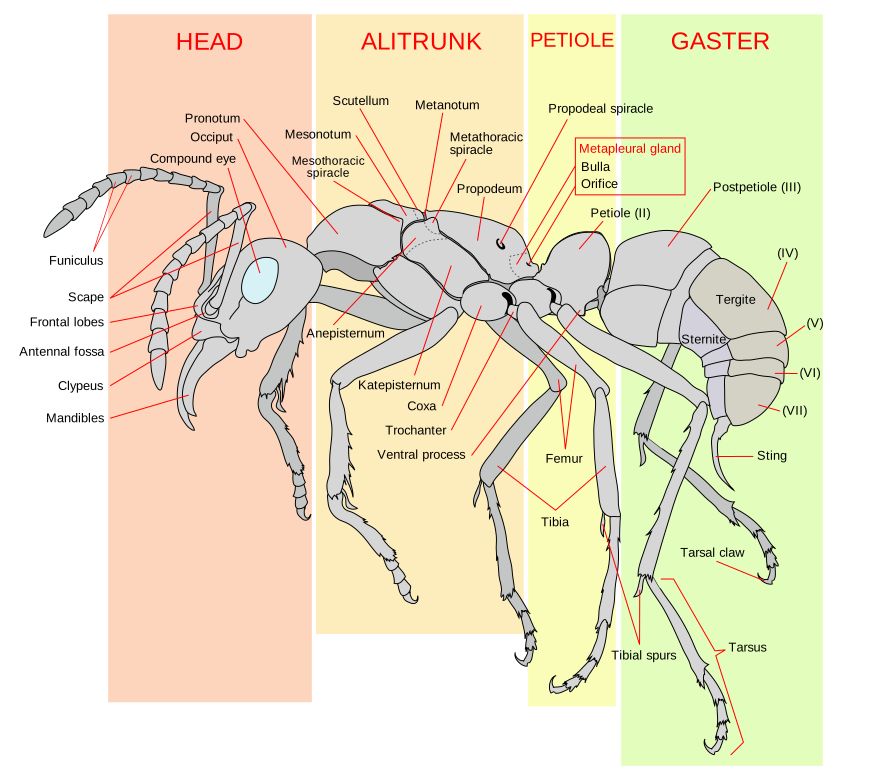
Anatomy
Noun
The branch of science concerned with the bodily structure of humans, animals, and other living organisms, especially as revealed by dissection and the separation of parts.
Example: Soricid mandibles (and skulls) are more common, and because of the differences in mandibular ANATOMY, they break in a different way from rodent mandibles: the ascending ramus is composed of thickened bars of bone, with thinner bone in between, and it is these thinner areas that are broken initially, producing holes in the ramus (Fig. 3.14 I - J) while leaving the processes intact.
fr: anatomie
Asexual reproduction
Noun
Asexual reproduction is a type of reproduction that does not involve the fusion of gametes or change in the number of chromosomes.
Example: In the budding process, a new cell forms as a small outgrowth of the old cell.
fr: reproduction asexuée
Carbohydrate
Noun
Any of a large group of organic compounds that includes sugars, starch, and cellulose, containing hydrogen and oxygen in the same ratio as water (2:1) and used as structural materials and for energy storage within living tissues.
Example: In the case of plants, for example, the end product may be a species that is relatively drought resistant, a high CARBOHYDRATE yielder or one that is easy to harvest.
fr: glucides
cell
Noun
The smallest structural and functional unit of an organism, typically microscopic and consisting of cytoplasm and a nucleus enclosed in a membrane. Microscopic organisms typically consist of a single cell, which is either eukaryotic or prokaryotic.
Example: Although these CELL populations are primarily measured in the blood, the majority of infection events occur in lymph nodes (LNs). To understand cellular-viral dynamics within LNs during HIV-1 infection, I construct multi-compartment mathematical models describing blood and LN dynamics. The first model captures CD4+ T-CELL interactions with virus, simulating various infection patterns dependent upon both viral and host factors.
fr: cellule
DNA (deoxyribonucleic acid)
Noun
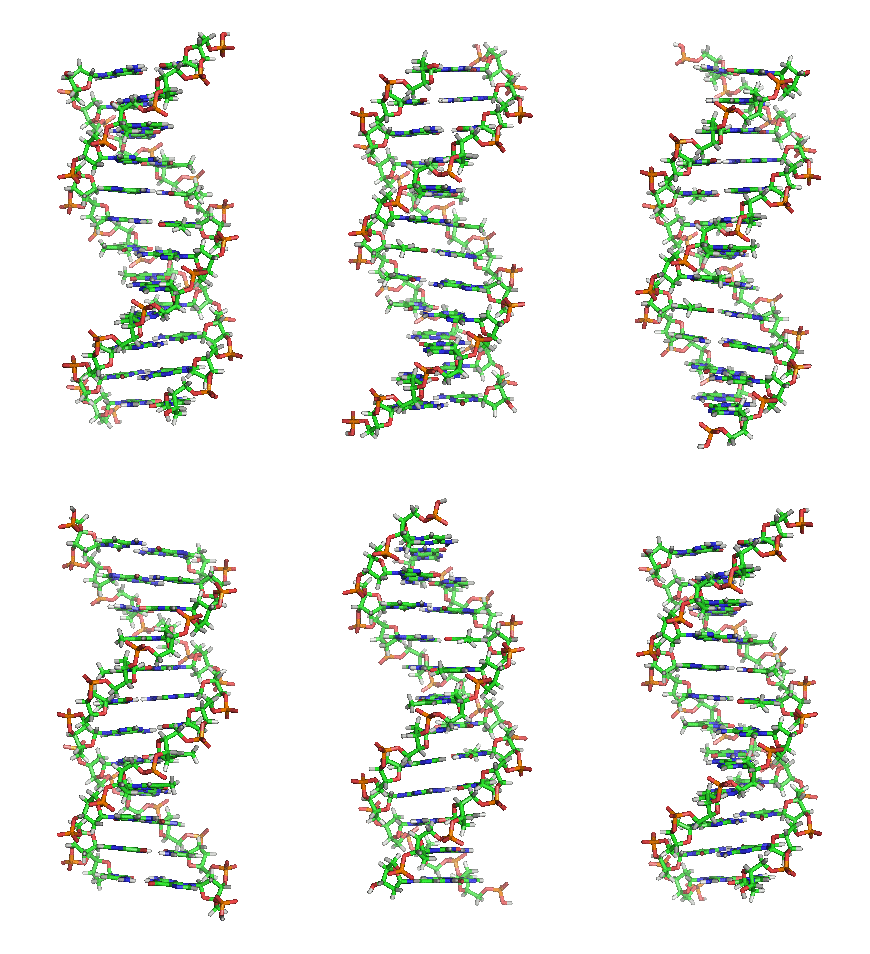
Deoxyribonucleic acid (abbreviated DNA) is the molecule that carries genetic information for the development and functioning of an organism.
Example: The molecule of deoxyribonucleic acid, DNA, that provides the programme for living creatures, is formed by a pair of right-handed helices in parallel.
fr: ADN (acide désoxyribonucléique)
Endocrine system
Noun
Your endocrine system is in charge of creating and releasing hormones to maintain countless bodily functions.
Example: In addition to maintaining levels of crude energy from sugars, it includes the maintenance of complex chemicals basic to neuronal functions as well as the efficiency of the ENDOCRINE SYSTEM.
fr: système endocrinien
Homeostasis
Noun
The tendency toward a relatively stable equilibrium between interdependent elements, especially as maintained by physiological processes.
Example: Each input or interaction upsets HOMEOSTASIS, but the parts which make up the system are programmed to respond in such a way as to ensure a return to normality. HOMEOSTASIS should not necessarily be seen as a fixed state which allows no change, but one which allows change to occur in manageable stages thereby preserving a measure of continuity and security. Family HOMEOSTASIS can result in the system, and its individual parts, becoming stuck within patterns of behaviour which produce only failure, unhappiness and insecurity.
fr: homéostasie
Meiosis
Noun
A type of cell division that results in four daughter cells each with half the number of chromosomes of the parent cell, as in the production of gametes and plant spores.
Example: Eukaryotes reproduce sexually by crossing genetic material with another cell in a process called MEIOSIS, this allows for more rapid evolution as each offspring is genetically different to its parents.
fr: méiose
microscope
noun
An optical instrument used for viewing very small objects, such as mineral samples or animal or plant cells, typically magnified several hundred times.
Example: Most of this work has been done using a standard binocular light MICROSCOPE with variable ×8 to ×40 magnification, but extensive use has also been made of the scanning electron MICROSCOPE.
fr: microscope
Mitochondrion
Noun
An organelle found in large numbers in most cells, in which the biochemical processes of respiration and energy production occur. It has a double membrane, the inner layer being folded inward to form layers (cristae).
Example: MITOCHONDRION creates energy for cellular activity via aerobic respiration, from glucose. During aerobic respiration, glucose is broken down to form pyruvate, which is transported to mitochondria and the complete oxidation of pyruvate (via the citric acid cycle) in the MITOCHONDRION produces 30 molecules of ATP 9.
fr: mitochondrie
Photosynthesis
Noun
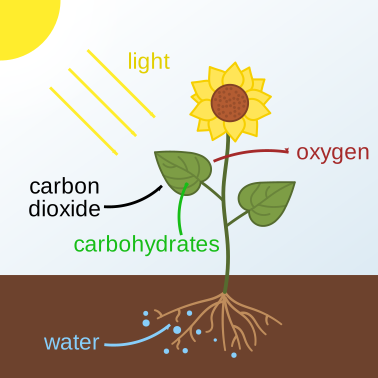
The process by which green plants and some other organisms use sunlight to synthesize foods from carbon dioxide and water. Photosynthesis in plants generally involves the green pigment chlorophyll and generates oxygen as a byproduct.
Example: There is, for example, the potential to manipulate crop yield by influencing the genes which control PHOTOSYNTHESIS and respiration, the main plant metabolic processes which involve carbon fixation and its release.
fr: photosynthèse
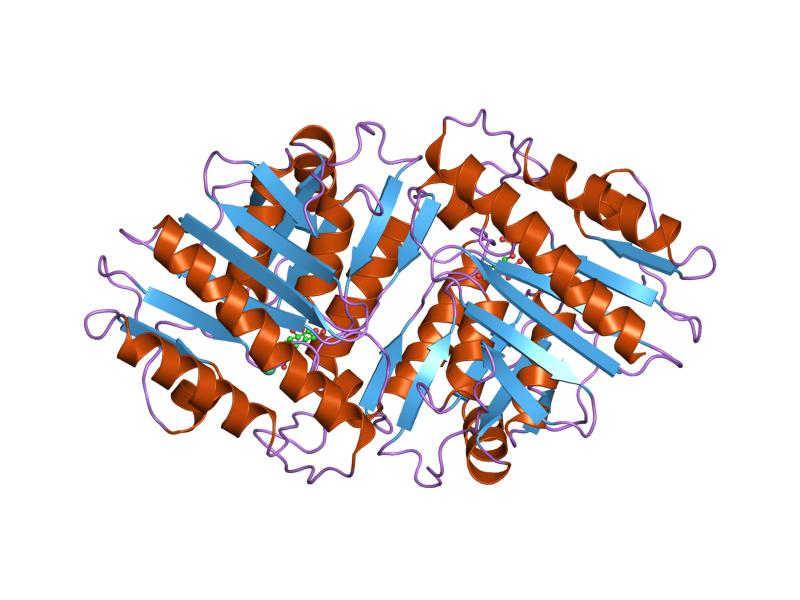
Protein
Noun
Any of a class of nitrogenous organic compounds that have large molecules composed of one or more long chains of amino acids and are an essential part of all living organisms, especially as structural components of body tissues such as muscle, hair, etc., and as enzymes and antibodies.
Example: A high-PROTEIN diet, calcium lactate supplements, and norethandrolone failed to change the skeletal complaint or the severe muscle weakness.
fr: protéine
Spectrophotometer
Noun
An apparatus for measuring the intensity of light in a part of the spectrum, especially as transmitted or emitted by particular substances.
Example: These were read at 280 m|m in a Beckman model DU SPECTROPHOTOMETER and tested for antibody activity as described above.
fr: spectrophotomètre
To analyse
Verb
Examine methodically and in detail the constitution or structure of (something, especially information), typically for purposes of explanation and interpretation.
Example: One lesson for practical students is TO ANALYSE works.
fr: analyser
Virus
Noun
An infective agent that typically consists of a nucleic acid molecule in a protein coat, is too small to be seen by light microscopy, and is able to multiply only within the living cells of a host.
Example: The latter, which may be a plasmid (extrachromosomal molecules of DNA that exist in many bacteria) or a phage (normally a bacterial VIRUS), must be capable of being recognised by the host in order for replication to occur.