I'm a student in the accounting program of Ahuntsic. In this course I learn classes that include things such as budgeting, taxes. The purpose of this glossary will be to introduce you to terms often used in my field of study. As you grow older, you will be inevitably hear terminology you're unfamiliar with that are common in the finance world. Whether it's from the government or the company you work for it's always good to understand it, so you can act in the way that is most advantageous to you.
accounting cycle
noun
The sequence of steps followed in the accounting process to measure business transactions and transform the measurements into financial statements for a specific period.
Example: "The full financial statement is due for December 31, I hope the accounting cycle has already been completed, so we can submit it without any problems."
en: cycle comptable
accounts payable
noun
Money owed by a company to its creditors for goods or services received.
Example: "The accounts payable were settled promptly."
en: comptes créditeurs
amortization
noun
The action or process of gradually writing off the initial cost of an asset.
Example: "Due to the amortization of initial costs, the risks of negative working capital are mitigated"
en: ammortissement
asset
noun
A ressource owned by a company that has economic value and can provide future benefits.
Example: "Our short term assets are up to par with the previous year so no need to worry about the project's funding."
en: actif
break-even point
noun
The point at which total revenues equal total costs, resulting in neither profit nor loss.
Example: "Understanding the break-even point helps in pricing strategies so make sure to respect it."
en: point mort
budget
noun
An estimate of income and expenditure for a set period of time.
Example: "Keep within the household budget."
en: budget
dividends
noun
A sum of money paid regularly (typically quarterly) by a company to its shareholders out of its profits (or reserves).
Example: "The board decided to increase the dividends due to the company's outstanding performance this year."
en: dividendes
equity
noun
The residual interest in the assets in the assets of the entity after deducting liabilities; often referred to as net assets.
Example: "The liabilities have reduced our equity too significantly this year. We'll have to cut back on some expenses."
en: capitaux propres
general journal
noun
A journal is a running record of all of a business's financial transactions. It is used to reconcile accounts and is transferred to other accounting records, such as the general ledger.
Example: "Did you ask Eve if she finished collecting the client's transactions? I need to put them in the general journal soon."
en: journal général
inventory
noun
A complete list of items such as property, goods in stock, or the contents of a building.
Example: "The inventory needs to be refilled again, our stuff is selling like bread!"
en: inventaire
investment
noun
An asset or item acquired with the goal of generating income or appreciation.
Example: "Real estate is considered a solid long-term investment these days."
en: investissement
lease
noun
A contractual agreement allowing one party to use an asset owned by another party for a specified period in exchange for payment.
Example: "The company signed a lease for the new office space."
en: bail
ledger
noun
A book or digital record that keeps track of all accounts and their balances.
Example: "The ledger reflects the company's financial transactions."
en: grand livre
liquidity
noun
The ability of a company to meet its short-term obligations using its most liquid assets
Example: "Our liquidates are high this year, we'll have no issues paying our debts on time."
en: liquidité
partnership
noun
A business structure where two or more individuals share ownership and profits.
Example: "The partnership was formalized with a written agreement."
en: partenariat
prepaid expense
noun
An asset that represents payments made in advance for goods or services to be received in the future.
Example: "Prepaid expenses were recorded for the upcoming insurance policy."
en: charge payée d'avance
profit margin
noun
A ratio that represents the percentage of revenue that exceeds the total costs of goods sold.
Example: "The profit margin improved die to reduced production costs."
en: marge bénéficiaire
sole proprietorship
noun
A business owned and operated by a single individual who is personally liable for all debts.
Example: "As a sole proprietorship, the owner has complete control over it."
en: entreprise individuelle
tax
noun
A compulsory financial charge imposed by a government on income, property, or sales.
Example: "The company paid corporate taxes last quarter."
en: impôt
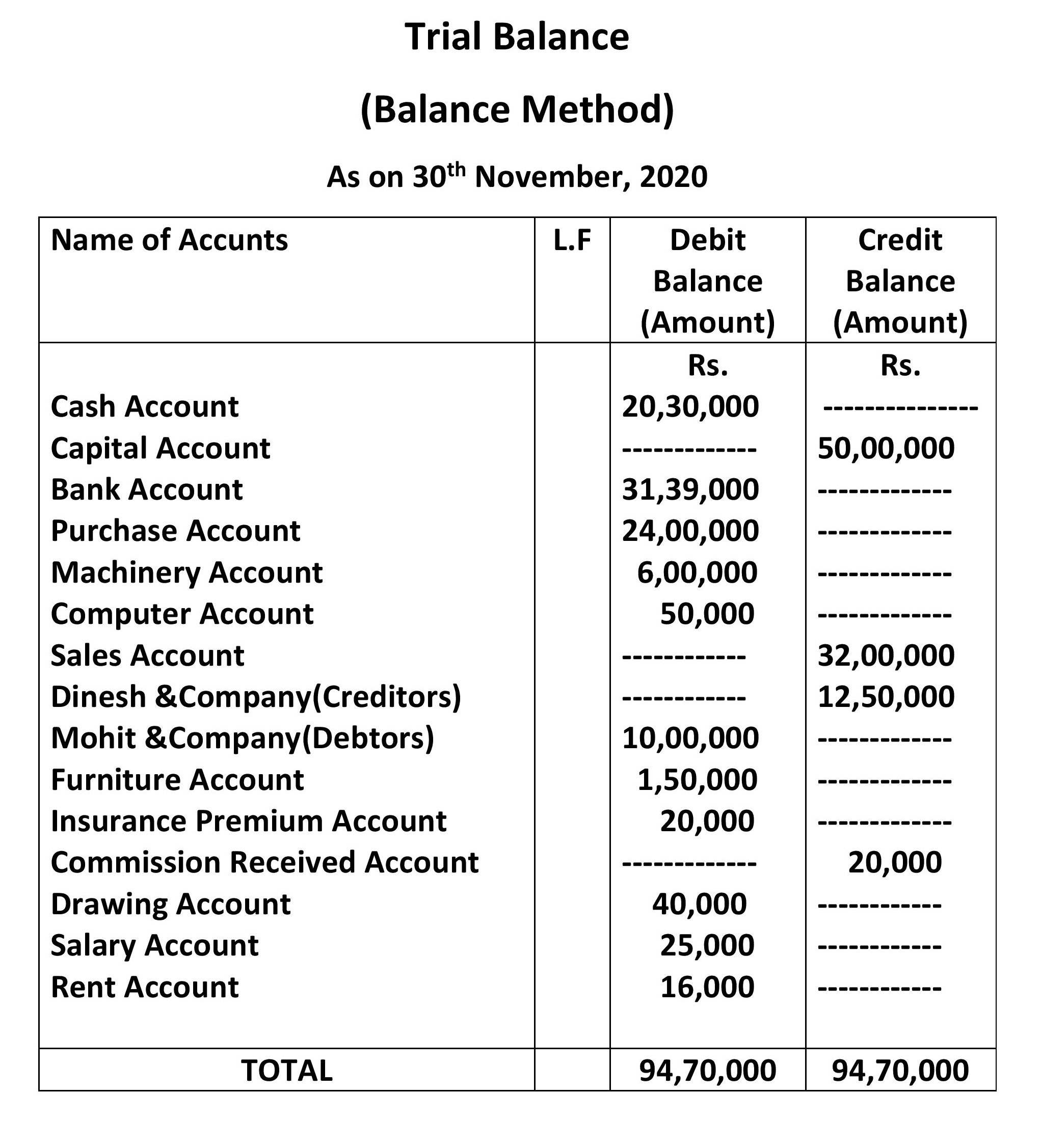
trial balance sheet
Phrase
A report that lists the balance of all general ledger accounts to verify that total debits equal total credits.
Example: "The trial balance sheet helped identify discrepancies in the accounts."

:max_bytes(150000):strip_icc()/Amortization_Final_4201631-42b04cd2ad724b96af0c5e8f8fded072.jpg)




:max_bytes(150000):strip_icc()/prepaid-expense-4191042-recirc-blue-1d8d154bf0c94ba6858fe12907d2b694.jpg)