Hi, my name is Maroua Chadid. I started studying in the Natural Sciences program at Collège Bois-de-Boulogne and decided to continue my studies at Collège Ahuntsic for my final semesters. My field of study is chemistry. The glossary I created is a perfect guide for new students in the same program as me. Each word is directly related to the program and explained in a way that makes learning easier for students.
acid
noun
A substance that releases hydrogen ions (H+) in solution and has a pH less than 7.
Example: Lemon juice is an acid that gives it its sour taste.
fr: acide
atom
noun
The simplest and most basic unit of matter.
Example: Each atom of hydrogen contains just one proton and one electron.
fr: atome
base
noun
A substance that accepts hydrogen ions (H+) or releases hydroxide ions (OH-) in solution, with a pH grater than 7.
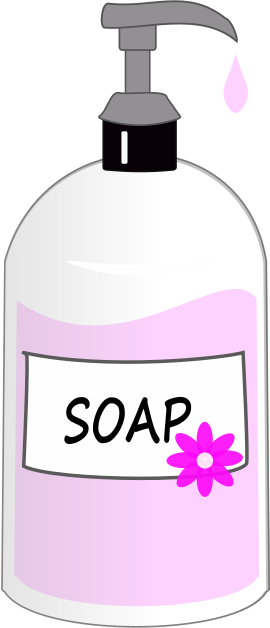
Example: Sodium hydroxide is a base used in soap making.
fr: base
concentration
noun
The amount of solute dissolved in a given quantity of solvent.
Example: The concentration of salt in the solution was increased by adding more salt.
fr: concentration
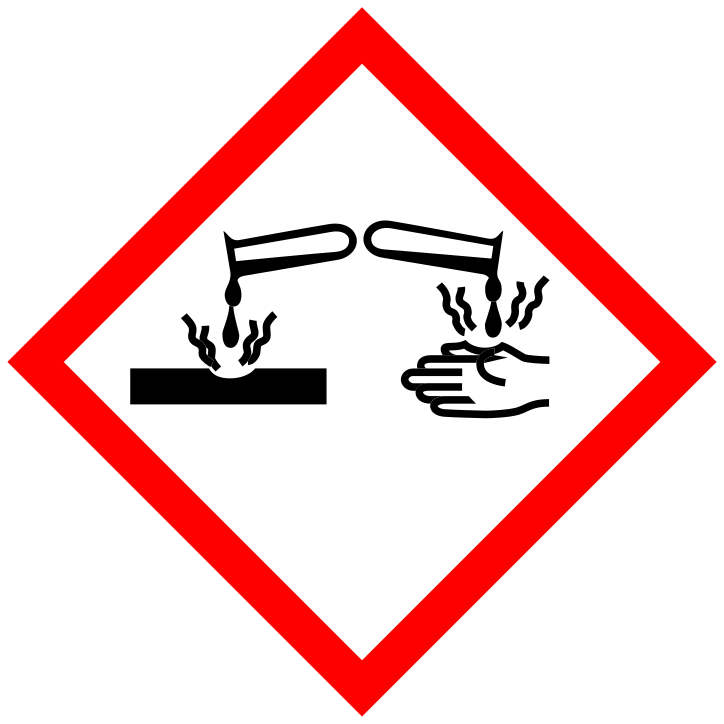
corrosive
adjective
capable of destroying or damaging materials, especially by chemical action.
Example: Sulfuric acid is a corrosive substance that can burn though metal.
fr: corrosif
electron
noun
A negatively charged subatomic particle that orbits the nucleus of an atom.
Example: The electron moves from one energy level to another when it absorbs energy.
fr: électron
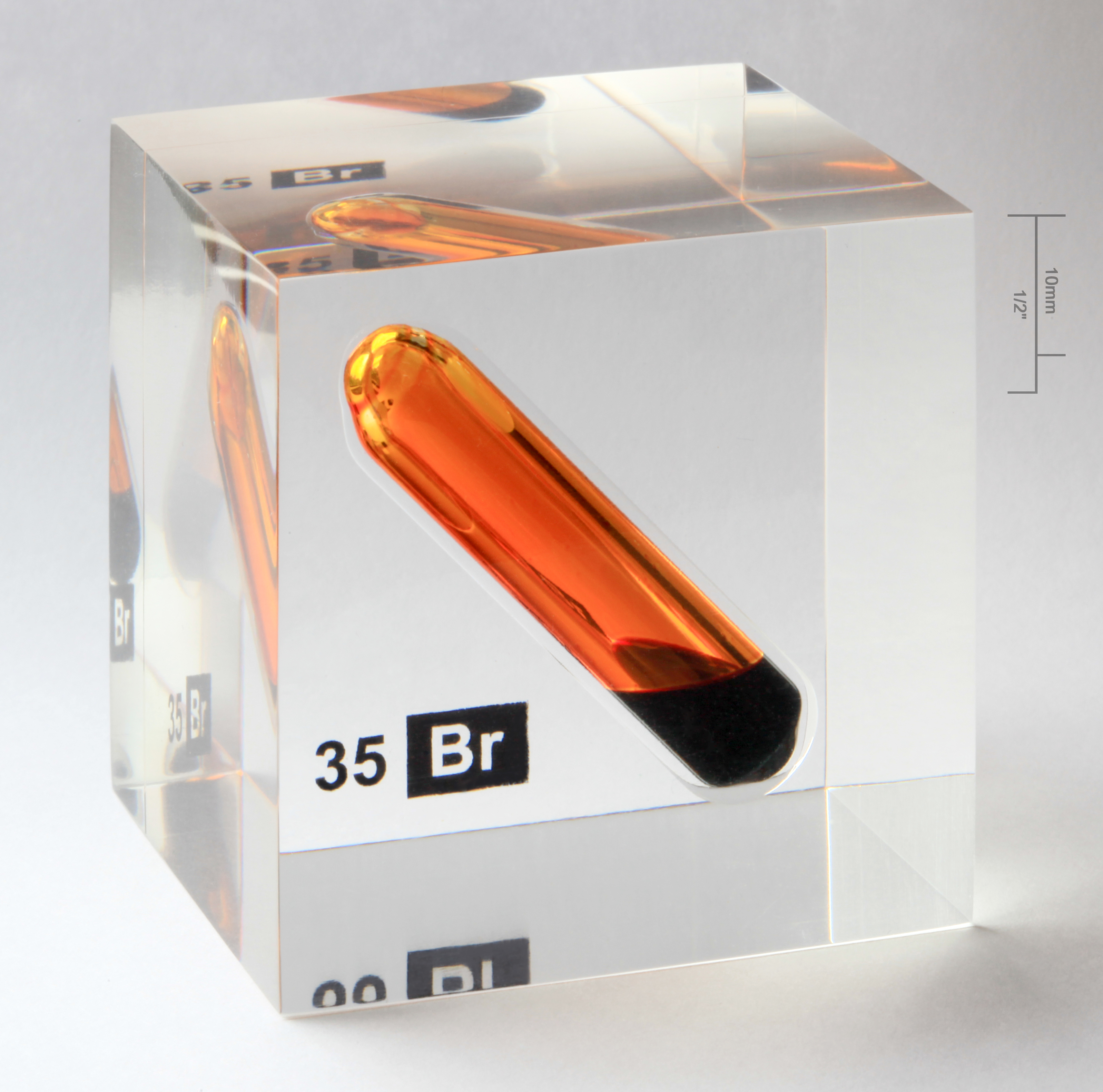
element
noun
A pure substance made of only type of atom, listed in the periodic table.
Example: Gold is an element that is highly valued for its rarity and beauty.
fr: élément
exothermic
adjective
Releasing heat during a chemical reaction.
Example: Combustion is an exothermic reaction that releases energy.
fr: exothermique
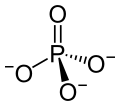
ion
noun
An atom or molecule that has gained or lost one or more electrons, resulting in a charged particle.
Example: When salt dissolves in water, it forms positive sodium ions and negative chloride ions.
fr: ion
molecule
noun
A group of two or more atoms chemically bonded together.
Example: A water molecule consists of two hydrogen atoms and one oxygen atom.
fr: molécule
pH
noun
A scale used to measure how acidic or basic a solution is, ranging from 0 (very acidic) to 14 (very basic).
Example: The pH of pure water is 7, making it neutral.
fr: pH
solution
noun
A homogeneous mixture of a solute dissolved in a solvent.
Example: Saltwater is a solution made by dissolving salt in water.
fr: solution
solvent
noun
A substance that dissolves a solute, forming a solution.
Example: Water is a common solvent used to dissolve salt.
fr: solvant
toxic
adjective
Harmful or poisonous to living organisms.
Example: Mercury is a toxic element that can damage the nervous system.
fr: toxique
volatile
adjective
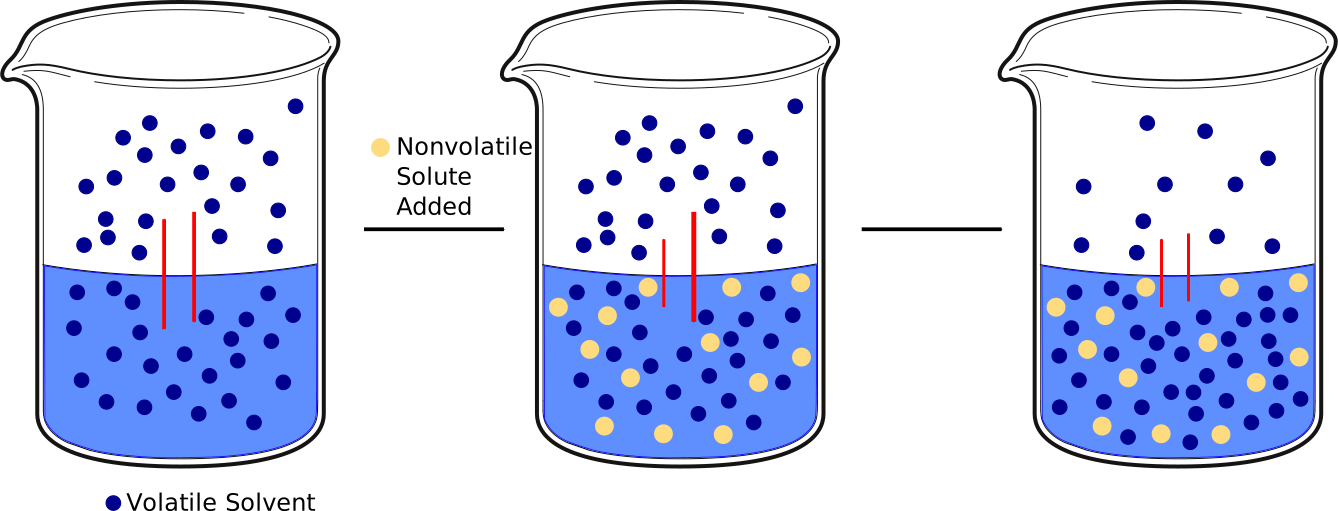
Easily evaporating or turning into vapour at low temperatures.
Example: Acetone is a volatile solvent used in cleaning.