Hello, my name is Rayane-Zayd Mrini, and I am studying natural science at Collège Ahuntsic. I have been in this program for a year now, and it takes two years to complete. There are some prerequisites from high school for this program, such as physics, chemistry, and advanced mathematics.
This glossary was created for Secondary 5 students who want to apply to my program, to help clarify important terms related to science. It includes 15 terms, with definitions taken from the dictionary. The glossary is designed to assist in understanding key concepts, overcoming academic challenges, and applying these terms in real-world scenarios.
I compiled these terms with the help of my teachers in my science classes, ensuring their relevance and accuracy. I hope this glossary serves as a useful resource for your studies.
biology
noun
Biology is the branch of science that studies living organisms, their structure, function, growth, evolution, and distribution.
Example: In biology class, we are studying the process of photosynthesis in plants.
fr: biologie
calculator
noun
A calculator is an electronic device used to perform mathematical calculations, ranging from basic arithmetic to complex functions.
Example: I need a calculator to solve these complex math problems.
fr: calculatrice
cell
noun
In biology, a cell is the smallest unit of life that can function independently, making up all living organisms.
Example: Under the microscope, you can see individual cells in the tissue sample.
fr: cellule
chemistry
noun
Chemistry is the branch of science that studies the substances of which matter is composed, the properties and reactions of these substances, and the use of these reactions to form new substances.
Example: In chemistry class, we learned how different chemicals react when combined.
fr: chimie
diagram
noun
A diagram is a simplified drawing or plan that shows the structure or workings of something, often used to represent data or concepts visually.
Example: The teacher drew a diagram on the board to explain the process of photosynthesis.
fr: diagramme
energy
noun
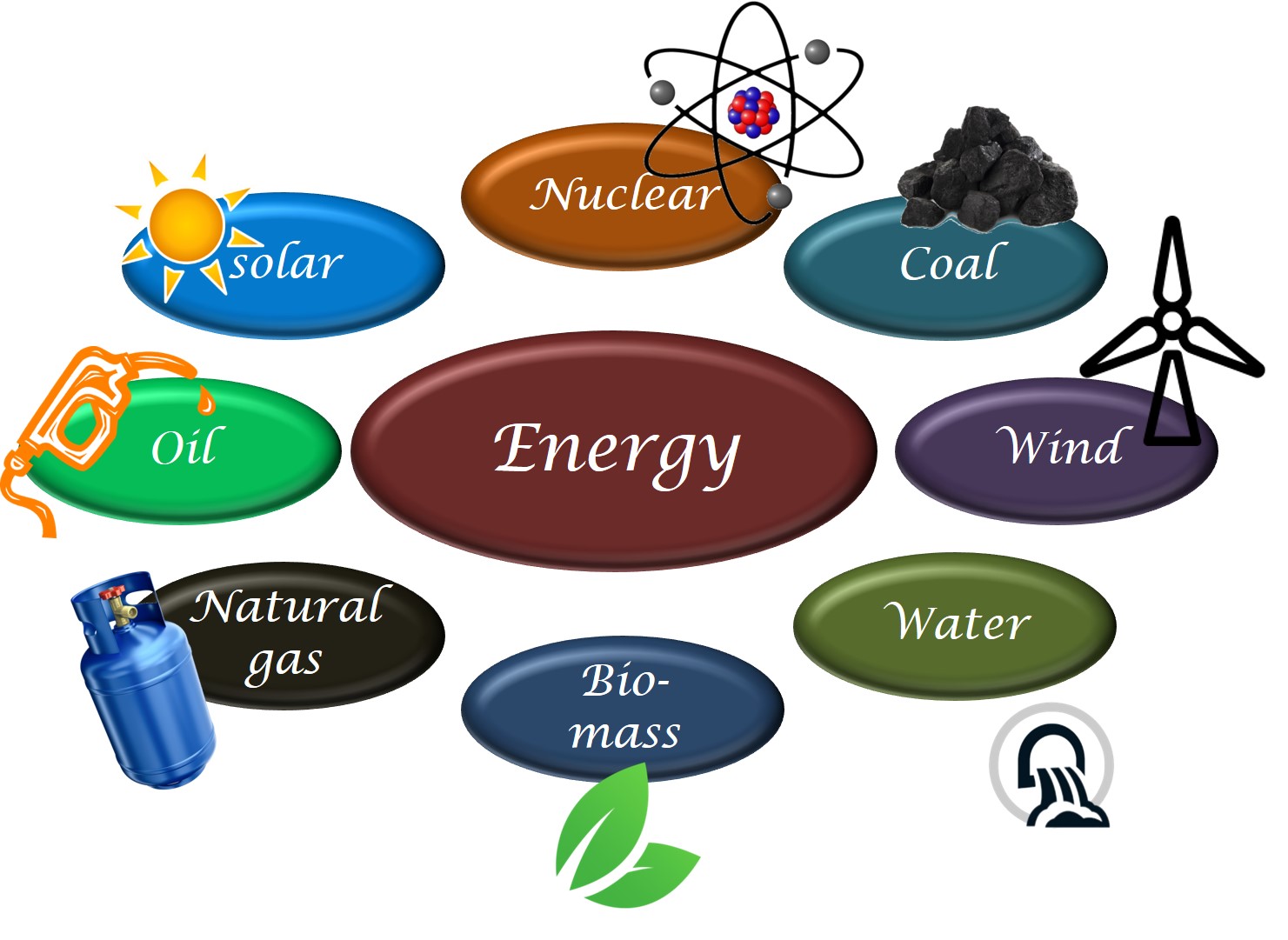
In science, energy is the ability to do work or produce change, existing in different forms such as kinetic energy, potential energy, thermal energy, and chemical energy.
Example: In physics, energy can be transformed from one form to another, like when potential energy is converted into kinetic energy.
fr: énergie
equation
noun
Equations are mathematical statements that assert the equality of two expressions, often involving variables and constants. They are used to solve problems by finding the values of unknown variables.
Example: To solve this problem, we need to find the unknown variable by using the equation.
fr: équation
experimentation
noun
Experimentation is the process of conducting controlled tests or investigations to discover, verify, or demonstrate scientific principles.
Example: In science class, we use experimentation to test hypotheses and analyze results.
fr: expérimentation
gravity
noun
Gravity is a natural force that attracts objects toward one another, particularly the force that pulls objects toward the center of the Earth.
Example: The Earth’s gravity keeps everything, including the atmosphere, on the surface.
fr: gravité
integral
noun
In mathematics, an integral is a fundamental concept that calculates the area under a curve or the total accumulation of a quantity over a specific interval.
Example: To find the area under the curve, you need to calculate the integral of the function between the given limits.
fr: intégrale
lab coat
nouns
A lab coat is a protective garment worn in laboratories to protect the wearer’s clothes and skin from chemicals, spills, and other hazards.
Example: Scientists and chemists wear a lab coat to stay safe while conducting experiments.
fr: blouse de laboratoire
mathematics
noun
Mathematics is the abstract science of number, quantity, shape, and arrangement, using symbolic representations and logical reasoning to solve problems and model real-world phenomena.
Example: Mathematics is essential for understanding scientific concepts and solving real-world problems.
fr: mathématique
microscope
noun
A microscope is an optical instrument used to magnify small objects, allowing them to be viewed in greater detail, typically used in scientific research.
Example: The scientist used a microscope to examine the cell structure closely.
fr: microscope
molecule
noun
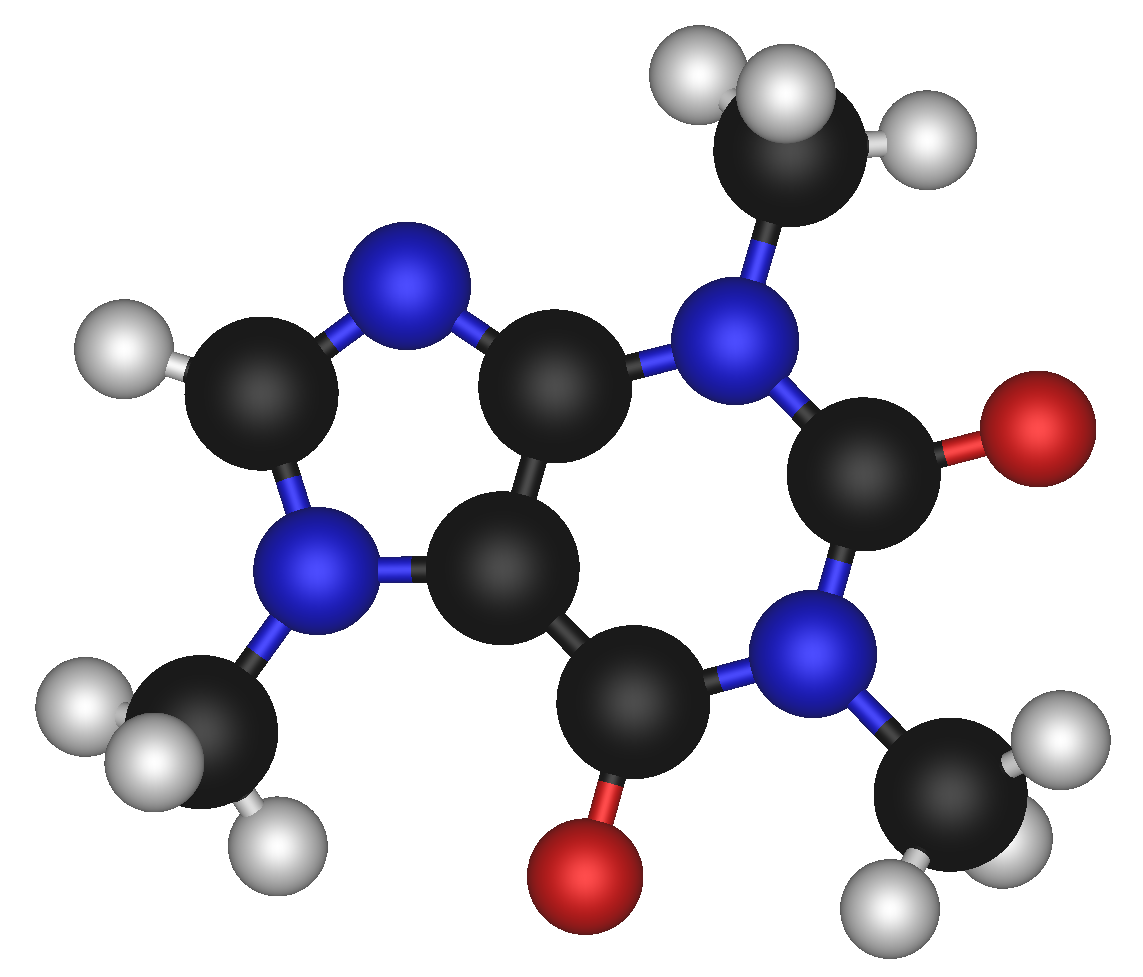
A molecule is a group of two or more atoms bonded together, representing the smallest unit of a chemical compound that can take part in a chemical reaction.
Example: Water is made up of two hydrogen atoms and one oxygen atom, forming a molecule.
fr: molécule
physical
adjective
In the context of science, physical refers to the branch of science concerned with the study of matter, energy, and the fundamental forces of nature.
Example: Physical science explores the principles of physics, chemistry, and earth sciences to understand how the universe works.