Accounting glossary
Accounting glossary
10 Financial accounting and business management terms
Understanding important terms is crucial to success in any professional field. This glossary can be an important resource, providing clarity and precision in communication. These words will be used in my work so understanding them well is essential.
- Accounts payable
- Noun
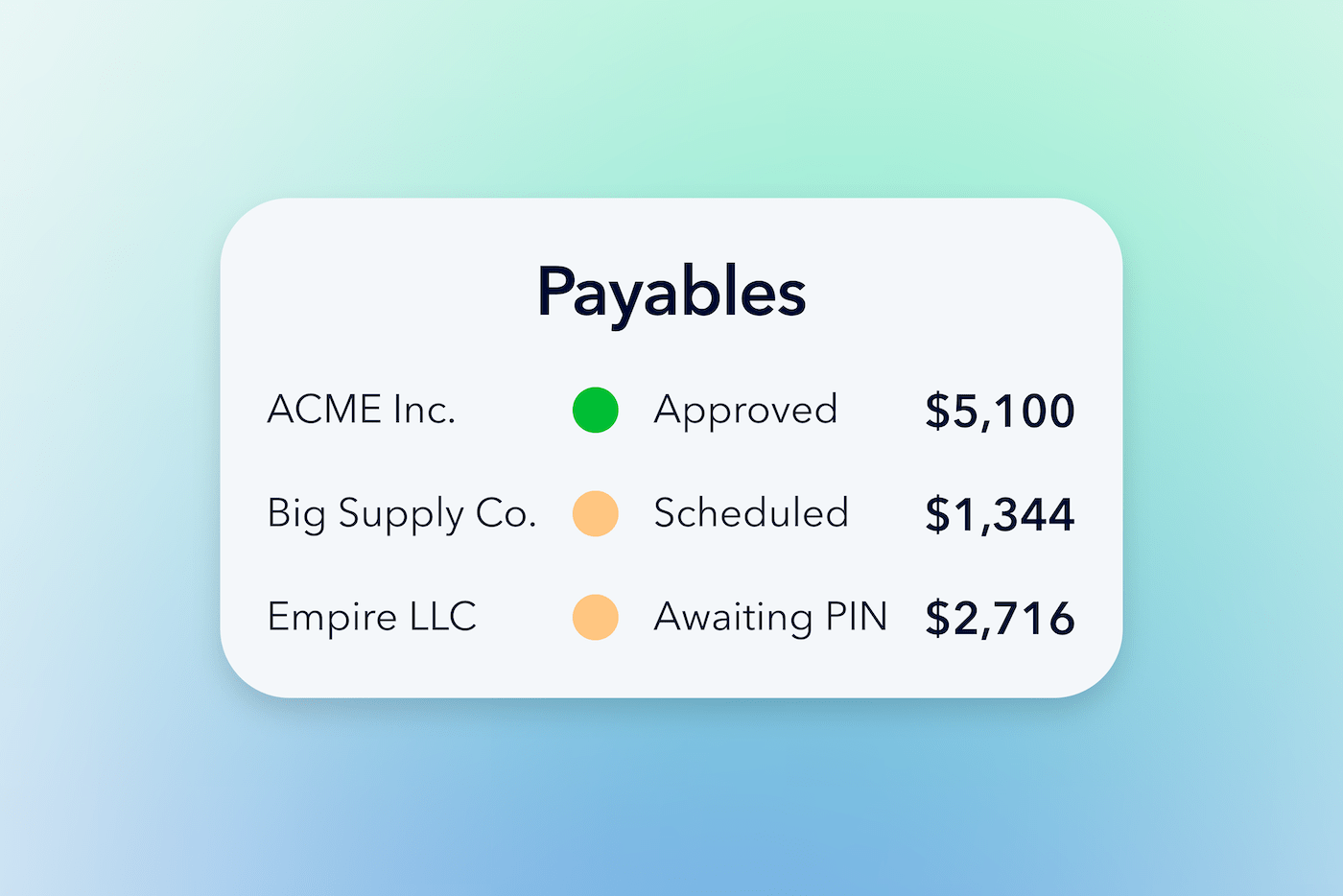
- Accounts payable represent amounts owed by a company to its creditors (suppliers, service providers, etc.) for goods or services already received but not yet paid. This is a short-term debt that appears on the liability side of the balance sheet.
- Example: The company's accounts payable department is responsible for processing invoices and ensuring timely payments to suppliers.
- fr: Comptes créditeurs
- Accrued expenses
- Noun
- Accrued expenses are expenses that a business has incurred but for which it has not yet been billed or paid. They are recorded on an accrual basis, which records expenses when incurred, not when paid.
- Example: The company’s balance sheet showed a significant increase in accrued expenses due to unpaid salaries to employees and unpaid utility bills.
- fr: Charges à payer

- Auditor's report
- Noun
- An auditor’s report is a written communication issued by the auditor at the end of an audit assignment, expressing his opinion on the accuracy of financial statements or other information reviewed. This official document assesses an organization’s internal controls, risk management processes and governance practices.
The report is an accounting firm's opinion of a company's financial statements, especially if they conform to generally accepted accountancy standards.
- Example: The auditor’s report confirmed that the company’s accounts were accurate and in accordance with accounting standards.
- fr: Rapport de l'auditeur

- Financial ratios
- Noun
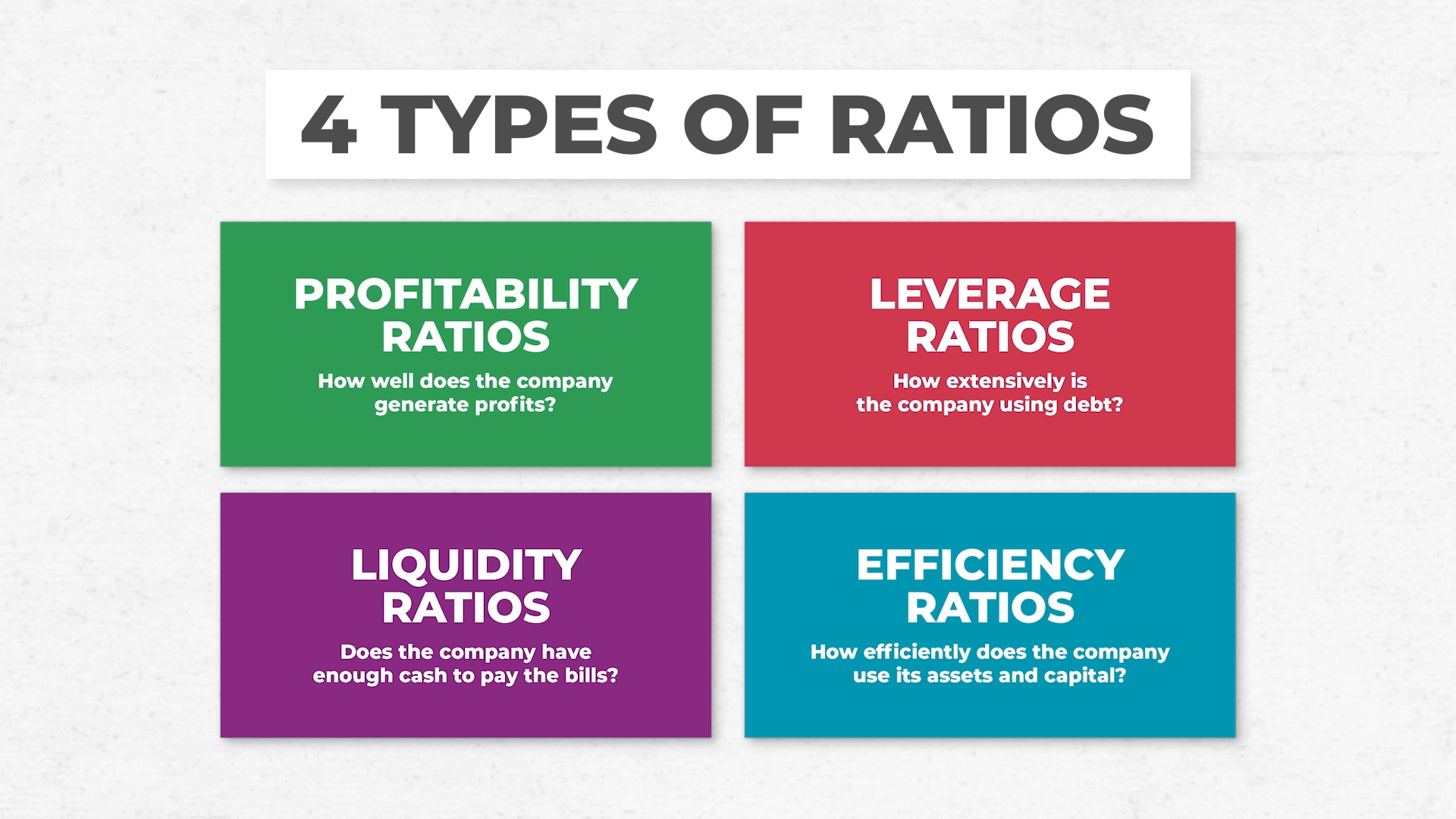
- Financial ratios are indicators calculated from the accounting data of a company, expressed in terms of coefficients or percentages. They allow for a quick assessment of the financial health, performance and economic status of an organization by linking different elements of the financial statements.
- Example: Analyzing financial ratios helps investors understand a company's performance.
- fr: Ratios financiers
- Fiscal year
- Noun
- A fiscal year, is a 12-month period used by companies to record their financial activities and prepare their accounting statements. It does not always correspond to the calendar year.
- Example: Our company's fiscal year runs from July 1st to June 30th.
- fr: Année fiscale
:max_bytes(150000):strip_icc()/fiscal-year-definition-federal-budget-examples-3305794_final-c54e01b8314f424a8aefacb8c126d192.png)
- Fixed assets
- Noun
- Fixed assets are tangible or intangible assets that are used repeatedly in the production process of a business for at least one year. They include items such as land, Buildings, machinery and intellectual property rights.
- Example: The company invested in new fixed assets like machinery and equipment to enhance its production capacity and improve efficiency.
- fr: Immobilisations

- Gross profit
- Noun
- Gross profit margin is a ratio that measures the relative profitability of sales.
- Example: Both Audi and Hyundai show a relatively stable gross profit margin.
- fr: Bénéfice brut

- Inventory management
- Noun
- Inventory management is the process of ordering, storing, using and selling a company’s inventory, including raw materials, components and finished products. It aims to effectively optimize inventory to avoid both overstocks and shortages.
- Example: Effective inventory management is crucial for minimizing storage costs and ensuring products are available when customers need them.
- fr: Gestion des stocks

- Risk assessment
- Noun
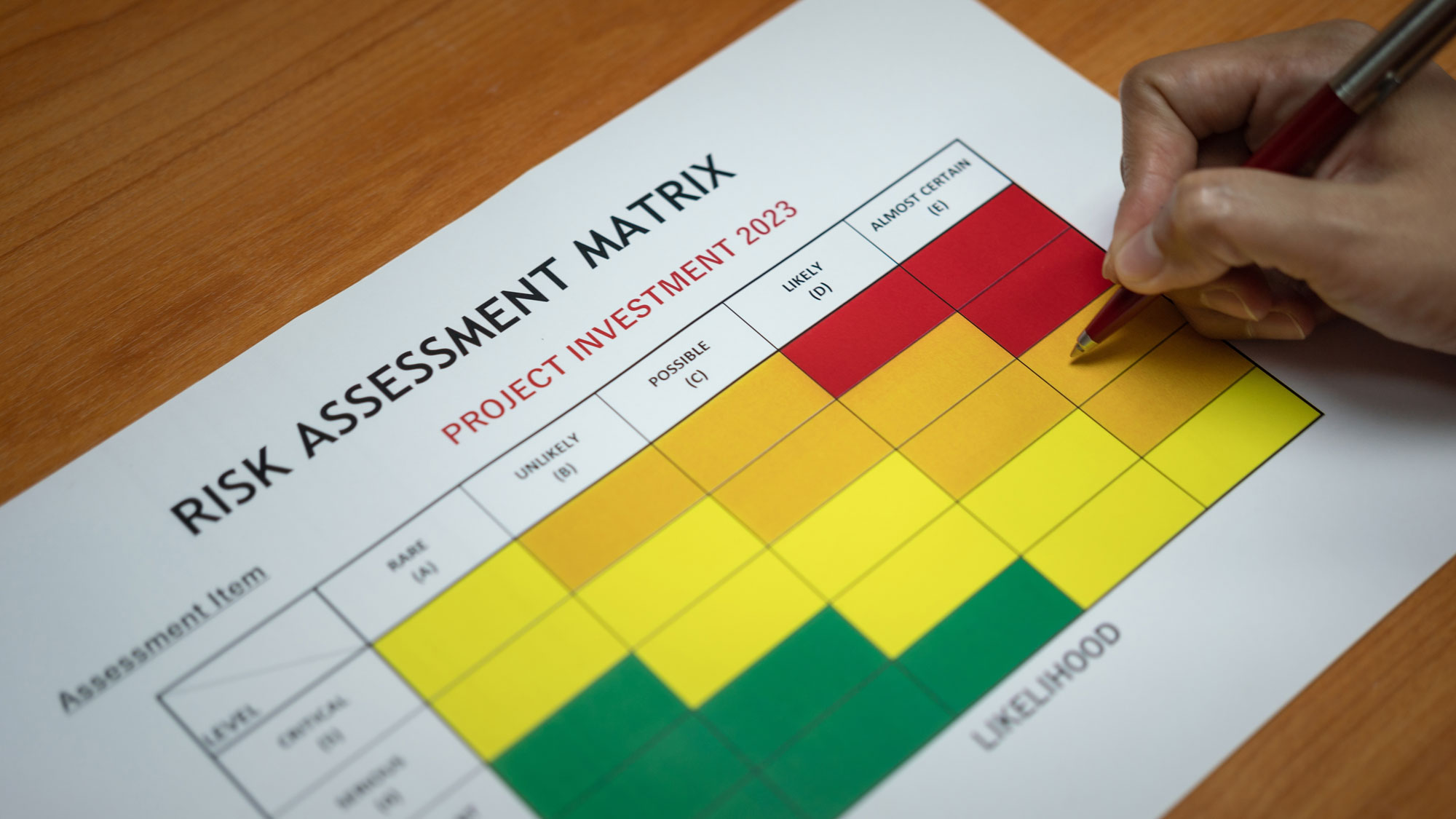
- Risk assessment is the process of identifying and classifying potential risks in a given context, to implement appropriate prevention measures. This is a comprehensive review to identify hazards and assess the likelihood and severity of harm that they could cause.
- Example: The company has conducted a risk assessment to identify potential workplace hazards and apply safety protocols.
- fr: Évaluation des risques
- Trial balance
- Noun
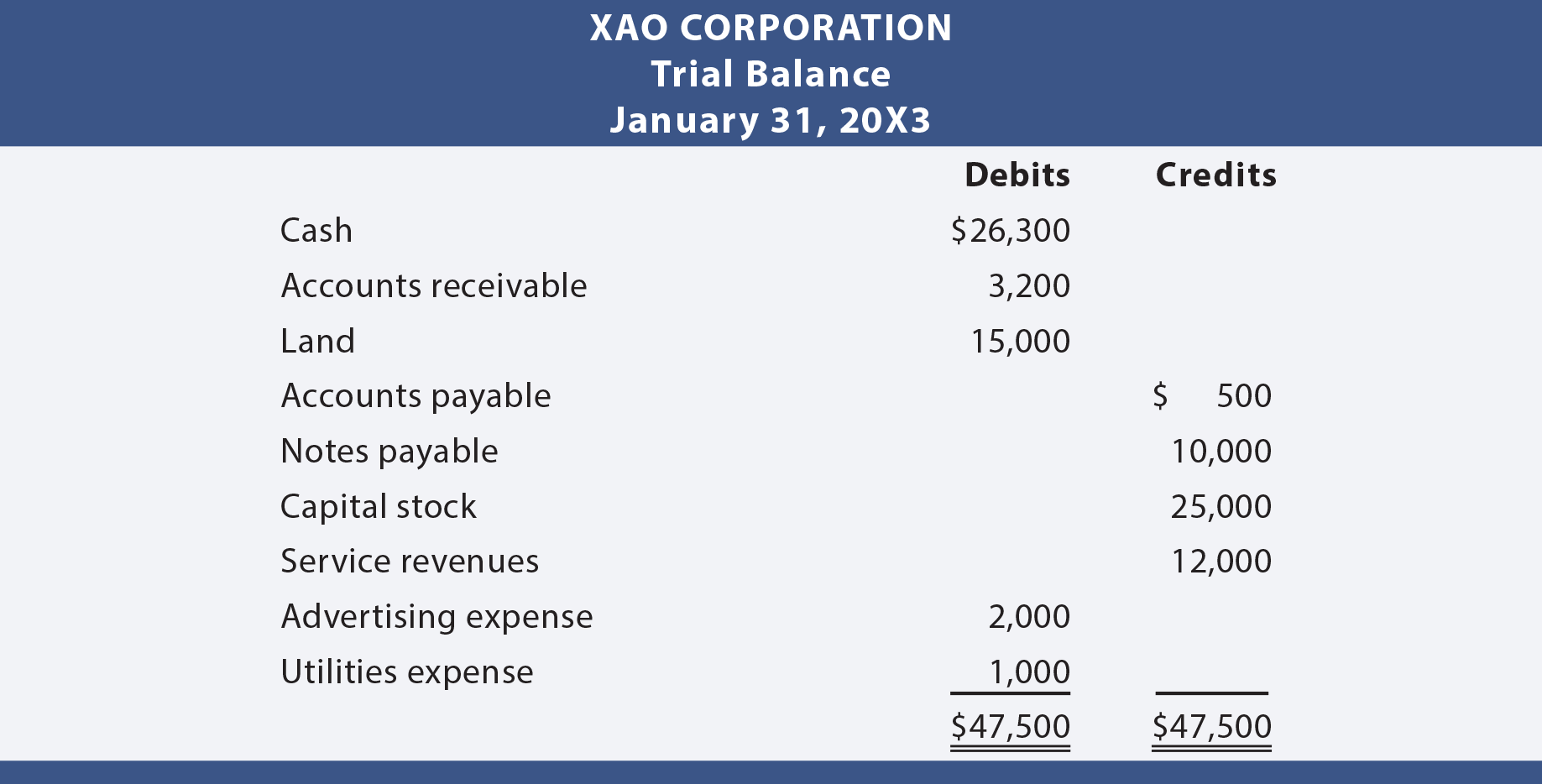
- A trial balance is an accounting report listing the accounts receivable and payable balances of a company. It is used to verify the equality between total debits and credits and to ensure the accuracy of accounting entries.
- Example: After posting all transactions for the month, the accountant prepared the trial balance to ensure that the debits and credits were equal before proceeding with the financial statements.
- fr: Balance de vérification