Hello,
I'm Carmen, and this glossary contains key terms used in the field of radiation oncology. After my mom was diagnosed with cancer in 2020, I decided to return to school after nine years with the goal of becoming an oncologist. However, specializing in oncology would require 13 years of study. Instead, I chose to pursue the Radiation Oncology Technology program at Ahuntsic College, which takes three years to complete.
This glossary is designed for individuals who have been diagnosed with cancer or have experienced it firsthand and want to better understand the medical terminology used in the field.
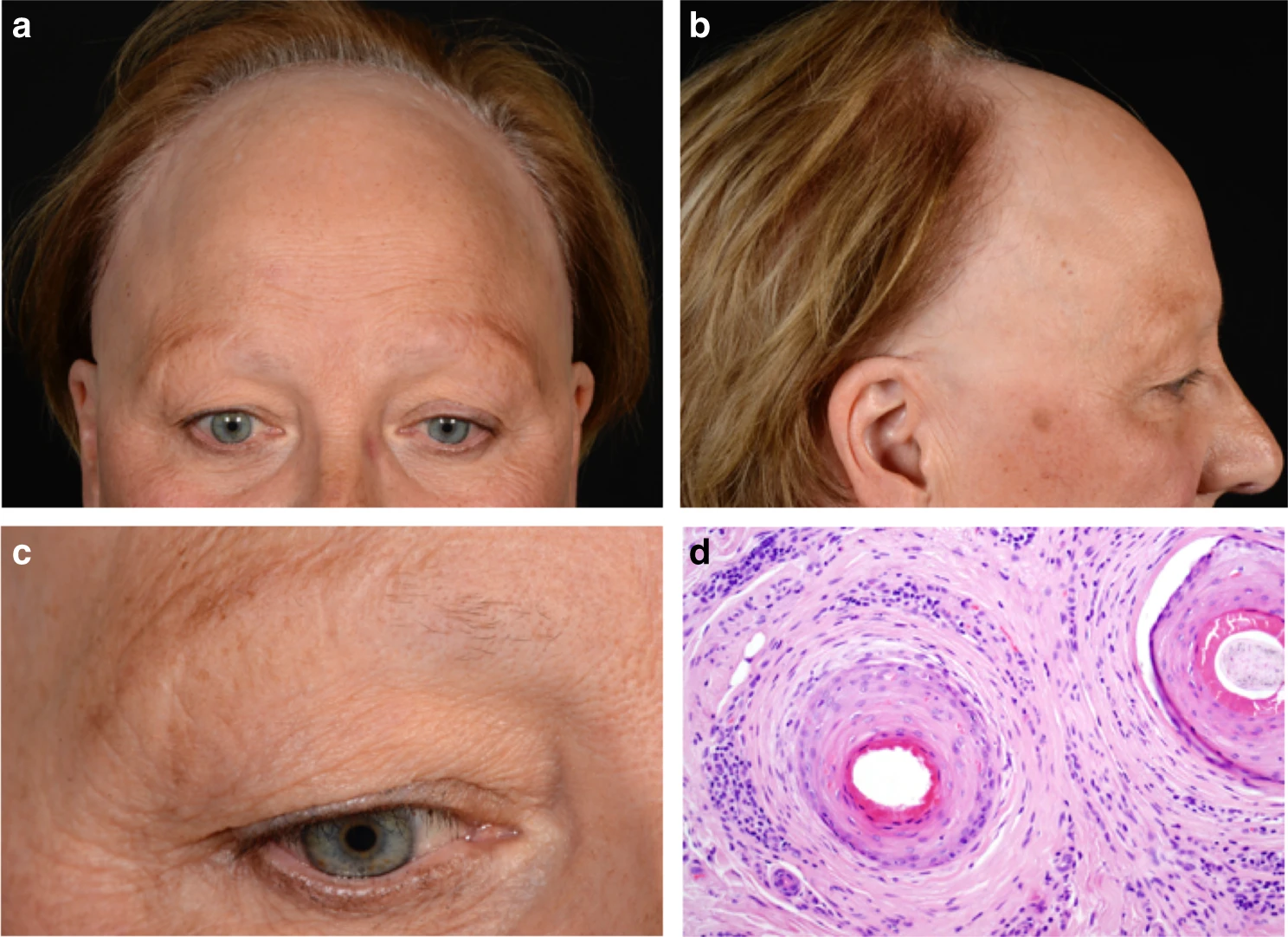
alopecia
noun
The partial or complete absence of hair from areas of the body where it normally grows; baldness.
Example: Past Medical History Type 2 Diabetes Mellitus - 2003 ALOPECIA - 2003 - unknown cause TUPR - 2001 Hypercholesterolaemia No history of thyroid problems, rheumatoid arthritis, epilepsy, asthma, myocardial infarction, stroke or TB.
en: alopécie
antibiotic
noun
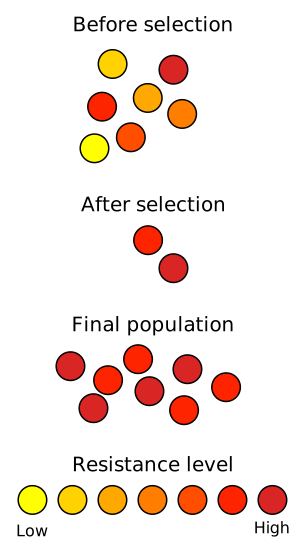
A medicine (such as penicillin or its derivatives) that inhibits the growth of or destroys microorganisms.
Example: Sometimes, the term antibiotic—literally "opposing life", from the Greek roots ἀντι anti, "against" and βίος bios, "life"—is broadly used to refer to any substance used against microbes, but in the usual medical usage, antibiotics (such as penicillin) are those produced naturally (by one microorganism fighting another).
en: antibiotique
antiemetic
adjective and noun
Adjective: (chiefly of a drug) preventing vomiting.
Noun: an antiemetic drug.
Example: Obtain IV access Start IV infusion if indicated Relieve pain - Give IV analgesia plus an ANTIEMETIC; provide all analgesia IV in small increments every few minutes until pain is controlled X-rays - a good quality lateral is essential to make the diagnosis if there is impaction or little displacement.
en: antiémétique
benign tumor
noun
A benign tumor is a non-cancerous mass of tissue that doesn't spread to other parts of the body. Benign tumors are also known as nonmalignant tumors.
Example: There are many examples of benign tumors, including lipomas, fibroids, adenomas, and hemangiomas.
en: tumeur bénigne
biopsy
noun
An examination of tissue removed from a living body to discover the presence, cause, or extent of a disease.
Example: In February, 1959, during the second admission to The New York Hospital, a BIOPSY specimen of the left gastrocnemius showed striking increase in the sarcolemmal sheath nuclei and shrunken muscle fibers in several sections.
en: biopsie
bone marrow
noun
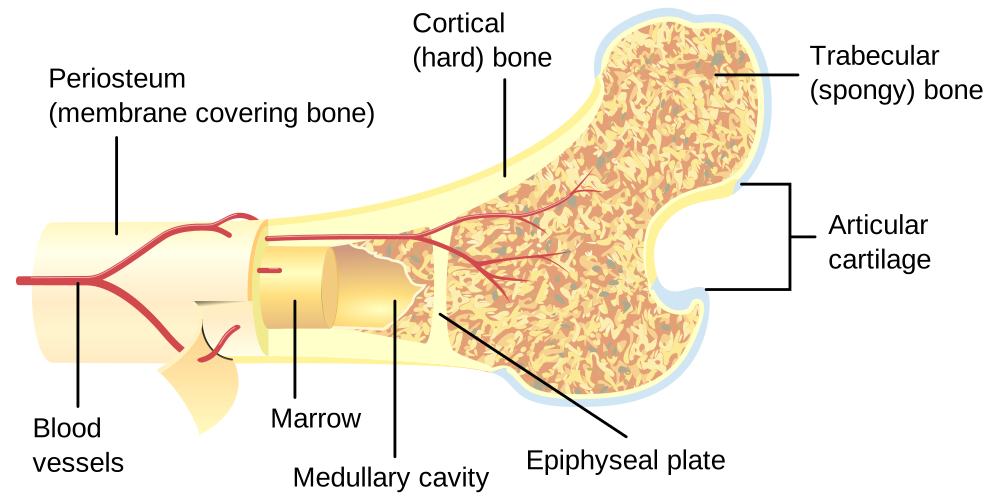
Bone marrow is the soft, spongy tissue that is in the medullary cavities (centers) of bones. Healthy bone marrow is an essential part of the body, as it contains stem cells that produce blood cells and the cells that make up the immune system.
Example: If, for instance, I volunteered to give up some of my BONE MARROW to save a person suffering from leukaemia, then, so long as my own health was not in danger, there would seem to be nothing wrong with my momentarily relinquishing my autonomy.
en: moelle
cancer
noun
A disease caused by an uncontrolled division of abnormal cells in a part of the body.
Example: Lung CANCER accounts for 15 per cent of female CANCER deaths.
en: cancer
carcinogenesis
noun
The initiation of cancer formation.
Example: Tobacco: At least 70 chemicals in tobacco cause cancer.
Radiation: Ionizing radiation from sources like X-rays, radon, and other medical imaging tests.
Sunlight: Ultraviolet rays from the sun are a physical carcinogen.
Asbestos: Tiny fibers that can get lodged in the lungs.
Processed meat: Preserved or flavored meats can increase the risk of colon cancer.
Engine exhaust: The gas and soot in diesel engine exhaust are believed to cause lung cancer.
Oncogenic viruses: Viruses that can cause cancer, such as human papillomavirus (HPV), Epstein-Barr, and hepatitis B.
en: carcinogenèse
chemotherapy
noun
The treatment of disease by the use of chemical substances, especially the treatment of cancer by cytotoxic and other drugs.
Example: Following surgery and radiotherapy, adjuvant treatment with CHEMOTHERAPY or hormonal therapy is advocated for patients with early breast cancer in order to eliminate the systemic metastases responsible for late reoccurrences whilst they are still microscopic and vulnerable.
en: chimiothérapie
cyst
noun
A cyst is a sac-like pocket of membranous tissue that contains fluid, air, or other substances. Cysts can grow almost anywhere in your body or under your skin.
Example: Common or serious causes of this description of a neck lump include: Superficial: Lipoma Sebaceous CYST. Dermoid CYST. Deep: Salivary glands. Branchial CYST. Lymph node swelling .
en: kyste
diagnosis
noun
The identification of the nature of an illness or other problem by examination of the symptoms.
Example: Anxiety is an important issue in cancer care and is often associated with a cancer DIAGNOSIS and the subsequent oncology treatment process.
en: diagnostic
DNA
noun
A self-replicating material that is present in nearly all living organisms as the main constituent of chromosomes. It is the carrier of genetic information.
The fundamental and distinctive characteristics or qualities of someone or something, especially when regarded as unchangeable.
Example: GENETIC ENGINEERING Genetic engineering involves the manipulation of DNA, the basic chromosomal unit that exists in all cells and which contains genetic information that is passed on to future generations.
en: ADN
external radiation
noun
External radiation is a treatment that uses radiation beams to target a specific part of the body from outside the body. It's also known as external beam radiation therapy (EBT).
Example: External beam radiation therapy comes from a machine that aims radiation at your cancer. It is a local treatment, which means it treats a specific part of your body. For example, if you have cancer in your lung, you will have radiation only to your chest, not to your whole body.
en: rayonnement externe
gamma ray
noun
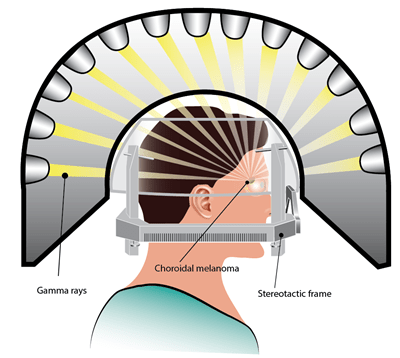
Penetrating electromagnetic radiation of a kind arising from the radioactive decay of atomic nuclei.
Example: When a GAMMA RAY interacts with another particle there are three significant ways in which that interaction may occur: photoelectric absorption, Compton scattering and pair production. It is from these three possible situations that the photon energies can be quantified. Photoelectric Absorption Photoelectric absorption is where a GAMMA RAY interacts with a particle and disappears.
en: rayon gamma
gynecologic tumours
noun
Gynecologic tumors are cancers that develop in a woman's reproductive organs. They can be benign (non-cancerous) or malignant (cancerous).
Example: The five main types of gynecologic cancer are: cervical, ovarian, uterine, vaginal, and vulvar.
en: tumeurs gynécologiques
hematology
noun
The study of the physiology of the blood.
Example: Examples of hematology include blood disorders, blood tests, and blood types.
en: hématologie
hematuria
noun
The presence of blood in urine. It can occur when the filters in the kidneys or urinary tract leak blood into the urine.
Example: Examples include blunt trauma (like a fall, automobile collision or sports injury) or a penetrating injury (like a knife wound or gunshot wound).
en: hématurie
iatrogenic
adjective
Relating to illness caused by medical examination or treatment.
Example: The most likely diagnoses at this stage are IATROGENIC causes, dehydration and benign positional vertigo.
en: iatrogène
immune system
noun
A complex network of cells, tissues, organs, and the substances they make that helps the body fight infections and other diseases.
Example: Schematic Diagram 1. - showing icosahedral structure of retroviridae virus The result of this is a considerably weakened IMMUNE SYSTEM whereby the host becomes immunocompromised, and so is inevitably susceptible to opportunistic infections and secondary infections that are responsible for diseases associated with FIV.
en: système immunitaire
inflammation
noun
A localized physical condition in which part of the body becomes reddened, swollen, hot, and often painful, especially as a reaction to injury or infection.
Example: An initial reaction phase which lasts up to 72 hours post-injury. This phase is also referred to as the acute INFLAMMATION phase. The reaction phase displays with the classic signs of INFLAMMATION with pain, swelling, redness and warmth.
en: inflammation
lumpectomy
noun
A surgical operation in which a lump is removed from the breast, typically when cancer is present but has not spread.
Example: Breast conserving treatment such as WLE (LUMPECTOMY) involves removal of the tumour and surrounding tissue, with or without local lymph nodes.
en: tumorectomie
lymph node
noun
Each of a number of small swellings in the lymphatic system where lymph is filtered and lymphocytes are formed.
Example: The criteria for beginning therapy are: Progressive marrow failure Massive or progressive LYMPH NODE enlargement Massive or progressive enlargement of the spleen Progressive lymphocytosis Systemic symptoms (weight loss in the last 10 months, fever above 38oC for 2 weeks or more, extreme fatigue, night sweats and auto-immune haemolytic anaemia).
en: ganglion lymphatique
malignant
adjective
A term used to describe cancer. Malignant cells grow in an uncontrolled way and can invade nearby tissues and spread to other parts of the body through the blood and lymph system.
Example: This makes the most likely cause of the neck lump to be: Parotid gland lesion (benign or MALIGNANT).
en: maligne
metastasis
noun
The development of secondary malignant growths at a distance from a primary site of cancer.
Example: Tumour cells spread to further structures either by infiltrating into local tissues, or undergoing METASTASIS to more distant sites via lymphatics or the blood stream. Common sites of breast cancer metastases, the axillary lymph nodes represent the commonest initial site of METASTASIS via lymphatic spread with approximately 40-50% of malignancies exhibiting secondary tumours in this region.
en: métastase
Non-Hodgkin lymphoma
Non-Hodgkin lymphoma happens when germ-fighting cells in the lymphatic system grow out of control. The cells can form growths, called tumors, throughout the body.
Example: There are many examples of non-Hodgkin lymphoma (NHL), including Burkitt lymphoma, follicular lymphoma, and chronic lymphocytic leukemia. NHL is a blood cancer that affects white blood cells called lymphocytes.
en: Lymphome non hodgkinien
radiation oncologist
noun
Radiation oncologists are doctors who specialize in treating cancer with radiation therapy.
Example: A radiation oncologist is a doctor who specializes in using radiation to treat cancer. They use a variety of techniques, including external beam radiation, internal radiation, and radiopharmaceuticals.
en: radio-oncologue
radiation physicist
noun
A person who makes sure that the radiation machine delivers the right amount of radiation to the correct site in the body. The physicist works with the radiation oncologist to choose the treatment schedule and dose that has the best chance of killing the most cancer cells.
Example: Ultrasound, Magnetic Resonance, Computed Tomography, Nuclear Medicine, X-rays, Radiation Therapy, are all branches of medical physics where continued research is being conducted by a very large group of dedicated researchers consisting of highly qualified physicists, engineers and radiologists.
en: physicien des rayonnements
radiation therapist
noun
A radiation therapist is part of the care team that treats patients with cancer and other diseases through the use of radiation treatments. They work with doctors who specialize in radiation therapy (radiation oncologists) and oncology nurses who specialize in caring for cancer patients.
Example: Radiation therapy most often uses X-rays. But other types of radiation therapy exist, including proton radiation. Modern methods of radiation are precise. They aim beams directly at the cancer while protecting healthy tissues from high doses of radiation.
en: radiothérapeute
sarcoma
noun
Sarcoma refers to a broad group of cancers that start in the bones and soft tissues. Soft tissues connect, support and surround other body structures.
Example: AIDS first came to prominence through the appearance of a number of patients marked by the experience of a cocktail of illnesses, including pneumonia, CMV (cytomegalovirus, belonging to the herpes virus family) and Karposi's SARCOMA (a skin disease).
en: sarcome
side effect
noun
A secondary, typically undesirable effect of a drug or medical treatment.
Example: This may be a SIDE EFFECT of her medication for hypertension and will require monitoring by her GP.
en: effet secondaire
symptoms
noun
A physical or mental feature which is regarded as indicating a condition of disease, particularly such a feature that is apparent to the patient.
Example: F. tularensis then disseminates to the local lymph nodes causing the manifestation of flu-like SYMPTOMS. Common SYMPTOMS include 39-40.6°C fever, malaise and headaches. Glandular tularemia produces similar SYMPTOMS but no ulcer forms at the inoculation site. Diarrhoea, stomach pains, vomiting, acute bowel ulceration and flu-like SYMPTOMS are known to manifest.
en: symptômes
tumor
noun
A swelling of a part of the body, generally without inflammation, caused by an abnormal growth of tissue, whether benign or malignant.
Example: It is this metastasis of the cancer to sensitive areas, such as the lymph nodes, that makes breast cancer lethal, as a TUMOR in the breast is not lethal in itself.
en: tumeur
x-ray
noun
A photographic or digital image of the internal composition of something, especially a part of the body, produced by X-rays being passed through it and being absorbed to different degrees by different materials.
Example: X-RAY images of her chest, pelvis, c-spine and feet were obtained along with CT scans of her head and c-spine.