This glossary was made for the purpose of helping people that may need the help of emergency medical technician. It will help them in better understanding the term used by the emergency service personnel.
acidosis
noun
A condition where the fluid in the body are more acidic then they normally should be.
Example: The pH level of 7.130 indicates an ACIDOSIS a raised pCO 2.
fr: acidose
adrenaline
noun
Adrenaline is an adrenergic hormone produced by the adrenal gland that accelerate heart beat and respiratory frequency to grant more energy during stressful event.
Example: This was the athlete first tournament the anticipation leads to the release of ADRENALINE from the adrenal medulla.
fr: adrenaline
airway
noun
The passage by which the air travel to reach the lungs.
Example: The AIRWAY was obstructed by a grape.
fr: voies de la respiration
anaphylaxis
noun
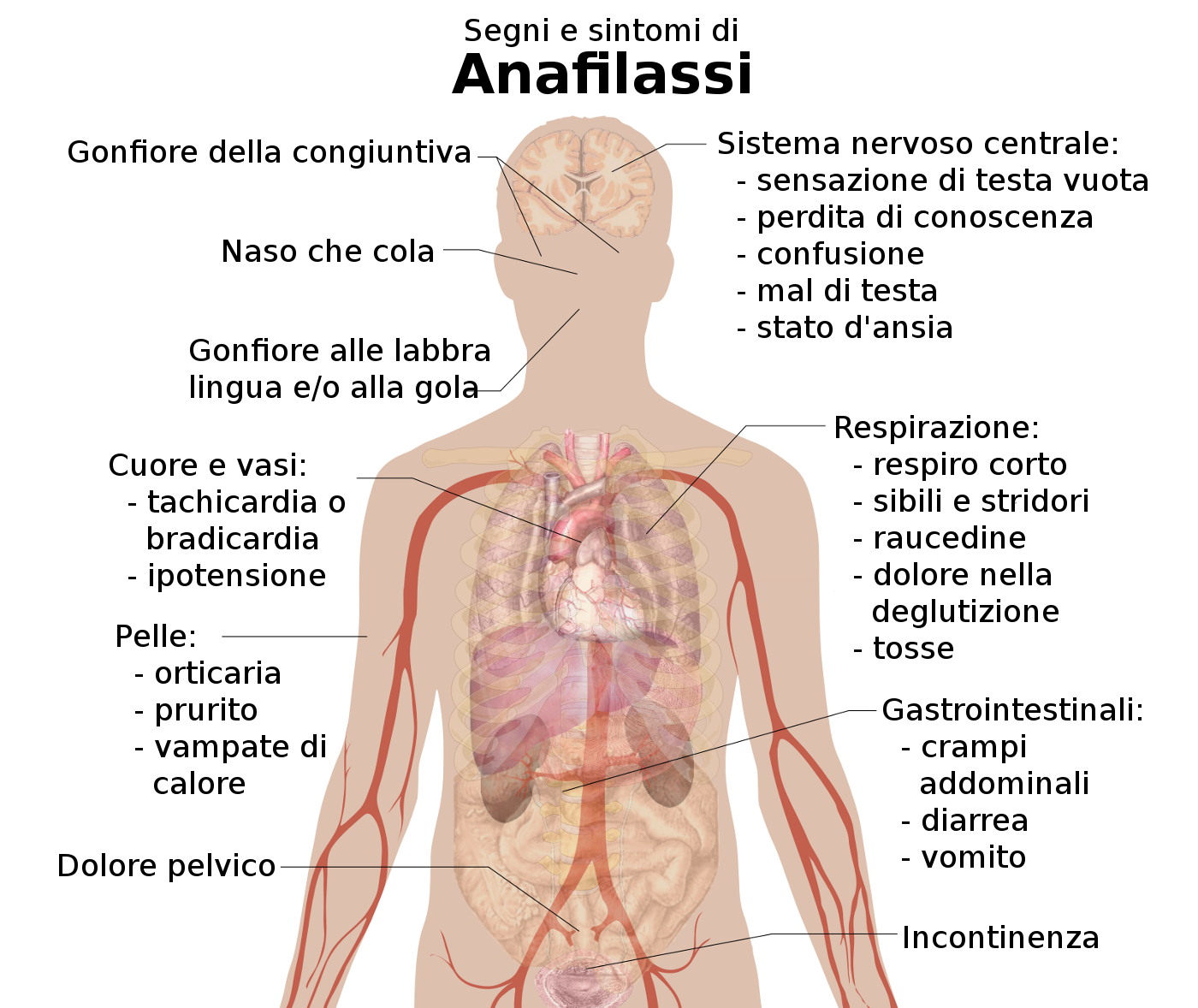
An acute allergic reaction to an antigen.
Example: He was stung by a bee which caused anaphylaxis.
fr: anaphylaxie
anemia
noun
A lack of hemoglobin or a lack of red blood cell causing pallor dizziness hypoxia.
Example: when you do not eat enough iron you might develop ANEMIA.
fr: anémie
blood pressure
noun
Blood pressure is a measure of how forcefully your blood goes through your arteries.
Example: Your blood pressure is really high it's over 190/112.
fr: pression artérielle
bradypnea
noun
a slow breathing rate.
Example: Bradypnea can be a sign of decompensation.
fr: bradypnée
cervical collar
noun
A medical device used to support and immobilize a person's neck.
Example: The CERVICAL COLLAR was put on to prevent further damage of the neck.
fr: collier cervical
convulsions
noun
A sudden, violent, irregular movement of a limb or of the body, caused by involuntary contraction of muscles and associated especially with brain disorders such as epilepsy.
Example: The patient had a CONVULSIONS.
fr: convulsion
diabetes
noun
disease in which the body’s ability to produce or respond to the hormone insulin is impaired, resulting in abnormal metabolism of carbohydrates and elevated levels of glucose in the blood and urine.
Example: Due to bad living condition and bad alimentation the patient developed type 2 diabetes.
fr: diabète
drug
noun
A medicine or other substance which has a physiological effect when ingested or otherwise introduced into the body.
Example: The drugs where effective in helping the patient recover.
fr: médicament ou drogue
dyspnea
noun
Difficulty or labored breathing.
Example: The patient was in dyspnea.
fr: dyspnée
embolism
noun
obstruction of an artery, typically by a clot of blood or an air bubble
Example: the embolism caused a stroke.
fr: embolie
glucagon
noun
a hormone formed in the pancreas which promotes the breakdown of glycogen to glucose in the liver
Example: The blood sugar raised after the administration of the GLUCAGON.
fr: glucagon
glucose
noun
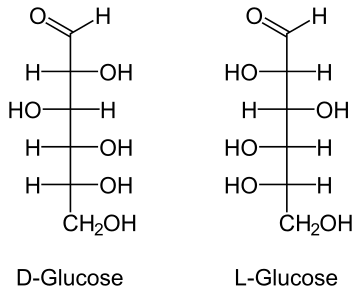
A simple sugar which is an important energy source in living organisms and is a component of many carbohydrates.
Example: The lack of GLUCOSE can cause dizziness.
fr: glucose
hemoglobin
noun
A red protein responsible for transporting oxygen in the blood of vertebrates. Its molecule comprises four subunits, each containing an iron atom bound to a heme group.
Example: Lack of iron can cause an under production of HEMOGLOBIN.
fr: hémoglobine
hypoxia
noun
Low levels of oxygen in your body tissues.
Example: The HYPOXIA caused infarct in the heart.
fr: hypoxie
infarct
noun
small localized area of dead tissue resulting from failure of blood supply.
Example: The hypoxia caused an INFARCT.
fr: nécrose
paresis
noun
A condition of muscular weakness caused by nerve damage or disease.
Example: The car accident caused PARESIS in the patient legs.
fr: parésie
stroke
Rapid loss of brain function due to disturbance in the supply of blood to the brain.