This glossary contains the words people can use when they study in animal health
autoclave
noun
A strong heated container used for chemical reactions and other processes using high pressures and temperatures, e.g. steam sterilization.
Example: These gauges demonstrated that the vacuum package has a MTTF of 78.5 years in accelerated test conditions (AUTOCLAVE and thermal cycling tests).
en: autoclave
biosecurity
noun
procedures intended to protect humans or animals against disease or harmful biological agents.
Example: none
en: biosécurité
debarking
verb
A surgical procedure performed under general anesthesia to resect varying amounts of the vocal folds or cords.
Example: none
en: écorçage
declawing
verb
Remove the claws from.
Example: none
en: dégriffage
Diagnosis
noun
The identification of the nature of an illness or other problem by examination of the symptoms.
Example: The Oxford economists, Bacon and Eltis, found a receptive audience across the political spectrum for their DIAGNOSIS that Britain was generating far too few producers of wealth.
en: Diagnostic
Disease
noun
A disorder of structure or function in a human, animal, or plant, especially one that has a known cause and a distinctive group of symptoms, signs, or anatomical changes.
Example: On his death - bed Stepan Vcrkhovensky returns to the swine of the gospel story and paraphrases the devils which enter them as a DISEASE afflicting all Russia.
en: Maladie
docking of tails
noun
There is a continuing tradition of docking working dogs' tails with the goal of preventing tail injury during activities such as hunting.
Example: none
en: abattage des queues
epidemiologists
noun
A person who studies or is an expert in the branch of medicine which deals with the incidence, distribution, and possible control of diseases.
Example: We need the skills of environmental scientists, statisticians, EPIDEMIOLOGISTS and chemical engineers, not to mention those of the geographer and planner.
en: épidémiologistes
equines
noun
A horse or other member of the horse family.
Example: none
en: équidés
Farriers
noun
A person who shoes horses.
Example: It was a tool used by FARRIERS to Pare the hoof of a horse and known as a butteris, buttress or buttrace.
en: Maréchaux-ferrants
Injury
noun
An instance of being injured.
Example: According to her, aggression "involves the intention to hurt or emerge superior to others, does not necessarily involve physical INJURY (violence) and may or may not be regarded as being underpinned by different kinds of motives".
en: Blessure
laryngoscope
noun
An instrument for examining the larynx, or for inserting a tube through it.
Example: none
en: laryngoscope
livestock
noun
Farm animals regarded as an asset.
Example: In the intervals between his military activities Karadjordje had carried on a successful business as a LIVESTOCK trader, selling pigs across the border into Austria, and he had acquired a modest level of prosperity.
en: bétail
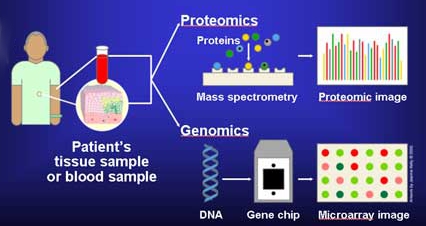
molecular diagnostics
noun
Laboratory methods that are used to help identify a disease or the risk of developing a disease, such as cancer, by studying molecules, such as DNA, RNA,.
Example: none
en: Diagnostic moléculaire
musculoskeletal
noun
Having to do with muscles, bones, tendons, ligaments, joints, and cartilage.
Example: Basically the procedure involves monitoring biological signals that come from the central nervous system, the autonomic nervous system, the MUSCULOSKELETAL system and the cardiovascular system.
en: musculo-squelettique
osteopaths
noun
Focuses on your whole body, including the soft tissues (such as muscles, ligaments and tendons), the spine and nervous system,.
Example: none
en: ostéopathes
paraveterinary workers
noun
A paraveterinary worker is a professional of veterinary medicine who performs procedures autonomously or semi-autonomously, as part of a veterinary assistance system.
Example: none
en: travailleurs paravétérinaires
randomized controlled trials
noun
Randomized controlled trials are prospective studies that measure the effectiveness of a new intervention or treatment.
Example: Understanding controlled trials: Why are RANDOMIZED CONTROLLED TRIALS important?
en: essais contrôlés randomisés
stem cells therapy
noun
Stem cell therapy, also known as regenerative medicine, promotes the repair response of diseased, dysfunctional or injured tissue using stem cells or their derivatives.
Example: none
en: thérapie par cellules souches
zoonotic disease
noun
Infections that are spread between people and animals.