20 The topic of this glossary is Word related to Pre-Hospital Emergency Care. terms
Hi, my name is Olivier Robert. I have been in Prehospital Emergency Care for the last three semester. This glossary is for people that are interested in the paramedical field and want to learn new words related to it. This glossary will contain 20 words that you could use to impress your family or friends. This could people be more specific when you are with a healthcare worker, and you need to explain to him what you have. This will make them understand you quicker and help quicker. I found all the words in my head and on the internet and the definitions came also from my head or on the internet.
Ache
Noun
A continuous or prolonged dull pain in a part of one's body.
Example: The ache in her head worsened.
en: Douleur
Aneurism
Noun
A localized dilatation of the wall of an artery leading to the formation of a pocket of variable size.
Example: My aortic aneurism broke an hour ago.
en: Anévrisme
Angina
Noun
It is chest pain or discomfort that occurs when part of your heart muscle does not get enough oxygen-rich blood.
Example: My dad as angina.
en: Angine
Angioplasty
Noun
Surgical repair or unblocking of a blood vessel.
Example: I sent my patient in angioplasty.
en: Angioplastie
Anisocoria
Noun
Anisocoria is the medical term for one of your pupils being bigger than the other.
Example: His pupils are in anisocoria.
en: Anisocorie
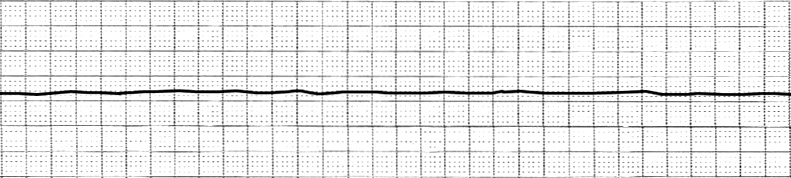
Asystole
Noun
A condition in which the heart no longer beats and usually cannot be restarted.
Example: My patient is in asystole.
en: Asystolie
Cephalalgia
Noun
It is pain anywhere in the region of the head or neck.
Example: This activity gave me a cephalalgia.
en: Céphalée
Combitube
Noun
It is designed to provide an airway to facilitate the mechanical ventilation of a patient in respiratory distress.
Example: I used the combitube to intubate my patient.
en: Combitube
Cyanosis
Noun
A bluish discoloration of the skin résultant from pour circulation or inadequate oxygenation of the blood.
Example: His lips are cyanotic.
en: Cyanose

Diaphragm
Noun
A dome-shaped, muscular partition separating the thorax from the abdomen in mammals. It plays a
major role in breathing, as its contraction increases the volume of the thorax and so inflates the lungs.
Example: My diaphragm is not working well.
en: Diaphragme
Dyspnea
Noun
Dyspnea is an unpleasant feeling of lack of air or difficulty breathing.
Example: I have a dyspnea.
en: Dyspnée
edema
Noun
A condition characterized by an excess of watery fluid collecting in the cavities or tissues of the body.
Example: My foot has edema.
en: Oedeme
Evisceration
Noun
Surgical removal of an organ from a patient.
Example: We have a call for an evisceration.
en: Éviscération
Hypoxia
Noun
Deficience in the amount of oxygen reaching the tissues.
Example: My patient is hypoxic.
en: Hypoxie
I-Gel
Noun
It is designed to provide an airway to facilitate the mechanical ventilation of a patient in respiratory distress.
Example: I’ve used the I-Gel to intubate my patient.
en: I-Gel
Immunodeficiency
Noun
Failure of the immune system to protect the body adequately from infection, due to the absence or insufficiency of some component process or substance.
Example: My grandparents are immunodeficient.
en: Immunodeficience
Intubate
Verb
Insert a tube into (a person or a body part, especially the trachea for ventilation).
Example: I intubate my patient with the I-Gel.
en: Intuber
Orthopnea
Noun
Form of dypnea in which the person can breathe comfortably only when standing or sitting.
Example: My patient is in an orthopnea position.
en: Orthopnée
Pneumothorax
Noun
The présence of air or gas in the cavity between the lungs and the chess wall, causing collapse of the lung.
Example: Your patient as a pneumothorax that is causing him dyspnea.
en: Pneumothorax
Syncope
Noun
Temporary loss of consciousness caused by a fall in blood pressure.
Example: I did a syncope, and I don’t remember what happen.