Hi, my name is Fatima. I am in radiology, and my field of study is medical imaging, which involves X-rays and producing high-quality images. I have been in this program for two years, and I plan to graduate by the spring of 2027. This glossary is for everyone in my program who struggles to find the right English terms, meanings, pronunciations and translations of words we will use throughout our career. It contains twenty frequently used radiology terms, clearly explained with the help of Google. I hope this glossary will be helpful whenever you find yourself struggling to find the right word.
acquisition
noun
The process of capturing a medical image using a specific imaging modality, like an X-ray machine, CT scanner, or MRI machine, essentially meaning the moment the device takes the raw data creating the final image.
Example: In radiology, the quality of image acquisition plays an important role in obtaining clear and diagnostic results.
fr: acquisition
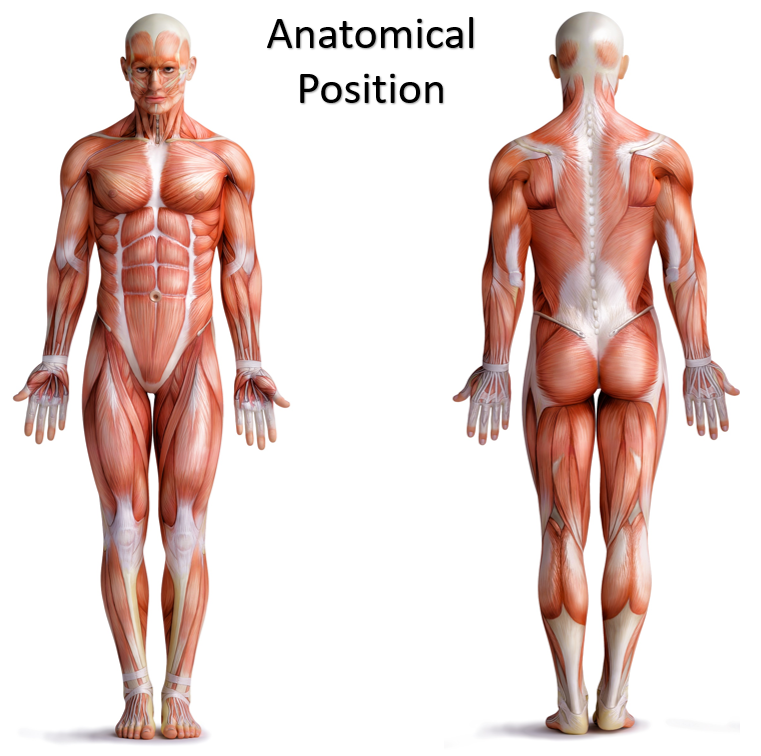
anatomical position
noun phrase
The standard posture of the human body used as reference in medical studies.
Example: The radiological images appear in anatomical position on the monitor.
fr: position anatomique
anode
noun
When electrons from the cathode strike the anode, they lose energy, which is converted into X-rays.
Example: Turn the anode for a few seconds before you take the image.
fr: anode
back
noun
The rear surface of the human body from the shoulders to the hips.
Example: He lay on his back.
fr: dos
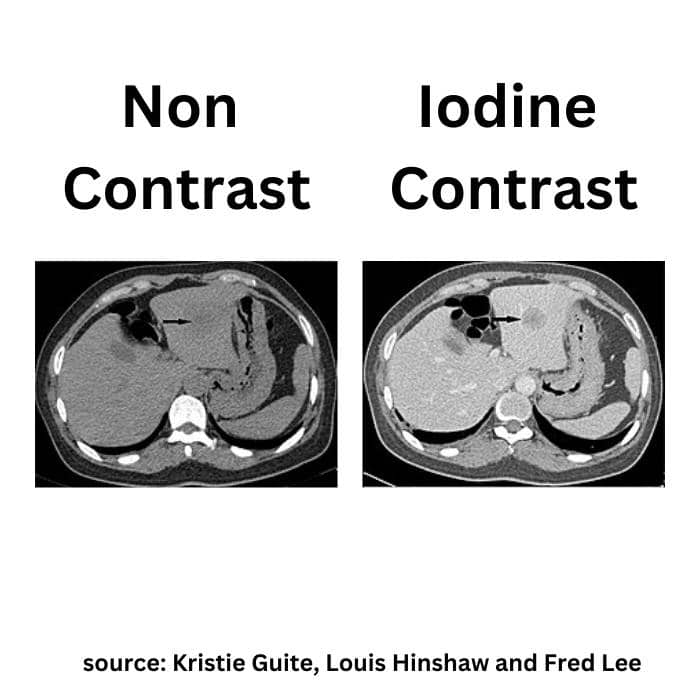
contrast
noun
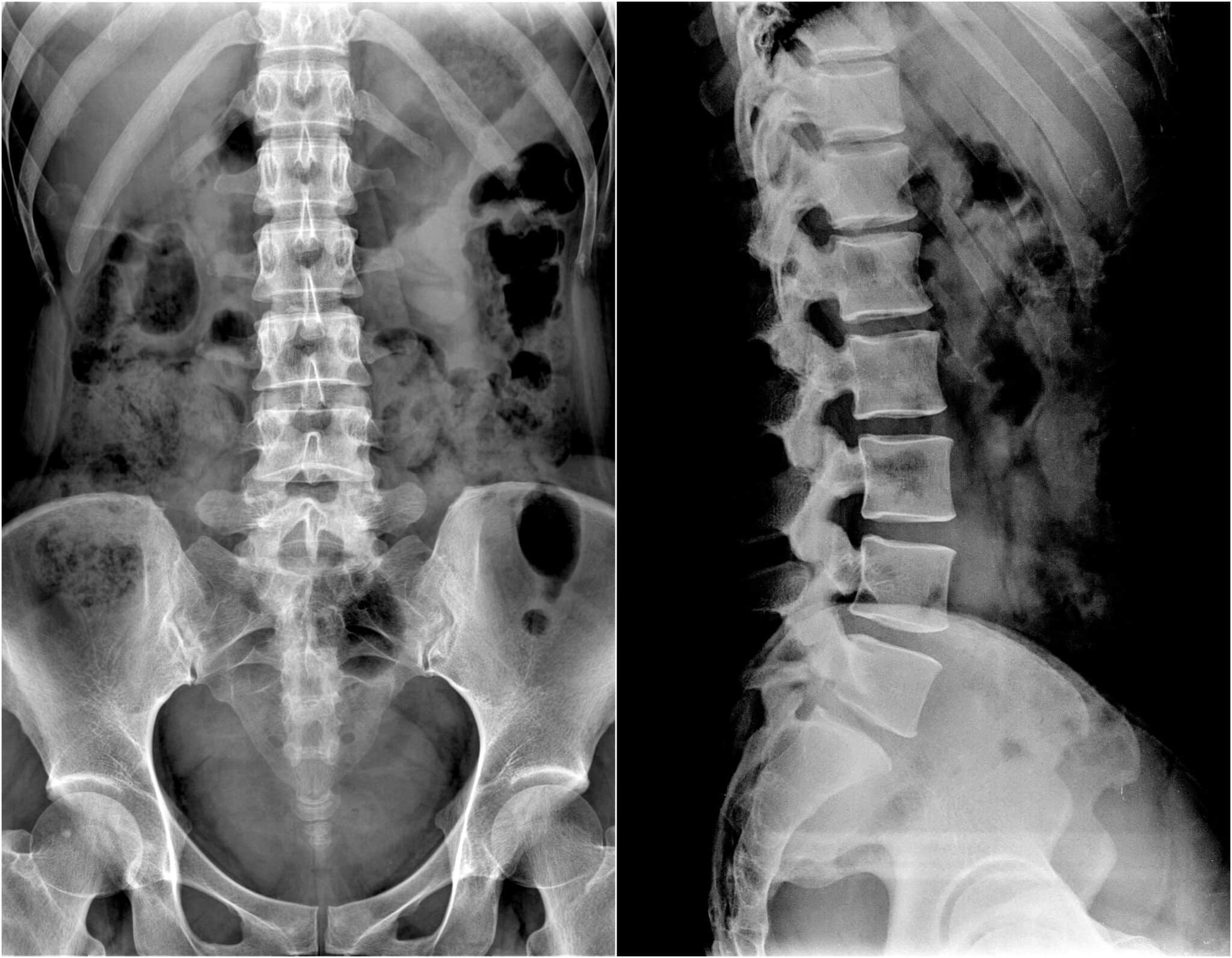
The difference in density or the degree of grayness between areas of the radiographic image.
Example: The contrast in this image is really low.
fr: contraste
diagnostic imaging
noun
Allows doctors to see inside the body without invasive procedures, providing crucial information about a patient's health.
Example: This image is of good diagnostic quality.
fr: image diagnostique
follow up
noun
Further observation or treatment of a patient, especially to monitor earlier treatment.
Example: The doctor asked for a follow up on this patient’s fracture.
fr: suivi
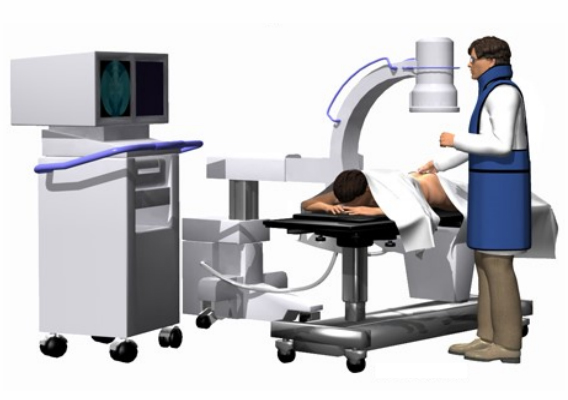
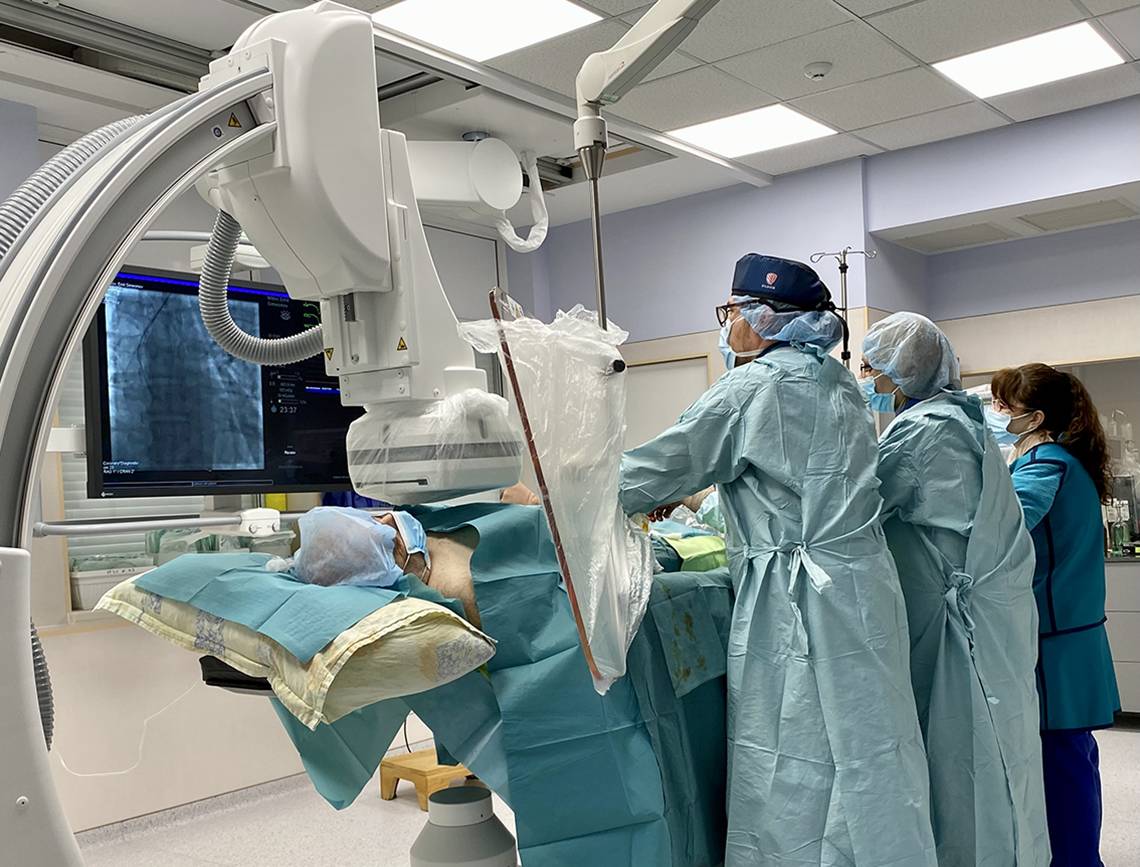
intervention
noun
Minimally invasive, image-guided procedures to diagnose and treat diseases, often as an alternative to surgery.
Example: We will do a cystography intervention on this patient today.
fr: intervention
iodine
noun
Substances used in medical imaging to make hollow structures, like blood vessels, the gastrointestinal tract, and the subarachnoid space, more visible on X-ray images, CT scans, and other imaging studies.
Example: The patient needs an iodine diet before the intervention.
fr: iode
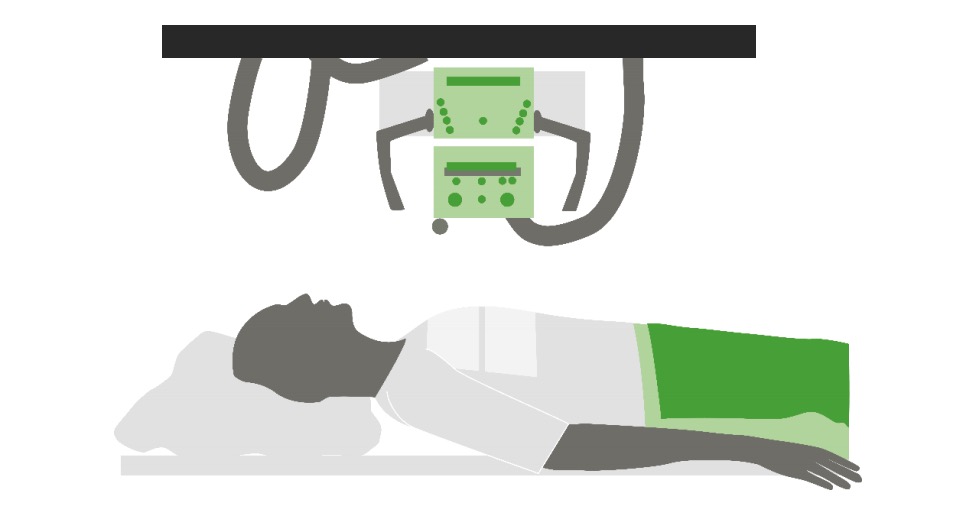
lie down
verb phrase
Any position where the body is horizontal or supported along its length, and includes specific positions like supine (face up) and prone (face down).
Example: The doctor asked him to lie down on his stomach.
fr: allongez-vous
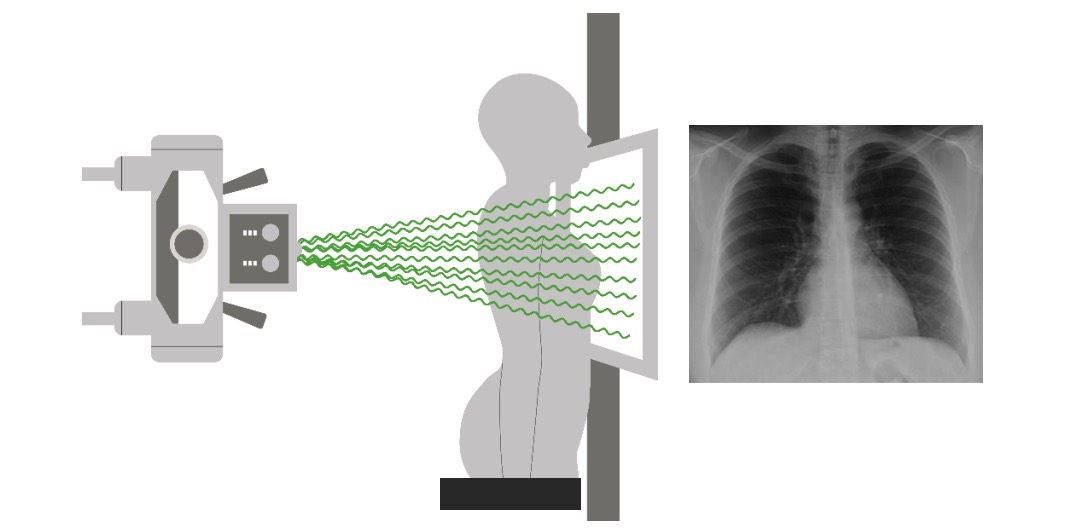
lungs/chest
nouns
The primary organs of respiration, located within the chest cavity (also known as the thorax).
Example: The doctor asked for a chest X-ray for the patient.
fr: poumons/poitrine
modality
noun
A specific type or method of medical imaging, such as X-rays, CT scans, MRI, ultrasound, or PET scans.
Example: Today I will be in the X-ray modality.
fr: modalité
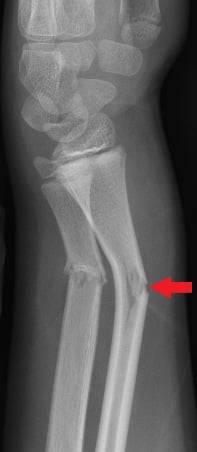
opaque
noun
An area that appears white or dense on an X-ray or other imaging because it absorbs or scatters a large amount of radiation, preventing it from reaching the detector.
Example: Unlike the skin, the bones show up as opaque in an X-ray.
fr: opaque
pathological
noun
Abnormal changes or conditions in tissues or organs that are indicative of disease or injury, as visualized through medical imaging techniques.
Example: This patient has a pathological fracture.
fr: pathologie
procedure
noun
A surgical operation.
Example: The procedure is carried out under general anesthesia.
fr: procédure
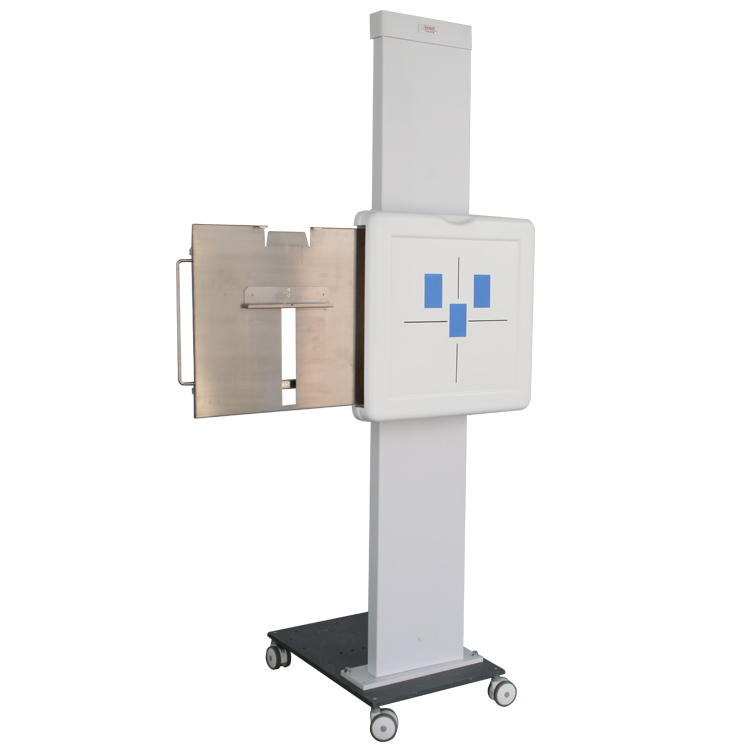
receptor
noun
The device that captures the X-ray image after it passes through the patient's body, essentially converting the radiation into a visible image.
Example: Put the receptor under the patient’s knee.
fr: récepteur
rule out
verb
To eliminate or exclude something from consideration.
Example: The doctor wants to rule out a fracture.
fr: éliminer
stomach
noun
The front part of the body between the chest and thighs; the belly.
Example: The patient has to lie on his stomach.
fr: estomac
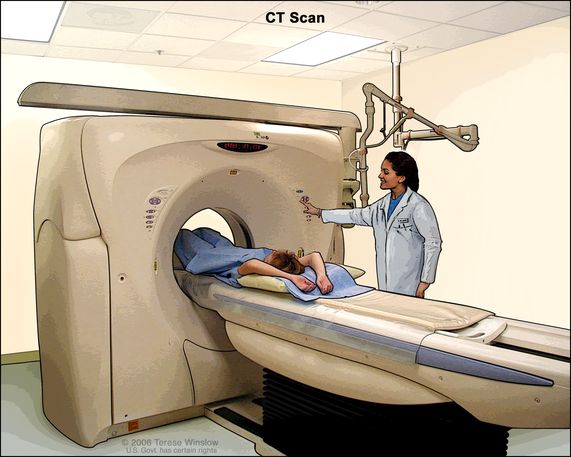
tomography
noun
A technique for displaying a representation of a cross section through a human body using X-rays or ultrasound.
Example: Computed tomography (CT) is widely used in radiology to obtain detailed cross-sectional images of the body for accurate diagnosis.
fr: tomographie
x-ray
noun
The most common form of ionizing radiation used in diagnostic radiology, allowing for imaging of bones, organs, and other internal structures.