Hello, my name is Kevin and I'm making this glossary to help people understanding the glossary of computer science. In this glossary, you will see some complex words related to Computer Science and I will describe each of them so everyone can understand it.
algorithm
noun
A process or set of rules to be followed in calculations or other problem-solving operations, especially by a computer.
Example: Google uses an algorithm to search results.
fr: algorithme
artificial intelligence
noun
The theory and development of computer systems able to perform tasks that normally require human intelligence, such as visual perception, speech recognition, decision-making, and translation between languages.
Example: ChatGPT is an artificial intelligence.
fr: intelligence artificielle
blockchain
noun
A system in which a record of transactions, especially those made in a cryptocurrency, is maintained across computers that are linked in a peer-to-peer network.
Example: We can actually have a look at the blockchain and see evidence of what's going on
fr: chaîne de blocs
cloud storage
noun
A model of computer data storage in which data, said to be on "the cloud", is stored remotely in logical pools and is accessible to users over a network, typically the Internet.
Example: Cloud storage allows you to save files online, so you can access them from any device with an internet connection.
fr: stockage en nuage
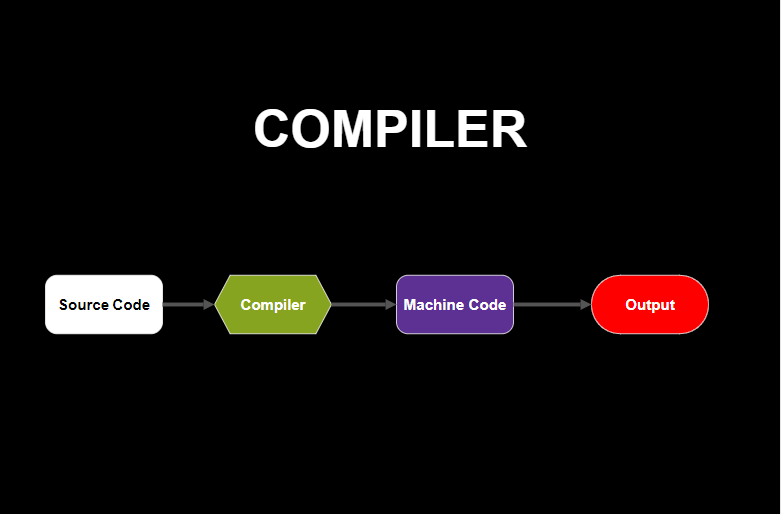
compiler
noun
A program that converts instructions into a machine-code or lower-level form so that they can be read and executed by a computer.
Example: A conversion would require more than just running it through a different compiler.
fr: compilateur
cybersecurity
noun
The state of being protected against the criminal or unauthorized use of electronic data, or the measures taken to achieve this.
Example: Some people have argued that the threat to cybersecurity has been somewhat inflated.
fr: cybersécurité
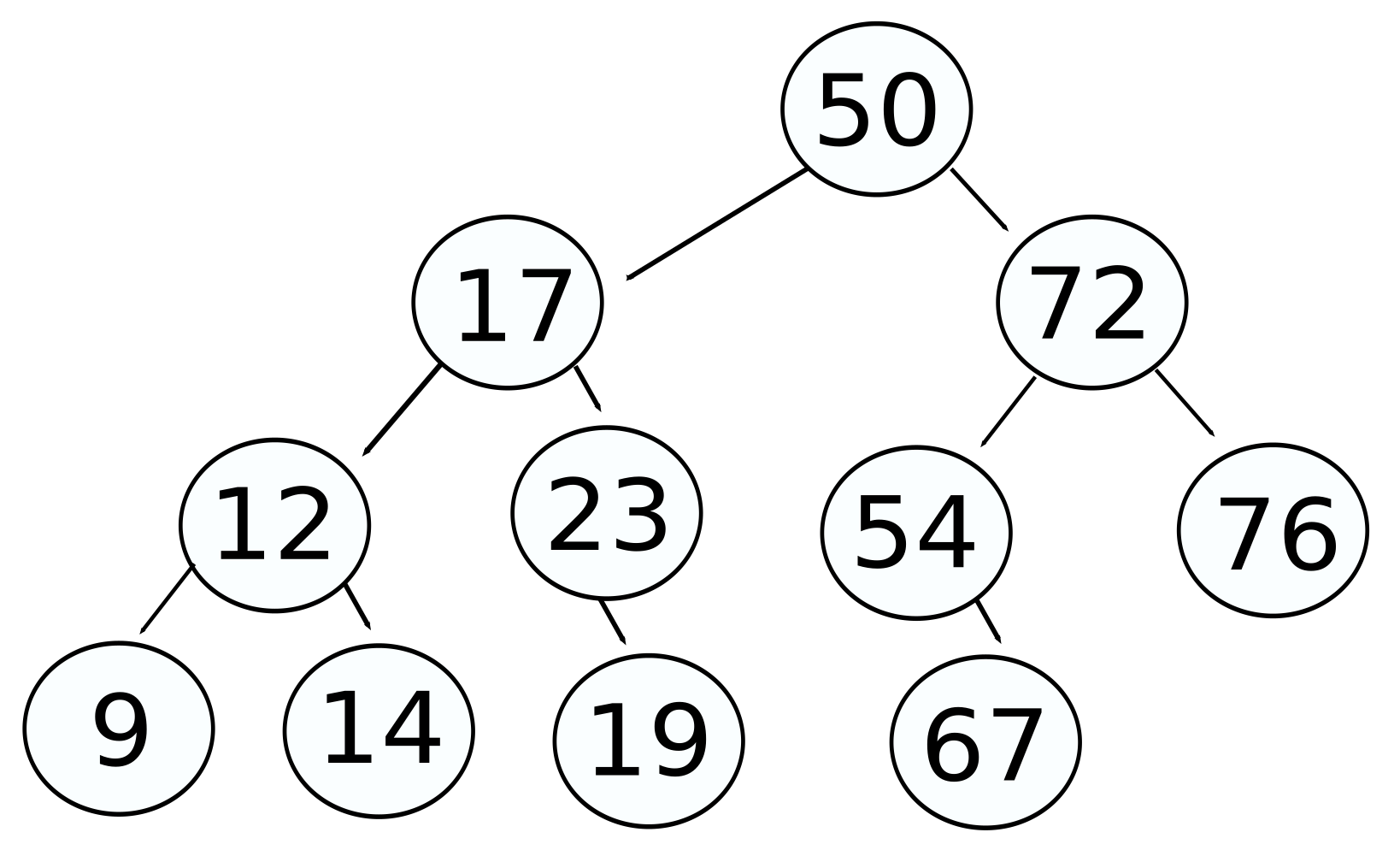
data structure
noun
Way of organizing and storing data on a computer so that it can be easily accessed and processed
Example: A phone's contact list is a data structure that stores names and numbers.
fr: structure de donnée
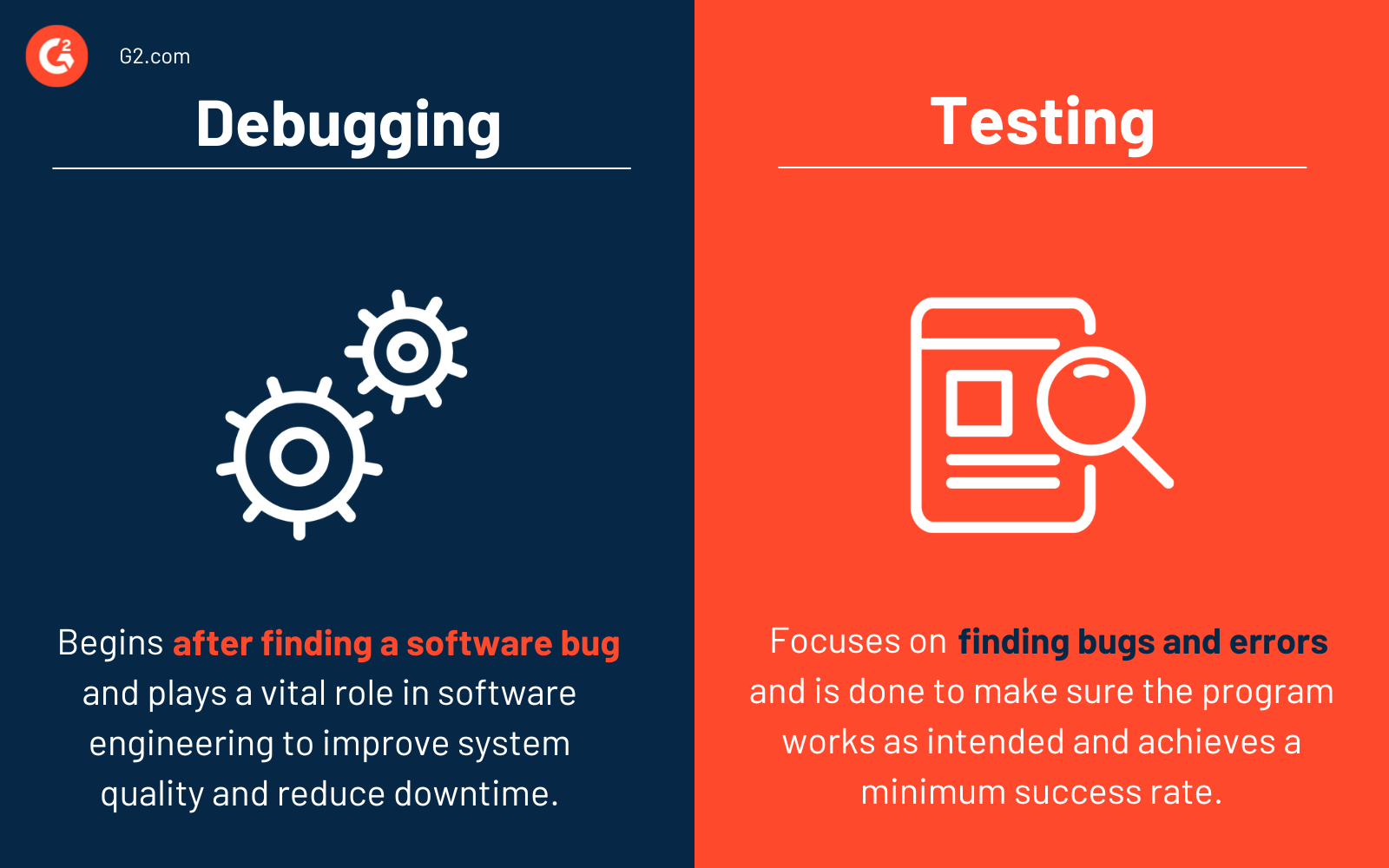
debugging
noun
The process of identifying and removing errors from computer hardware or software.
Example: Software debugging
fr: débogage
encryption key
noun
A string of bits that encrypts and decrypts data.
Example: An encryption key is used to scramble data, making it unreadable without the correct key to decrypt it.
fr: clé de cryptage
network
noun
A system of interconnected computers that share resources and information.
Example: The computers in the office are connected through a network to share files and printers.
fr: réseau
operating system
noun
The software that supports a computer's basic functions, such as scheduling tasks, executing applications, and controlling peripherals.
Example: Windows is the most famous operating system.
fr: système d'exploitation
quantum computing
noun
Computing that makes use of the quantum states of subatomic particles to store information.
Example: Quantum computing uses the principles of quantum mechanics to solve complex problems much faster than traditional computers.
fr: informatique quantique
server
noun
A computer or computer program which manages access to a centralized resource or service in a network.
Example: The software runs on a variety of Unix servers.
fr: serveur
URL (Uniform Resource Locator)
noun
The address of a web page.
Example: Type a URL into a browser's address bar.
fr: adresse Internet
virtual machine
noun
A computer system created using software on one physical computer in order to emulate the functionality of another separate physical computer.
Example: A virtual machine lets you run a computer inside another computer.