I'm Reda Ambari, a 21-year-old computer science student at College Ahuntsic, currently in my 5th semester. My dream is to become an engineer at ETS one day. I've put together this glossary of computer science terms to help break down the tech language we use every day. Whether you're halfway around the world or just curious about how computers work, each entry is designed to be clear and easy to understand.
Algorithms
noun
A process or set of rules to be followed in calculations or other problem-solving operations, especially by a computer.
Example: Algorithms help computers solve complex problems efficiently.
fr: algorithme
automation
noun
The use of largely automatic equipment in a system of manufacturing or other production process.
Example: Automation has greatly improved the efficiency of manufacturing processes.
fr: automatisation
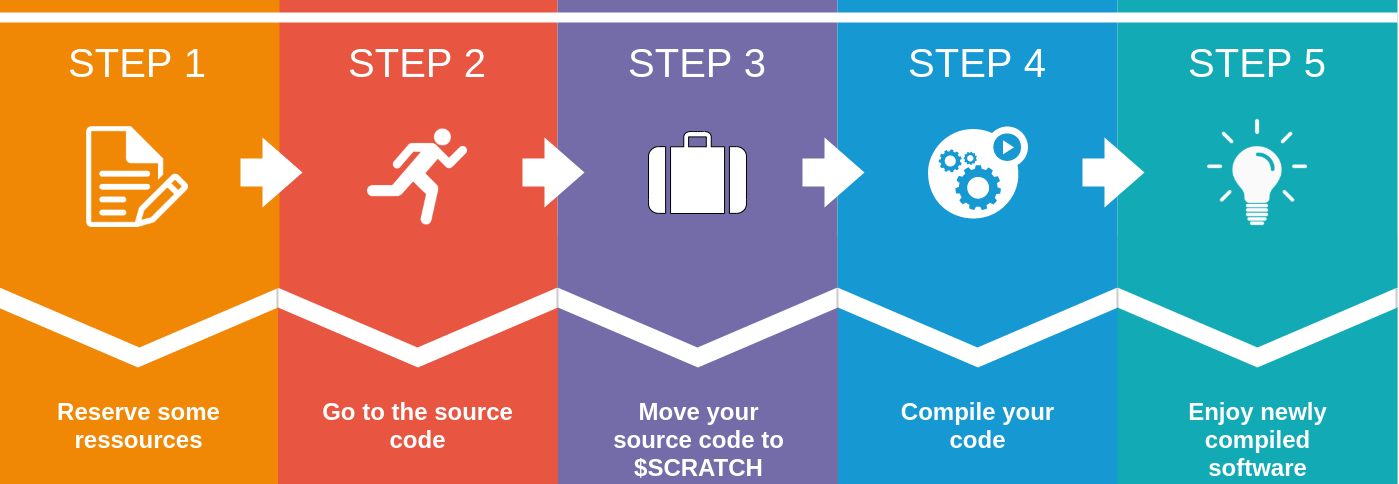
compile
verb
To collect information, data, or material from various sources and assemble it into a single, organized document or collection.
Example: After writing the new module, the programmer compiled the code to check for errors.
fr: compiler
computation
noun
The act or process of calculating an answer or amount by using a machine.
Example: Each process would have the same number of row, which means, in this algorithm, in order to make the COMPUTATION easier, the number of row n has to be a multiple of the number of processes in the system.
fr: computation
computer graphics
noun
Computer graphics is the field of computer science that involves generating, manipulating, and storing visual content. It covers the creation of images, animations, and simulations through the use of algorithms and digital tools.
Example: The university introduced a new course on computer graphics that explores 3D modeling and real-time rendering techniques
fr: graphismes informatiques
data base
noun (phrase)
A data base is an organized collection of structured information or data, typically stored electronically in a computer system. It is managed by a database management system (DBMS) that facilitates the access, retrieval, and organization of the data.
Example: The IT department recently upgraded the data base to improve the speed of data retrieval.
fr: base de données
data Structures
noun (phrase)
Data structures refer to specialized formats for organizing, processing, retrieving, and storing data. They are essential in designing efficient algorithms and are used across various applications in computer programming and software development.
Example: Understanding data structures like arrays, linked lists, and trees is crucial for developing efficient software solutions.
fr: structures de données
debug
verb
Dentify and remove errors from (computer hardware or software.
Example: After running the test suite, the programmer spent hours debugging the application to ensure it worked flawlessly.
fr: déboguer
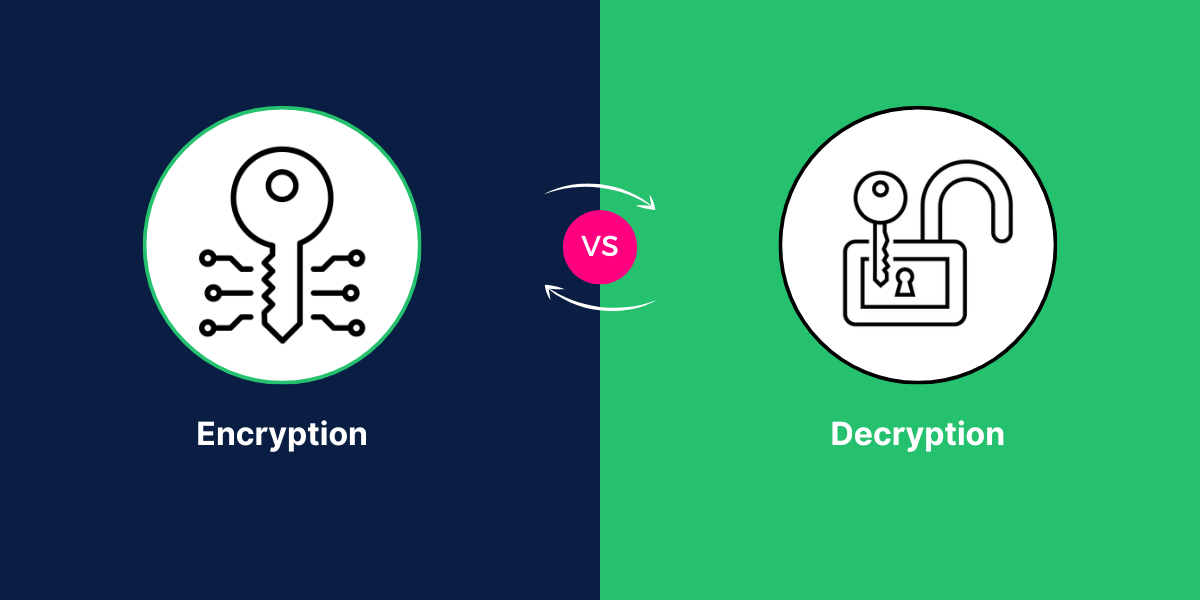
decrypt
verb
To convert encrypted data back into its original, readable form.
Example: After receiving the secure file, the analyst used specialized software to decrypt the contents and review the information.
fr: décrypter
dynamic
adjective
Characterized by constant change, activity, or progress.
Example: The dynamic startup quickly adapted to market trends, continuously evolving its product offerings.
fr: dynamique
efficient
adjective
Operating in a well-organized and competent manner with minimal waste of time, effort, or resources.
Example: The efficient design of the new engine reduced fuel consumption significantly.
fr: efficace
encrypt
verb
To convert information or data into a coded format, making it inaccessible to unauthorized users.
Example: Before transmitting sensitive information, the company decided to encrypt all its data to ensure security.
fr: chiffrer
information
noun
What is conveyed or represented by a particular arrangement or sequence of things.
Example: Different individuals interpret INFORMATION differently and therefore messages can agriculture.
fr: information
program
noun / Verb
Noun: A set of instructions written to perform a specific task on a computer.
Verb: To write or create a computer program by arranging a series of instructions for execution.
Example: After debugging the code, the developer ran the program to see if the new feature worked as expected.
fr: programme
secure
adjective / Verb
Adjective: Free from danger, risk, or doubt; safe and protected.
Verb: To make something safe, stable, or free from risk; to obtain or achieve something with certainty.
Example: Before the event started, the team worked to secure the venue and ensure the safety of all guests.