My name is Mia, I'm 17 years old and this is my second semester studying at College Ahuntsic. Right now my program is springboard, which is a programme that lets you take courses you need to obtain prior the programme you wish to enter. I wish to study in the future radio-diagnostics. I've chosen this programme because I find it intriguing. As a patient myself, I've had my share of different examinations and radiology is the one I found the most interesting. So, I made this glossary in order to clarify some terms or showcase some body parts that can be often seen in this field. You'll also find their description, audio, picture and an example for every word chosen for this glossary. It would be best if you kept in mind the 20 words as it can help you in that field.
angiography
noun
An examination by X-ray of blood or lymph vessels, carried out after introduction of a radiopaque substance, highlighting the presence and extent of obstruction to the vessel, if any.
en: angiographie
artery
noun
The muscular-walled tube forming part of the circulation system that conveys blood from the heart to all parts of the body.
Example: Examination findings supporting a diagnosis of stroke relate to the distribution of the affected artery.
en: artère
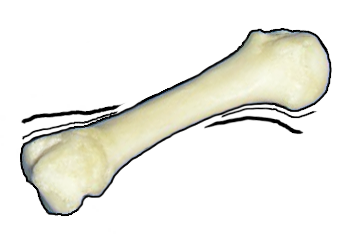
bone
noun
Any of the pieces of hard whitish tissue making up the skeleton in humans and other vertebrates.
Example: Her bone is fractured.
en: os
cancellous bone
noun
Another name for trabecular bone or spongy bone.
Example: Moreover, bone consists of two different layers denoted as compact cortical bone and trabecular bone (also known as spongy CANCELLOUS BONE) (E. N. Marieb 1998).
en: os spongieux
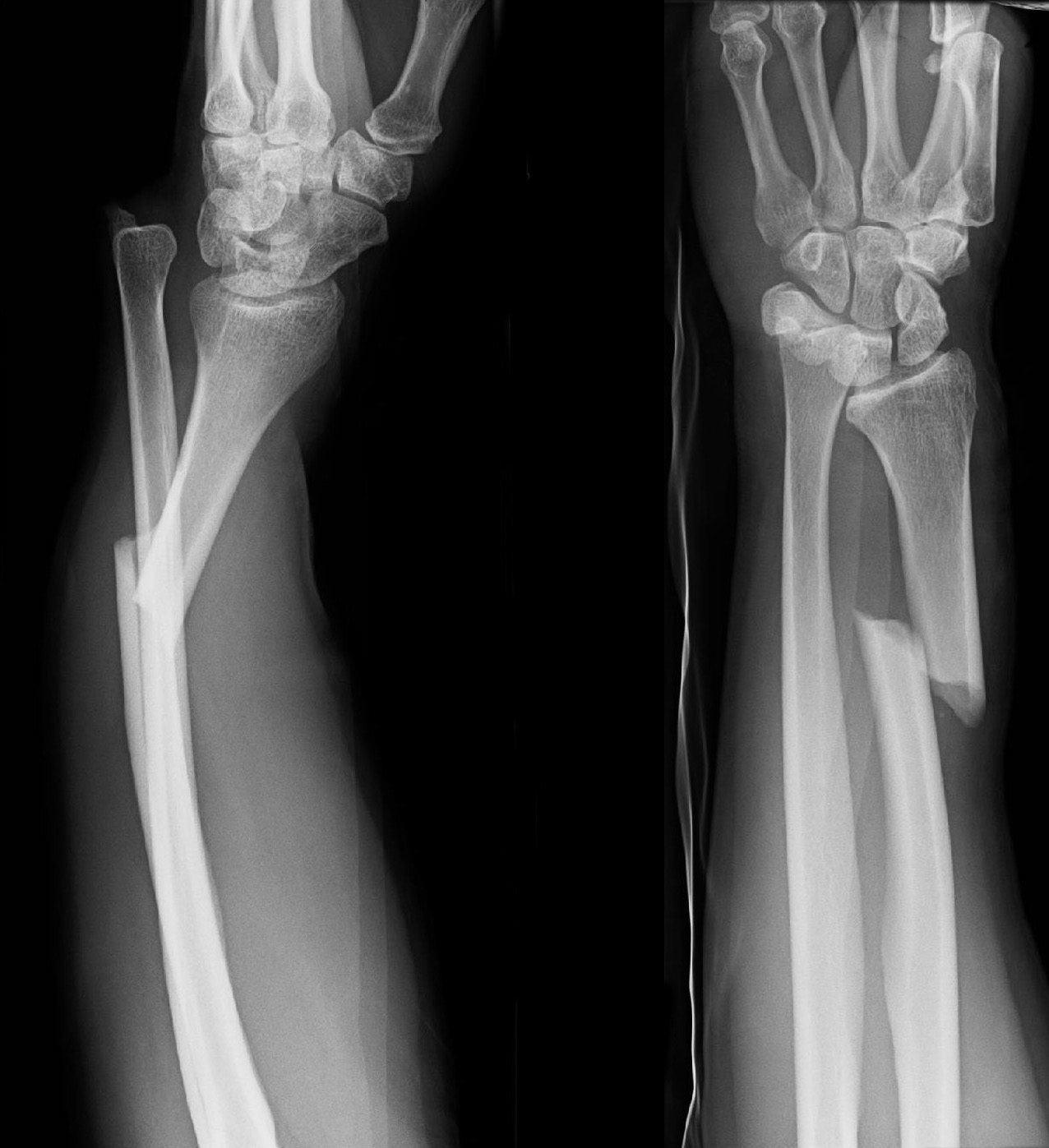
fracture
A complete or incomplete break in a bone resulting from the application of excessive force.
Example: A healed simple fracture of the right radius 465mm from the distal postmortem break resulted in two separate fragments (Buikstra et al 1994);
en: fracture
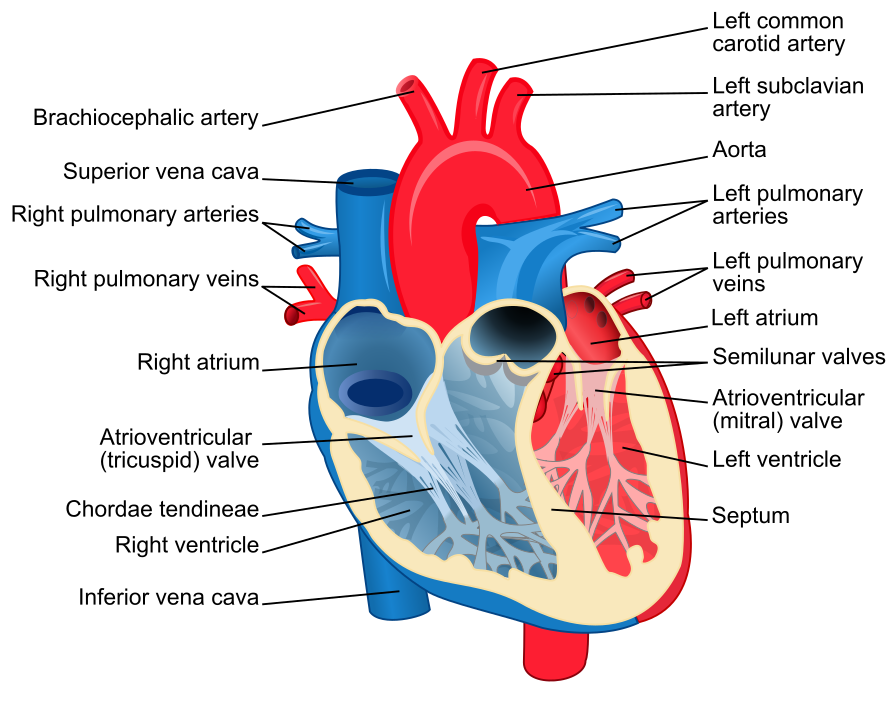
heart
noun
A hollow muscular organ that pumps the blood through the circulatory system by rhythmic contraction and dilation.
Example: In both cases the result of this disease causes excessive glucose accumulation in the blood which can lead to further complications such as blindness and heart failure.
en: cœur
kidney
noun
A pair of organs that are found on either side of the spine, just below the rib cage in the back.
Example: Secondly, small emboli composed of bacteria or fungus, as well as platelets and fibrin can flick off the valves and cause various systemic problems such as strokes, KIDNEY failure, MI and damage to the gastrointestinal organs.
en: rein
lead apron
noun
A protective garment worn to shield the body from radiation exposure.
Example: Lead apron should cover almost all of your body.
en: tablier de plomb
lung
noun
Each of the pair of organs situated within the rib cage, consisting of elastic sacs with branching passages into which air is drawn, so that oxygen can pass into the blood and carbon dioxide be removed.
en: poumon
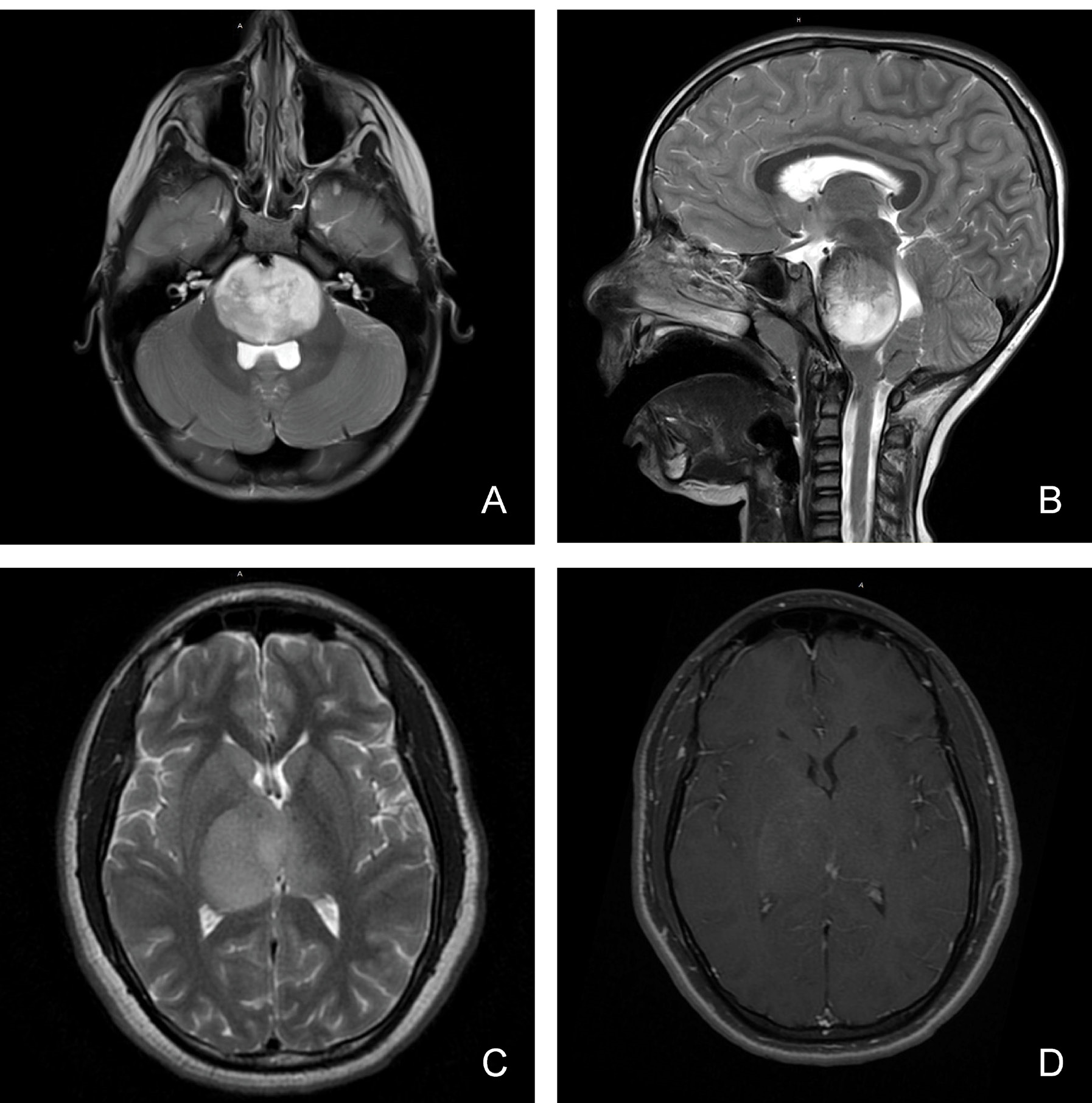
magnetic resonance imaging (MRI)
noun
A non-invasive medical diagnostic technique that uses high-frequency radio-waves and a strong magnetic field to see inside body tissues.
Example: Surveillance of BRCA1 and BRCA2 mutation carriers with magnetic resonance imaging, ultrasound, mammography, and clinical breast examination.
en: imagerie par résonance magnétique (IRM)
mammography
noun
Use low x-ray systems to produce images of the human breasts.
Example: Efficacy of magnetic resonance imaging and mammography for breast cancer screening in women with a familial or genetic predisposition.
en: mammographie
medical imaging
noun
Medical imaging is a process that uses various technologies to create pictures of the inside of the body.
Example: FDG is widely used in oncology (medical imaging of tumours).
en: imagerie médicale
needle
noun
A very thin, pointed steel tube that is pushed through the skin so that something ( such as a drug) can be put into your body or so that blood or other fluids can be taken from it.
Example: It involves a thin needle, guided by ultrasound, being inserted through the mother's abdomen into the uterus.
en: aiguille
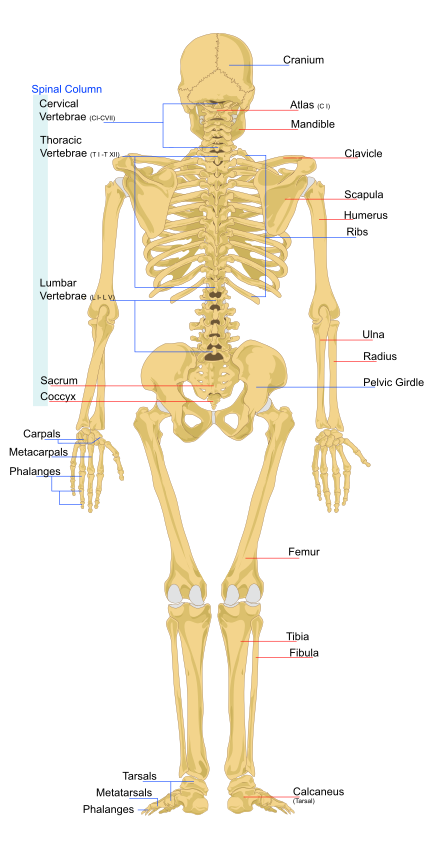
skeleton
noun
An internal or external framework of bone, cartilage, or other rigid material supporting or containing the body of an animal or plant.
Example: Most of the weight gain in middle childhood is due to the increased size of the growing skeleton and muscles (Santrock 1998:178).
en: squelette
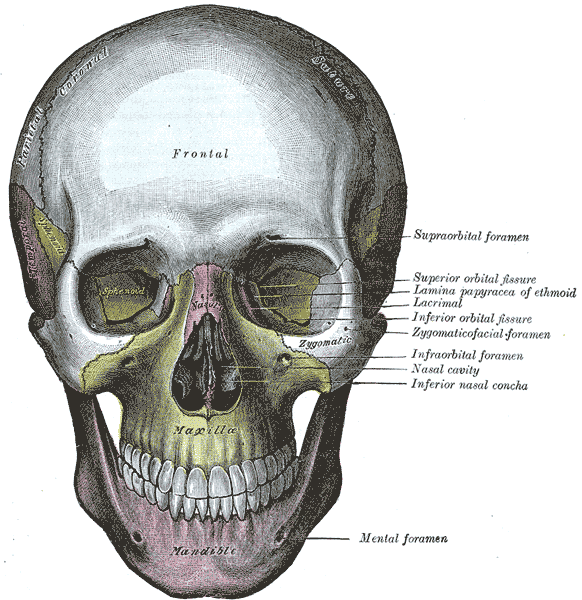
skull
noun
A framework of bone or cartilage enclosing the brain of a vertebrate; the skeleton of a person's or animal's head.
Example: Flat bones functional requirement is to protect internal organs, such as the rib cage protects the heart and lungs, and the SKULL protects the brain.
en: crâne
spleen
noun
An abdominal organ involved in the production and removal of blood cells in most vertebrates and forming part of the immune system.
Example: An ultrasound of the abdomen reported a normal liver, gall bladder, CBD, spleen and both kidneys.
en: rate
tumor
noun
A swelling of a part of the body, generally without inflammation, caused by an abnormal growth of tissue, whether benign or malignant.
Example: One example of using X-ray crystallography is the determination of the structure for an anti-tumor antibody ([3]
).
urography
noun
An x-ray technique for producing an image of the renal pelvis and urinary tract by the introduction of radiopaque fluid.
Example: Excretory urography is also known as intravenous pyelogram.
en: urographie
vertebral column
noun
The bones, muscles, tendons, and other tissues that reach from the base of the skull to the tailbone.
Example: Many births are affected by neural tube defects (NTDs), a group of conditions that brain, spinal cord, skull and VERTEBRAL COLUMN fail to develop properly during the foetal embryonic period.
en: colonne vertébrale
x-ray
noun
An electromagnetic wave of high energy and very short wavelength, which is able to pass through many materials opaque to light.
Example: Fractures of the femoral neck are not always visible on initial x-rays.