My name is Saira Ashfaq. I'm a student at Ahuntsic college.I I'm currently studying to become a radiologic technologist. I'm in my second year and I love it . This glossary is for current and future X-ray technicians like myself to help us with a few terms that we use while working in this field. Sometimes we have a hard time saying the words correctly or fully understanding their meaning. My goal is for you to understand the true definition of the vocabulary you're using in your day-to-day life. This glossary will help you do so. The method I used to find the words and their definitions was from Oxford Languages on Google. Furthermore, I've added an audio file for each of the 20 words in this glossary. What I want from you is the following: Start by understanding the meaning of the word, and then begin employing it in sentences with the help of the audio to pronounce it properly.
anteroposterior (AP)
adjective
An anatomical term used to describe the direction of an axis or extension.
Example: The doctor ordered an AP X-ray of the chest to check for lung issues.
fr: antéropostérieur (AP)
barium
noun
A mixture of barium sulfate and water, opaque to X-rays, which is swallowed to permit radiological examination of the stomach or intestines.
Example: The radiologist asked the patient to drink a barium solution before the X-ray to get a clearer image of the stomach.
fr: baryum
By
code blue
noun
Hospital emergency code that indicates a patient is in cardiac or respiratory arrest and needs immediate medical attention.
Example: The rad tech called a Code Blue after noticing the patient was unresponsive during the X-ray procedure.
fr: code bleu
computed tomography
noun
A form of tomography in which a computer controls the motion of the X-ray source and detectors, processes the data, and produces the image.
Example: Combining PET and CT (COMPUTED TOMOGRAPHY using X-rays) been an important development.
fr: tomodensitométrie
contrast Agent
noun
Substance that enhances the visibility of internal body structures in medical imaging.
Example: The doctor injected a contrast agent into the patient’s vein before the CT scan.
fr: agent de contraste
defibrillator
noun
An apparatus used to control heart fibrillation by application of an electric current to the chest wall or heart.
Example: The implantable cardioverter DEFIBRILLATOR has become the standard therapy for protecting patients against sudden cardiac death.
fr: défibrillateur
dosimeter
noun
A device used to measure an absorbed dose of ionizing radiation.
Example: The technician used a dosimeter to check radiation levels.
fr: dosimètre
Public Domain">
fluoroscopy
noun
Fluoroscopy, informally referred to as "fluoro", is an imaging technique that uses X-rays to obtain real-time moving images of the interior of an object.
Example: Fluoroscopy is used to guide the placement of a stent in the patient’s artery.
fr: fluoroscopie
Intravenous (IV) Drip
noun
A method of delivering fluids, medications, or nutrition directly into a vein using a needle or tube.
Example: The X-ray tech adjusted the machine while ensuring the patient’s IV drip remained secure during the scan.
fr: goutte-à-goutte intraveineux (IV)
lead apron
noun
A protective garment made of lead or lead-equivalent material that shields people from radiation.
Example: The radiologic technologist wore a lead apron to protect herself from radiation during the X-ray procedure.
fr: tablier de plomb
magnetic resonance imaging
noun
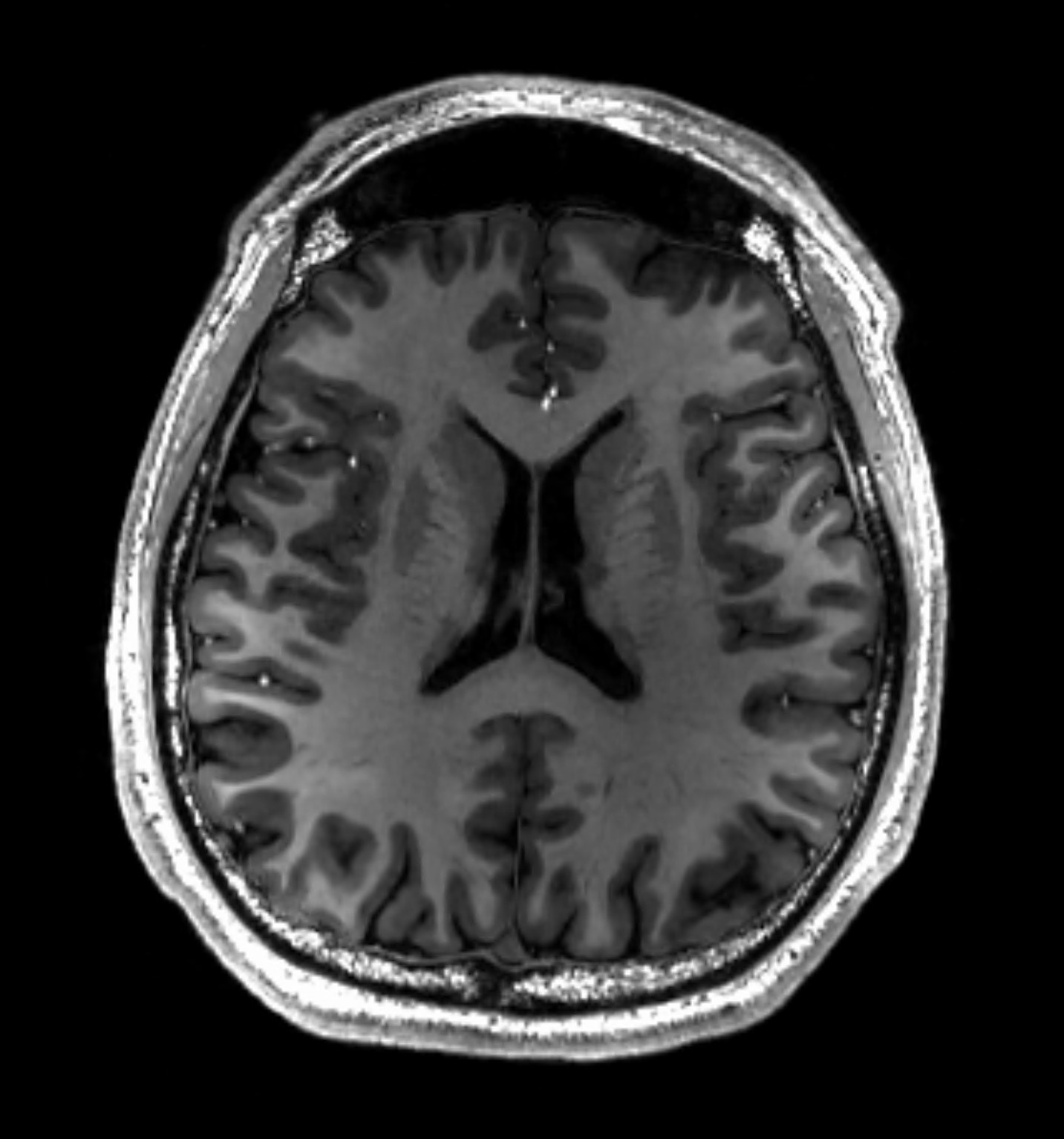
A form of medical imaging that measures the response of the atomic nuclei of body tissues to high-frequency radio waves when placed in a strong magnetic field, and that produces images of the internal organs.
Example: She had an MRI scan to check for any spinal injuries after the accident.
fr: imagerie par résonance magnétique
mammography
noun
A technique using X-rays to diagnose and locate tumors of the breasts.
Example: The doctor recommended annual mammography as a preventative measure for early breast cancer detection.
fr: mammographie
oxygen cylinder
noun
A metal container that stores oxygen under pressure.
Example: The radiology technician placed an oxygen cylinder next to the stretcher in case the patient needed breathing support during the X-ray.
fr: bouteille d'oxygène
B">
PACS (Picture Archiving and Communication System)
noun
A digital system used in the healthcare industry for storing, retrieving, managing, and transmitting medical images like X-rays, CT scans, and MRIs. It replaces traditional film-based imaging systems.
Example: Archive your pictures on PACS.
fr: PACS (Système d'archivage et de communication d'images)
By Valent">
posteroanterior (PA)
adjective
The X-ray beam enters the patient's back and exits through their front.
Example: For the PA chest X-ray, the patient stands facing the imaging plate.
fr: postéro-antérieur (PA)
radiopaque
adjective
Opaque to X-rays or similar radiation.
Example: The barium used in the imaging test was radiopaque, allowing the doctor to see the outline of the digestive system.
fr: radio-opaque
scatter radiation
noun
Secondary radiation that spreads in different directions from a beam when that beam interacts with any substance, such as body tissue, a wall, or a table.
Example: Secondary radiation can be minimized by using lead shielding to absorb scattered radiation during X-ray procedures.
fr: rayonnement diffusé
sphygmomanometer
noun
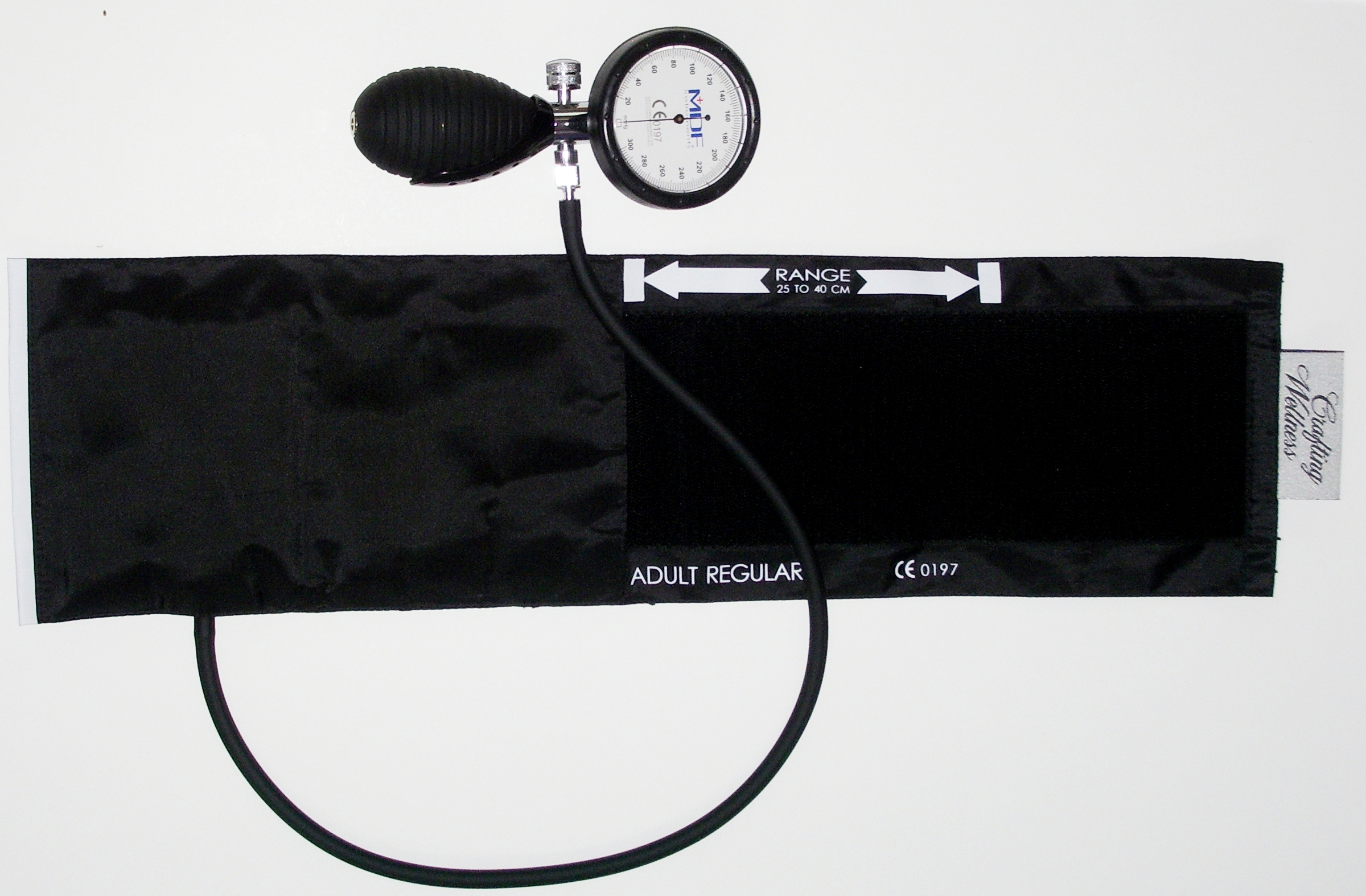
An instrument for measuring blood pressure, typically consisting of an inflatable rubber cuff which is applied to the arm and connected to a column of mercury next to a graduated scale, enabling the determination of systolic and diastolic blood pressure by increasing and gradually releasing the pressure in the cuff.
Example: The rad tech checked the patient’s blood pressure with a sphygmomanometer before performing the X-ray.
fr: sphygmomanomètre
stretcher
noun
A framework of two poles with a long piece of canvas slung between them, used for carrying sick, injured, or dead people.
Example: The radiologic technologist carefully positioned the patient on the stretcher before taking the X-ray.
fr: civière
X-ray
noun
A photographic or digital image of the internal composition of something, especially a part of the body, produced by X-rays being passed through it and being absorbed to different degrees by different materials.
Example: The doctor took an X-ray of my arm to see if it was broken.