Hello! My name is Thomas Larivière, and I am currently studying Prehospital Emergency Care at Collège Ahuntsic. I’ve been in the program for over a year now, working towards my goal of becoming a paramedic. My experience as a first responder in both urban and remote regions, as well as my work as a wilderness first aid instructor, has provided me with valuable insights into emergency medical services (EMS). This glossary is designed for students, professionals, and anyone interested in the field of prehospital emergency care. It aims to clarify important terms and concepts that are often used in the EMS world. Whether you are preparing for exams, entering the workforce, or simply wanting to expand your knowledge, this glossary can help you better understand the language of emergency medicine.
ache
noun
A continuous or prolonged dull pain in a part of one’s body.
Example: After running the marathon, I felt a deep ache in my legs.
en: Douleur
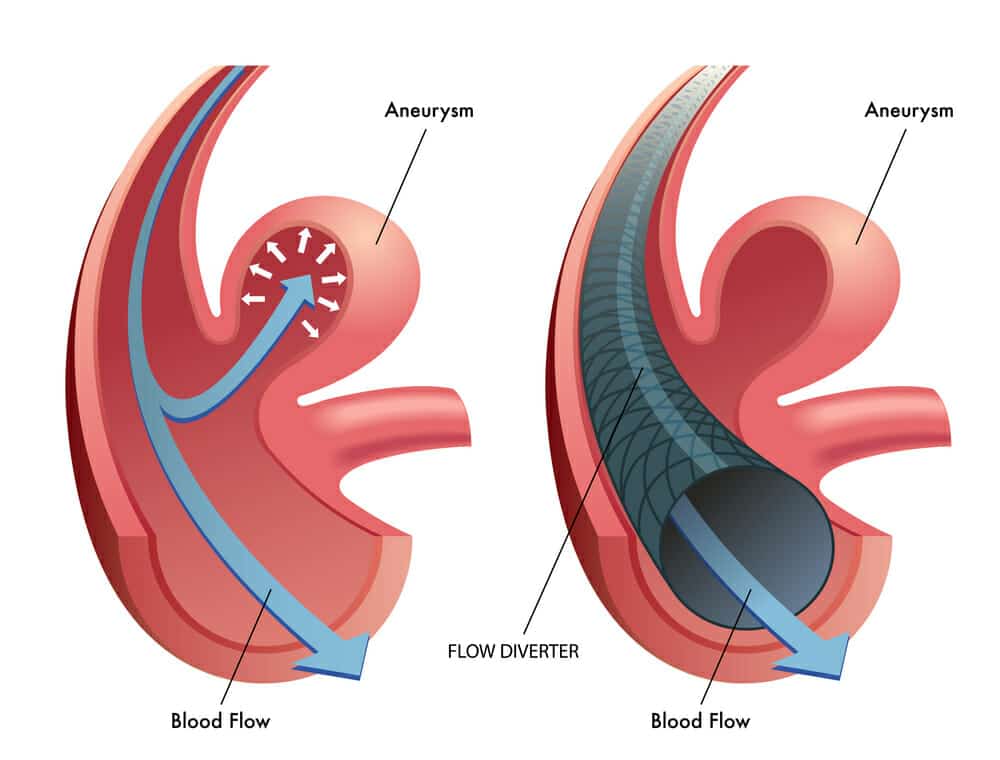
aneurism
noun
A localized dilatation of the wall of an artery leading to the formation of a pocket of variable size.
Example: The doctor explained that an aneurism can be life-threatening if it bursts.
en: Anévrisme
angioplasty
noun
Surgical repair or unblocking of a blood vessel, esp. A coronary artery
Example: She underwent angioplasty to open a blocked artery in her heart.
en: Angioplastie
avulsion of the scalp
noun phrase
A tearing away of the integument of the upper part of the head, usually including the associated
subcutaneous structures.
Example: The accident resulted in an avulsion of the scalp, requiring immediate medical attention.
en: Avulsion du cuir chevelu
bag-valve masks
noun phrase
An airway apparatus used to cover the patient’s nose and mouth and begin ventilating the lungs
mechanically by squeezing a reservoir of oxygen or air.
Example: Paramedics used bag-valve masks to assist the patient’s breathing during transport.
en: Masques à valve (Ballon-masque)
blunt trauma
noun phrase
Blunt trauma, blunt injury, non-penetrating trauma or blunt force trauma refers to physical trauma
caused to a body part, either by impact, injury or physical attack; the latter usually being referred to as
blunt force trauma.
Example: He suffered blunt trauma to the head in the car accident.
en: Traumatisme contondant
breathlessness
noun
Shortness of breath: a dyspneic condition.
Example: The patient’s breathlessness worsened after climbing the stairs.
en: Essoufflement
bronchitis
noun
Is an inflammation of the mucous membranes of the bronchi.
Example: She was diagnosed with bronchitis after experiencing a persistent cough.
en: Bronchite
cephalalgia
noun
It is pain anywhere in the region of the head or neck.
Example: He often experiences cephalalgia, especially when he’s stressed.
en: Céphalalgie ou céphalée
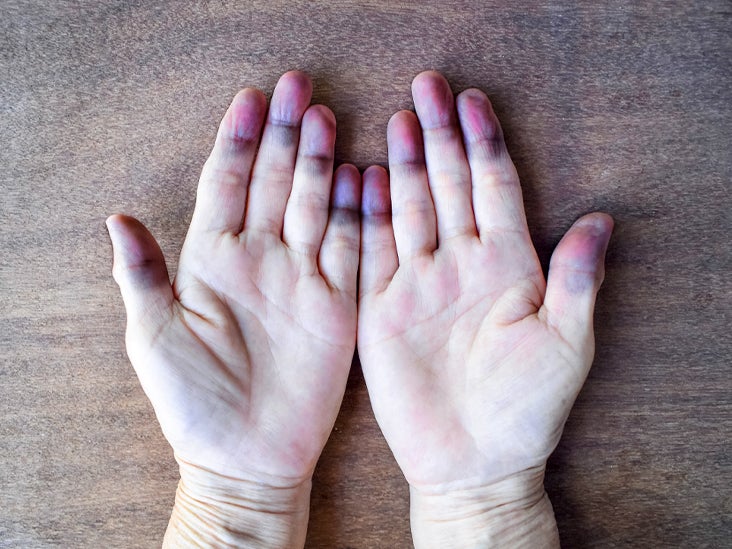
cyanosis
noun
A bluish discoloration of the skin resulting from poor circulation or inadequate oxygenation of the blood.
Example: The nurse noticed cyanosis around the patient’s lips, indicating a lack of oxygen.
en: Cyanose
cyanotic
adjective
When a patient’s skin and mucous membranes are bluish in color from an inadequate supply of oxygen in the blood.
Example: The baby appeared cyanotic, prompting the doctor to check his oxygen levels.
en: Cyanosé
diaphoresis
noun
Sweating, esp. To an unusual degree as a symptom of disease or a side effect of a drug.
Example: The patient exhibited diaphoresis, which can be a sign of shock.
en: Diaphorèse
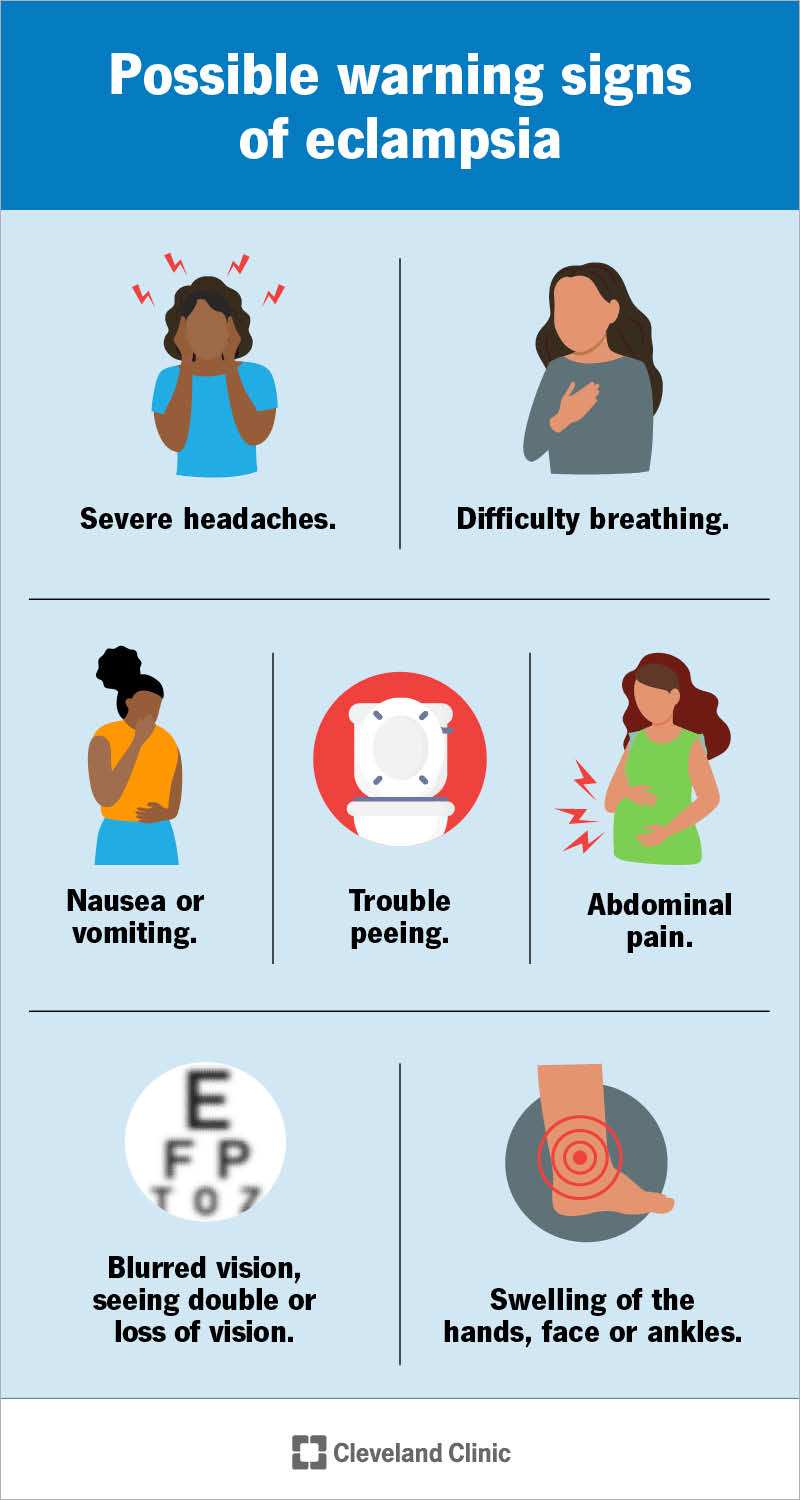
eclampsia
noun
A condition in which one or more convulsions occur in a pregnant woman suffering from high blood pressure, often followed by coma and posing a threat to the health of mother and baby.
Example: Eclampsia can lead to serious complications for both the mother and baby if not treated promptly.
en: Éclampsie
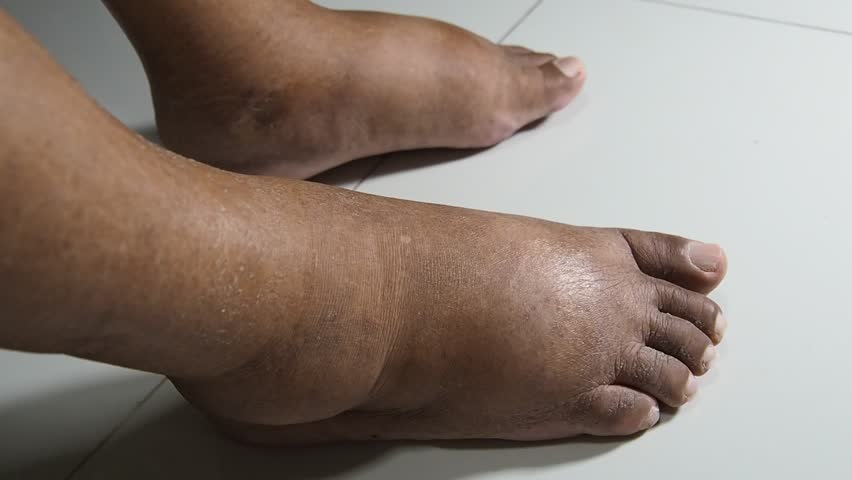
edema
noun
A condition characterized by an excess of watery fluid collecting in the cavities or tissues of the body.
Example: The doctor advised her to elevate her legs to reduce the edema.
en: Œdème
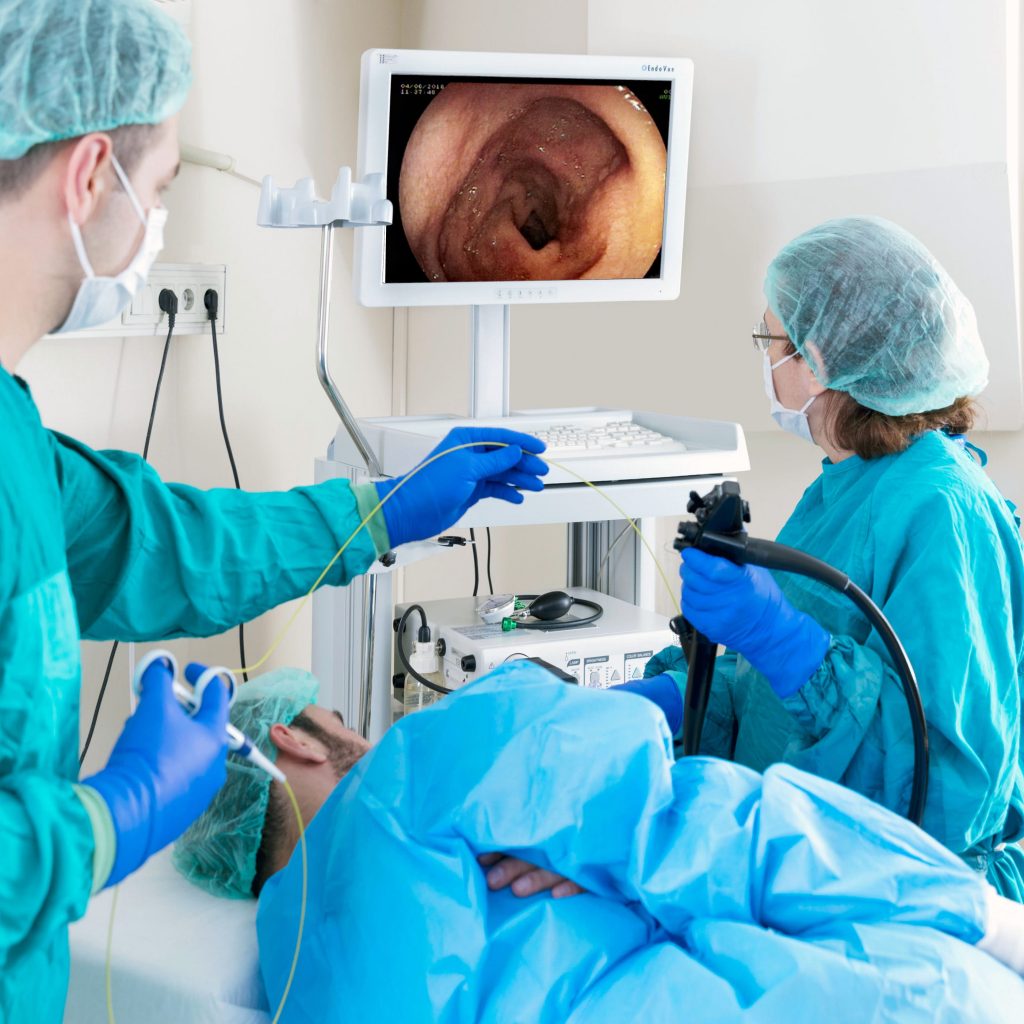
endoscope
noun
An instrument that can be introduced into the body to give a view of its internal parts.
Example: The surgeon used an endoscope to examine the patient’s digestive tract.
en: Endoscope
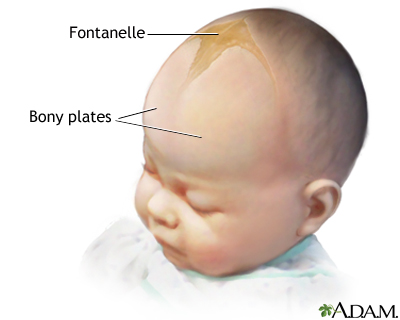
fontanel
noun
A space between the bones of the skull in an infant or fetus, where ossification is not complete and the sutures not fully formed. The main one is between the frontal and parietal bones.
Example: The pediatrician checked the baby’s fontanel to ensure it was not sunken or bulging.
en: Fontanelle
manifold
noun
Long tube usually used to make passing oxygen.
Example: The oxygen manifold allowed multiple patients to receive oxygen simultaneously.
en: Tubulure
pang
noun
A sudden sharp pain or painful emotion.
Example: He felt a sudden pang of pain in his chest and called for help.
en: Douleur aiguë
presthesia
noun
An abnormal sensation, typically tingling or pricking (“pins and needles”), caused chiefly by pressure on or damage to peripheral nerves.
Example: After sitting for a long time, she experienced presthesia in her leg.
en: Paresthésie
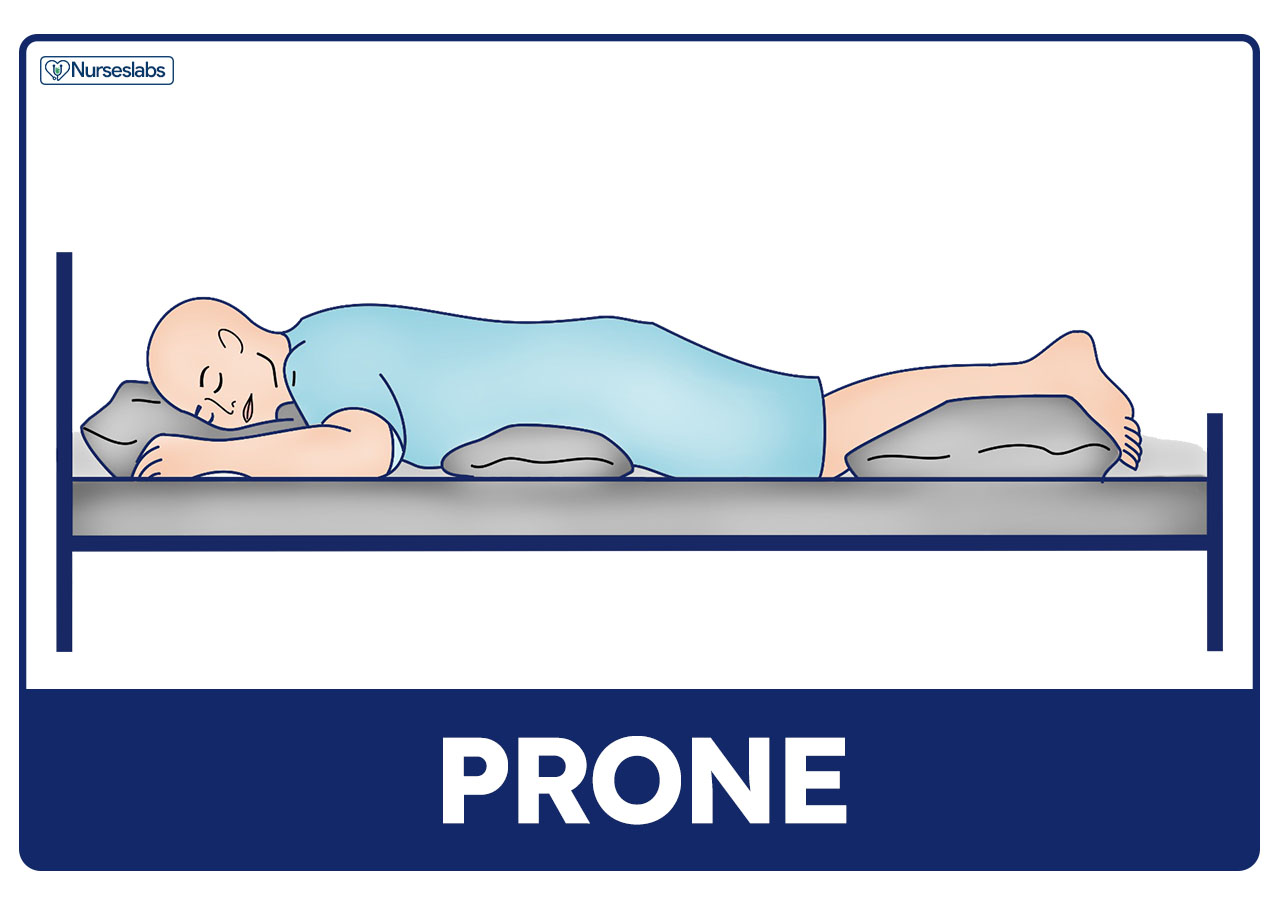
prone
adjective
Lying flat, esp. Face downward.
Example: The patient was placed in a prone position for the procedure.



/GettyImages-485935117-5703db5b3df78c7d9e79894b.jpg)