Hi, my name is Noémie Brochu and I live in Boisbriand. I have been studying Social Science for 3 years at Lionel-Groulx College. I chose to have a glossary about the Law Faculty because I will go to Law program next years at university. This glossary could be useful for people who are interested in this program or for people who are actually studying in this field. Each of the words in this glossary are part of the vocabulary frequently used in the legal world. Those words could help people to learn more about the faculty of law.
accused
noun
The defendant or defendants appearing on a criminal charge.
Example: The accused was ordered to stand trial for his criminal act.
fr: accusé (es)
case
noun
A suit or action in law or equity.
Example: The case for the defense.
fr: cas
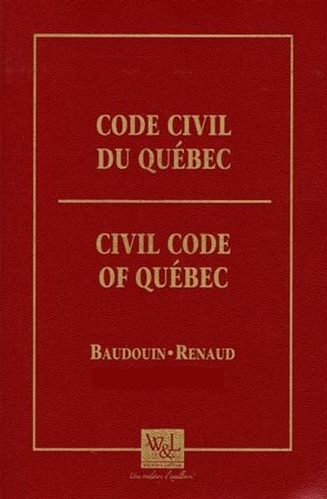
Civil Code of Quebec
noun
The civil code in force in the Province of Quebec, Canada, which came into effect on January 1, 1994.
Example: The civil code of Quebec represents all the laws of Quebec.
fr: code civil du Québec
common law
noun
The part of English law that is derived from custom and judicial precedent rather than statutes. Often contrasted with statutory law.
Example: Their relationship wasn't considered a common-law spousal relationship.
fr: loi commune
constitutional law
noun
The body of law which defines the relationship of different entities within a state, namely, the executive, the legislature, and the judiciary.
Example: The constitutional law of some countries contain limitations to private ownership.
fr: loi constitutionnelle
court
noun
A court is a place where legal matters are decided by the judge and the jury or by a magistrate.
Example: The accused was in court yesterday.
fr: tribunal
criminal record
noun
A history of being convicted for crime.
Example: He has a criminal record.
fr: dossier criminel
family law
noun
An area of the law those deals with family-related matters and domestic relations, including marriage, civil unions, and domestic partnership; adoption and surrogacy, etc.
Example: My lawyer's specialty is family law.
fr: droit de la famille
guilty
adjective
Culpable of or responsible for a specified wrongdoing.
Example: He was guilty.
fr: coupable
injunction
noun
An authoritative warning or order.
Example: There was a request for an interim injunction.
fr: injonction
judge
noun
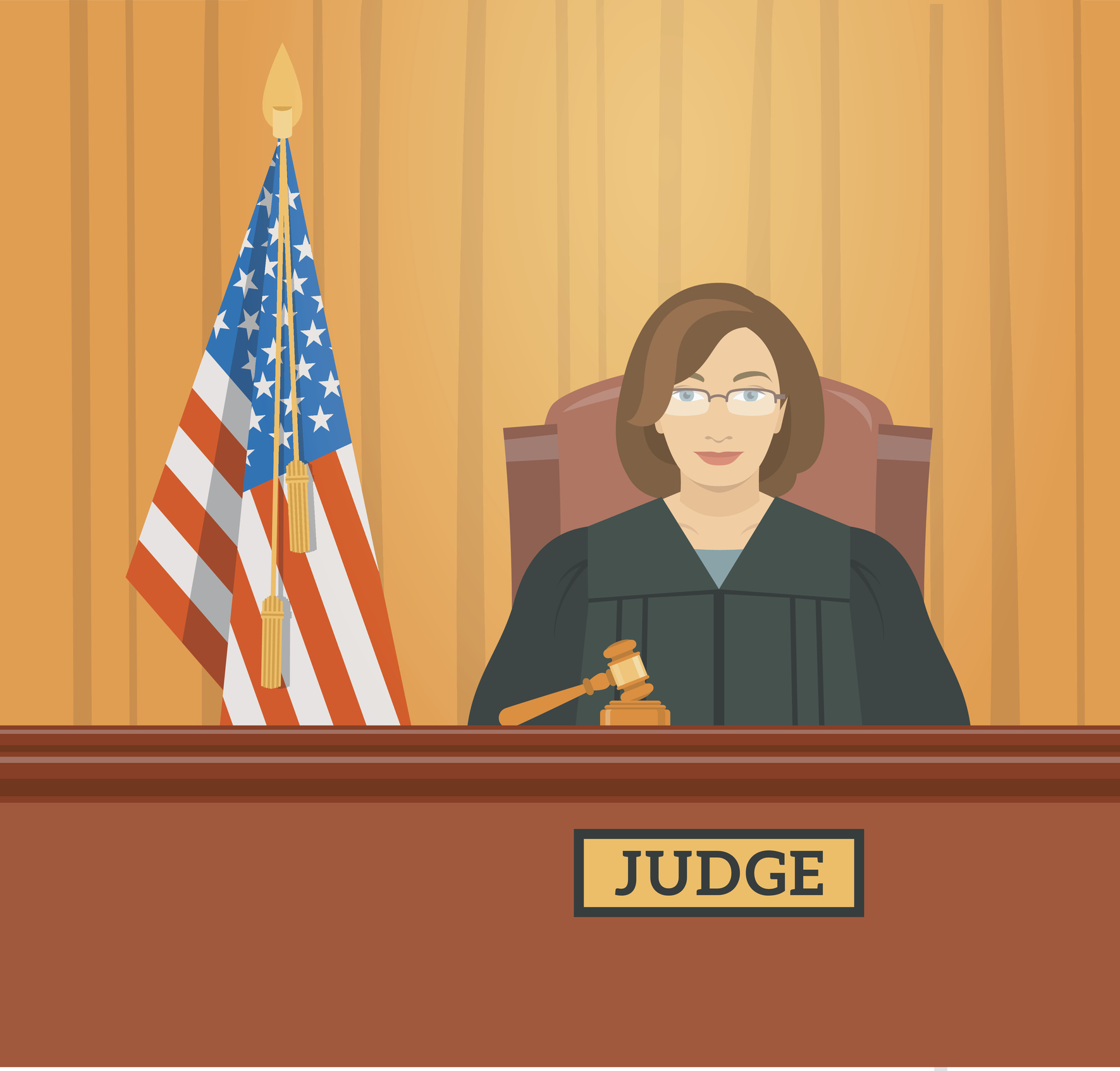
A public official with authority to hear cases in a court of law and prounce judgement upon them.
Example: The judge controls the fate of the accused.
fr: juge
justice
noun
Just behavior or treatment.
Example: There is no peace without justice.
fr: justice
law
noun
The system of rules that a particular country or community recognizes as regulating the actions of its members and may enforce by the imposition of penalties.
Example: The citizens respect the law.
fr: loi
lawyer
noun
A person who practices or studies law; an attorney or a counselor.
Example: I need a lawyer for my case.
fr: avocat
legal aid
noun
Free legal advice or representation for a person who cannot afford it.
Example: They need legal aid for their defense.
fr: aide juridique
penal
adjective
Of, relating to, constituting or prescribing punishment.
Example: The penal system
fr: pénal (e)
prosecutor
noun
A person, esp. A public official, who institutes legal proceedings against someone.
Example: The prosecutor rose to give the opening address.
fr: procureur (e)
Quebec Bar
noun
The provincial law society for lawyers in Quebec, Canada. It was founded May 30, 1849, as the Bar of Lower Canada.
fr: Barreau du Québec
sentence
noun
The punishment assigned to a defendant found guilty by a court or fixed by law for a particular offense.
Example: He received a 10-year sentence.
fr: sentence
young offender
noun
A criminal from 12 to 17 years of age.
Example: A young offender becomes a criminal at the age of 18.