This glossary is made for people who are interested in the field of criminology and in the criminologist title.
case
Noun
A suit or action in law or equity.
Example: It can be seen as a matter of making a choice between prevention and precaution, which may be regarded as a limiting CASE of prevention.
fr: un cas, une affaire.
child and youth protection center
noun phrase
The Child and Youth Protection Program investigates and addresses abuse and neglect in children and youth aged 18 and under. Abuse and neglect can take many forms, including physical, sexual, and emotional abuse.
Example: THE YOUTH PROTECTION ACT (YPA) stipulates that children and youths between the ages of 0 and 18, are in need of protection in any of the following 6 situations:
abandonment;
neglect;
psychological ill-treatment;
sexual abuse;
physical abuse;
serious behavioural disturbance.
fr: département de la protection de la jeunesse
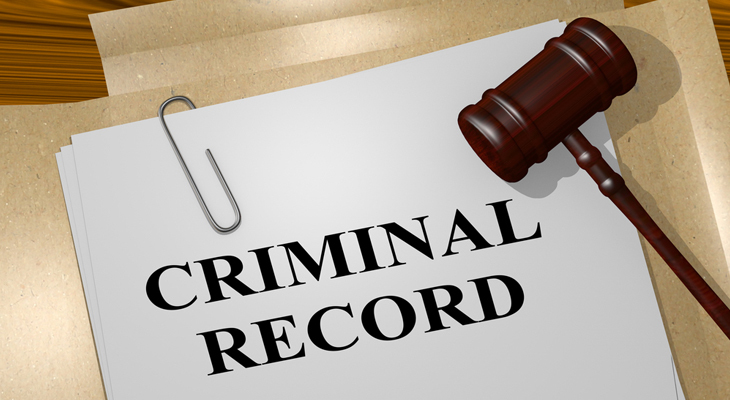
criminal record
adjective, noun
A history of being convicted for crime.
Example: This may be because 'businessmen do not like being labeled as criminals' thereby risking their reputation and the implications of a CRIMINAL RECORD.
fr: casier judiciare
criminogenic factors
adjective and noun
Criminogenic Needs are factors in a [justice-involved individual's] life that are directly related to recidivism. Research has identified six factors that are directly related to crime: low self-control, anti-social personality, anti-social values, criminal peers, substance abuse and dysfunctional family.
Example: One significant CRIMNOGENIC FACTOR is poverty. Research has consistently shown that individuals who live in poverty are more likely to be involved in crime, both as victims and as perpetrators (Krivo & Peterson, 1996). Poverty can lead to a range of problems, including limited access to education, employment, and healthcare, as well as exposure to crime and violence in the community. These factors can create a cycle of poverty and crime that is difficult to break.
fr: facteurs criminogènes
crown attorney
adjective and noun
Crown attorneys represent the Crown and act as prosecutor in proceedings under the Criminal Code and various other statutes.
Example: CROWN ATTORNEYS represent the Crown and act as prosecutor in proceedings under the Criminal Code and various other statutes. Criminal prosecutions pursuant to federal statutes other than the Criminal Code, such as the Controlled Drugs and Substances Act, the Income Tax Act, and others, are generally (but not exclusively) conducted by the Public Prosecution Service of Canada, which also handles most narcotic case outside of Quebec and New Brunswick.
fr: Procureur de la Couronne
defense lawyer
noun
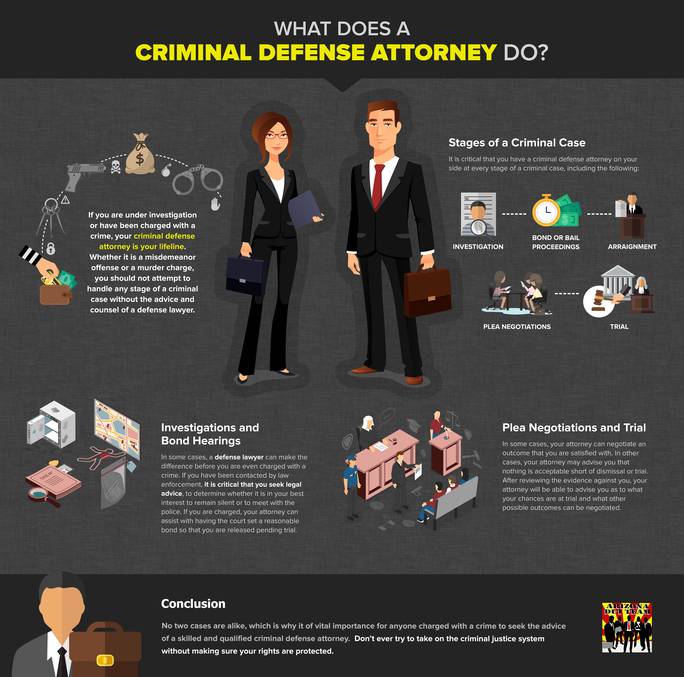
A criminal defense lawyer is a lawyer specializing in the defense of individuals and companies charged with criminal activity.
Example: Some people represent themselves for less serious matters like traffic tickets. Other charges are more serious misdemeanors and felonies. In those cases, a DEFENSE LAWYER can help you learn about the charges and determine the best ways to build a case that proves your innocence or achieves a favorable plea bargain.
fr: Avocat de la défense
delinquency
noun
Minor crime, especially that committed by young people.
Example: Girls will be subjected to a higher level of surveillance than boys throughout their childhood to 'protect' them from DELINQUENCY, and likelwise boys delinquent acts may be shrugged off as acceptable 'laddish' behaviour (Hudson 1990 in Gelshorpe and Morris :118).
fr: délinquance
intervention plan
noun
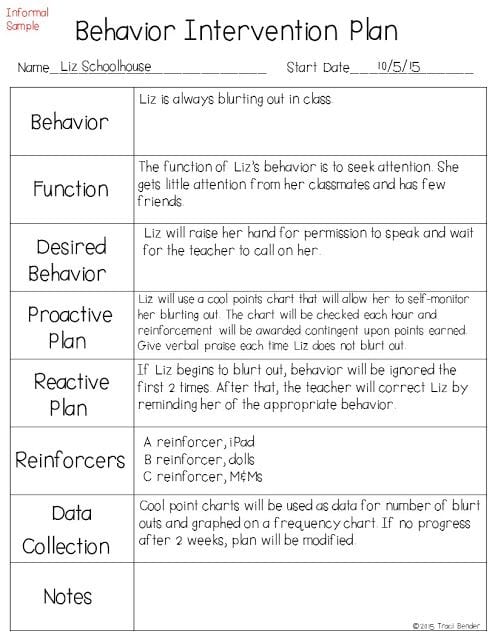
An intervention plan is a blueprint for helping a student build specific skills or reach a goal. In other words, it's an action plan. In general, intervention plans include a goal, intervention strategy, timeline, and progress monitoring method.
Example: Also the initial assessment and goal setting process can be long, as time must be spent helping the client to understand their problems and working together to devise an INTERVENTION PLAN owned by them.
fr: plan d'intervention
legal proceedings
noun
Action taken in a court to settle a dispute.
Example: This is useful during LEGAL PROCEEDINGS as Counsel may call for the specimen to be re-analysed by their own scientists.
fr: procédure judiciaire
marginality
noun
The state or condition of being isolated from and not fully accepted by the dominant society or culture, and therefore frequently disadvantaged.
Example: MARGINALITY also played an important part, as the parties focused on increasing the awareness of people and obtaining the seats in the marginal constituencies by focusing heavily on them.
fr: marginalité
offense
noun
A breach of a law or rule ; an illegal act.
Example: Due to the immense pressure the caregiver is under, elder abuse is not uncommon; in fact physical abuse by trusted caregivers is among the most common type of violent OFFENSE experienced by older adults.
fr: offense
penitentiary
noun
A prison for people convicted of serious crimes.
Example: The fact that by 1840 this had been terminated as a form of punishment indicated that there was no longer a belief in its validity as a form of punishment and rehabilitation and instead a more Enlightenment-influenced PENITENTIARY system was introduced.
fr: pénitencier
probation
noun
The release of an offender from detention, subject to a period of good behavior under supervision.
Example: In Washington, D.C. and Baltimore, Maryland between 40-50% of the black male population between the ages of 18 and 15 is at any given moment either in prison, on PROBATION, parole or there is a warrant out for their arrest .
fr: probation
protective factors
adjective and noun
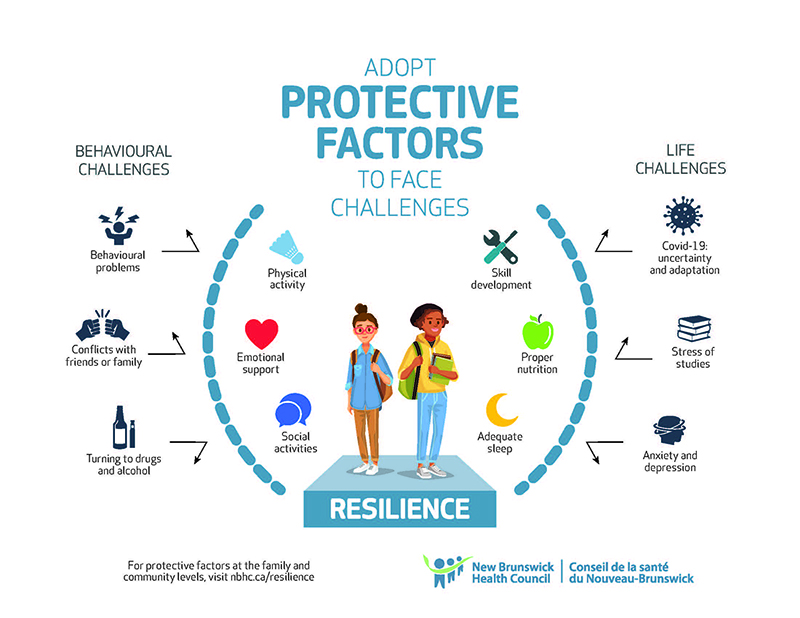
A protective factor can be defined as “a characteristic at the biological, psychological, family, or community (including peers and culture) level that is associated with a lower likelihood of problem outcomes or that reduces the negative impact of a risk factor on problem outcomes.
Example: However the two PROTECTIVE FACTORS anti tobacco smoking advert, discussion of dangers of tobacco use in schooling are only shown to be weakly significant and only have a small effect on reducing teenage smoking uptake.
fr: facteurs de protection
recidivist
adjective
A convicted criminal who reoffends, especially repeatedly.
Example: Across the nation, judges, probation and parole officers are increasingly using algorithms to assess a criminal defendant’s likelihood of becoming a RECIDIVIST – a term used to describe criminals who re-offend.
fr: Récidiviste
rehabilitation center
adjective and noun
A facility providing therapy and training for rehabilitation.
Example: A centre or clinic where people with an alcohol or drug addiction are treated
an alcohol and drug rehabilitation centre.
fr: centre de réadaptation
social work
noun
Work carried out by trained professionals with the aim of helping people who have social disadvantages or personal problems.
Example: Six days post-operation with an uneventful recovery he was transferred to the intermediate care centre where he remained for 5 weeks before he was allowed home with the relevant physio, OT and SOCIAL WORK input to ensure a successful return home.
fr: travail social
victimology
noun
The study of the victims of crime and the psychological effects on them of their experience.
Example: The case study of a particular victimization introduces emerging issues in criminal justice, and illuminates the responsibility of the criminal justice system to prevent and react to crime. Academic programs are challenged to develop and maintain students' interest in this theoretical framework. Case studies in VICTIMOLOGY promote interdisciplinary knowledge, critical thinking and precise writing skills.
fr: victimologie
young offender
noun
A young person aged 12 to 17 who commits a crime may be called a young offender. They appear in a special court called a Youth Court. The Youth Criminal Justice Act (YCJA) sets out what can happen to youth who commit offences.
Example: The YCJA came into force in 2003 and replaced the previous law that dealt with youth justice in Canada, the YOUNG OFFENDERS Act (“YOA”).
fr: jeune délinquant
youth center
noun
Youth Centers are facilities designed to provide a safe, informal and supervised environment for young people. They accommodate unstructured social interaction among different age groups and provide the space to offer more structured activities.
Example: Youth clubs may be based in a youth center, but youth center activities can include other approaches such as leadership development, peer mentoring, etc. YOUTH CENTERS have been ineffective in achieving health outcomes but can be connected with health facilities to augment other services and interventions.