I made this glossary to give definitions of the important terms of the Accounting world.
account
noun
A record or statement of financal expenditure or receipts relating to a particular period or purpose.
Example: I have a lot of money in by bank account.
en: compte
accumulated depreciation
noun
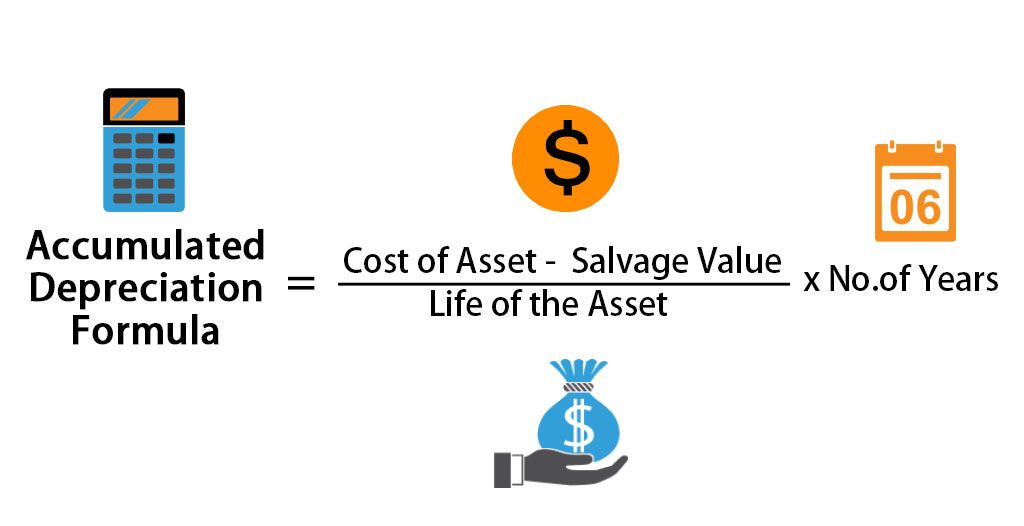
The total depreciation on a tangible asset accumulated up to a specified date. This amount is subtracted from the original cost or valuation of the asset to arrive at its book value.
Example: The accumulated depreciation of this stock is about 6% per year.
en: amortissement cumulé
assignment credit
noun
The process of identifying among the set of actions chosen in an episode the ones which are responsible for the final outcome.
Example: The enterprise received his assignment credit.
en: crédit de mission
balance sheet
noun
A statement of the assets, liabilities, and capital of a business or other organization at a particular point in time, detailing the balance of income and expenditure over the preceding period.
Example: Rolls-Royce needed a strong balance sheet.
en: bilan
bankruptcy
noun
The state of being bankrupt.
Example: The company is facing bankruptcy.
en: faillite
capital account
noun
The capital account, also known as the capital and financial account, records the net flow of investment into an economy.
Example: The capital account is always the mirror image of the current account.
en: compte capital
contract
noun
A written or spoken agreement, especially one concerning employment, sales, or tenancy, that is intended to be enforceable by law.
Example: In practice most contracts are for between 6 to 9 months.
en: contrat
customer
noun
A person or organization that buys goods or services from a store or business.
Example: They are our potential customers.
en: client
doubtful account
noun
A doubtful account or doubtful debt is an account receivable that might become a bad debt at some point in the future.
Example: Additionally, the allowance for doubtful accounts in June starts with a balance of zero.
en: compte douteux
down payment
noun
An initial payment made when something is bought on credit.
Example: She made a 10 percent down payment on the car.
en: accompte
financial statement
noun
Financial statements are reports compiled by businesses that detail the company's financial activities and health.
Example: The company's annual financial statement reported plans to spend up to $120 million on improvements.
en: état financier
functional currency
noun
Functional currency represents the primary economic environment in which an entity generates and expends cash.
Example: The company chooses euros as the functional currency because it is the local currency.
en: monnaie fonctionnelle
gross profit
noun
Gross profit is the profit a company makes after deducting the costs of making and selling its products or the costs of its services.
Example: A typical luxury car makes a gross profit of around 15-20 percent of its sales price, and small cars barely break even.
en: bénéfice brut
liquidity
noun
The availability of liquid assets to a market or company.
Example: The company maintains a high degree of liquidity.
en: liquidité
margin of safety
noun
Margin of safety is an investing principle that involves only procuring a security when its market price is substantially less than its intrinsic value.
Example: Although there was no guarantee that the stock's price would increase, the discount provided the margin of safety he needed to ensure that his losses would be minimal.
en: marge de sécurité
mortgage
noun
A legal agreement by which a bank or other creditor lends money at interest in exchange for taking title of the debtor's property, with the condition that the conveyance of title becomes void upon the payment of the debt.
Example: He will have to take out a mortgage in order to buy the house.
en: hypothèque
overdraft
noun
A deficit in a bank account caused by drawing more money than the account holds.
Example: I paid off my overdraft as soon as I got my pay cheque.
en: découvert
residual value
noun
The residual value, also known as salvage value, is the estimated value of a fixed asset at the end of its lease term or useful life.
Example: Equipment for this service now has little to no residual value.
en: valeur résiduelle
shareholder
noun
An owner of shares in a company.
Example: Company owners and shareholders are generally protected from the liabilities of the business.
en: actionnaire
transfer pricing
noun
Transfer pricing is an accounting practice that represents the price that one division in a company charges another division for goods and services provided.
Example: Now, ABC Co. will charge a transfer price of between 20 cents and 80 cents per pen to its subsidiary.