Sales glossary
Sales glossary
20 Business management terms
This glossary provides essential sales terms used in the field of business management to better apply it and understand it.
- A/B Tests
- Creating 2 versions of a digital asset to see which one users respond to better. Examples of assets include a landing page, display ad, marketing email, and social post. In an A/B test, half of your audience automatically receives “version A” and half receives “version B.” The performance of each version is based on conversion rate goals such as the percentage of people who click on a link, complete a form, or make a purchase.
https://mailchimp.com/marketing-glossary/#a-b-tests

- Abandoned Cart
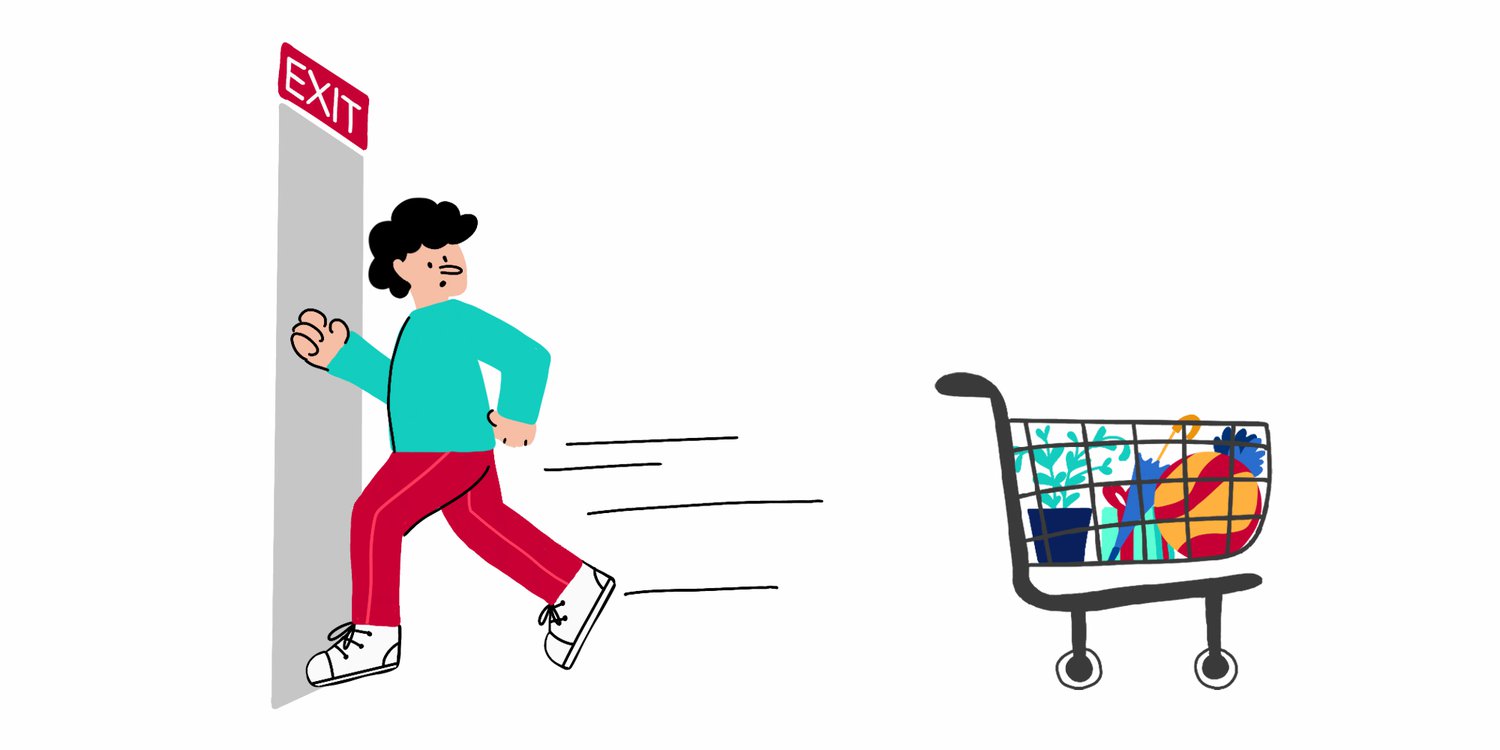
- When a user adds a product to the online shopping cart of an e-commerce site but doesn’t proceed to checkout and complete the purchase. Users may abandon because they aren’t ready to buy. Instead, they are using their cart as more of a "wish list" as they shop around and compare prices. Setting up automatic, personalized email alerts to remind users they have items in their cart is often just the nudge they need to finish checking out.
- Advertorial
- Advertising and editorial content combined. If you think of a traditional printed magazine or newspaper, the line between ads and editorial articles is distinct—and often literal. An advertorial brings the 2 formats together to educate readers about a product through an editorial-esque storytelling experience. They’ve become a popular online advertising tactic that is typically labeled "sponsored" or "paid" so as not to mislead users about the source of the information.

- Audience Segmentation
- A marketing strategy based on identifying subgroups within the target audience in order to deliver more tailored messaging for stronger connections. The subgroups can be based on demographics such as geographic location, gender identity, age, ethnicity, income, or level of formal education. Subgroups can also be based on behavior such as purchases made in the past. Psychographics come into play when you have access to insights about your audience’s values, attitudes, and beliefs.

- Backlinks
- Links on websites other than your own that go back to a page on your website. Backlinks are also called inbound links because they represent traffic coming to your website from somewhere else. The quality and quantity of your backlinks can help you rank higher in search engines such as Google and Bing. This is because your backlinks are considered an indicator of how popular your website is with users.

- Blog
- The short form of "web log." A blog is a collection of journal-like articles written about a particular topic and published on a website. New articles are added frequently and comments from users are encouraged. Anyone can publish a blog. Successful bloggers attract advertisers through affiliate marketing because they add credibility to the messaging for their followers.

- Clickbait
- A term used to describe a way content creators can manipulate an individual to get them to click a link or press play. Generally speaking, clickbait takes advantage of provocative titles.

- Closed Opportunities
- An umbrella term that includes both closed-won and closed-lost opportunities, although some people use it to mean only closed-won opportunities.

- Cold Calling
- Making unsolicited calls in an attempt to sell products or services. It's also a very inefficient way to find potential customers.

- Decision-Maker
- The person who, or role that, makes the final decision of a sale. They are often "guarded" by a gatekeeper.

- Feature
- A function of a product that can solve for a potential buyer's need or pain point; usually a distinguishing characteristic that helps boost appeal.
- Lead
- A person or company who's shown interest in a product or service in some way, shape, or form. Perhaps they filled out a form, subscribed to a blog, or shared their contact information in exchange for a coupon.
Generating leads is a critical part of a prospect's journey to becoming a customer, and it falls in between the second and third stages of the larger inbound marketing methodology, which you can see below.
- Loss Leader
- Used in retail to refer to a product sold at a low price (either at break-even or at a loss) for the purpose of attracting customers into the store. The goal is for customers who go into the store to buy other items that are priced to make a profit.
- Margin
- The difference between a product or service's selling price and the cost of production.
- Objection
- A prospect's challenge to or rejection of a product or service's benefits, and a natural part of the sales process. Common objections often have to do with budget, authority, need, and timing. How sales reps handle objections plays a big role in determining whether a prospect will buy.
- Performance Plan
- Also "Performance Improvement Plan" or "PIP." A sales rep is put on a performance plan if s/he doesn't make a certain percentage of quota over a certain period of time. Performance plans vary from company to company, but it usually starts with a written warning and further disciplinary action, including termination if necessary. The purpose of performance plans is to set clear and specific performance goals, provide a means for feedback, and develop sales skills.
- Prospecting
- The process of searching for and finding potential buyers. Sales reps (or "prospectors") seek out qualified prospects and move them through the sales cycle.
- Quota
- A sales goal; a set amount of selling a sales rep is expect to meet over a given time frame, usually a month and/or quarter. It's very, very common for sales reps to have quotas, also the form they take can vary from company to company and from role to role.
- Social Selling
- When sales reps use social media to interact directly with their prospects. They provide value by answering prospects' questions and offering thoughtful content until the prospect is ready to buy.
- Weighted Pipeline
- A more detailed version of a sales pipeline, in which each opportunity is given a specific value based on which stage they're in in the sales process.