Marketing Glossary
Marketing Glossary
20 Marketing terms
This glossary contains words and expressions that are commonly used in sales and in the marketing field.
- Analytics
- Refers to the process of analyzing data to determine the return on investment of a particular marketing activity. Marketers may also use the term to talk about the dashboard or system they use to review and track this data.
- B2B
- This acronym is shorthand for business-to-business marketing.
- Chatbot
- An automated tool found on many websites, typically used to help address common customer questions or concerns. They scan chat messages from customers to identify potential keywords and topics of interest and then relay pre-populated messages.
- Customer segmentation
- This is the process market researchers use to break down various groups/categories of customers based on their needs, spending and specific demographics.
- Dropshipping
- An e-commerce model where the seller doesn’t own any inventory or handle any of the shipping responsibilities. When a customer makes a purchase, the seller processes the order and transfers it to a third-party supplier—like a wholesaler or manufacturer, for example—who prepares and ships the order. The seller only pays the supplier for an item after someone buys it, which makes dropshipping a popular option for entrepreneurs who want to start an online store quickly and with minimal overhead.

- Key Performance Indicator
- Specific metrics that show whether a company is meeting its marketing goals.
Keywords.
- Lead
- A person who has shown interest in your company's product or service.
- Likert Scale
- Common question format for marketing surveys used to gauge the intensity of a sentiment via a numbered scale, a Likert scale often ranges from “1. Strongly disagree” to “5. Strongly agree.”

- List Broker
- A business that specializes in sourcing contact lists that direct marketers can rent for an email or marketing campaign. List brokers typically have access to a huge variety of lists and existing relationships with list owners. They also have expertise in recommending the best lists to use based on your target audience, brand, and marketing goals. In exchange for you renting a list, the list broker typically charges a commission, which the list owner pays for.
- Market share
- The percentage of the market for your product or service that you want to capture. The formula for market share is: a company’s sales / industry sales over the same time period. To improve market share, companies may focus on strengthening customer loyalty or innovating products and services. They may also buy key competitors.
- Marketing Collateral
- Digital or print materials that accompany a primary advertising campaign. Before the internet, “collateral” was practically synonymous with “brochures” that supported traditional TV commercials, such as a savings account brochure from your local bank branch. Today, “collateral” can refer to any printed or digital piece that supports and extends a campaign. Common digital collateral includes websites, landing pages, and banner ads.
- Marketing communication
- Marketing communications designed to inform target audiences about products or services and persuade them to buy them. There are 4 general types of promotions: advertising, sales promotion, personal selling, and publicity. Let’s say your company creates all-natural makeup. Your promotions could include advertising on beauty blogs, sending a discount to an email list, setting up sales calls with owners of local boutiques, or hosting a free makeover event for beauty-site editors.
- Marketing mix
- The 4 “P”s: price, product, promotion, and place (point of sale). Your marketing mix covers these must-have elements when bringing a product to market. The marketing mix is inextricable from the marketing objectives in your business plan. Some companies add “P”s that are of high importance to them, such as packaging or positioning. Packaging and positioning arguably overlap with promotion, but calling out the extra “P”s can be useful in focusing your organization.

- Pay-Per-Click (PPC)
- An online advertising campaign that a company pays for only when users interact with the ads. Instead of paying for your ads to simply show up on a publisher’s website, you pay for user clicks. Pay-per-click (PPC) refers to a type of campaign. Cost per click (CPC) refers to the actual cost: the campaign fee / number of clicks = cost per click. For example, if you pay $1,000 for a campaign that receives 50,000 clicks, your CPC is $0.02.
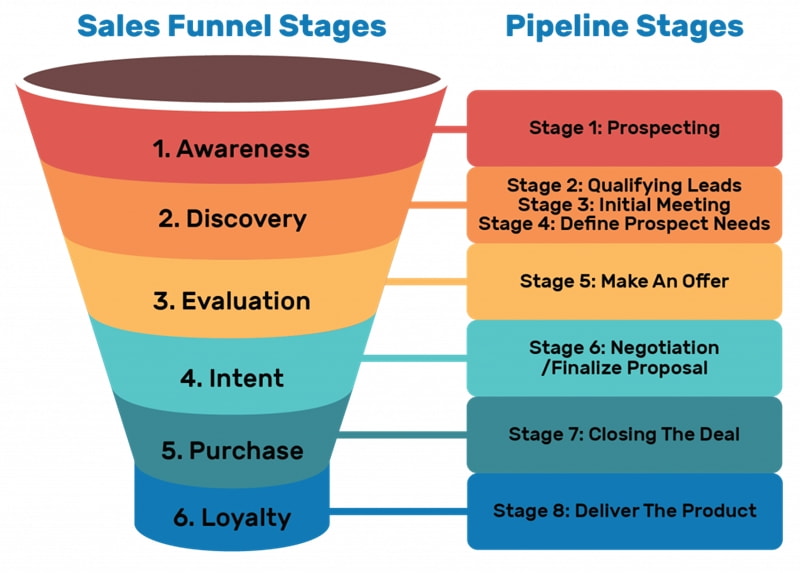
- pipeline
- The step-by-step process sales reps go through to convert a prospect into a customer. The sales pipeline is often divided into stages for each step in the sales process, and the sales rep is responsible for moving opportunities through the stages. https://blog.hubspot.com/marketing/sales-terms-glossary.
- Product Lifecycle
- The stages a product goes through during its time on the market. There are 4 stages: introduction, growth, maturity, and decline. The stage your product is in helps inform your marketing objectives and promotional mix. For example, raising awareness of a new product may be more important than raising awareness of a mature product.

- promotion
- Marketing communications designed to inform target audiences about products or services and persuade them to buy them. There are 4 general types of promotions: advertising, sales promotion, personal selling, and publicity. Let’s say your company creates all-natural makeup. Your promotions could include advertising on beauty blogs, sending a discount to an email list, setting up sales calls with owners of local boutiques, or hosting a free makeover event for beauty-site editors.

- Questionnaire
- A set of questions about a topic that’s used for research purposes. Questionnaires are commonly used in digital marketing to get feedback on user experience (UX). For example, you might send one after a customer makes a purchase to find out if they experienced any confusion during the checkout process. Marketers also commonly use questionnaires after someone unsubscribes from a newsletter or other mailing list.
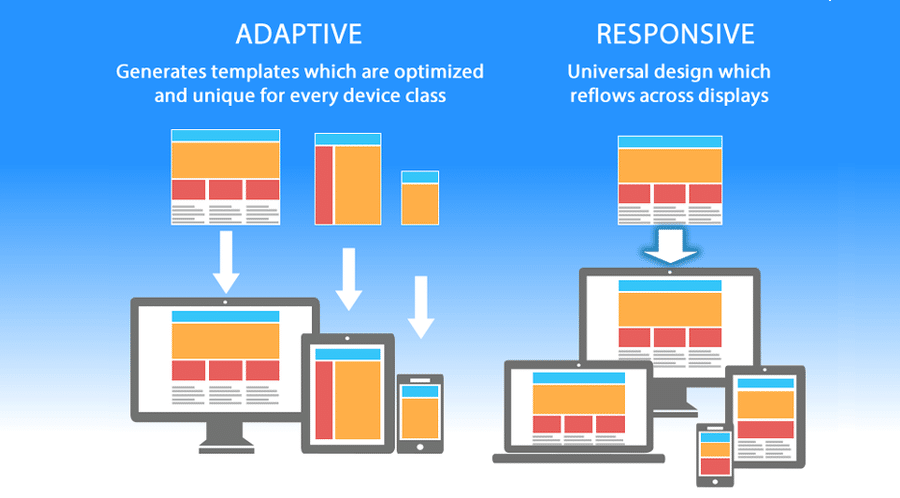
- Responsive Web Design
- An approach to website design that enables a single page to be displayed comfortably whether it’s on a phone, tablet, or desktop. Sites that use responsive web design first evaluate the type of device and its screen size. Then with the help of CSS, they render the text, images, and other elements in a predefined layout that works for that particular device.
- Target Audience
- The people you want to reach with your marketing efforts. These are the consumers who will be most interested in your products or services—and most likely to convert from leads into customers. Target audiences can be based on demographics (age, gender identity, location), psychographics (aspirations, concerns, values), or behavior (likely to buy online). Target audiences are often broad and varied, so audience segmentation can help deliver a more personalized and effective message.