20 A few different words on the subject of business terms
This grossary is meant to be used to gain knowledge on many different words that are used in a business or marketing context
B2B
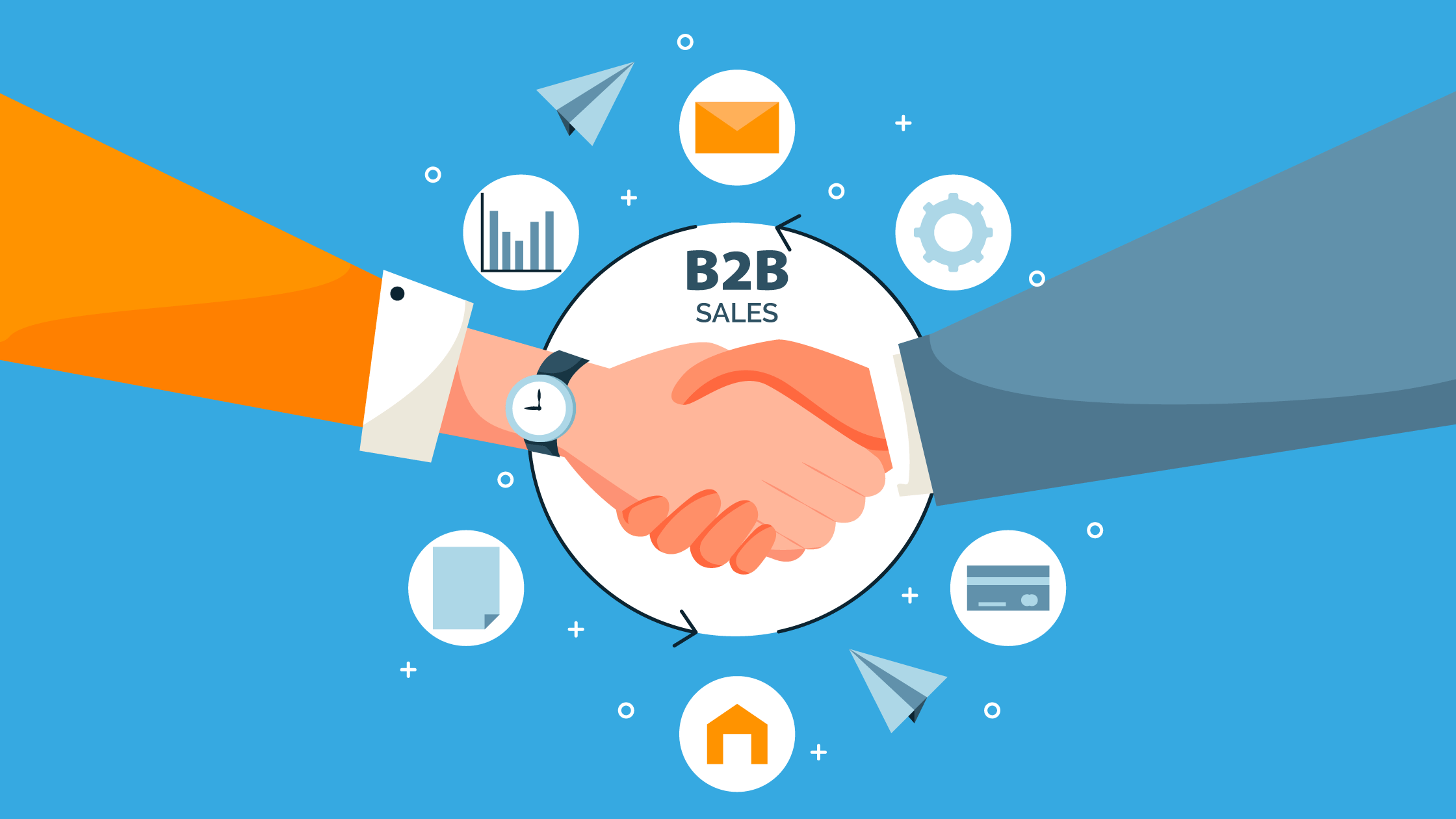
Business 2 Business. B2B is a term that describes the transactional relationship between provider and client where the provider is a business and the client is another business.
Example: "Our B2B marketing strategy targets organizations in the manufacturing niche."
B2C
Business 2 Consumer. B2C is a term describes the transactional relationship between provider and client where the provider is a business and the client is an individual consumer.
Benefit
The value of a product or service that a consumer of that product or service experiences. Benefits are distinct from features, and sales reps should sell based on benefits that are supported by features.
Buying signal
A communication from a prospect indicating they are ready to make a purchase, either verbal or non-verbal. An example would be them asking the sales rep, "When can it be delivered?"
Consumer
A person who uses a product or service. They may not be the actual buyer of that product; for example, if I buy my brother a pair of basketball shoes, then my brother is the consumer of those shoes, not me.
Coversation rate
The percentage of people who completed a desired action on a single web page, such as filling out a form. Pages with high conversion rates are performing well, while pages with low conversion rates are performing poorly.
Cross-selling
When a sales rep has more than one type of product to offer consumers that could be beneficial, and s/he successfully sells a consumer more than one item either at the time of purchase or later on. An example is when Apple sells you an iPhone and then successfully sells you an Apple iPhone case or a pair of Apple headphones. In this case, a sales rep identifies a need the customer has, and fulfills that need by recommending an additional product.
Lead qualification
The process of determining whether a potential buyer has certain characteristics that qualify him or her as a lead. These characteristics could be budget, authority, timeline, and so on. Popular lead qualification criteria acronyms are GPCTBA/C&I and BANT.
Margin
The difference between a product or service's selling price and the cost of production.
Mark-Up
The amount added to the cost price of goods to cover overhead and profit.
Middle of the funnel (MOFO)
The stage that a lead enters after identifying a problem. Now they’re looking to conduct further research to find a solution to the problem. Typical middle of the funnel offers include case studies, product brochures, or anything that brings your business into the equation as a solution to the problem the lead is looking to solve.
Opportunity
Though every company has different processes for defining what criteria make someone an opportunity, it's basically when a qualified lead is being worked by Sales. See Qualified Lead for more information.
Pain point
A prospect's pain point, or need, is the most important thing for a sales rep to identify in the selling process. Without knowing a prospect's pain points, they can't possibly offer benefits to help resolve those pain points.
Pipeline
The step-by-step process sales reps go through to convert a prospect into a customer. The sales pipeline is often divided into stages for each step in the sales process, and the sales rep is responsible for moving opportunities through the stages. It can also refer to a visual representation of the sales process, where every open opportunity is arranged based on the sales stage they're in.
Profit margin
A ratio of profitability that measures how much money a company actually keeps in earnings. It's calculated either as a) net income divided by revenues, or b) net profits divided by sales.
Prospecting
The process of searching for and finding potential buyers. Sales reps (or "prospectors") seek out qualified prospects and move them through the sales cycle.
Qualified lead
A contact that opted in to receive communication from your company, became educated about your product or service, and is interested in learning more. Marketing and Sales often have two different versions of qualified leads (MQLs for Marketing, and SQLs for Sales), so be sure to have conversations with your sales team to set expectations for the types of leads you plan to hand over.
Quota
A sales goal; a set amount of selling a sales rep is expect to meet over a given time frame, usually a month and/or quarter. It's very, very common for sales reps to have quotas, also the form they take can vary from company to company and from role to role.
Smarketing
Used to refer to the practice of aligning Sales and Marketing efforts. In a perfect world, marketing would pass off tons of fully qualified leads to the sales team, who would then subsequently work every one of those leads enough times to close them 100% of the time. But since this isn't always how the cookie crumbles, it’s important for Marketing and Sales to align efforts to impact the bottom line the best they can through coordinated communication.
Social selling
When sales reps use social media to interact directly with their prospects. They provide value by answering prospects' questions and offering thoughtful content until the prospect is ready to buy.