Sales Glossary
Sales Glossary
20 terms
- AIDA (Attention, Interest, Desire, and Action)
- The AIDA model is a cornerstone of modern sales and marketing. This model describes a prospective customer’s stages of thinking and action before deciding to buy or become a client.
https://www.webfx.com/blog/marketing/sales-terms/
- BANT
- A methodology for qualifying leads in which sales reps confirm that a prospect has the budget, authority, need, and timeline to buy. If any of those factors aren’t in place, it’s unlikely that you’ll make the sale.
https://www.nutshell.com/blog/sales-slang-terms
- Bluebird
- Guaranteed to put you in a cheerful mood, a bluebird is a lucrative sales opportunity that drops into your lap unexpectedly, and without much effort.
https://www.nutshell.com/blog/sales-slang-terms
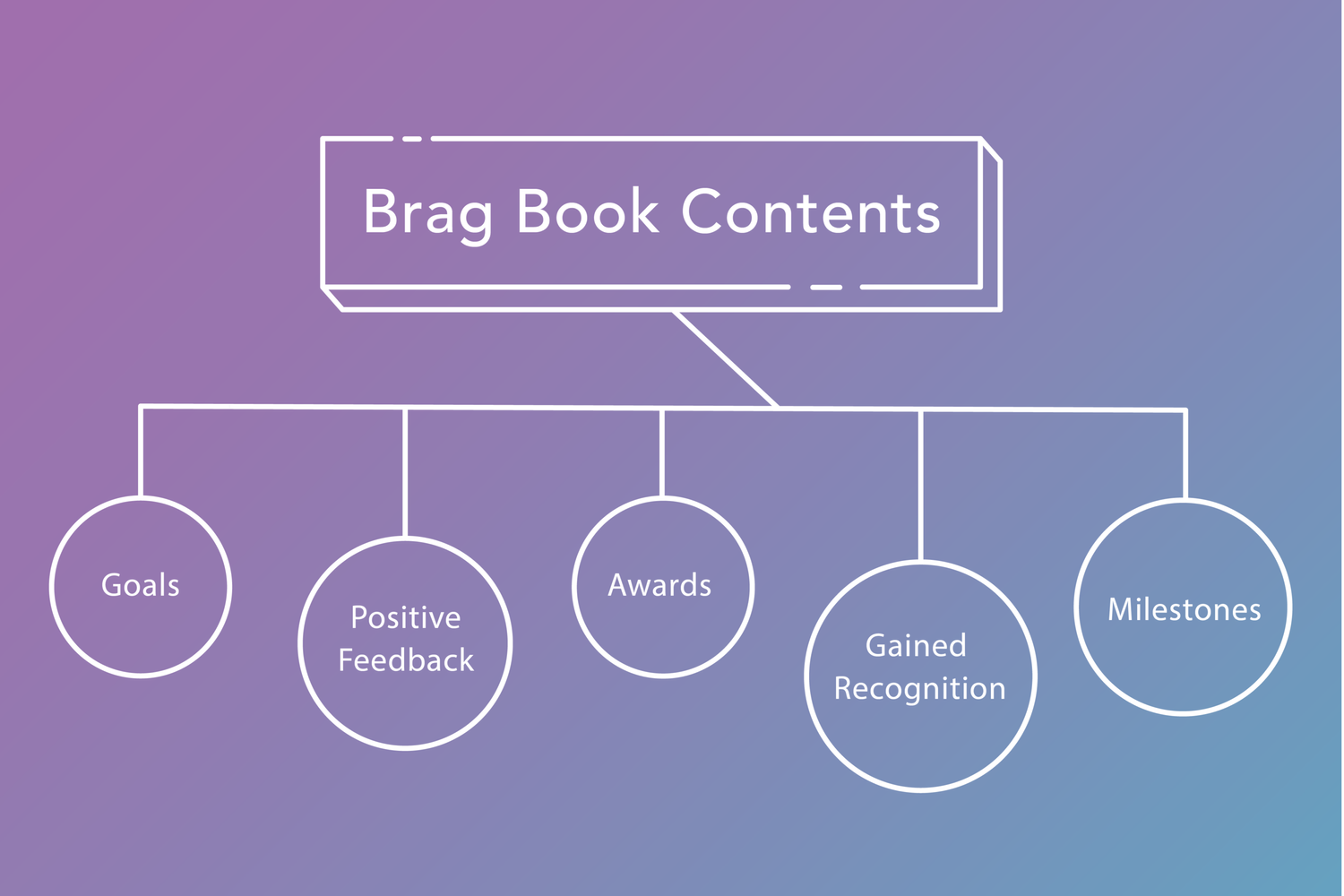
- Brag book
- A collection of testimonials, case studies, or pictures collected from satisfied customers. A sales rep can present their brag book to prospects to illustrate their prior successes and how they’ve exceeded their clients’ expectations.
https://www.nutshell.com/blog/sales-slang-terms
- Customer acquisition cost (CAC)
- Customer acquisition cost, or CAC, measures the total sales and marketing cost a business requires to earn a new customer over a tracked period.
https://www.pipedrive.com/en/blog/sales-terms
- Emotional sale
- A selling method that attempts to appeal to a buyer’s emotions, either by generating desire and excitement around the product’s benefits, or evoking negative emotions like fear and frustration—pain points that your product or service can alleviate.
https://www.nutshell.com/blog/sales-slang-terms
- FAB
- A sales acronym for “features, advantages, and benefits.” Sales reps use this three-part structure to communicate the value of their product or service, by defining its characteristics (features), the positive attributes of those features (advantages), and how the product would enhance the customer’s life or reduce pain points (benefits).
https://www.nutshell.com/blog/sales-slang-terms
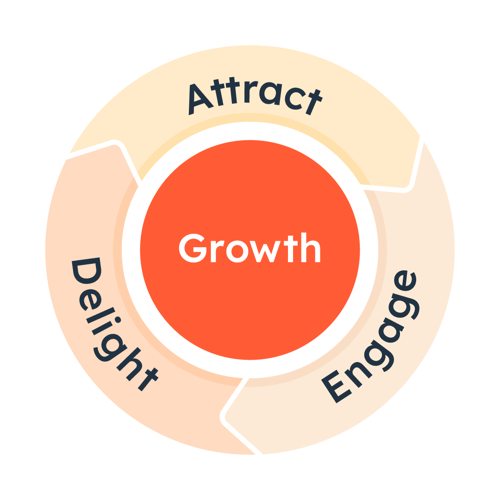
- Flywheel
- The flywheel is a self-sustaining marketing model composed of three stages: attract, engage, and delight. The flywheel model focuses on removing friction at every step of the buyer journey to build trust, credibility, and momentum to foster growth which builds on itself. This model also suggests that conversion can happen at any buyer journey stage.
https://www.webfx.com/blog/marketing/sales-terms/
- Hard sell
- A hard sell is an assertive sales strategy aiming to persuade buyers to make quick purchases. It relies on direct and compelling arguments to drive sales.
https://www.nutshell.com/blog/sales-slang-terms
- Intellectual sale
- An intellectual sale attempts to appeal to a prospect’s logic, and their need for a quick, affordable solution to a problem. An intellectual sale is more “business” than “personal.”
https://www.nutshell.com/blog/sales-slang-terms
- Markup
- A markup refers to a price increase for a product or service. It’s usually done to compensate for expensive production costs or dips in revenue and profit. Mark-ups can be risky because they can deter current customers, but they can also save a struggling company from a bad month or quarter.
https://www.zendesk.com/blog/sales-terms/
- Mirroring
- Building rapport with a sales prospect by adopting their body language and speech patterns. Subtlety is key, here. Overdo it, and you’ll come off as ingenuine, or even creepy.
https://www.nutshell.com/blog/sales-slang-terms
- Net Promoter Score (NPS)
- Net Promoter Score, or NPS, is a metric that measures your company’s current level of customer satisfaction and loyalty.
You can find out your score by asking customers how likely they are to recommend your business on a scale of 0–10.
https://www.pipedrive.com/en/blog/sales-terms
- NSAs
- Non-sales-related activities, meaning things that sales reps spend time on that don’t directly lead to sales. This can include administrative tasks and paperwork, or making personal calls and surfing the Internet. Whenever you aren’t prospecting, qualifying, setting up presentations and appointments, or closing, you’re probably engaged in an NSA.
https://www.nutshell.com/blog/sales-slang-terms
- Puppy dog close
- Allowing customers to try out a product with no obligation while they make their decision. The idea is, an uncommitted buyer will fall in love with the product and won’t want to let it go—just like person interested in buying a puppy wouldn’t be able to say “no” after taking one home for a few days.
https://www.nutshell.com/blog/sales-slang-terms

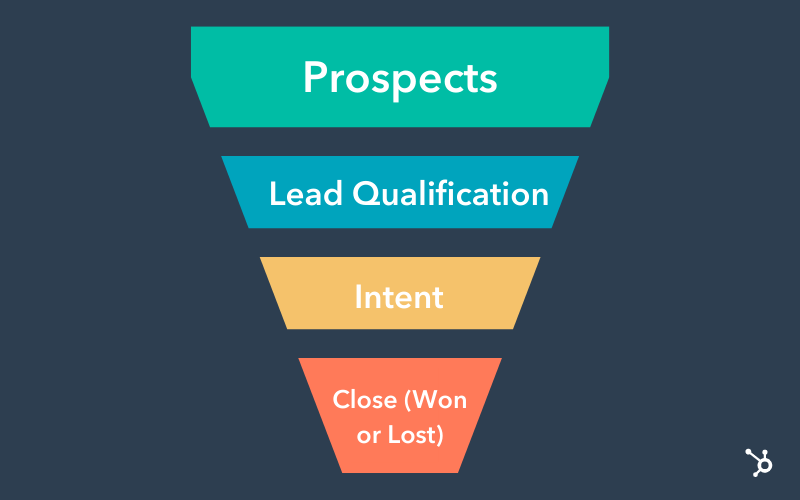
- Sales funnel
- A sales funnel is a visual representation of the entire journey, from a prospect’s first interaction with a business (such as a website visit) to purchasing a product and becoming a customer.
https://www.pipedrive.com/en/blog/sales-terms
- Sandbagging
- Holding off on closing active deals once you’ve already hit your quota/commission for the month, so that you can more easily hit your numbers the following month.
https://www.nutshell.com/blog/sales-slang-terms
- Smarketing
- Smarketing is a newer term referring to the alignment of the sales and marketing departments for smoother workflows and consistent branding.
https://www.zendesk.com/blog/sales-terms/
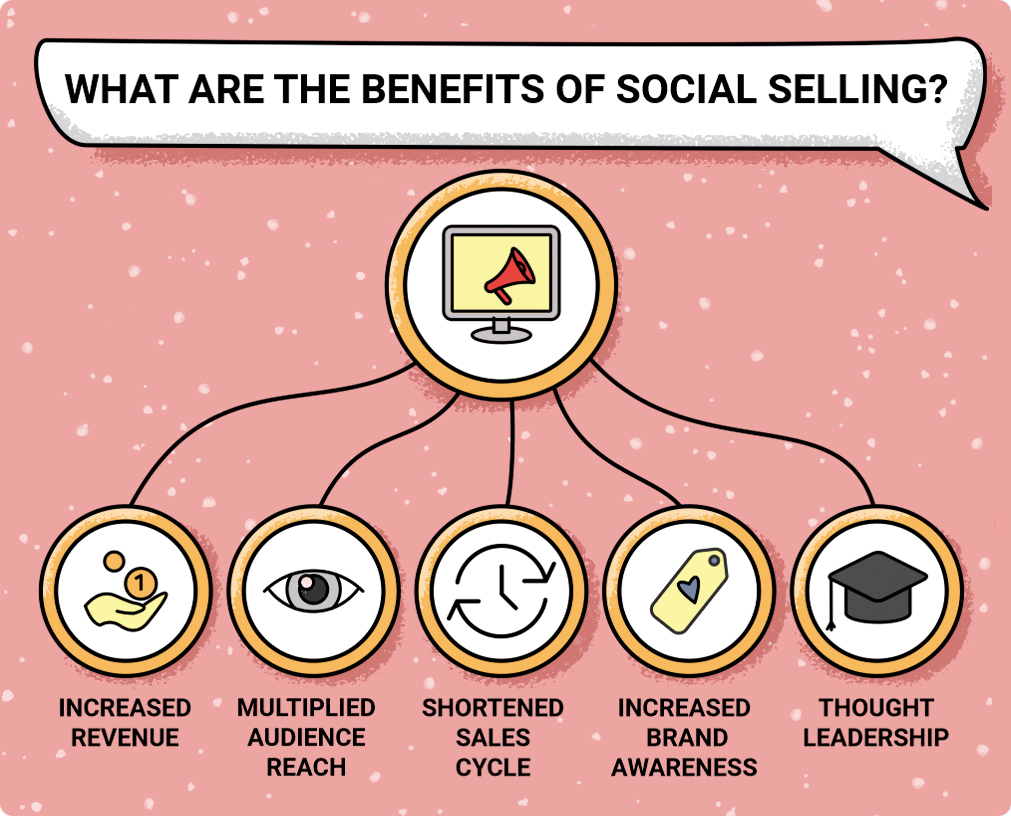
- Social selling
- Social selling is a lead-generation tactic where sales reps are active in their prospects’ social media spaces.
It aims to build trust so that when an ideal customer needs a product or service that your business sells, they think of you.
https://www.pipedrive.com/en/blog/sales-terms
- Sound bite
- Sound bites are small phrases that sales reps use to communicate simple matters to prospects. Usually, sound bites are answers to commonly asked questions or objections that make the rep’s life easier.
https://www.zendesk.com/blog/sales-terms/