This glossary is made for helping french students to communicate in English important vocabulary related to their field of study (Prehospital Emergency Care). This will help them in their career when they have to communicate in English with patients or with health care worker. This glossary contains 20 terms with images, definitions, translations, examples and pronunciations tutorial. For making the glossary, I used the glossary of Prehospital Emergency Care in the textbook Actively Engaged Online by Nicholas Walker. As a reader, I suggest that you to practice the pronunciation tutorial and to make connections with the definition and the example. This will help you a lot to master the vocabulary.
angina
noun
A condition marked by severe pain in the chest, often also spreading to the shoulders, arms and neck, caused by an inadequate blood supply to the heart.
Example: The pain was described by Mr as an " ANGINA -like central crushing chest pain.
fr: angine
arrhythmia
noun
A condition in which the heart beats with an irregular or abnormal rhythm.
Example: Reasons for the ARRHYTHMIA could be due to an electrolyte imbalance.
fr: arythmie
cardiac monitor
noun
A piece of electronic equipment for continual observation of the function of the heart.
Example: The doctor installs a cardiac monitor to observe the function of the heart of the patient.
fr: moniteur cardiaque
cerebral vascular accident
noun
A stroke, sometimes referred to as a cerebrovascular accident, is the rapid loss of brain function due to disturbance in the blood supply to the brain. This can be due to ischemia caused a blockage, or a hemorrhage.
Example: The patient was suffering from an intense headache that was caused by a cerebral vascular accident.
fr: accident vasculaire cérébral
combitube
noun
A blind insertion airway device used in the prehospital and emergency setting. It is designed to provide an airway to facilitate the mechanical ventilation of a patient in respiratory distress.
Example: The patient was in respiratory distress so the paramedic had to intubate him with a combitube.
fr: combitube
defibrillator
noun
An apparatus used to control heart fibrillation by application of an electric current to the chest wall or heart.
Example: The implantable cardioverter DEFIBRILLATOR has become the standard therapy for medicine when the patient's heart fibrillates.
fr: défibrillateur
diaphoresis
noun
Sweating, esp. To an unusual degree as a symptom of disease or a side effect of a drug.
Example: The patient was having diaphoresis by the activation of the sympathetic autonomic nervous system.
fr: diaphorèse
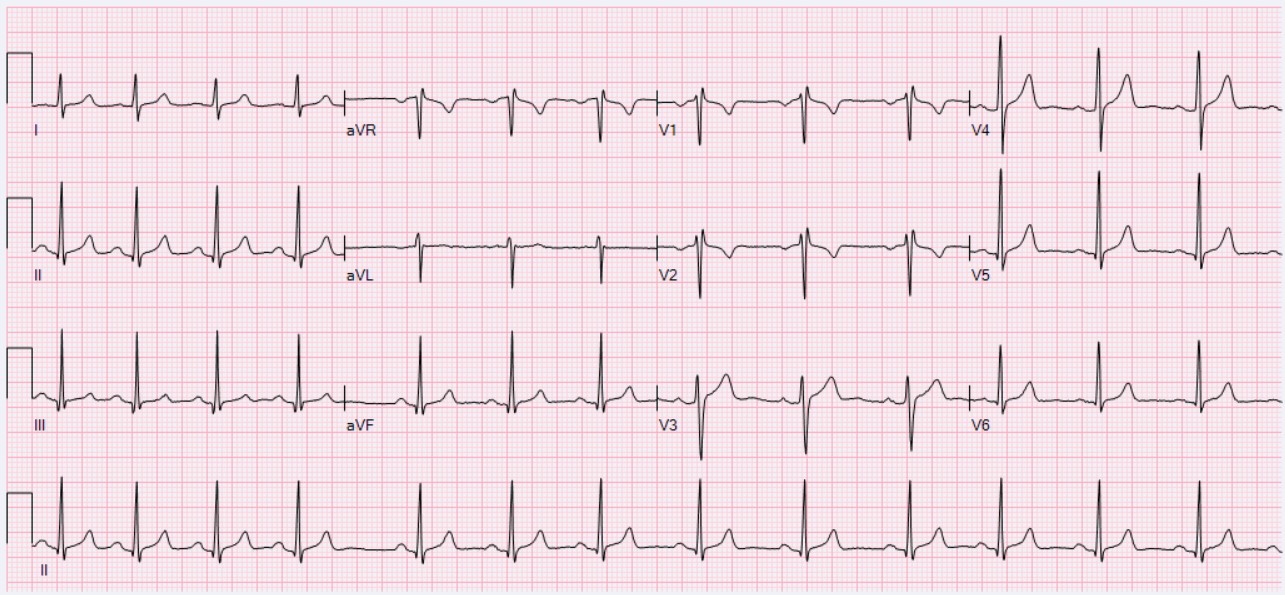
ECG
noun
An electrocardiogram measures heart activity.
Example: An ST-segment elevation shown in an ECG.
fr: ECG
edema
noun
A condition characterized by an excess of watery fluid collecting in the cavities or tissues of the body.
Example: Edema is one of the mechanisms of inflammation.
fr: oedème
epinephrine
noun
The commercial form of a hormone secreted by the adrenal medulla upon stimulation by the central nervous system in response to stress. It is used chiefly as a heart stimulant, to constrict the blood vessels, and to relax the bronchi in asthma.
Example: Epinephrine is given for a patient in anaphylaxis attack.
fr: épinéphrine
glucagon
noun
A hormone produced in the pancreas when glucose in the blood is low. It helps the body raise glucose levels.
Example: Respiratory failure would promote secretion of GLUCAGON cortisol and catecholamines.
fr: glucagon
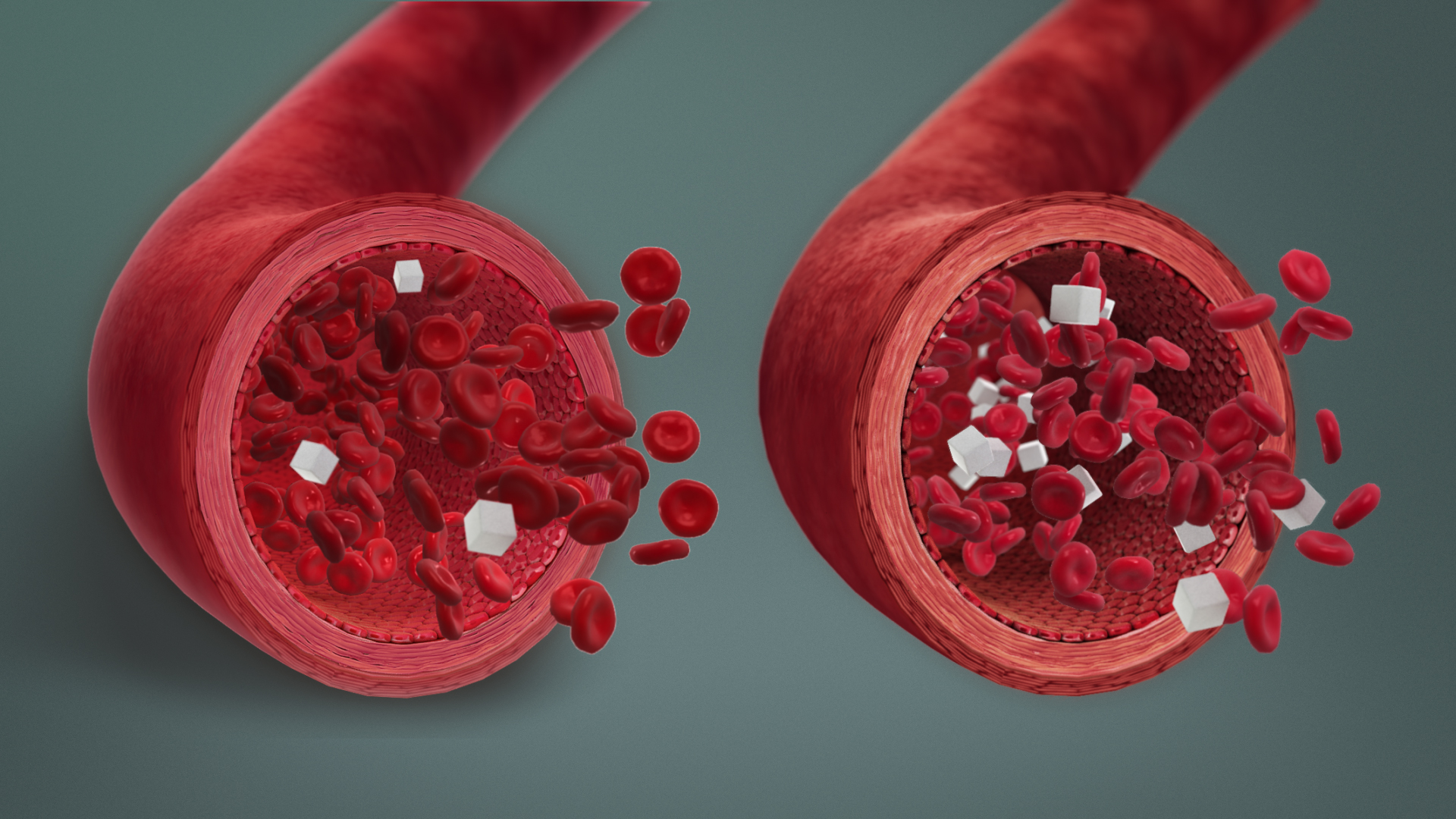
hypoglycemia
noun
Deficiency of glucose in the bloodstream.
Example: A patient can be in hypoglycemia when he haven't eaten for a long time.
fr: hypoglycémie
hypoxia
noun
Deficiency in the amount of oxygen reaching the tissues.
Example: This organism when exposed to HYPOXIA first maintains its oxygen uptake by breathing with a bigger amplitude and a higher frequency.
fr: hypoxie
nitroglycerin
noun
An explosive yellow liquid made by nitrating glycerol, used in explosives such as dynamite. It is also used in medicine as a vasodilator in the treatment of angina pectoris.
Example: Nitroglycerin can be given to a patient who is having a chest pain of cardiac origin.
fr: nitroglycérine
pneumothorax
noun
The presence of air or gas in the cavity between the lungs and the chest wall, causing collapse of the lung.
Example: No obvious ribs fractures or PNEUMOTHORAX was performed on the examination of the rib cage.
fr: pneumothorax
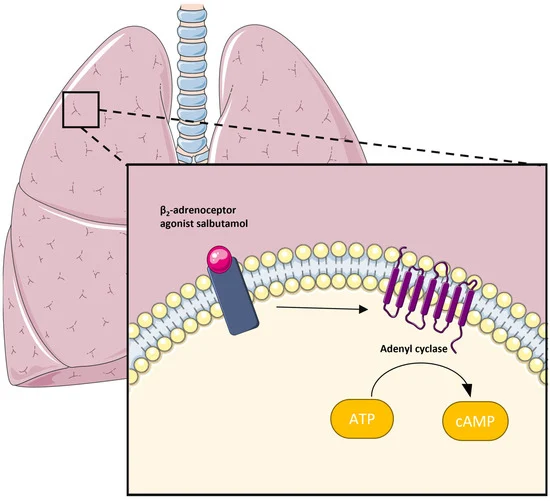
salbutamol
noun
A sympathomimetic agent used as a bronchodilator, especially in the treatment of asthma.
Example: Salbutamol is a β2 agonist bronchodilator.
fr: salbutamol
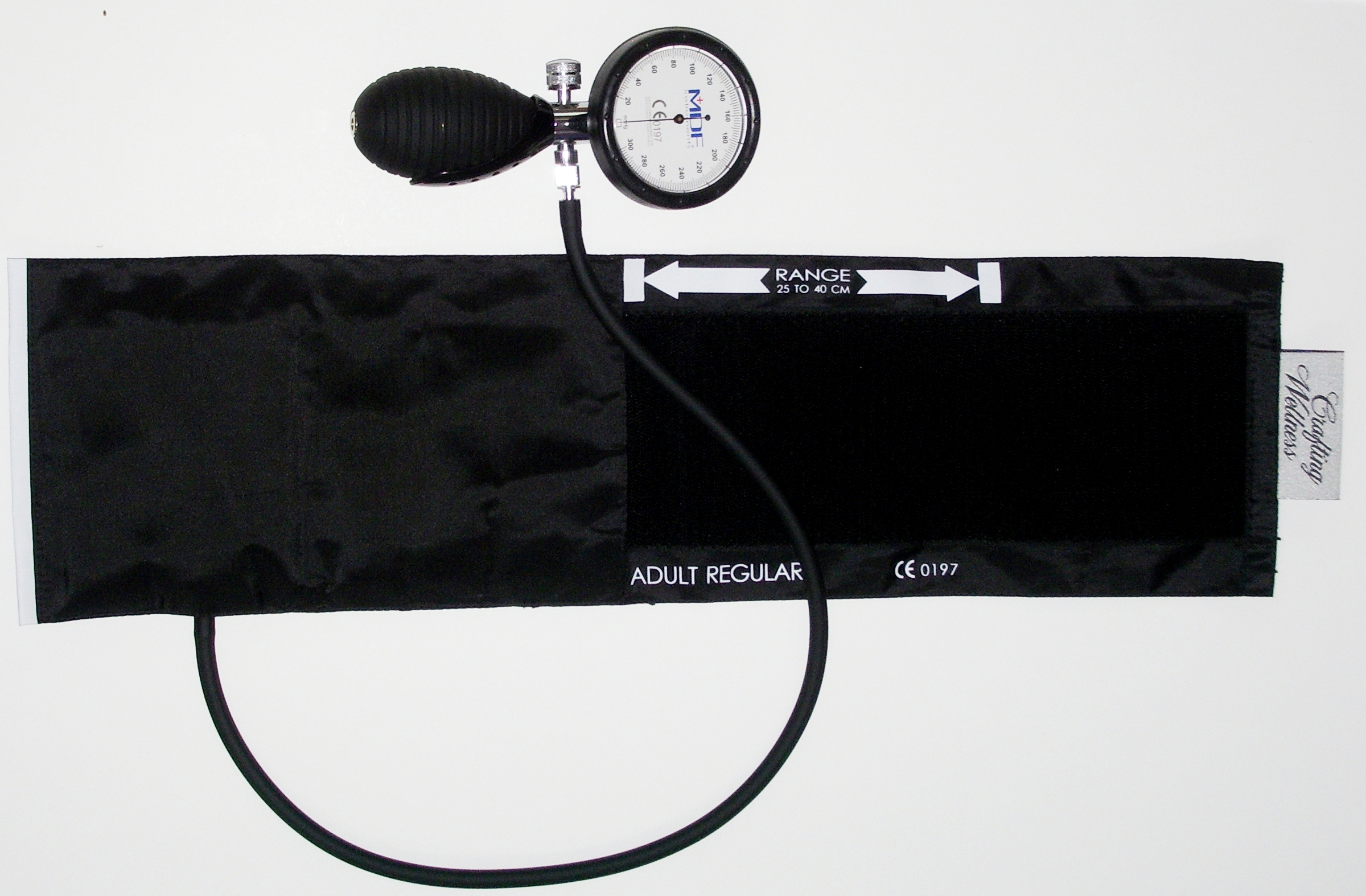
sphygmomanometer
noun
An instrument for measuring blood pressure and especially arterial blood pressure.
Example: A sphygmomanometer can be used for taking the first manual pressure.
fr: sphygmomanomètre
stethoscope
noun
An instrument used to detect and study sounds produced in the body.
Example: A stethoscope can be used to listen to the heart, the lungs and also the digestive's system.
fr: stéthoscope
tachycardia
noun
An abnormally rapid heart rate.
Example: The patient is having a tachycardia of 125 bpm.
fr: tachycardie
thrombus
noun
A blood clots formed in situ within the vascular system of the body and impeding blood flow.
Example: Thrombus can be related to atherosclerosis.