Hi, I’m Elias, and I’ve been playing sports more precisely soccer since I was 4 years old. This sports glossary is designed for everyone interested in enhancing their knowledge of sports and fitness. Sports are vital for maintaining health and well-being, and understanding key terms can significantly improve your training and performance. This glossary features 20 terms related to sports training. I compiled these terms based for the most part on my personal experience and found the definitions on the internet. When you've explored the glossary, I encourage you to use some terms and apply your knowledge to your sports training and fitness routines.
aerobic exercise
noun (phrase)
Prolonged activities that increase heart rate and breathing, like jogging, where the body can supply oxygen to the muscles.
Example: To improve her endurance and heart health, Sarah included aerobic exercises like cycling and swimming in her weekly fitness routine.
fr: exercice aérobique
agility
noun
The ability to move quickly and easily, often critical in sports requiring rapid direction changes.
Example: During the soccer match, Ben's agility allowed him to quickly change direction and evade defenders with ease.
fr: agilité
anaerobic exercise
noun (phrase)
Short bursts of intense activity where oxygen demand exceeds oxygen supply, such as sprinting.
Example: During his training, Mark incorporated anaerobic exercises like sprinting and heavy weightlifting to build muscle strength and improve his overall performance.
fr: exercice anaérobique
cardiovascular fitness
noun (phrase)
A measure of how well the body can deliver oxygen to muscles during prolonged physical activity.
Example: Running and swimming are great ways to improve cardiovascular fitness, helping to strengthen the heart and increase endurance over time.
fr: condition physique cardiovasculaire
coordination
noun
The ability to use different parts of the body together smoothly and efficiently.
Example: Gymnastics requires excellent coordination, as athletes must synchronize their movements with precision to perform complex routines.
fr: coordination
endurance
noun
denoting or relating to a race or other sporting event that takes place over a long distance or otherwise demands great physical stamina.
Example: To prepare for the marathon, Maria focused on building her endurance through long-distance running and interval training.
fr: endurance
explosive power:
noun (phrase)
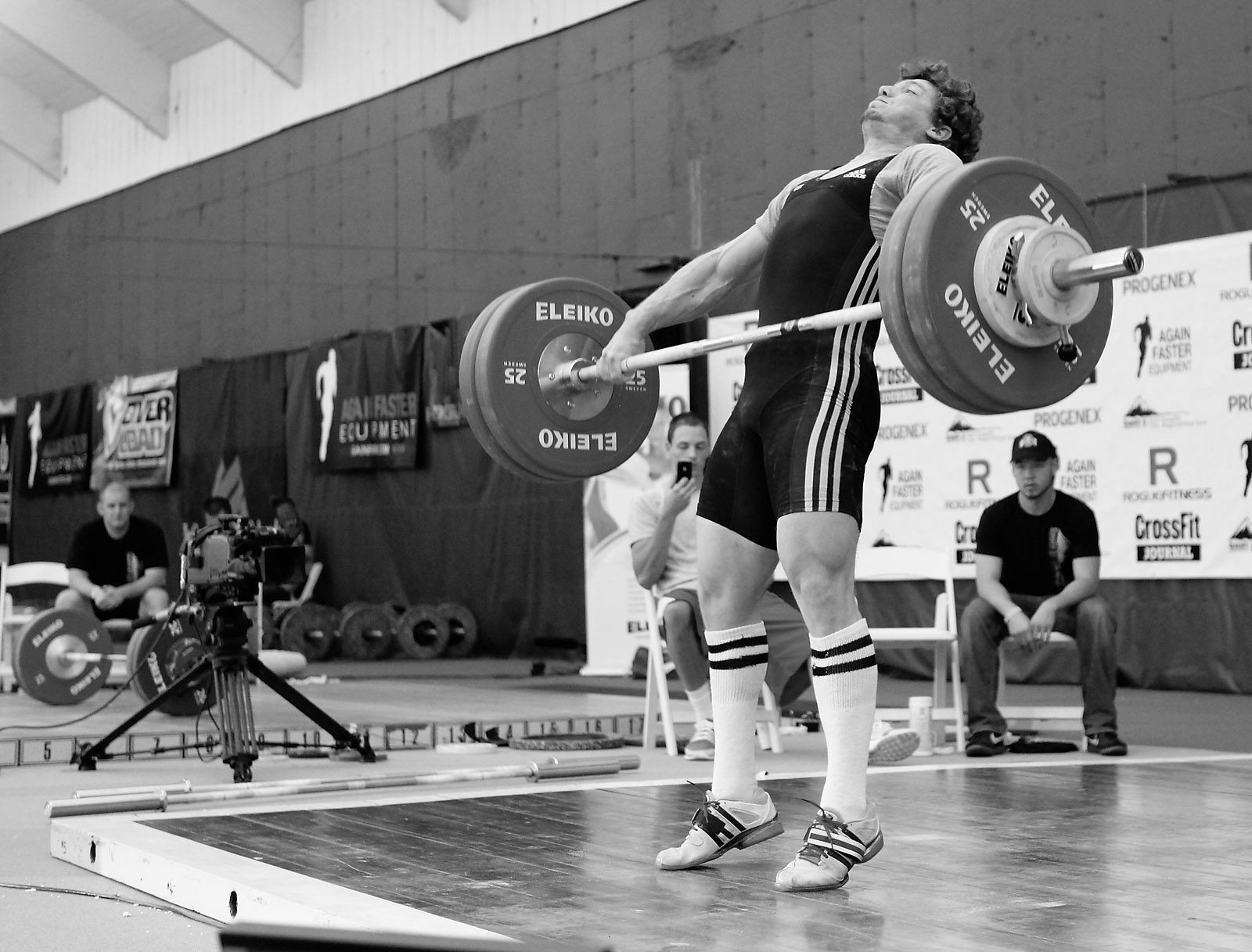
The ability to generate maximum force in a short amount of time.
Example: To excel in high-jump competitions, athletes need to develop explosive power, enabling them to generate maximum force in a very short amount of time.
fr: puissance explosive
flexibility
noun
The ability of muscles and joints to move through their full range of motion.
Example: Yoga has helped improve Lisa's flexibility, allowing her to move more freely and reduce the risk of injury during her workouts.
fr: flexibilité
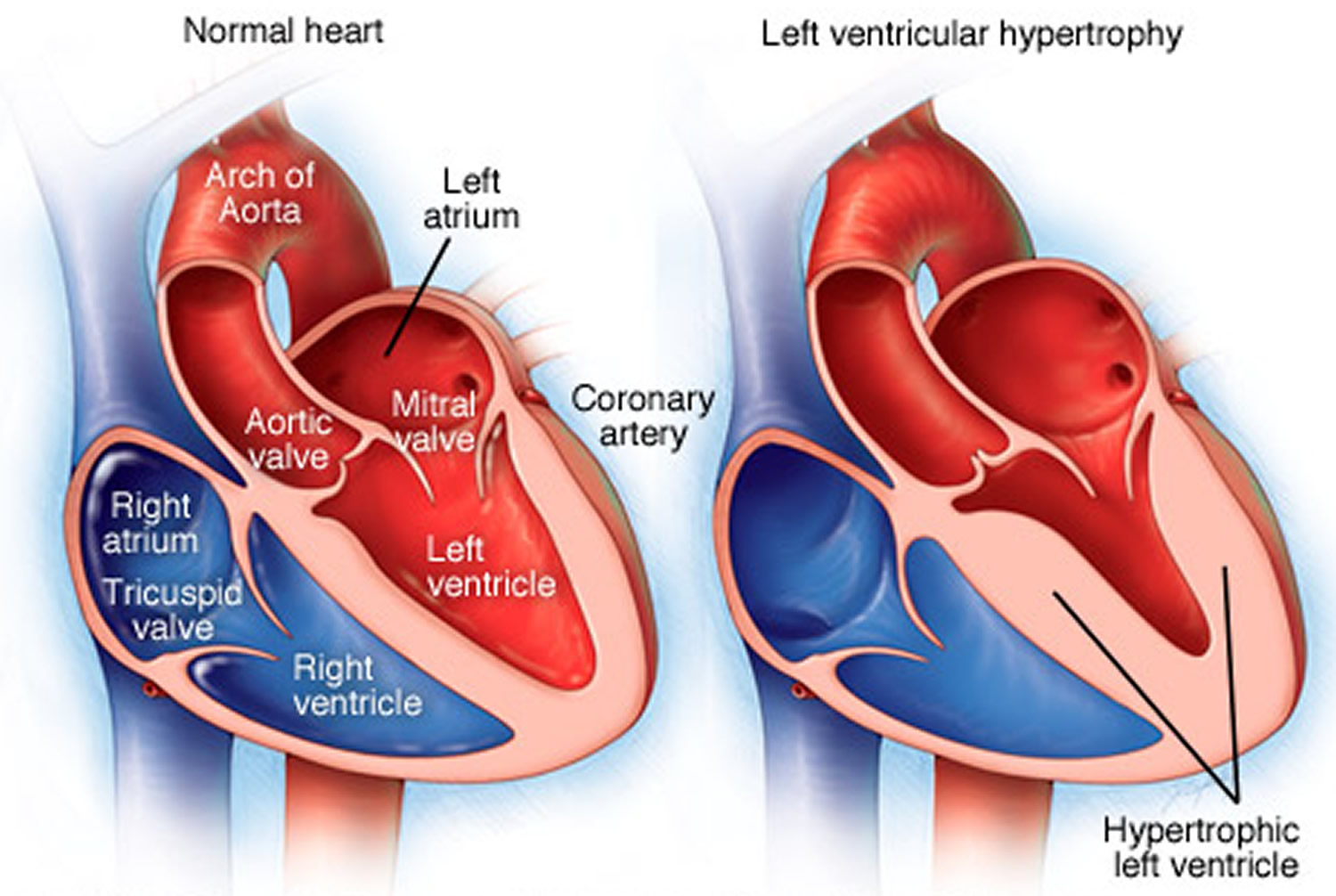
hypertrophy
noun
Excessive development of an organ or part.
Example: It often causes a considerable hypertrophy of the tissue.
fr: hypertrophie
isometric exercise
noun (phrase)
Exercises where muscles contract without changing length.
Example: Holding a plank is a common isometric exercise, where the muscles are engaged without changing length.
fr: exercice isométrique
isotonic exercise
noun (phrase)
Exercises where the muscle changes length as it contracts.
Example: Squats and bicep curls are examples of isotonic exercises, as they involve muscles changing length while contracting during the movement.
fr: exercice isotonique
lactic acid
noun (phrase)
A byproduct of anaerobic respiration that builds up in muscles during intense exercise, causing fatigue and discomfort.
Example: After finishing his sprint training, Tom felt a sharp burning sensation in his legs due to the accumulation of lactic acid.
fr: acide lactique
ligament tear
noun (phrase)
When ligaments are stretched fully and then encounter some form of impact or trauma.
Example: After the intense soccer match, Emily was diagnosed with a ligament tear in her knee, which would require several weeks of physical therapy to heal.
fr: déchirure ligamentaire
mobility
noun
The ability to move freely and easily, combining flexibility, strength, and coordination to perform dynamic movements.
Example: Improving mobility through dynamic stretches and joint exercises can enhance athletic performance and reduce the risk of injury.
fr: mobilité
overtraining
noun
Excessive training without sufficient rest.
Example: After weeks of intense workouts without proper rest, Emma experienced fatigue and muscle soreness, clear signs of overtraining.
fr: surentraînement
plyometrics
noun
Exercises designed to improve explosive power, often involving jumping or rapid movements.
Example: To improve his explosive power and agility on the basketball court, James incorporated plyometrics into his training routine, focusing on exercises like box jumps and lateral bounds.
fr: pliométrie
recovery
noun
A return to a normal state of health, mind, or strength.
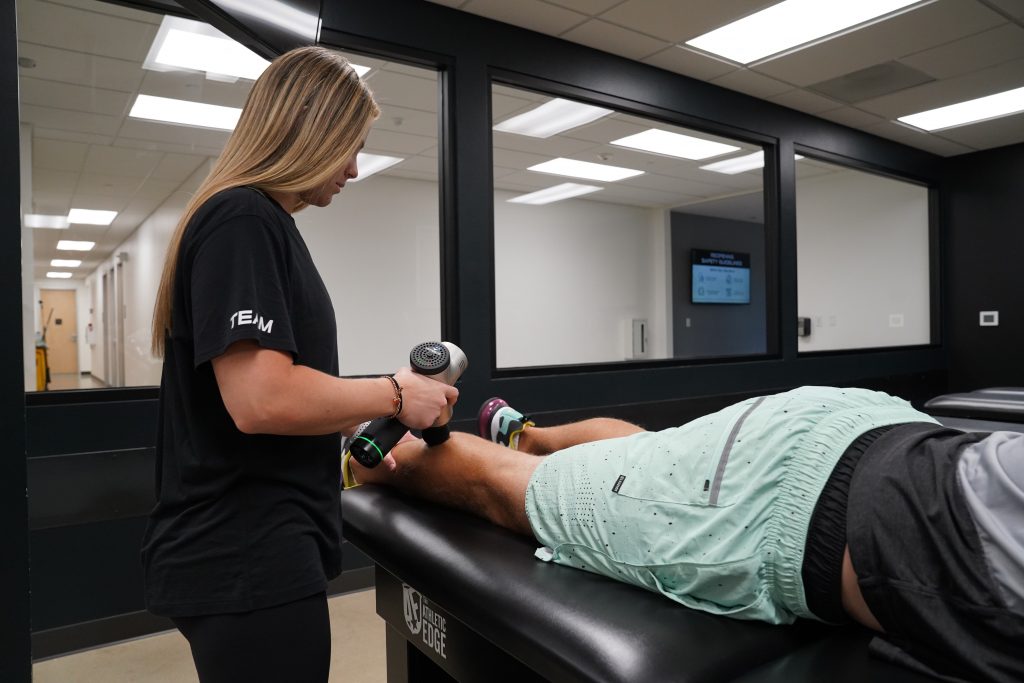
Example: After an intense workout, proper recovery is essential to allow muscles to repair and rebuild, ensuring optimal performance and reducing the risk of injury.
fr: récupération
speed
noun
The ability to move quickly across the ground or move limbs rapidly.
Example: During the final lap of the race, Jessica's speed allowed her to overtake her competitors and secure first place.
fr: vitesse
strength
noun
The capacity of a muscle or group of muscles to exert force against resistance.
Example: Consistent weightlifting and resistance training have significantly increased Sarah's strength, allowing her to lift heavier and improve her overall fitness.
fr: force
superset
noun
Performing multiples exercises back-to-back without resting in between.
Example: To maximize his workout efficiency, Alex performed a superset of bench presses followed by push-ups without resting in between.