Hi, my name is Maylise-Maya Bendifallah. I have been studying Social Science for 4 years now at Ahuntsic College. My field of study is psychology. I created this glossary to help my classmates and the future students of my program master important word of our field. These words will help them to learn the vocabulary of psychology.
cohort
noun
Group of people born a few years apart and exposed to the same historical and social conditions.
Example: The dual-system of vocational education is both massive and comprehensive in that around 70% of every age COHORT (16-19 year old) in Germany passes through it, with most courses offering of a rigorous training lasting three years.
en: cohorte
dream state
noun
A state of sleep characterized by rapid eye movement.
Example: While lying in the grass, the warmth of the sun was incredibly calming, and I fell into a dream state.
en: état de rêve
emotion
noun
An affective state of consciousness in which joy, sorrow, fear, hate is experienced.
Example: In comparison, Stephen sees the lyrical form as simply 'an instant of EMOTION' (p.233), similar to the emphasis on sensations and emotional states at the beginning.
en: émotion
frustration
noun
The feeling of being upset or annoyed because of an inability to change or achieve something.
Example: In it, Joyce 'tacitly acknowledges the undercurrents of anger, FRUSTRATION & helplessness that pervade Irish life.
en: frustration
lucid dreaming
verb
The view that conscious awareness of dreaming is a learnable skill that can enable dreamers to control the direction and content of their dreams.
Example: Then, he discovers lucid dreaming, where the brain realizes it is in a dream and can learn to control it.
en: rêve lucide
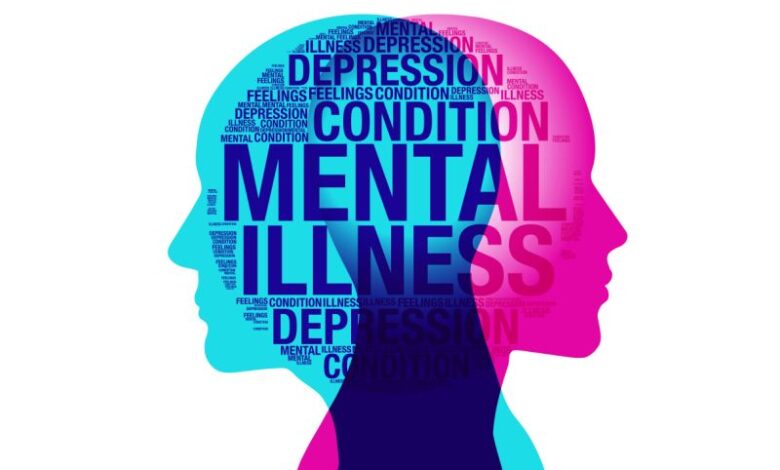
mental disability
noun
A mental anomaly that causes either suffering or an impaired ability to function in ordinary life, and which is not developmentally or socially normative.
Example: People with a physical or MENTAL DISABILITY experience conditions within the individual that are barriers to participation in occupations, because an external agent is doing the depriving.
en: handicap mental
mind
noun
The human consciousness that originates in the brain and is manifested especially in thought, perception, emotion, will, memory, and imagination.
Example: All these things rushed into my MIND, and I was filled with suspicion" It could be argued that although makeup was probably allowed, it did, like the above passage, create suspicion and fear of adultery when married.
en: esprit
narcissism
noun
It is used to describe a person characterized by egotism, vanity, pride, or selfishness.
Example: It is these severe psychological disorders which cannot be treated by a strictly behavioral approach - although behaviour modification can help with some effects, there are no effective therapies for NARCISSISM itself (Young, 1990).
en: narcissisme
observation
noun
The action or process of observing something or someone carefully or in order to gain information.
Example: He rejected armchair anthropology and invented modern fieldwork methods using the native language in participant OBSERVATION.
en: observation
paranoia
noun
A mental condition characterized by delusions of persecution, unwarranted jealousy, or exaggerated self-importance, typically elaborated into an organized system.
Example: A person's race may result in them being persecuted by the homogeneous group in society and this could be a cause of PARANOIA and distress.
en: paranoïa
personality
noun
The sum total of all behavioural and mental characteristics by means of which an individual is recognized as being unique.
Example: Thus, Luther was hugely important in both initiating the Reformation and maintaining it in its infancy, both in terms of his ideas which had great resonance for the German people, and with his PERSONALITY - especially the deliverance of his speeches which made him such an attractive leader.
en: personnalité
phobia
noun
An extreme or irrational fear of or aversion to something.
Example: The concept of neurosis was replaced by new diagnoses of panic disorder, generalized anxiety disorder, social PHOBIA and post-traumatic stress disorder.
en: phobie
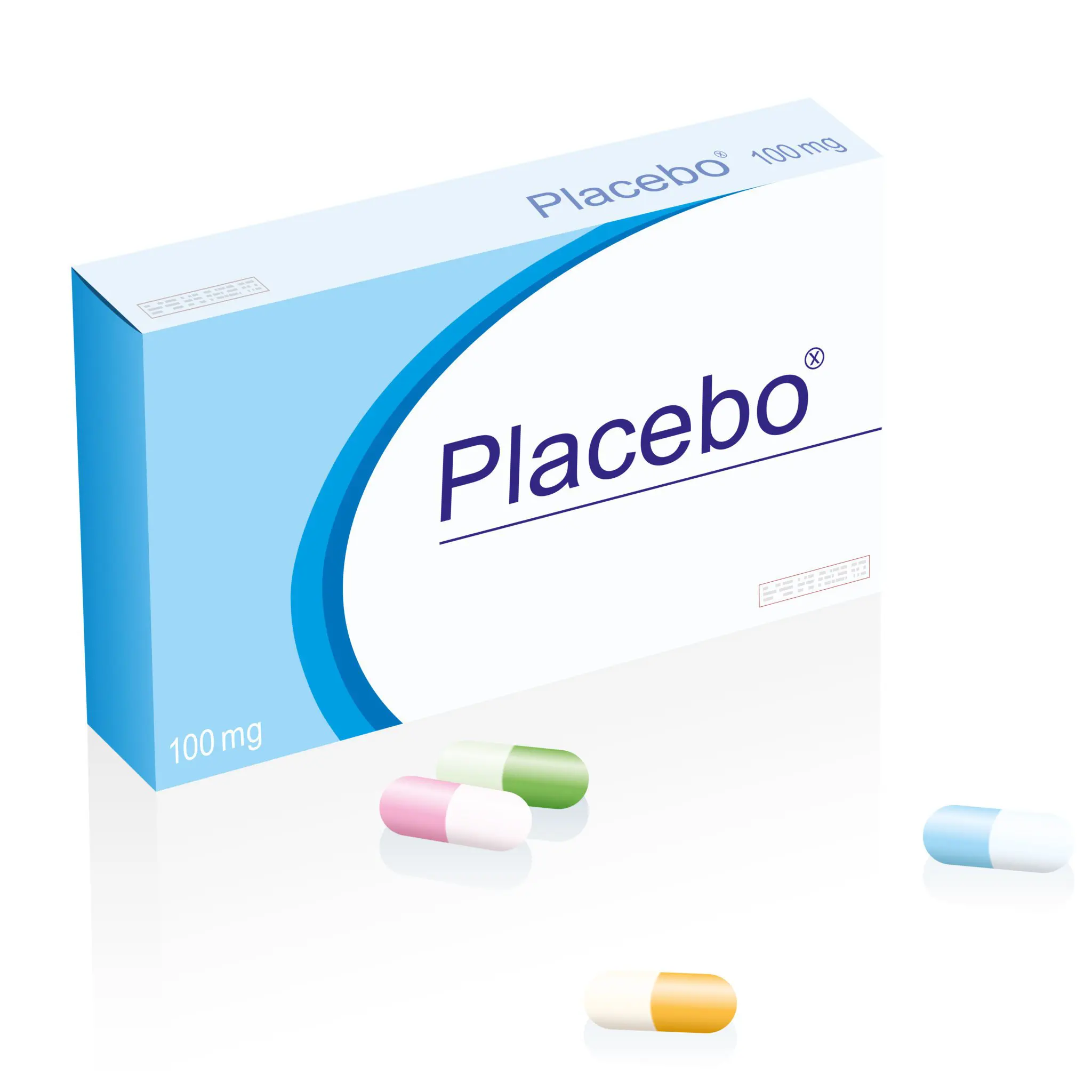
placebo
noun
A stimulated or otherwise medically ineffectual treatment for a disease or other medical condition intended to deceive the recipient.
Example: Medical treatment (thrombolytic) : In patients with an ischemic stroke, thrombosis versus the PLACEBO has been shown in systematic reviews to significantly reduce the combined outcome of risk of death or dependency after a period of 1-6 months post-infarction.
en: placebo
psychologist
noun
A specialist in psychology.
Example: An outcome is currently being seen in the outpatient clinic on a 3 monthly basis. has not yet been seen by a PSYCHOLOGIST but has been actively reading self-help books to gain a greater understanding of her problems.
en: psychologue
psychology
noun
The scientific study of all forms of human and animal behaviour, sometimes concerned with the methods through which behaviour can be modified.
Example: Informant one is a PSYCHOLOGY student, and so I think she is already aware of the concept of gender and the fact that it is a socially constructed idea.
en: psychologie
psychosis
noun
A severe mental disorder in which thought and emotions are so impaired that contact is lost with external reality.
Example: Observed problems in people with damage to this area include disjointed behavior and confusion, PSYCHOSIS, and hallucinations.
en: psychose
punishment
noun
The infliction or imposition of a penalty as retribution for an offense.
Example: For example, positive sanctions may include, awards, fame, decoration, and negative sanctions: PUNISHMENT, bad reputation.
en: punition
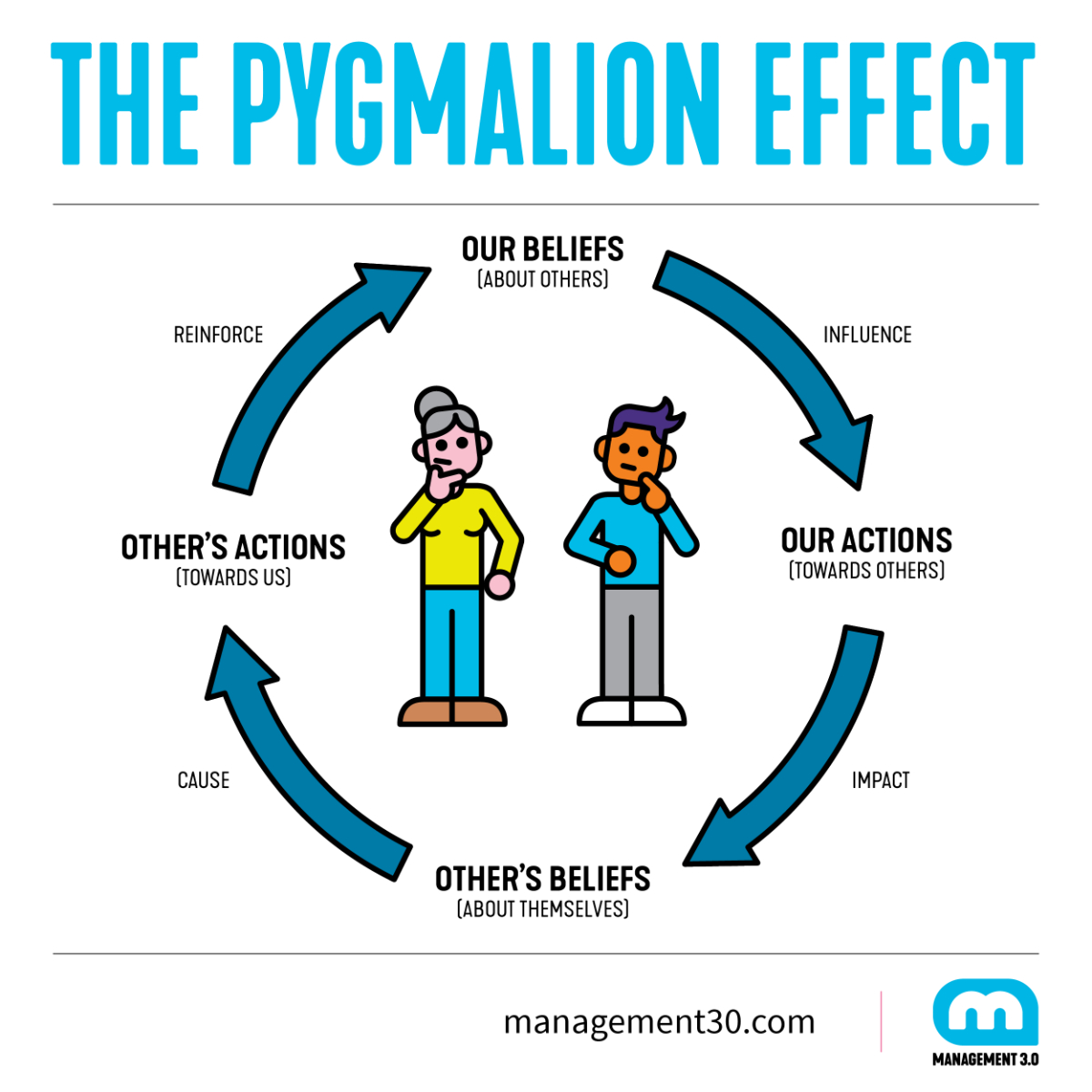
pygmalion effect
noun
The phenomenon in which the greater the expectation placed upon people, the better they perform.
Example: When I'm at my event and want to motivate several hundred people to do something. They think is basically impossible, I use the power of the Pygmalion effect.
en: effet pygmalion
schizophrenia
noun
A long-term mental disorder involving faulty perception, inappropriate actions and feelings, and withdrawal from reality and social relationships.
Example: There has been links made between children who were unpopular at school and a later development of SCHIZOPHRENIA.
en: schizophrénie
self-esteem
noun
Confidence in one's own worth or abilities; self-respect.
Example: Implicit social cognition: Attitudes, SELF-ESTEEM, and stereotypes.
en: estime de soi
slip of the tongue
noun phrase
A mistake in speaking where one word is substituted for another.
Example: This I can only presume relates to the rhythmic relationship between certain words, for example 'hip-hop' and 'flip-flop', it is also possible that a SLIP OF THE TONGUE meant the subject was intending to say 'chip-shop'.
en: lapsus de langue
social norm
noun
Socially accepted rules of behaviour and conduct which are prescribed by society and expected of an individual by that society.
Example: This has always been done in Bunyoro society to maintain good a relationship between neighbours and to not offer food or to refuse food would be viewed as breaking the SOCIAL NORM and therefore being extremely rude.
en: norme sociale
stress
noun
A state of mental or emotional strain or tension resulting from adverse or very demanding circumstances.
Example: Training with the caretaker may reduce STRESS during handling by the use of positive reward techniques to modify behaviour avoiding the use of intrusive technology or isolation (Balls et al., 1988).
en: stresser
therapy
noun
The treatment of disease or disorders, as by some remedial, rehabilitative, or curative process.
Example: As mentioned above in the 'Problems in Teamwork' section, there was also a lack of availability of THERAPY team members in the special school.
en: thérapie
withdrawal
verb
Estrangement and isolation from others.
Example: In contrast, emotion-focused coping, and in particular the use of avoidant strategies, which involve denial and WITHDRAWAL and divert attention away from the realities at hand, is generally associated with psychological stress, maladjustment and behavioural and social dysfunction (Felton & Revenson, 1984).
:max_bytes(150000):strip_icc()/GettyImages-10194740-58b885703df78c353cbe18bc.jpg)







:max_bytes(150000):strip_icc()/what-is-personality-2795416_sketch-5b63480c46e0fb00250e38b2.png)




:max_bytes(150000):strip_icc()/positive-symptoms-in-schizophrenia-2953124-5d9769edb6ae4fa38284442f850315e1.png)





:max_bytes(150000):strip_icc()/what-is-withdrawal-how-long-does-it-last-63036-Final-c41a8e50c2b54216b93f7d4a74a073bd.png)