Sales and marketing glossary
Sales and marketing glossary
20 Sales and marketing terms
I made this glossary in order to discover new words in my field of studies.
- Anchor Text
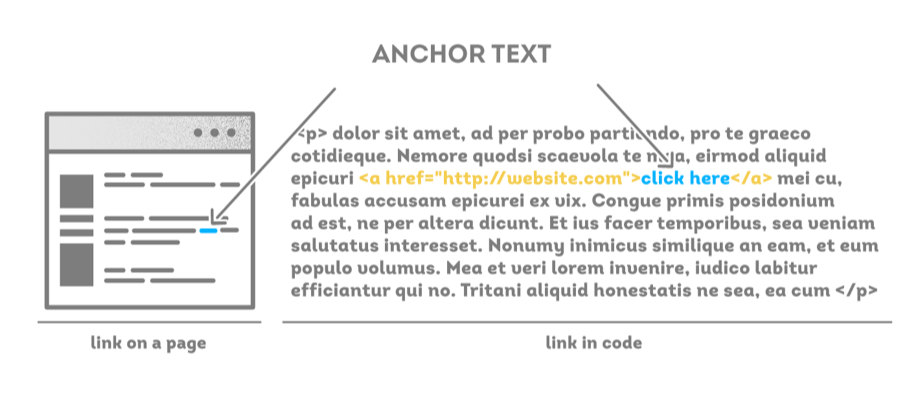
- The wording of a link on a website, in an email, or within another digital asset. One example of anchor text is “read more.” Anchor text is an important part of the user experience. You want your users to be clear on where your links are going and be satisfied that the destination is what they expected. Search engines also take your anchor text into account when they rank your site pages for relevance.
- Audience Segmentation
- A marketing strategy based on identifying subgroups within the target audience in order to deliver more tailored messaging for stronger connections. The subgroups can be based on demographics such as geographic location, gender identity, age, ethnicity, income, or level of formal education. Subgroups can also be based on behavior such as purchases made in the past. Psychographics come into play when you have access to insights about your audience’s values, attitudes, and beliefs.

- BIMI
- Brand Indicators for Message Identification (BIMI) is an emerging security technology that helps authenticate your email marketing and builds trust with your customers. BIMI works with DKIM, SPF, and DMARC protocols to protect your domain from being used by malicious actors to send fraudulent email. It causes your logo to appear right next to your messages in a user’s inbox, so that your contacts and their email service will know these emails are really from you or your business.
- Bounce Rate
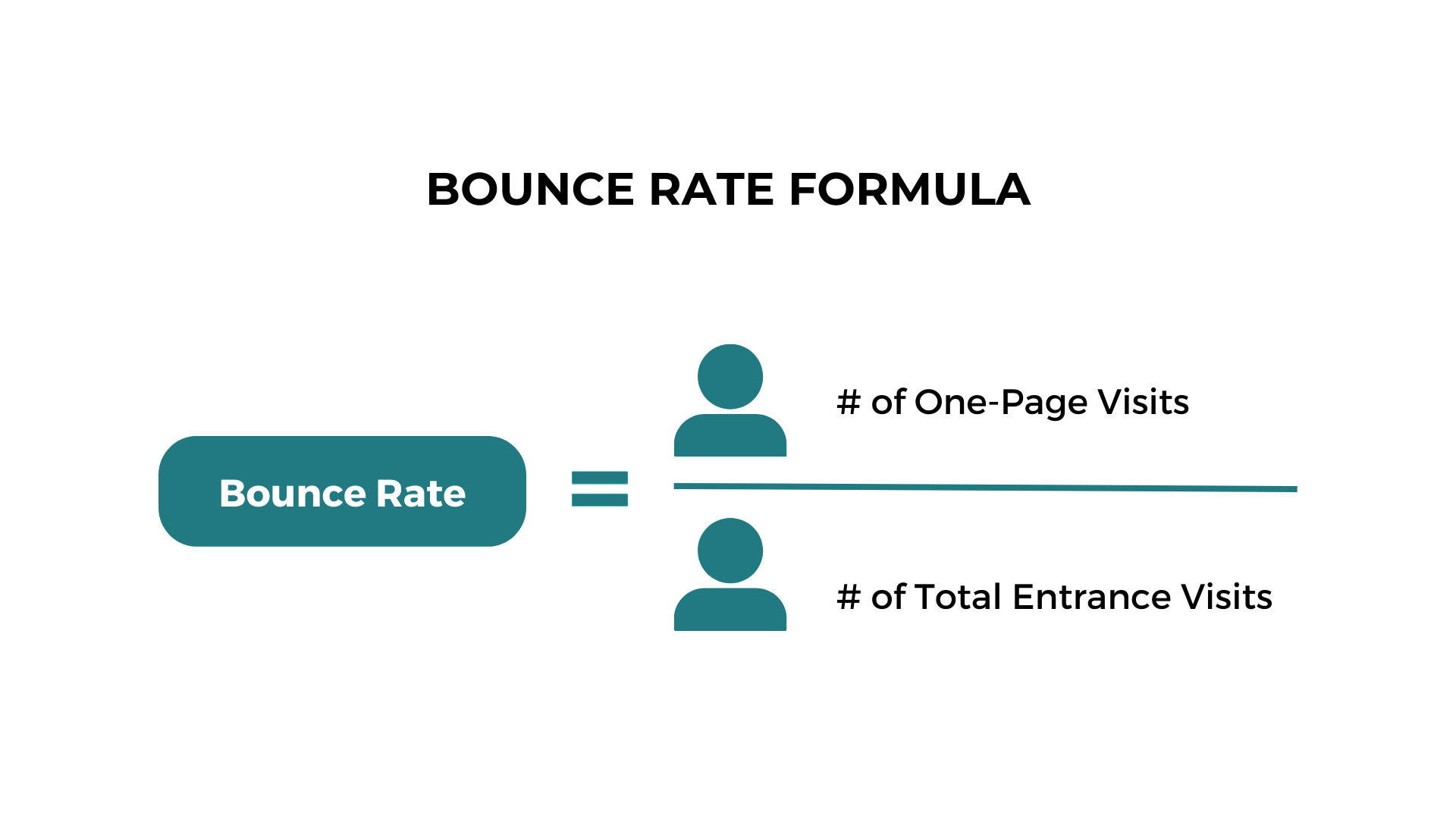
- The percentage of visits to your website where only 1 page was viewed. When we say users "bounce," we mean they viewed a page of your site or a landing page but didn’t engage further. They didn’t click on links or view more pages. There are many methods for improving your pages so more users stick around. An offer, call to action (CTA), ad copy, and design can all be optimized through A/B testing.
- Buyer Behavior
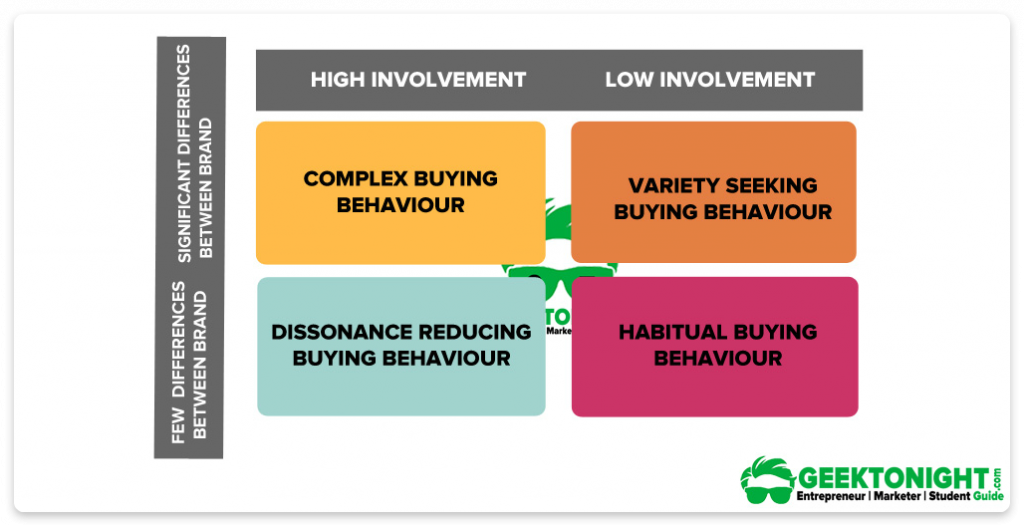
- The ways a consumer identifies, considers, and chooses products and services. Buyer behavior is often influenced by the consumer's needs, desires, aspirations, inhibitions, role, social and cultural environment.
- Contact Form
- A page on a website that contains a brief questionnaire that allows users to provide information about themselves and indicate an interest in being contacted about your products or services. Common form fields are first name, last name, email address, and area of interest. Essential elements of a contact form are a statement confirming the user is giving you permission to make contact and a link to your privacy policy.
- CPM
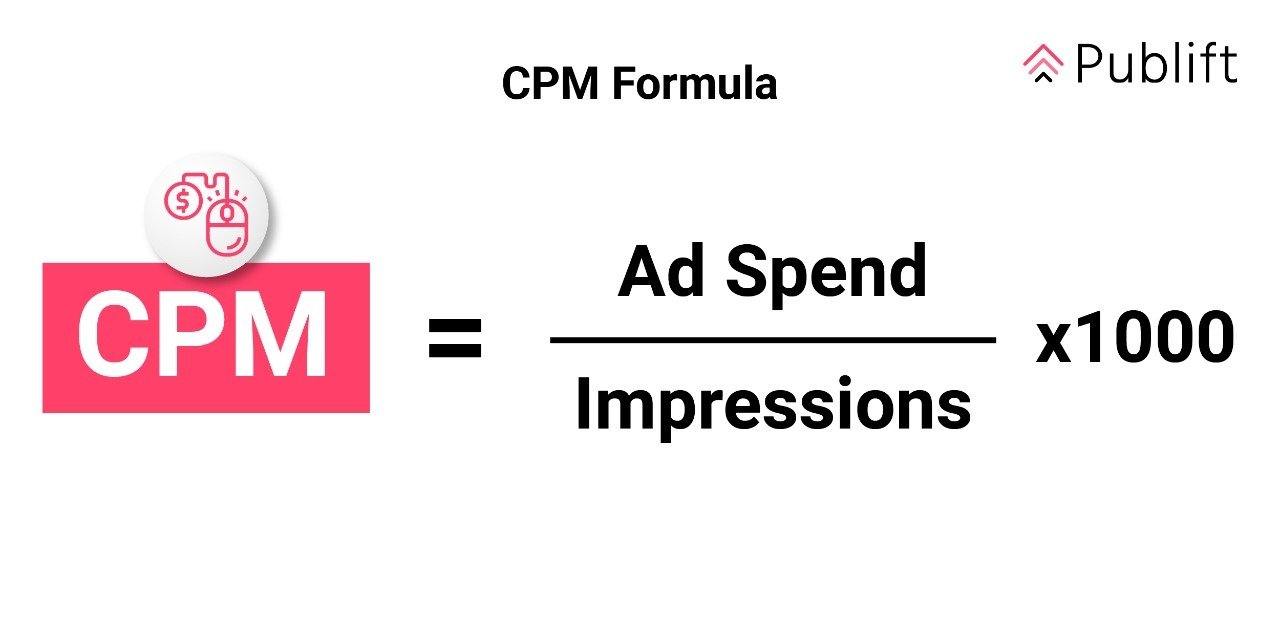
- Cost per thousand impressions of an online ad. When an ad is served to a user, it’s counted as an impression. If an ad network charges you $1,000 for delivering 1 million impressions, your CPM is $1. A CPM model can be a good strategy if your campaign goal is to raise awareness of your brand. If your campaign goal is to increase user interaction with your brand or prompt users to take a specific action such as signing up for a loyalty program, a cost-per-click (CPC) model may be a better choice.
- Customer Acquisition Cost (CAC)
- Customer acquisition cost (CAC) is the amount of money a company spends to get a new customer. It helps measure the return on investment of efforts to grow their clientele. CAC is calculated by adding the costs associated with converting prospects into customers (marketing, advertising, sales personnel, and more) and dividing that amount by the number of customers acquired.

- Distribution Channel
- The path a product or service takes as it travels from where it is created to the person who will use it. In marketing, distribution channels are typically broken into business-to-business (B2B) and business-to-consumer (B2C). B2B deals with the interactions between companies to create products, while B2C focuses on how products get to the people who actually use them. For example, a business may sell directly to a customer, or it may sell to a retailer who in turn sells to the end user.
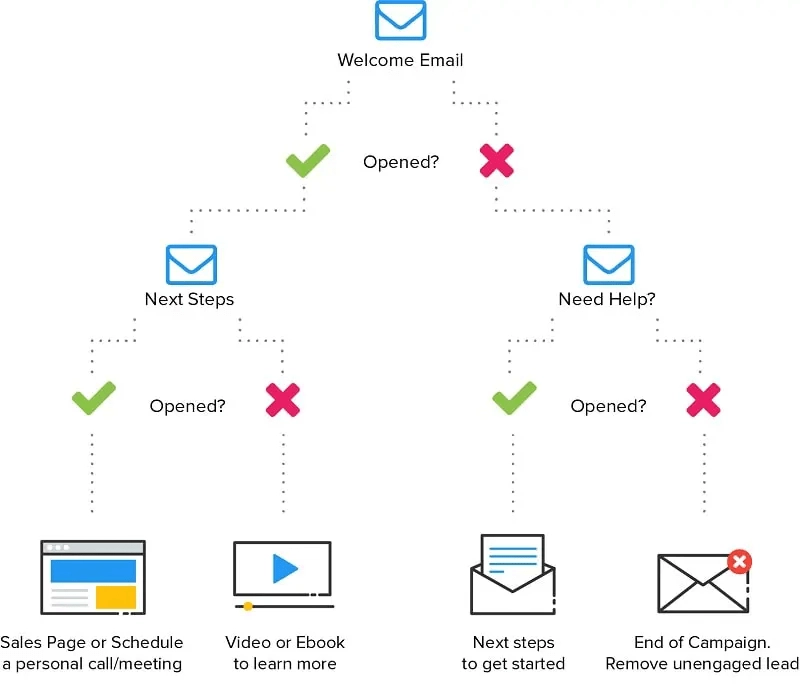
- Drip Campaign
- A series of automated emails sent to people who take a specific action. For any given action, you can choose how many emails to send and the rate at which to send them. These emails can be personalized with data like the contact’s name, and specific references to the action they took. You might send a drip campaign to someone who signs up for your online course, for example. Or you could send a drip campaign to people who add an item to their online cart without buying it.
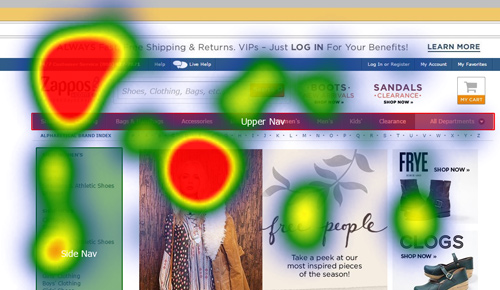
- Eye Tracking
- Measuring and recording the movement of eyes as they look at a web page. In digital marketing, eye tracking is often used to figure out what parts of a web page or email people look at first or spend the most time looking at, which is often displayed as a heat map. Marketers use this data to strategically place elements, such as call-to-action buttons, where they are most likely to be seen and clicked on.
- KPI
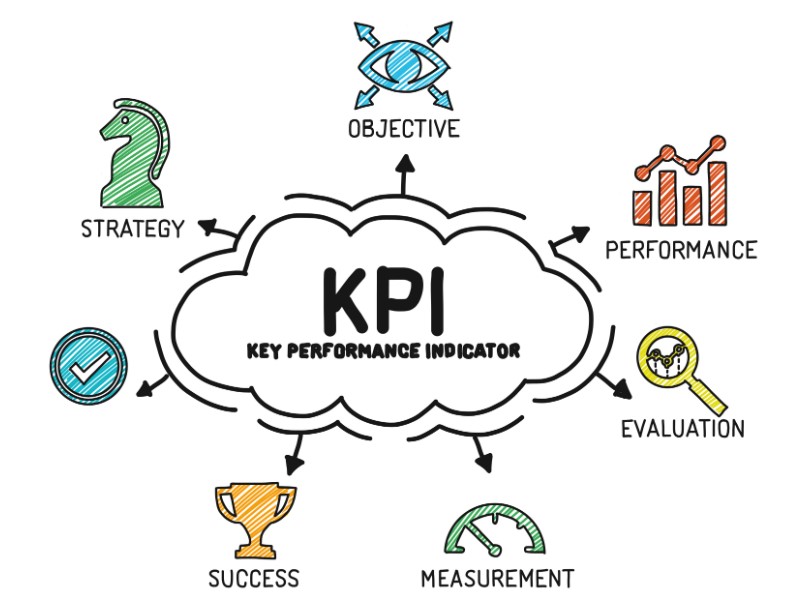
- Key performance indicators (KPIs) are quantifiable measures that help businesses evaluate their progress toward achieving important objectives. Although different businesses use different metrics, KPIs are always central to understanding how your company is performing and how you can improve that performance.
- Margin
- The difference between a product or service's selling price and the cost of production.
:max_bytes(150000):strip_icc()/margin-Final-872dda45cc4243cc958fe841e452a1b0.jpg)
- Market Share
- The percentage of the market for your product or service that you want to capture. The formula for market share is: a company’s sales / industry sales over the same time period. To improve market share, companies may focus on strengthening customer loyalty or innovating products and services. They may also buy key competitors.
- Marketing Collateral
- Digital or print materials that accompany a primary advertising campaign. Before the internet, “collateral” was practically synonymous with “brochures” that supported traditional TV commercials, such as a savings account brochure from your local bank branch. Today, “collateral” can refer to any printed or digital piece that supports and extends a campaign. Common digital collateral includes websites, landing pages, and banner ads.
- Narrowcasting
- Sending a media message to a highly targeted audience. The opposite of broadcasting, narrowcasting is also considered a form of niche marketing. Narrowcasting has been around since the days of radio. In modern practice, it spans traditional direct mail, TV, email marketing, paid search, online video, and in-person event marketing. Trade shows can also be a particularly valuable forum for business-to-business (B2B) marketing.
- Product Lifecycle
- The stages a product goes through during its time on the market. There are 4 stages: introduction, growth, maturity, and decline. The stage your product is in helps inform your marketing objectives and promotional mix. For example, raising awareness of a new product may be more important than raising awareness of a mature product.
- Redirect
- Sending a user to a different web page than the one they requested with a URL. Redirects send readers to a new page if content has been moved or an older page has been deleted. This helps prevent 404 errors. They can allow people to type in short, easy-to-remember URLs rather than complicated URLs with many slashes and hyphens.
- Referral
- When a website sends traffic to another website. Tracking referrals can help you understand how people find your website without using a search engine. For example, if you put links to your website in your social media posts on Facebook and Twitter, these sites would be listed as a source of referral traffic. Referrals can also come from websites that posts news articles, reviews, and other industry-relevant content.
- Unique Visitors
- The number of individuals who visited your website in a defined amount of time. This is often compared to visits, which is the number of times your website was accessed during a set period. If 2 people went to your website 10 times in a day, you would have 20 visits and 2 unique visitors. Repeat visits are important because they could be a sign of loyalty or a response to an abandoned cart email.