This glossary is to explain 20 different words in my future field of study, geology.
acidity
noun
The level of acid in substances such as water, soil, or wine.
Example: This is because during heating, some water dissociates to form hydrogen ions, which increases ACIDITY.
en: acidité
Biology
Noun
The study of living organisms, divided into many specialized fields that cover their morphology, physiology, anatomy, behavior, origin, and distribution.
Example: Invasiveness of some biological control insects and adequacy of their ecological risk assessment and regulation: Population BIOLOGY of invasive species.
en: Biologie
Chemistry
Noun
the branch of science that deals with the identification of the substances of which matter is composed; the investigation of their properties and the ways in which they interact, combine, and change; and the use of these processes to form new substances.
Example: Living radical polymerisation is a popular topic in macromolecular CHEMISTRY, as well as CHEMISTRY in general due to its applications in the materials industry.
en: Chimie
crevasse
noun
A deep crevice or fissure (as in a glacier or the earth).
Example: Deep as a crevasse inside the earth.
en: crevasse
Earth
Noun
The substance of the land surface; soil.
Example: One of Libby's initial assumptions that he based radiocarbon dating on was that the percentage of carbon 14 in the EARTH's atmosphere has always remained the same- this turned out to be untrue.
en: Terre
Evolution
Noun
The process by which different kinds of living organisms are thought to have developed and diversified from earlier forms during the history of the earth.
Example: How Two Geologists Changed Our Understanding of Human EVOLUTION.
en: Évolution
Geology
Noun
The science that deals with the earth's physical structure and substance, its history, and the processes that act on it.
Example: The slowest moving, 'man in his relationship to the environment', was geographical time, the 'almost imperceptible' shifting of GEOLOGY and climate, entailing examination of communications and limits of production.
en: Géologie
internet
noun
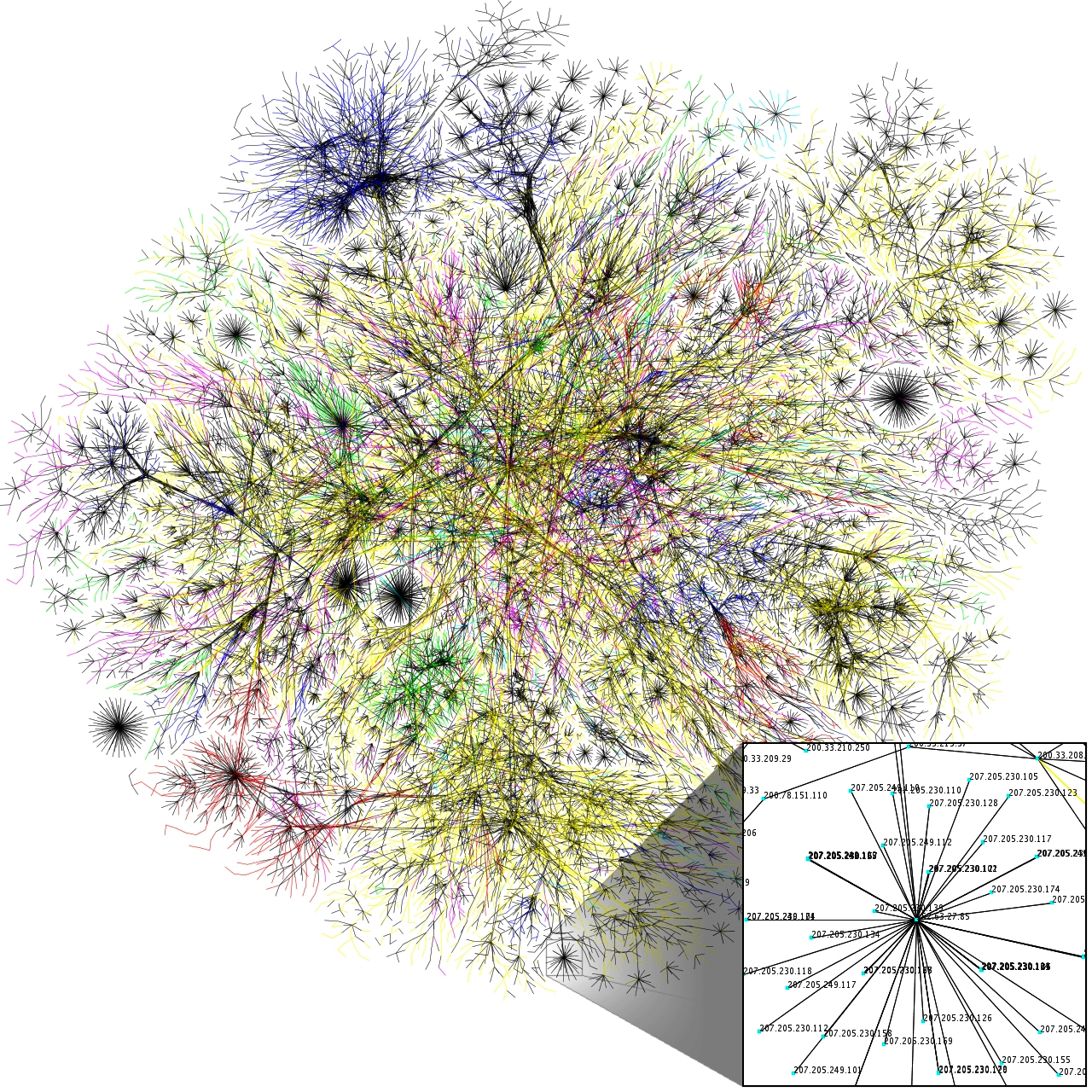
An electronic communications network that connects computer networks and organizational computer facilities around the world.
Example: Technology has moved on greatly to the current day situation of more businesses communicating to both customers and suppliers through e-mail and the INTERNET.
en: Internet
Laboratory
Noun
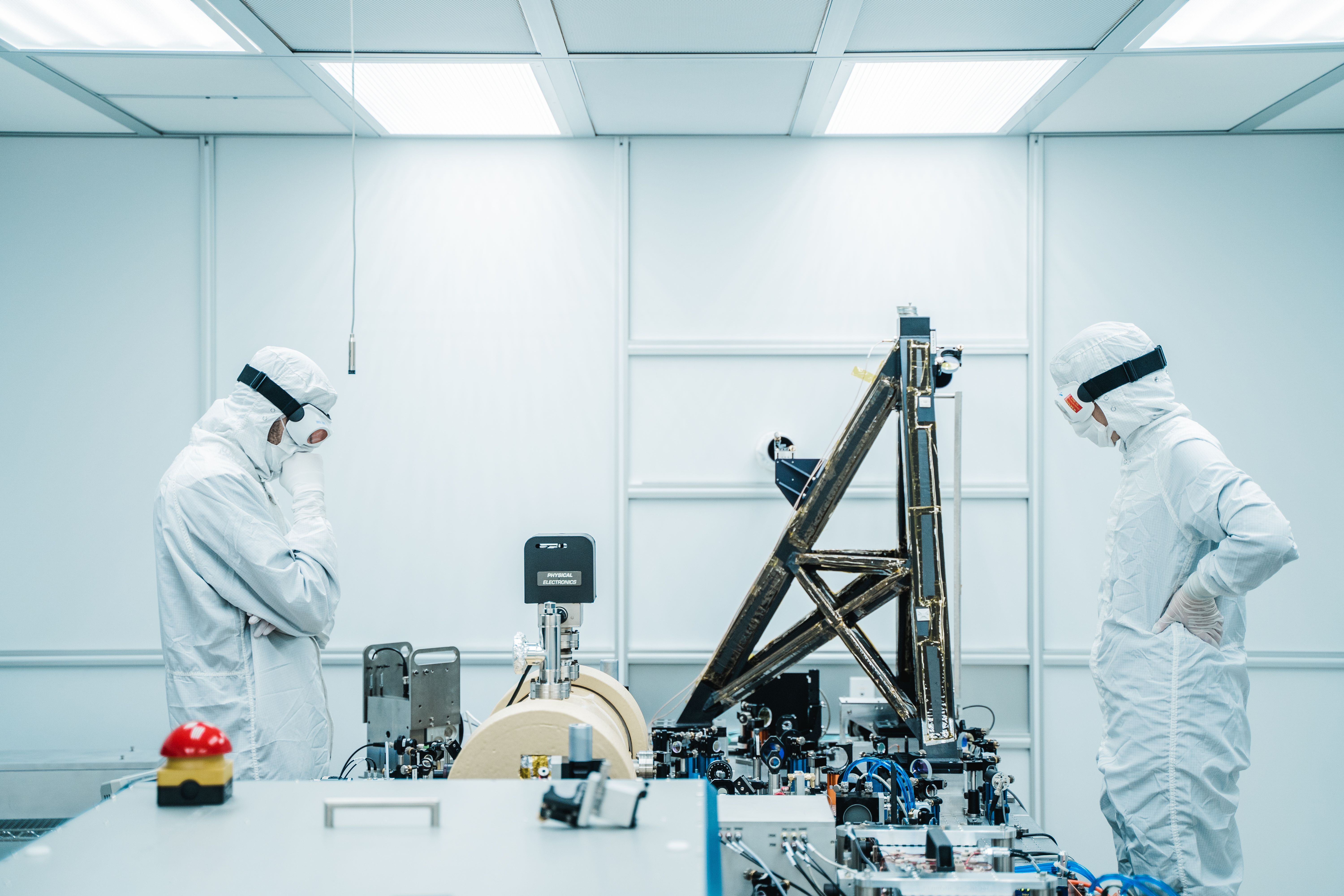
A room or building equipped for scientific experiments, research, or teaching, or for the manufacture of drugs or chemicals.
Example: Contamination before sampling can be caused by ground water depositing 14 C deficient minerals, and after sampling contamination can occur by the addition of paper or cardboard in a sample or even the addition of modern mud, these can be corrected at the LABORATORY.
en: Laboratoire
learning
verb
The acquisition of knowledge or skills through experience, study, or by being taught.
Example: LEARNING can be defined as the competence-building acquisition of knowledge, capacities, and skills. It takes place not only intentionally (intentional LEARNING) but also incidentally (functional or "en passant" LEARNING), and not only in the institutional context of a school, training facility, university, etc. (formal LEARNING), but also in real-life practice (informal LEARNING).
en: apprendre
litology
noun
The study of rocks.
Example: Earth has his own science; the litology.
en: litologie
Minerals
Noun
A solid inorganic substance of natural occurrence.
Example: Iron and Magnesium - two of the most important MINERALS.
en: Minéraux
Mountains
Noun
A large natural elevation of the earth's surface rising abruptly from the surrounding level; a large steep hill.
Example: It would help to finally erase the shameful and troublesome 'MOUNTAINS' and 'lakes' from the landscape of the European dairy sector.
en: Montagnes
Rocks
Noun
The solid mineral material forming part of the surface of the earth and other similar planets, exposed on the surface or underlying the soil or oceans.
Example: We can then arguably appeal to an underlying 'sentient-being' nature in order to incorporate animals into a wider morality still and then to an 'existent-being' nature in order to incorporate ROCKS, trees and all manner of beings.
en: Rochers
roots
Noun
The part of a plant which attaches it to the ground or to a support, typically underground, conveying water and nourishment to the rest of the plant via numerous branches and fibers.
Example: Vegetation is key to the prevention of soil erosion by the plant ROOTS acting as meshes within the soils, and the above ground vegetation cover reducing the exposure of the soil to wind.
en: racines
scientist
Noun
A person who is studying or has expert knowledge of one or more of the natural or physical sciences.
Example: Being such, one in the Other Condition is - much like the attitude of the experimental SCIENTIST - contemplative, passive, forever open and in process.
en: scientifique
Soil
Noun
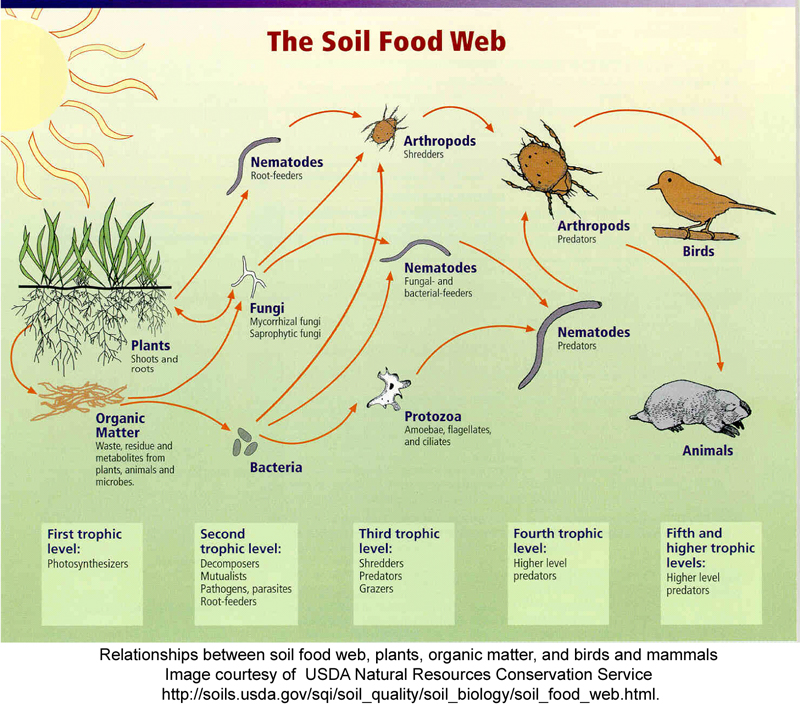
The upper layer of earth in which plants grow, a black or dark brown material typically consisting of a mixture of organic remains, clay, and rock particles.
Example: Minimise disturbance to the SOIL - Grass swards, in particular those including legumes, when ploughed up increase the risk of leaching.
en: Sol
teamwork
noun
The combined action of a group of people, especially when effective and efficient.
Example: These include communication skills, TEAMWORK, problem solving, independent responsibility for learning, sharing information, and respect for others.
en: travail d'équipe
Tectonic plate
Noun
A massive, irregularly shaped slab of solid rock, generally composed of both continental and oceanic lithosphere.
Example: The tectonic plates are floating on Earth's mantle, a really thick layer of hot flowing rock.
en: Plaque tectonique
vegetation
noun
Plants considered collectively, especially those found in a particular area or habitat.
Example: There appeared to penetrate reasonable amount of sunlight to the stream, encouraging the establishment of channel and marginal VEGETATION, hence thinning of the existing trees would not be necessary in the short term, and in fact, it may be practically difficult due to their large sizes.