Hello , my name is Samuel Ndala , I'm a cybersecurity student, committed to learning how to protect computer systems, networks, and data from various cyber threats. This glossary will be used as a quick reference guide for key cybersecurity terms and concepts. My goal is to help anybody who want to understand the complex language of cybersecurity.
Antivirus Software
Noun
Software designed to detect, prevent, and remove malicious software (malware) from computers and networks. Definition from Google
Example: Installing reliable antivirus software is essential to safeguard of any computer to fight against various online threats.
fr: Logiciel antivirus
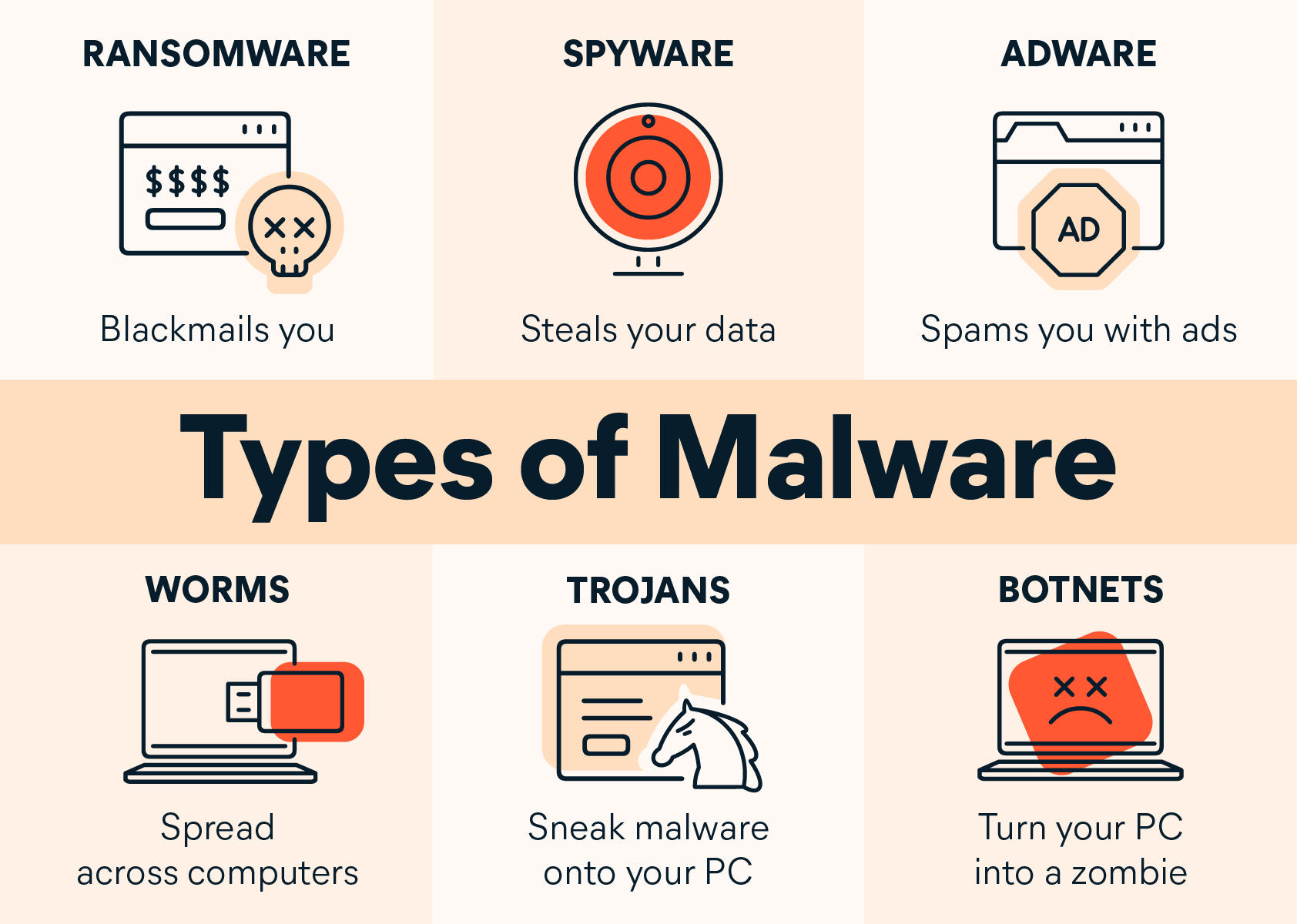
Botnet
Noun
A network of private computers infected with malicious software and controlled as a group without the owners' knowledge, often used to send spam or launch denial-of-service attacks.
Example: Botnets can be used to carry out large-scale cyber attacks, making them a serious threat.
fr: Réseau de robots
Data Breach
Noun
An incident where sensitive, protected, or confidential data is accessed, used, or disclosed without authorization.
Example: Companies must report data breaches to comply with data protection regulations.
fr: Violation de données
Denial of Service (DoS)
Noun
An attack meant to shut down a machine or network, making it inaccessible to its intended users. DoS attacks accomplish this by flooding the target with traffic or sending information that triggers a crash.
Example: Implementing robust network security measures can help mitigate the impact of a DoS attack.
fr: Attaque par déni de service
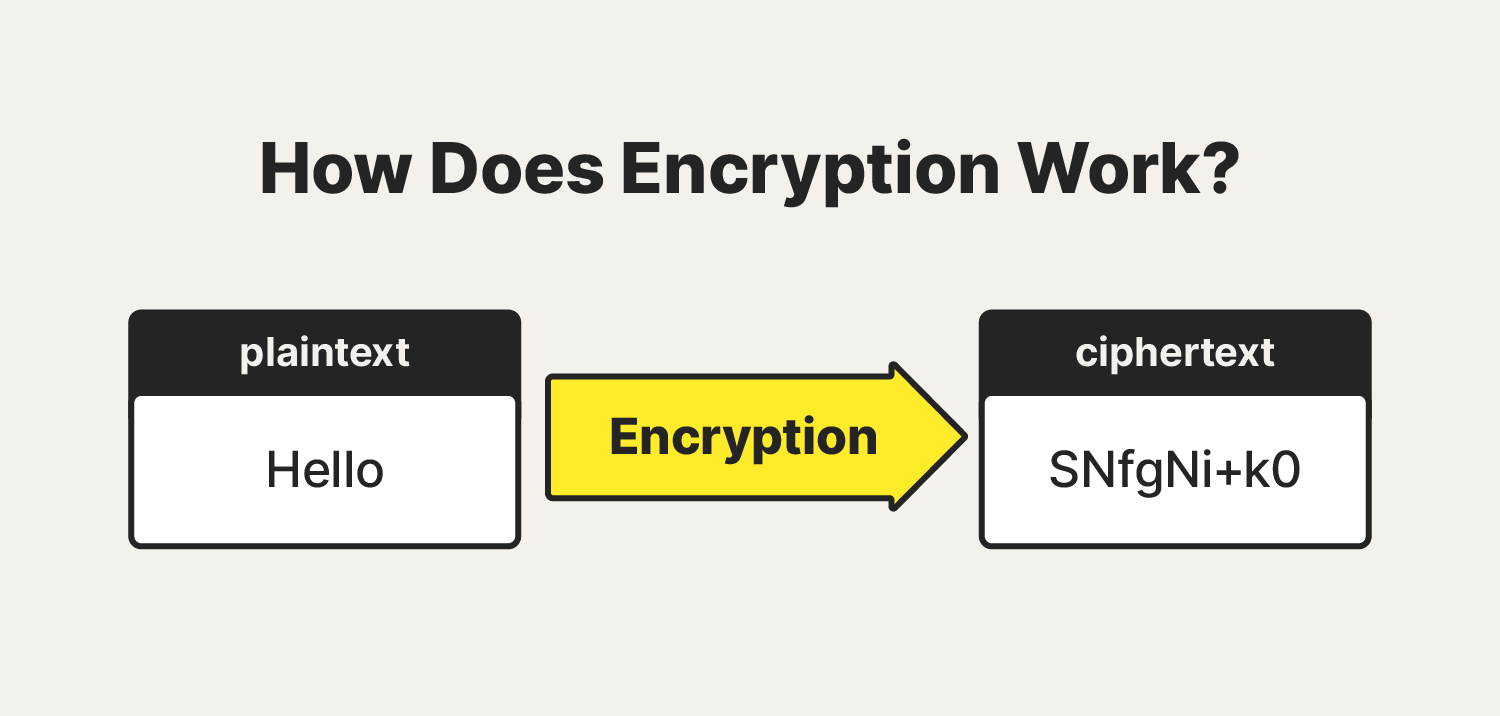
Encryption
Noun
The process of converting data into a coded format to prevent unauthorized access, ensuring data privacy and security. Definition from Google
Example: Employing encryption techniques is important to be able to ensure the security and confidentiality of sensitive information during online communication.
fr: Chiffrement
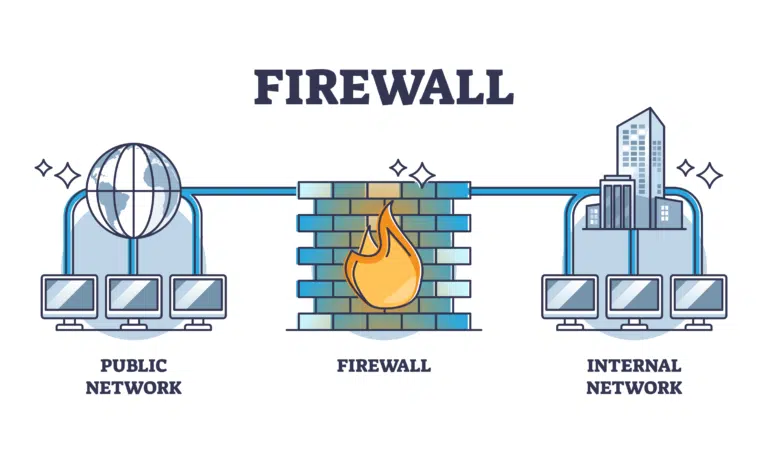
Firewall
Noun
A network security device or software that monitors and controls incoming and outgoing network traffic based on predetermined security rules.
Example: Configuring a firewall properly can help prevent unauthorized access to a private network.
fr: Pare-feu
Identity Theft
Noun
The fraudulent acquisition and use of a person’s private identifying information, usually for financial gain.
Example: Shredding documents containing personal information can help prevent identity theft.
fr: Usurpation d'identité
Malware
Noun
Malicious software designed to harm, exploit, or otherwise compromise an information system. Types of malware include viruses, worms, trojan horses, ransomware, and spyware.
Example: Running regular scans can help detect and remove malware from your system.
fr: Logiciel malveillant
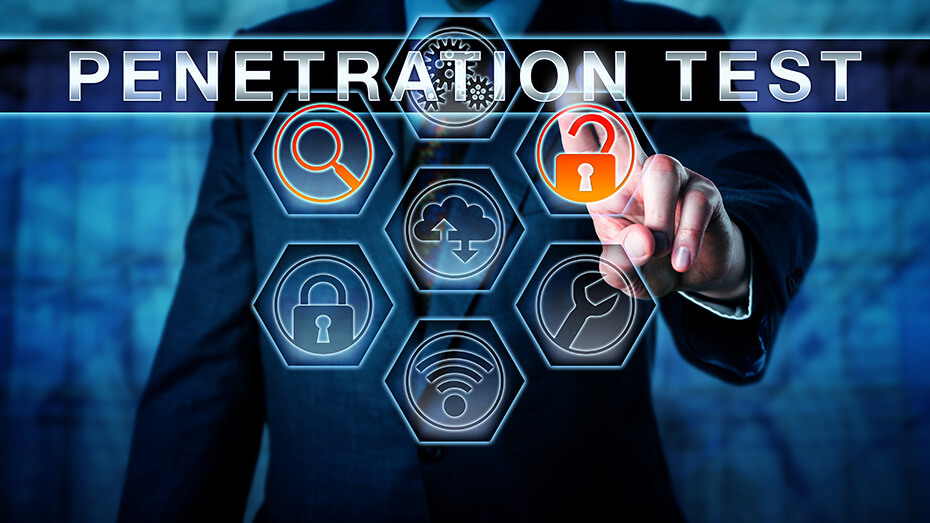
Penetration Testing
Noun
A method of evaluating the security of a computer system or network by simulating an attack from malicious outsiders (hackers).
Example: Regular penetration testing helps identify and fix security weaknesses.
fr: Test d'intrusion
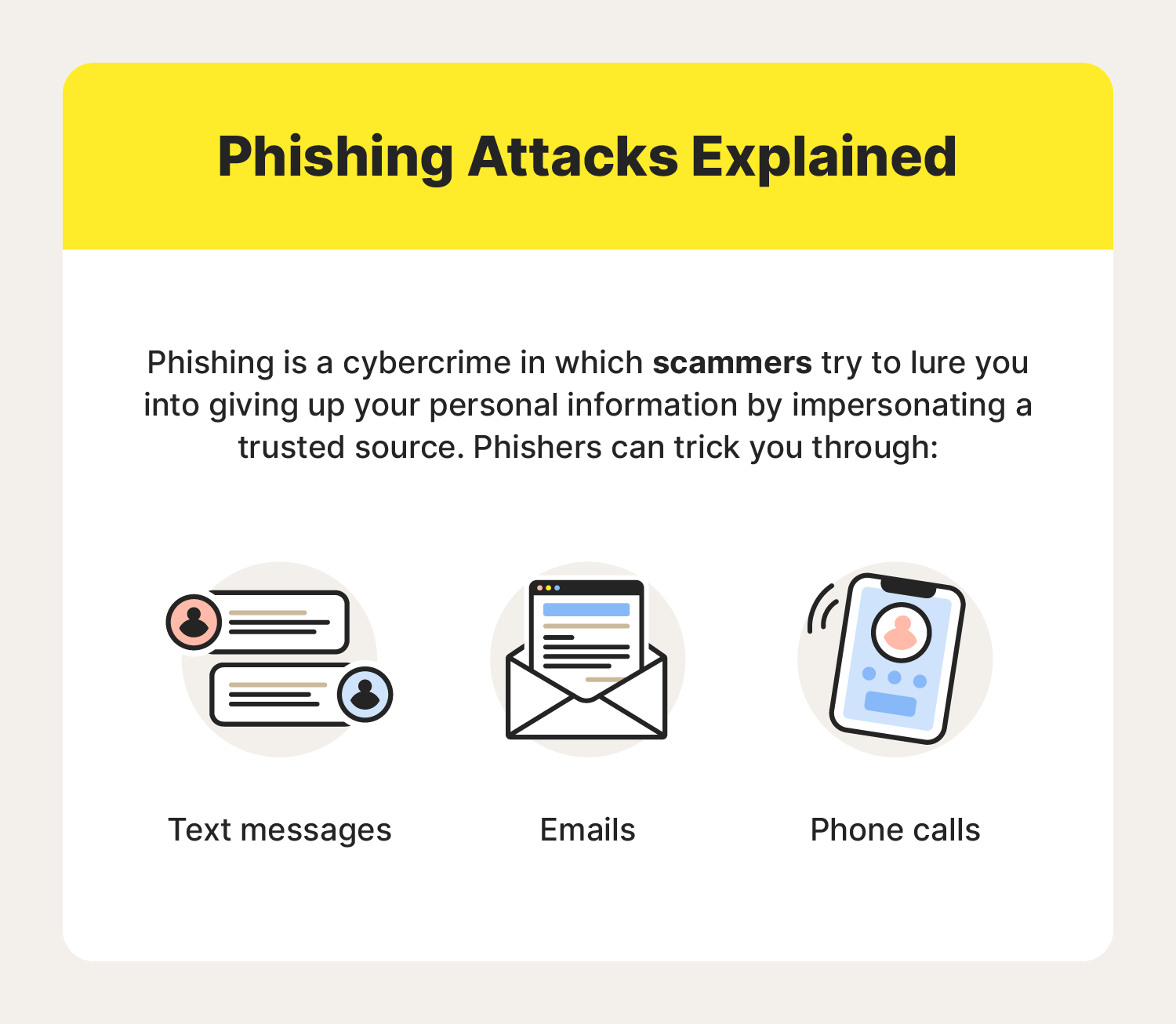
Phishing
Noun
A type of cyber attack where attackers masquerade as a legitimate entity or person in email or other communication channels to steal sensitive information such as login credentials and credit card numbers.
Example: Always be cautious of phishing emails that ask for personal information or direct you to a suspicious website.
fr: Hameçonnage
Ransomware
Noun
A type of malware that encrypts a victim's files. The attacker then demands a ransom from the victim to restore access to the data upon payment.
Example: Backing up important data can mitigate the impact of a ransomware attack.
fr: Rançongiciel
Security Patch
Noun
A software update that is designed to fix vulnerabilities and improve the security of a computer program or system.
Example: Regularly applying security patches is crucial for maintaining system security.
fr: Correctif de sécurité
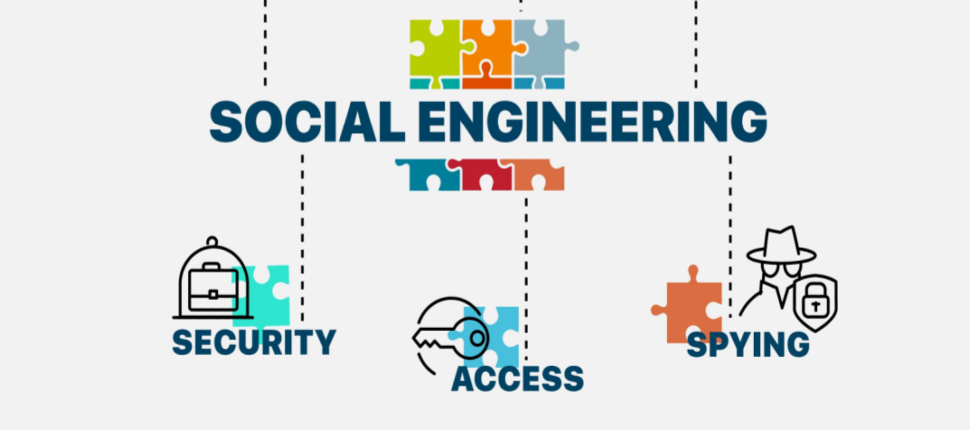
Social Engineering
Noun
A technique used by cyber attackers that relies on human interaction and often involves tricking people into breaking normal security procedures.
Example: Educating employees about social engineering tactics can help prevent security breaches.
fr: Ingénierie sociale
Social Engineering Attack
Noun
An attack that relies on manipulating people into breaking normal security procedures and divulging confidential information.
Example: Training employees to recognize social engineering attacks is an important aspect of cybersecurity.
fr: Attaque d'ingénierie sociale
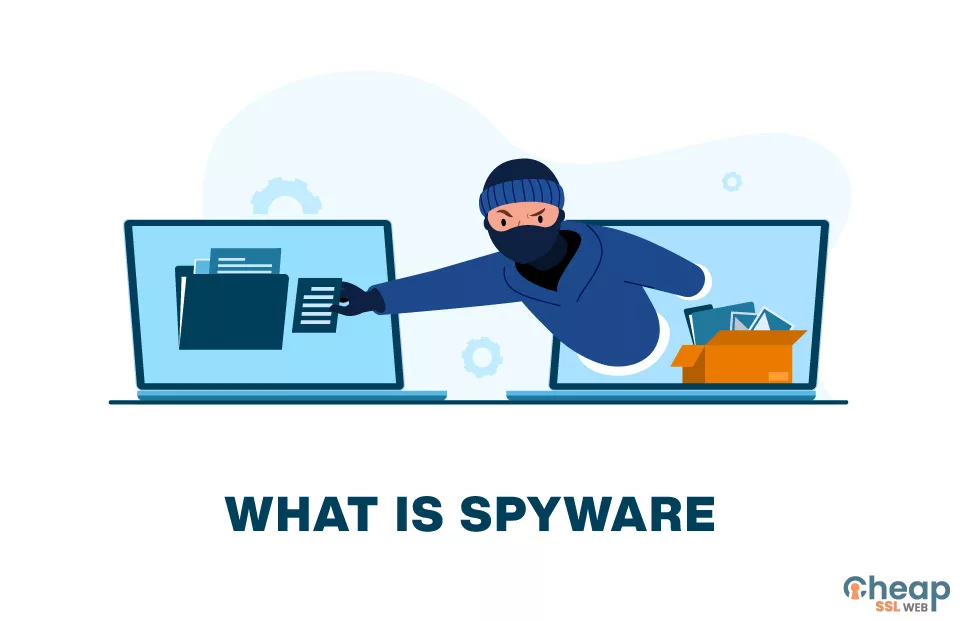
Spyware
Noun
Software that secretly monitors and collects information about a user’s activities without their consent, often used for malicious purposes.
Example: Using anti-spyware tools can help detect and remove spyware from your computer.
fr: Logiciel espion
Trojan Horse
Noun
A type of malware that disguises itself as legitimate software but, once activated, enables unauthorized access to the user's system.
Example: Avoid downloading software from untrusted sources to prevent Trojan Horse infections.
fr: Cheval de Troie
Two-Factor Authentication (2FA)
Noun
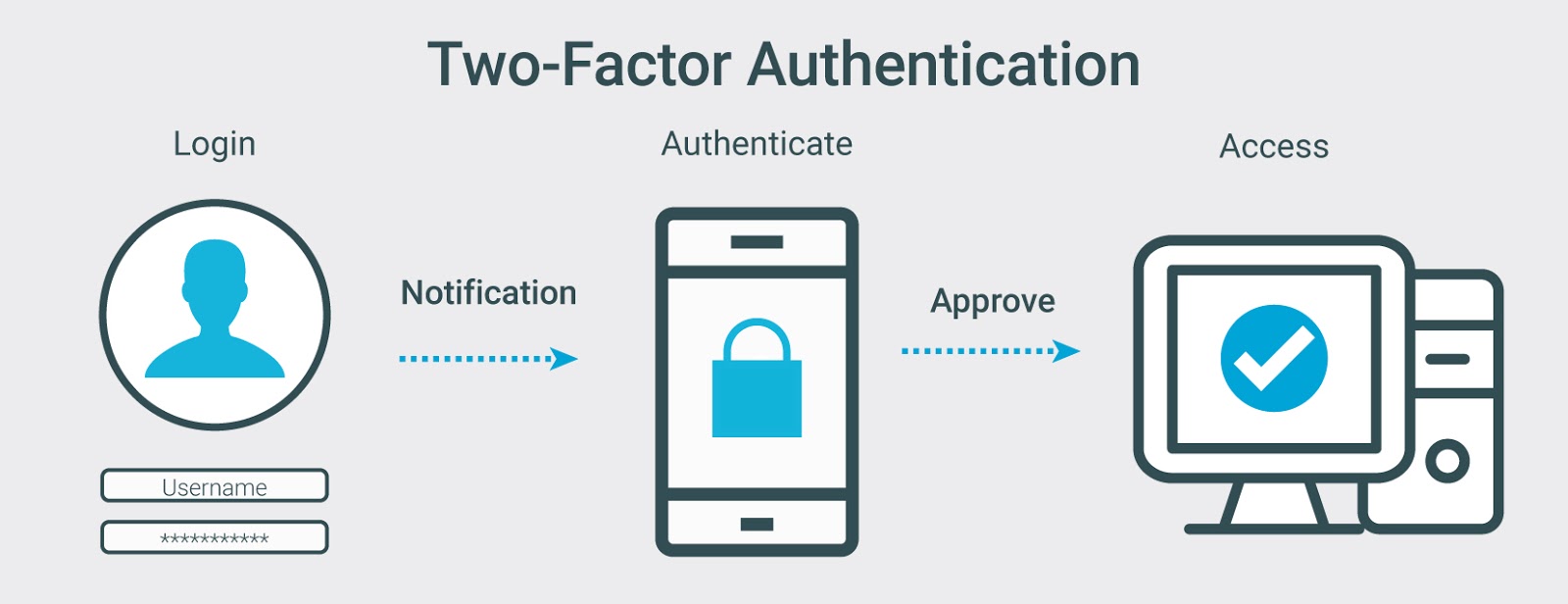
An extra layer of security used to ensure that people trying to gain access to an online account are who they say they are. First, a user will enter their username and a password. Then, instead of immediately gaining access, they will be required to provide another piece of information.
Example: Enabling two-factor authentication on your accounts adds an extra layer of security.
fr: Authentification à deux facteurs
Virtual Private Network (VPN)
Noun
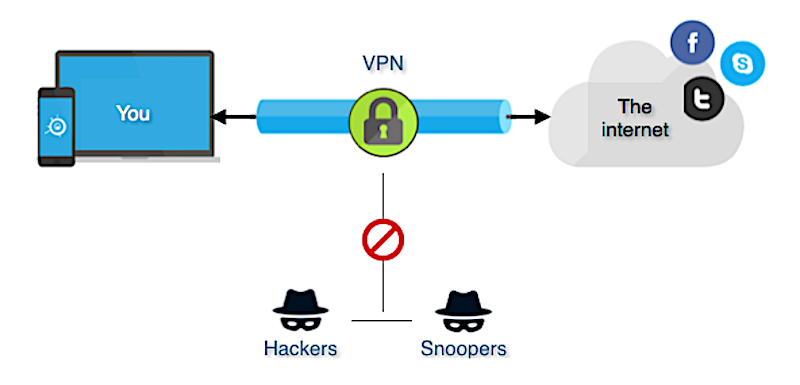
A service that encrypts your internet connection and hides your online activities from third parties, providing a secure and private connection over the internet.
Example: Using a VPN is crucial when accessing public Wi-Fi to protect your personal data.
fr: Réseau privé virtuel
Vulnerability
Noun
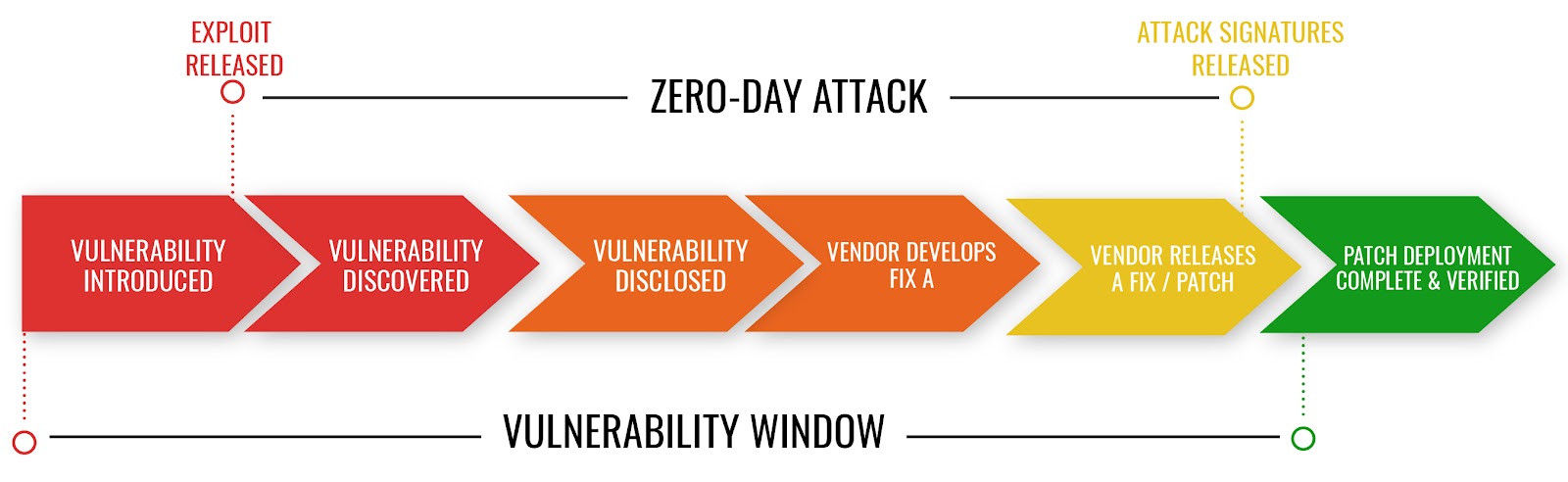
A weakness in a system, network, or application that can be exploited by cyber attackers to gain unauthorized access to resources or disrupt operations.
Example: Regularly updating software can help fix vulnerabilities and protect against cyber attacks.
fr: Vulnérabilité
Zero-Day Exploit
Noun
A cyber attack that occurs on the same day a vulnerability is discovered and before the software developer can issue a fix.
Example: Keeping software updated can reduce the risk of zero-day exploits.