This glossary is a resource for students, professionals and people interested in the field of Social Sciences commerce. This field is multidisciplinary and combines economics, psychology, Sociology, and business studies to have a better view and understand how commerce and trade impact societies and individuals. The words listed in this glossary are foundational concepts and terms that are frequently used in the study and practice of Social Science commerce. You will see the terms, their meaning, pronunciation and usage while scrolling through the glossary.
Accounting
Noun
The action or process of keeping financial accounts. The process of recording, classifying, and summarizing financial transactions to provide information that is useful in making business decisions.
Example: Moreover, stricter rules now exist regarding the disclosure of director remuneration which is a preventative measure against 'slush-fund-ACCOUNTING'; understating quarterly profits as a precautionary measure to protect manager remuneration.
en: Comptabilité
Competitive Analysis
Noun
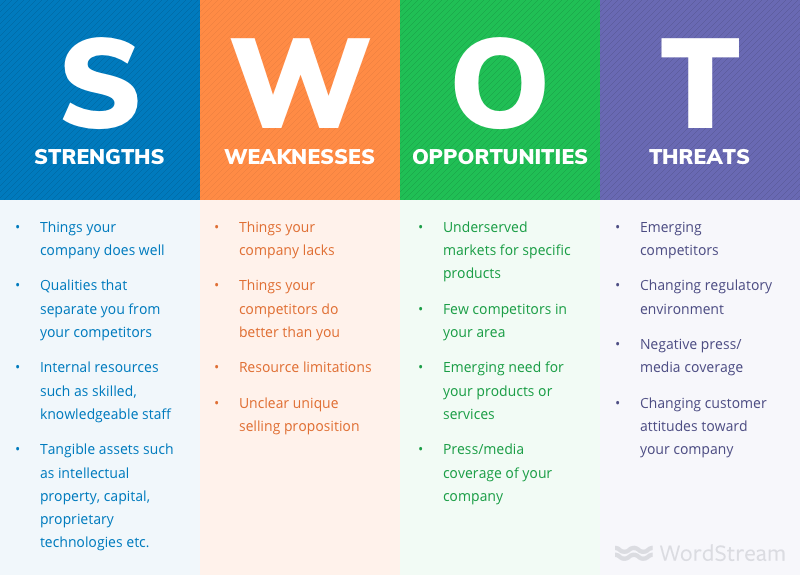
The process of comparing the strengths and weaknesses of your own business or product to those of other businesses, in order to make your business or product more competitive.
Example: A COMPETITIVE ANALYSIS allows a business to compare themselves with the competition, and gives them a benchmark to aim for.
en: Analyse concurrentielle
Consumer behavior
Noun
Consumer behaviour in marketing refers to the actions and decisions that people make when they are purchasing or using product. How individuals or groups select, purchase, use, or dispose of products, services, ideas, or experiences.
Example: Theoretical Discussion of the Chosen CONSUMER BEHAVIOR Model Moutinho (1987) referred the CONSUMER BEHAVIOR as "the process of acquiring and organizing information in the direction of a purchase decision and of using and evaluating products and services" (Moutinho,1987: 5).
en: Comportement du consommateur
Economics
Noun
The study of how individuals, businesses, and governments make choices on allocating resources to satisfy their wants and needs.
Example: Moore (1988) illustrates this point well in discussing how Anthropology consistently looks at central features such as kinship and ECONOMICS, and explains the differences primarily on the basis of cultural differences.
en: Économie
Entrepreneurship
Noun
The activity of setting up a business or businesses, taking on financial risks in the hope of profit.
Example: The analysis is set in the 1980s and the author aims to establish the importance of ENTREPRENEURSHIP as characteristic of the working class in the East End of London.
en: Entrepreneuriat
Human Resources
Noun
The department of a business or organization that deals with the hiring, administration, and training of personnel.
Example: They defined 'defender' to have a narrow but stable product line a d having a functional structure so there HRM strategy would be to build HUMAN RESOURCES.
en: Ressources humaines
Inflation
Noun
A general increase in prices and fall in the purchasing value of money.
Example: Argentina's negative growth in this period can be linked to the transition from a pegged to a floating exchange rate system with consequent INFLATION (25.9% in 2002, 13.4% in 2003), generating economic instability.
en: Inflation
Market
Noun
An area or arena in which commercial dealings are conducted. Structure that allows buyers and sellers to exchange goods, services, and information.
Example: I am particularly pleased with the goal that I have set the farm business to achieve, as I feel that it is attainable and having studied the current trends in consumerism, I feel it should guarantee my business a place in the future agricultural MARKET.
en: Marché
Market equilibrium
Noun
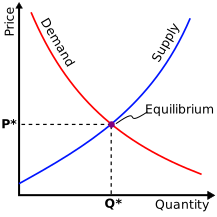
Equilibrium is the state in which market supply and demand balance each other, and as a result prices become stable.
Example: This can be explained by looking at a Walrasian MARKET EQUILIBRIUM, where all workers receive the market clearing wage and there exists no unemployment.
en: Équilibre du marché
Market research
Noun
The systematic gathering, recording, and analysis of qualitative and quantitative data about issues relating to marketing products and services.
Example: Tom Copas would have undertaken MARKET RESEARCH for each diversification, looking at the location, number of people likely to use the diversification, competitors and prices charged.
en: Étude de marché
Marketing Mix
Noun
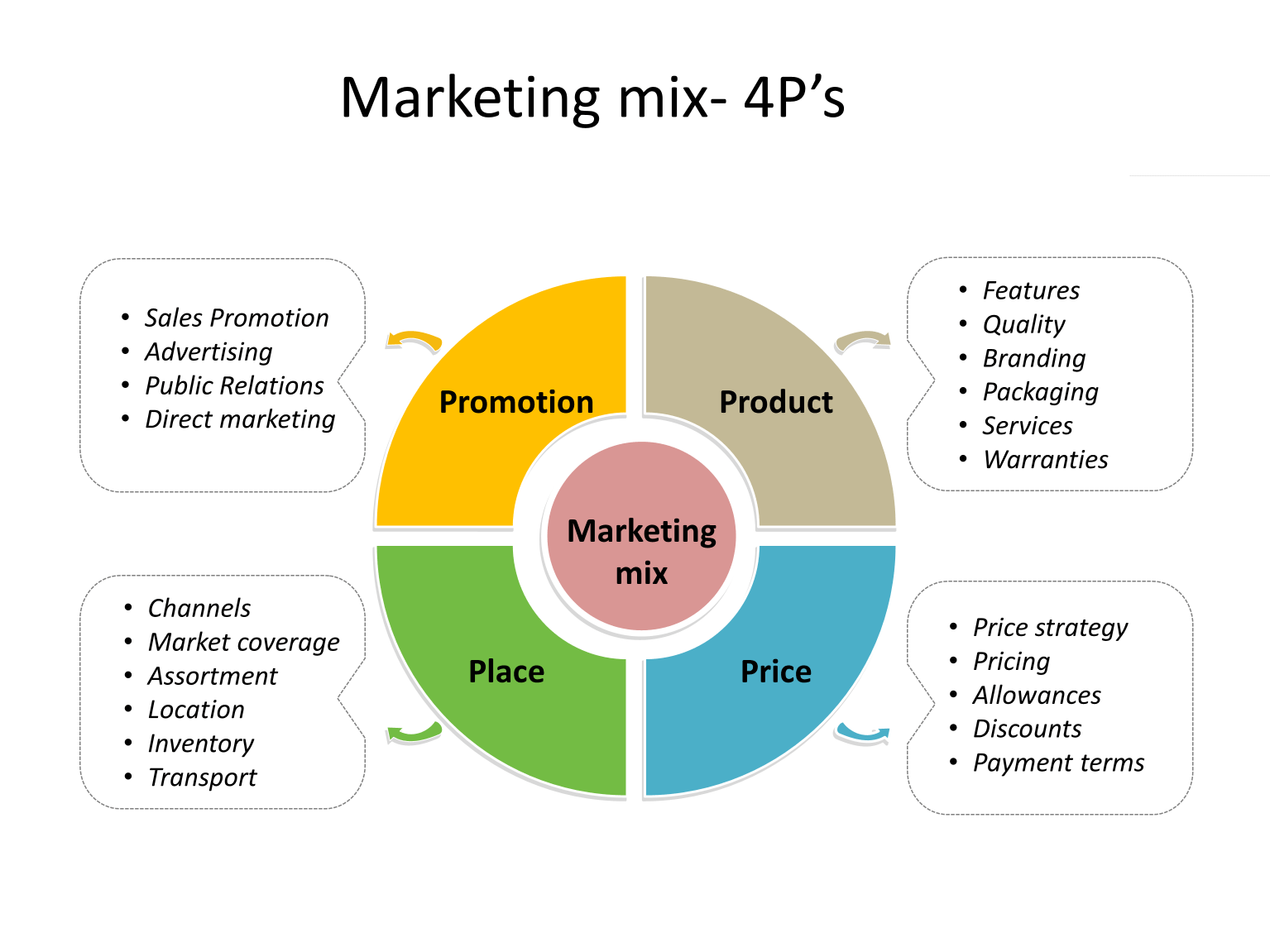
A set of marketing tools that a company uses to promote its brand or product in the market, typically identified as Product, Price, Place, and Promotion (4Ps).
Example: The social and green issues are becoming more important in the MARKETING MIX, and they would affect the product, price, promotion and possibly the people aspects.
en: Marketing Mix
Microeconomics
Noun
The part of economics concerned with single factors and the effects of individual decisions
Example: At a given output, y, marginal revenue can be expressed in terms of demand elasticity (Intermediate MICROECONOMICS, 2003, p. 278 Where p(y) is the price function of demand and (y) is the elasticity of demand at output, y.
en: Microéconomie
Price Elasticity of Demand
Noun
Price elasticity of demand is the ratio of the percentage change in quantity demanded of a product to the percentage change in price.
Example: The retail price of SELF had been increased since Period 2 because of the weak PRICE ELASTICITY OF DEMAND (Appendix 2, point 1) at 1.167, which means that the demand will decrease with an increase in price, however not significantly.
en: Élasticité de la Demande
Profit
Noun
A financial gain, especially the difference between the amount earned and the amount spent in buying, operating, or producing something.
Example: The main objectives during the 7 periods have been to maximize PROFIT, sustain business growth, maximize market share and shares price and thus keeping the leading market position.
en: Profit
Target market
Noun
A target market is a specific group of people with shared characteristics that a business markets its products or services to.
Example: At present, the business does not do any advertising and relies on word-of-mouth (Stennings, 2005) but there is a huge opportunity to expand on the main TARGET MARKET.