Hi, my name is Loïk Lavallée. I live in Mirabel. I have been studying in laboratory technology: biotechnology for 1 year at Ahuntsic College. My field of study is biology and chemistry. The glossary that I have made could be useful for the students already studying in biology and chemistry. Each word in this glossary is related to the basic notions of biology and chemistry about the organic molecule. These organic molecules are essentials for our body, so it's directly connected to the biology you will see in the word I chose. Each of them is part of the vocabulary commonly used in this field. It may be hard to understand each word for someone that is unfamiliar to it. By learning the definition and some example to how we used this word you can learn a lot in biology.
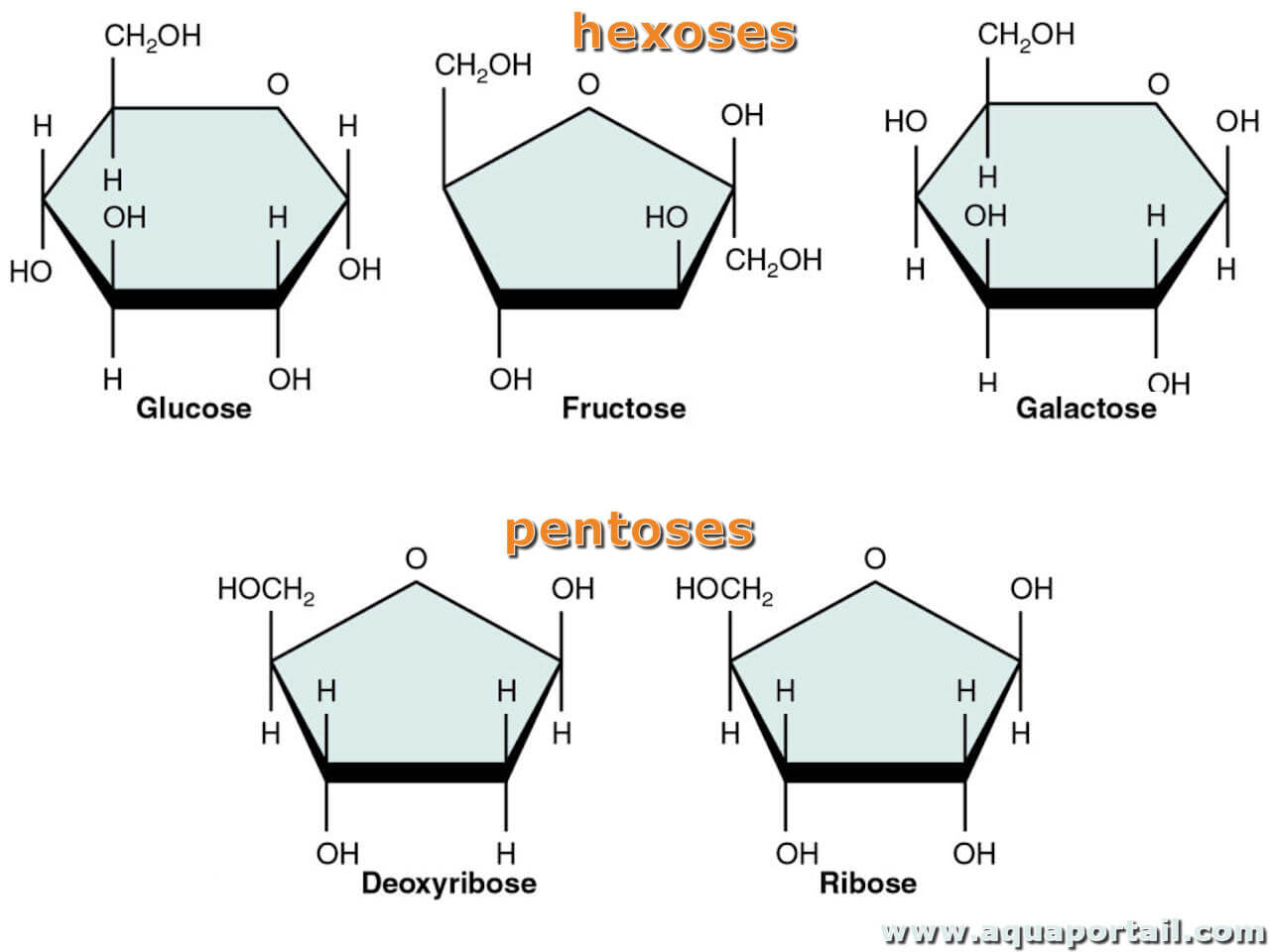
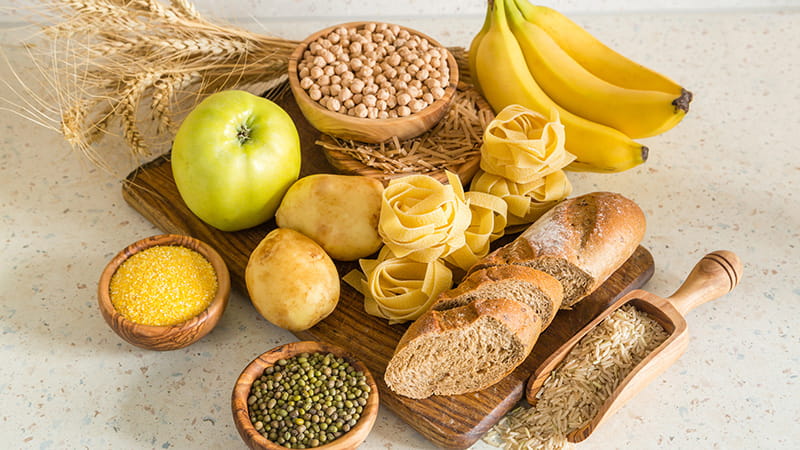
carbohydrate
noun
A carbohydrate is a naturally occurring compound, or a derivative of such a compound, with the general chemical formula Cx(H2O)y, made up of molecules of carbon (C), hydrogen (H), and oxygen (O). Carbohydrates are the most widespread organic substances and play a vital role in all life.
Example: By increasing exercise and maintaining energy intake, the body will become deficient in energy and at first use emergency CARBOHYDRATE (glycogen) stores, following which, it will use fat stores for energy, providing exercise is continued.
en: glucide
cell
noun
The smallest structural and functional unit of an organism, typically microscopic and consisting of cytoplasm and a nucleus enclosed in a membrane. Microscopic organisms typically consist of a single cell, which is either eukaryotic or prokaryotic.
Example: They cannot be formed in a CELL which lacks them because the nucleus of the CELL only contains some of the genes necessary to produce all the proteins they require. Both mitochondria and chloroplasts contain there own genome, a single circular molecule resembling that of prokaryote CELL DNA.
en: cellule
cellular respiration
noun
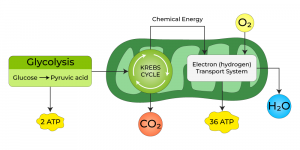
Cellular respiration, the process by which organisms combine oxygen with foodstuff molecules, diverting the chemical energy in these substances into life-sustaining activities and discarding, as waste products, carbon dioxide and water.
Example: In the presence of oxygen, pyruvate formed in glycolysis is transported into mitochondria, where it is oxidised by O 2 to CO 2 in a series of oxidative phosphorylation reactions collectively called CELLULAR RESPIRATION.
en: respiration cellulaire
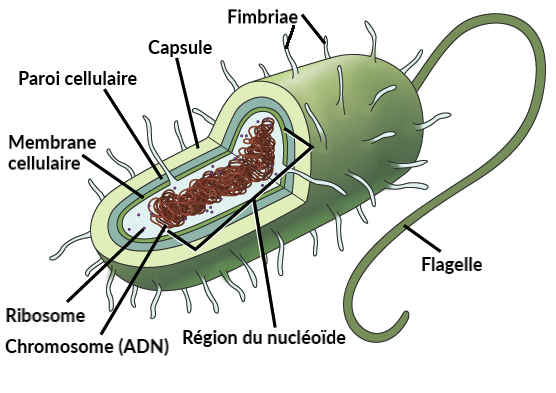
chromosome
noun
A threadlike structure of nucleic acids and protein found in the nucleus of most living cells, carrying genetic information in the form of genes.
Example: Gene frequency is the total number of an individual allele at a particular locus on a CHROMOSOME within a determined population possessing the gene. (summation of all gene frequencies for genotypes at a particular locus equals 1, therefore is not proportionally affected by the size of the population).
en: chromosome
DNA
noun
A self-replicating material that is present in nearly all living organisms as the main constituent of chromosomes. It is the carrier of genetic information.
Example: Most DNA in eukaryotes is found in the nucleus, however, around the beginning of the 20 th century, two plant scientists working independently (H.
en: ADN
erythrocyte
noun
A red blood cell that (in humans) is typically a biconcave disc without a nucleus. Erythrocytes contain the pigment hemoglobin, which imparts the red color to blood, and transport oxygen and carbon dioxide to and from the tissues.
Example: In Africa, 1 in 500 (Cited from 29 04 03) people are affected as the sickle shaped ERYTHROCYTE confers resistance to the parasite.
en: érythrocyte
eukaryote
noun
An organism consisting of a cell or cells in which the genetic material is DNA in the form of chromosomes contained within a distinct nucleus. Eukaryotes include all living organisms other than the eubacteria and archaebacteria.
Example: The EUKARYOTE cell The eukaryotic family contains all animals, plants and fungi; the cell is around ten times the size of the prokaryotic cell, being on average 10 microns in diameter with over 1000 times greater the volume.
en: eucaryote
hydrophilic
adjective
Having a tendency to mix with, dissolve in, or be wetted by water.
Example: The most important contact surface involves the H10 helix, which binds to the other monomer through a hydrophobic leucine zipper-like interaction, and HYDROPHILIC interactions involving direct hydrogen bonding with water molecules (7).
en: hydrophile
hydrophobic
adjective
Tending to repel or fail to mix with water.
Example: Other studies have shown how phospholipids can form vesicles, liposomes and closed structures due to the HYDROPHOBIC nature of the tails and the desire to minimise free energy.
en: hydrophobe
leukocyte
noun
A type of blood cell that is made in the bone marrow and found in the blood and lymph tissue. Leukocytes are part of the body’s immune system. They help the body fight infection and other diseases. Types of leukocytes are granulocytes (neutrophils, eosinophils, and basophils), monocytes, and lymphocytes (T cells and B cells).
Example: This has had an impact on transfusion service provision in the UK, most notably resulting in LEUKOCYTE depletion of blood for transfusion (introduced in 1998-1999), which has increased the financial burden of sourcing transfusion products.
en: leucocyte
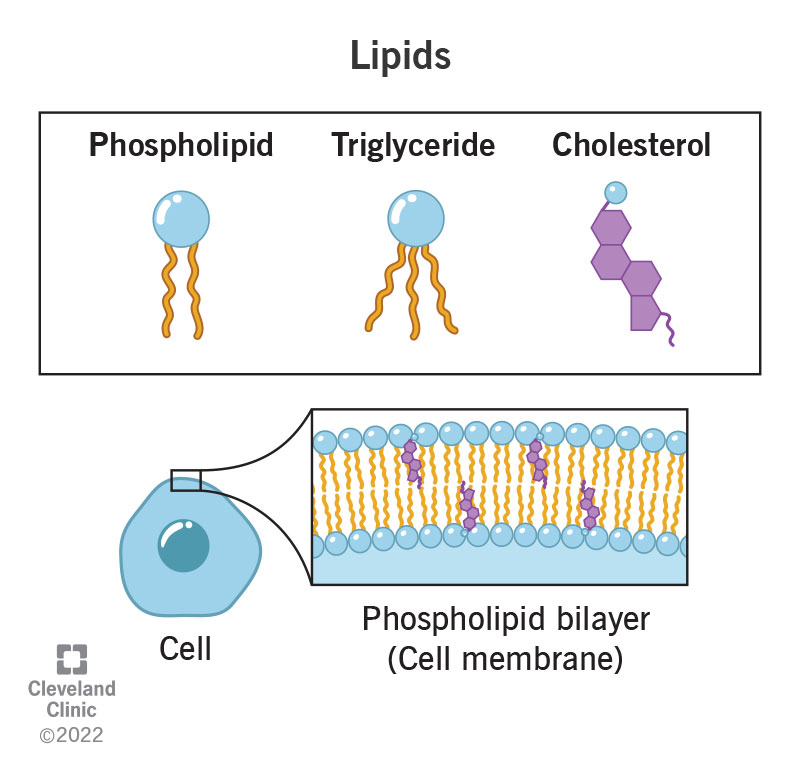
lipid
noun
Any of a class of organic compounds that are fatty acids or their derivatives and are insoluble in water but soluble in organic solvents. They include many natural oils, waxes, and steroids.
Example: These viruses contain a negative sense double-stranded RNA genome surrounded by a LIPID membrane envelope, obtained through intracellular budding at the Golgi apparatus.
en: lipide
microorganism
noun
An organism that can be seen only through a microscope. Microorganisms include bacteria, protozoa, algae, and fungi. Although viruses are not considered living organisms, they are sometimes classified as microorganisms.
Example: Further examination could be performed to identify this MICROORGANISM by looking at a sample of the species under a light microscope.
en: micro-organisme
microscope
noun
An optical instrument used for viewing very small objects, such as mineral samples or animal or plant cells, typically magnified several hundred times.
Example: The protozoa, algae, moulds and yeasts can be seen easily with a relatively low power of magnification (100-400×) under light MICROSCOPE. Bacteria are smaller than fungi and can only be seen with the aid of a higher power light MICROSCOPE (1000×). Viruses are even smaller which can only be seen under electron MICROSCOPE with higher magnification (10,000 × or higher).
en: microscope
monomer
noun
A molecule that can be bonded to other identical molecules to form a polymer.
Example: The most important contact surface involves the H10 helix, which binds to the other MONOMER through a hydrophobic leucine zipper-like interaction, and hydrophilic interactions involving direct hydrogen bonding with water molecules (7).
en: monomère
multicellular
adjective
(of an organism or part) Having or consisting of many cells.
Example: In contrast, other studies where ES were grown in a development culture demonstrated that the cells began to differentiate into MULTICELLULAR aggregates called embryoid bodies- clusters of cells that due to the variety of tissues formed represent early embryos (1,2,5).
en: multicellulaire
nucleic acid
noun
Nucleic acids are naturally occurring chemical compounds that serve as the primary information-carrying molecules in cells. They play an especially important role in directing protein synthesis. The two main classes of nucleic acids are deoxyribonucleic acid (DNA) and ribonucleic acid (RNA).
Example: Deoxyribose NUCLEIC ACID DNA is a polymer chain of nucleotides of which each nucleotide comprise of three parts; an inorganic phosphate group, a base and a sugar.
en: acide nucléique
photosynthesis
noun
The process by which green plants and some other organisms use sunlight to synthesize foods from carbon dioxide and water. Photosynthesis in plants generally involves the green pigment chlorophyll and generates oxygen as a byproduct.
Example: The smooth outer membrane is freely permeable to molecules so that ATP and glucose from PHOTOSYNTHESIS can easily diffuse out into the cytoplasm 1 .
en: photosynthèse
polymer
noun
By definition, polymers are large molecules made by bonding (chemically linking) a series of building blocks. The word polymer comes from the Greek words for “many parts.” Each of those parts is scientists call a monomer (which in Greek means “one part”). Think of a polymer as a chain, with each of its links a monomer.
Example: Deoxyribose Nucleic Acid DNA is a POLYMER chain of nucleotides of which each nucleotide comprise of three parts; an inorganic phosphate group, a base and a sugar.
en: polymère
prokaryote
noun
Prokaryote, any organism that lacks a distinct nucleus and other organelles due to the absence of internal membranes. Bacteria are among the best-known prokaryotic organisms.
Example: A protist is thought to be the cell the bacteria were engulfed by, it is an intermediate cell between PROKARYOTE and eukaryote with no organelles except from a membrane bound nucleus.
en: procaryote
protein
noun
Proteins are large biomolecules and macromolecules that comprise one or more long chains of amino acid residues. Proteins perform a vast array of functions within organisms, including catalysing metabolic reactions, DNA replication, responding to stimuli, providing structure to cells and organisms, and transporting molecules from one location to another.
Example: The effects of antibiotics on cells vary depending on whether is it prokaryotic or eukaryotic as they have specificity for the functioning of their ribosomes in PROTEIN synthesis.
en: protéine
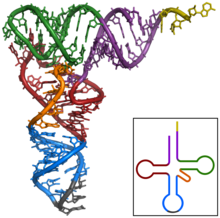
RNA
noun
Ribonucleic acid, a nucleic acid present in all living cells. Its principal role is to act as a messenger carrying instructions from DNA for controlling the synthesis of proteins, although in some viruses RNA rather than DNA carries the genetic information.
Example: Transcription is a process that involves the transfer of genetic material from DNA into RNA. With protein-encoding DNA, transcription is the start of a long process, which leads to the translation of the genetic code via a RNA molecule, into a functional protein. Very few RNA are transcribe directly into the final mature RNA. A primary transcript is a newly transcribed RNA molecule it consists of exons and introns; exons are the part of the DNA that contain the information needed to prepare proteins, but only ~3% of DNA are exons.
en: ARN
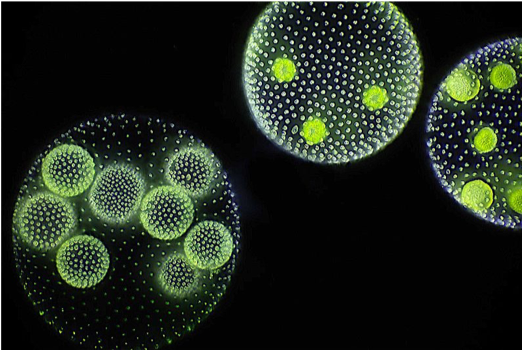
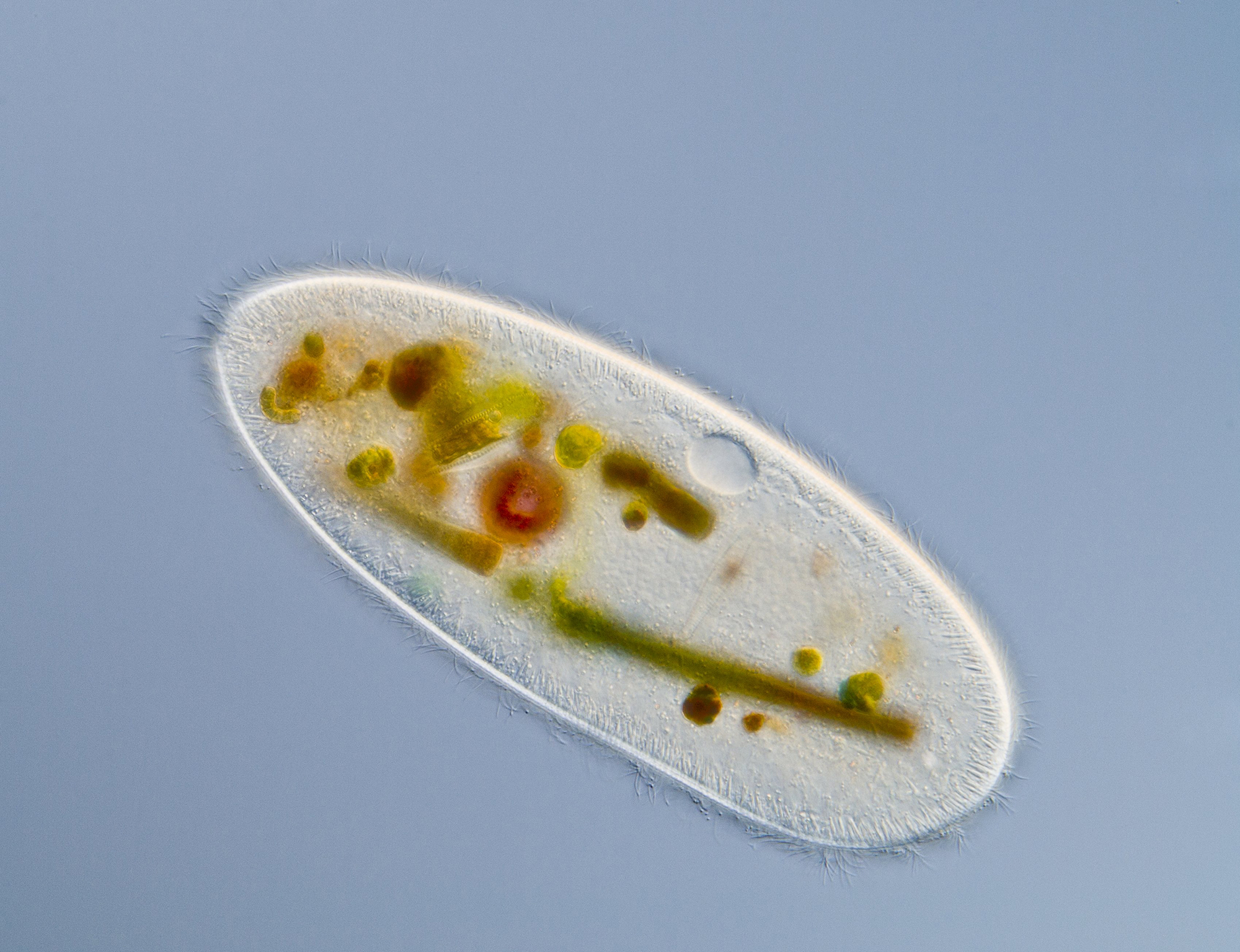
unicellular
adjective
Consisting of a single cell.
Example: They are either UNICELLULAR such as yeasts or multicellular such as moulds.



:max_bytes(150000):strip_icc()/sickle_cell_norm_cell-57b2107f3df78cd39c314506.jpg)